The Healthcare Contradiction: Why Greater Choice Often Means Less Access
April 25, 2026 - 03:27

In an era of unprecedented medical innovation and a dizzying array of treatment options, a troubling paradox has emerged: patients are facing more choices than ever before, yet finding it increasingly difficult to actually access the care they need. This contradiction, often referred to as the "healthcare paradox," highlights a systemic disconnect between the abundance of available medical solutions and the practical barriers that prevent people from using them.
The core of the issue lies in the fragmentation of modern healthcare systems. While pharmaceutical companies release dozens of new drugs annually and surgical techniques become more specialized, the infrastructure required to deliver these services remains strained. Rural hospitals are closing at alarming rates, primary care physicians are in short supply, and insurance networks are shrinking. The result is a landscape where a patient might have ten different specialists to choose from on paper, but none of them are accepting new patients, located within a reasonable distance, or covered by their insurance plan.
This paradox is particularly damaging for underserved communities. Low-income individuals and those in remote areas often face the cruel irony of knowing about life-saving treatments they cannot reach. The promise of "more options" becomes a source of frustration rather than empowerment, widening the gap between those who can navigate the system and those who are left behind.
To resolve this contradiction, the focus must shift from simply adding more options to building better pathways. Together, we can promote healthier living by using technology to expand access to care. Telemedicine, mobile health apps, and AI-driven diagnostic tools can bridge geographic and financial gaps, turning a landscape of theoretical choices into a network of real, reachable services. The goal is not to limit options, but to ensure that every option is truly accessible to everyone who needs it.
MORE NEWS

July 24, 2026 - 03:20
New executive director sworn in for Salem VA Health Care SystemTammy Snyder has been formally sworn in as the permanent executive director of the Salem VA Health Care System, moving from her interim role which she held since October 2025. The appointment marks...

July 23, 2026 - 11:07
Police identify O.C. man fatally shot amid mental health crisisA 20-year-old man who was fatally shot by Irvine police officers while experiencing a mental health crisis has been identified as Daniel Alfons Meltvedt, a resident of Irvine, authorities confirmed...

July 22, 2026 - 17:59
Cyclospora in Maryland: Health officials report 110 casesMaryland health officials have confirmed that cases of cyclosporiasis, an intestinal illness caused by the Cyclospora parasite, have climbed to 110 since the start of May. The Maryland Department...
July 22, 2026 - 04:23
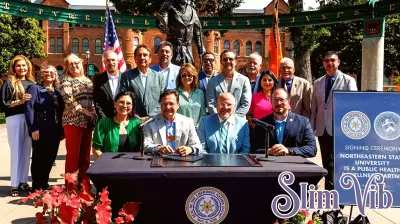
Cherokee Nation, NSU to discuss health and wellness partnershipCherokee Nation Principal Chief Chuck Hoskin Jr. has signed a resolution authorizing him to negotiate a formal agreement with Northeastern State University. The partnership aims to design and...