First Aid Basics for Parents: Handling Common Childhood Injuries
10 April 2026
As parents, we all know kids are little bundles of energy. They're constantly running, climbing, and jumping—sometimes into trouble. And while we can't wrap them in bubble wrap, we can be prepared to handle the inevitable bumps, bruises, and scrapes that come with childhood.
Understanding basic first aid can make a world of difference in keeping your child safe and helping them heal quickly. So, let’s dive into the most common childhood injuries and how you, as a parent, can confidently handle them.

1. Cuts and Scrapes
Kids trip, fall, and scrape their knees all the time. Most of the time, these injuries aren’t serious, but knowing how to treat them properly helps prevent infection and speeds up healing.What to Do:
- Wash your hands before touching the wound to prevent bacteria from getting in.- Rinse the wound with clean water. Avoid using hydrogen peroxide or alcohol—they can actually do more harm than good by irritating the tissue.
- Stop the bleeding by applying gentle pressure with a clean cloth or sterile bandage.
- Apply an antibiotic ointment (like Neosporin) to prevent infection.
- Cover it up with a bandage if the wound is in a place where it might get dirty or rubbed.
- Keep an eye on it for signs of infection like redness, swelling, or pus.
When to Seek Medical Help:
- The cut is deep or gaping (it may need stitches).- It won’t stop bleeding after 10 minutes of pressure.
- There are signs of infection (redness, warmth, or swelling).
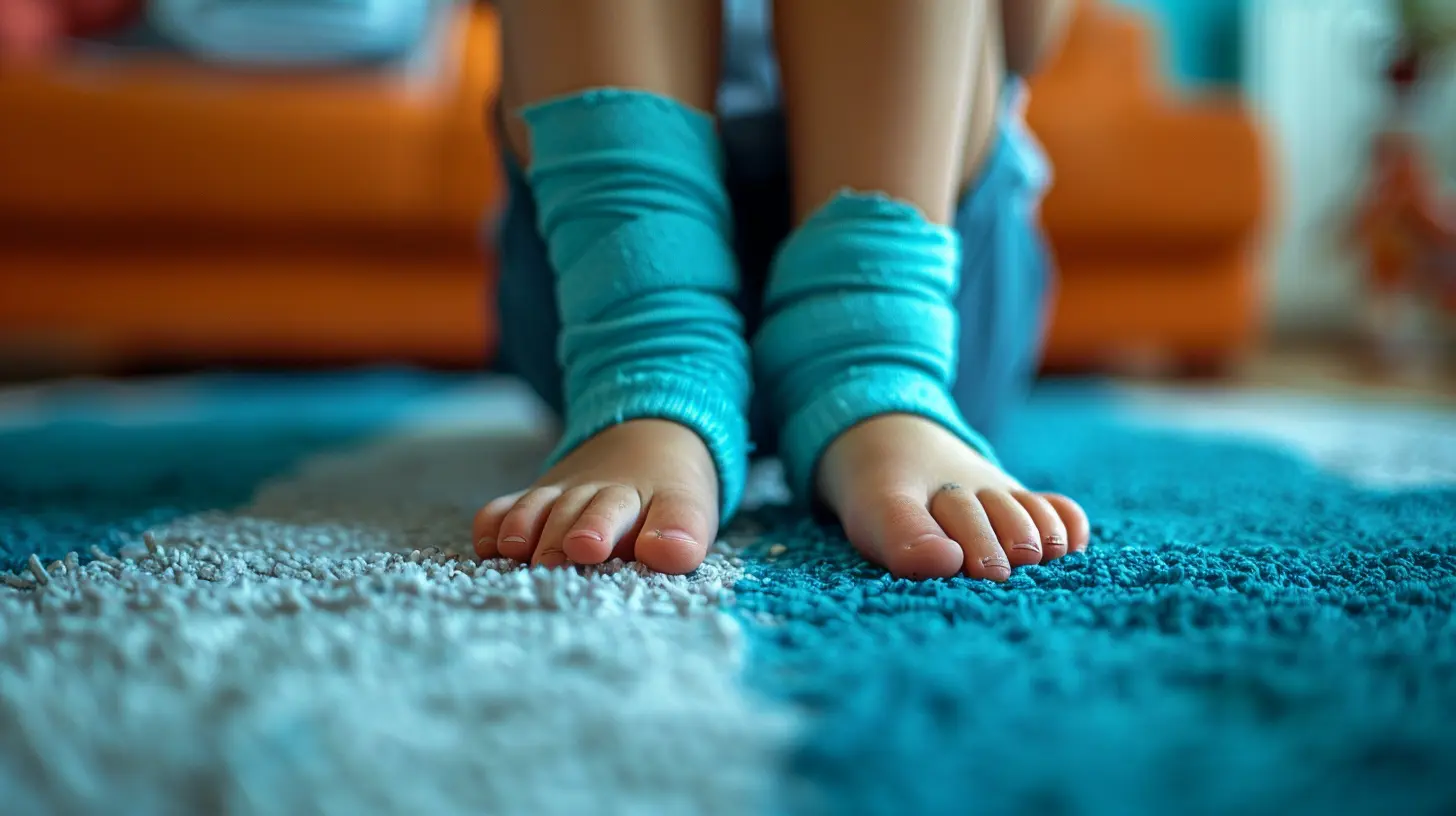
2. Burns
Whether it’s from a hot cup of coffee, the stove, or the sun, burns are painful injuries that need quick attention.What to Do for Minor Burns (First-Degree Burns):
- Cool it down immediately. Run cool (not cold) water over the burn for about 10–15 minutes.- Don’t pop blisters if they form. They protect the skin underneath.
- Apply aloe vera or a burn cream to soothe the skin.
- Cover it with a loose, non-stick bandage.
For More Severe Burns (Second or Third-Degree Burns):
- Do NOT apply ice, butter, or toothpaste—these can make the burn worse.- Cover the area loosely with a clean cloth.
- Seek medical attention immediately if the burn is large, very painful, or showing signs of infection.

3. Choking
Every parent’s worst nightmare—but knowing what to do can be life-saving.For Babies (Under 1 Year Old):
- Place the baby face down on your forearm, keeping their head lower than their chest.- Give five back blows between the shoulder blades with the heel of your hand.
- If that doesn’t work, turn them onto their back and give five chest thrusts (similar to CPR but gentler).
For Children Over 1 Year Old:
- Stand behind them, wrap your arms around their waist, and make a fist.- Give quick, upward thrusts just above the belly button (the Heimlich maneuver).
- Repeat until the object is expelled or the child becomes unresponsive—if they do, start CPR and call 911 immediately.

4. Head Bumps and Concussions
Kids love to run, jump, and occasionally smack their heads on things.What to Do:
- Apply a cold pack (wrapped in a cloth) to reduce swelling.- Watch for signs of a concussion, such as dizziness, vomiting, excessive sleepiness, or confusion.
- Let them rest, but wake them up every couple of hours if they hit their head hard enough to make you concerned.
When to Seek Emergency Care:
- They lose consciousness.- They vomit multiple times.
- They seem overly drowsy, confused, or struggle with balance.
5. Nosebleeds
A sudden nosebleed can look scary, but don't panic!What to Do:
- Have the child sit up and lean slightly forward (not back—this prevents swallowing blood).- Pinch their nostrils together with steady pressure for about 10 minutes.
- Use a cold pack on the nose bridge to slow bleeding.
When to Get Help:
- The nosebleed lasts longer than 15 minutes.- It happened after a blow to the head or a fall.
- The child has frequent nosebleeds with no clear cause.
6. Splinters
Tiny but annoying, splinters are a common childhood nuisance.What to Do:
- Wash your hands and the area with soap and water.- Use clean tweezers to gently pull out the splinter.
- Disinfect the area with an antiseptic after removal.
When to See a Doctor:
- The splinter is too deep to remove at home.- The area gets red, swollen, or painful afterward (which could indicate infection).
7. Insect Bites and Stings
Mosquito bites may be irritating, but some bug bites and stings need more attention.What to Do for Mild Reactions:
- Wash the area with soap and water.- Apply a cold pack to reduce swelling.
- Use hydrocortisone cream or an antihistamine (like Benadryl) for itching.
For More Severe Reactions (Allergic Reactions Like Anaphylaxis):
- Look for difficulty breathing, swelling of the face or throat, or hives.- Use an EpiPen if available and call 911 immediately.
8. Sprains and Strains
Kids love to jump off things, but sometimes they land the wrong way.What to Do:
- Follow the R.I.C.E. method:- Rest (avoid using the injured limb).
- Ice (apply a cold pack for 15–20 minutes at a time).
- Compression (wrap lightly with an elastic bandage).
- Elevation (keep the injured area raised).
When to See a Doctor:
- The swelling is severe or gets worse over time.- The child can’t put any weight on the limb without extreme pain.
9. Poisoning
Kids have a knack for getting into things they shouldn’t—medications, cleaning supplies, even houseplants.What to Do If You Suspect Poisoning:
- Call Poison Control (1-800-222-1222 in the U.S.) immediately.- Do NOT induce vomiting unless instructed by a medical professional.
- If they’re unconscious or struggling to breathe, call 911.
Final Thoughts
Parenting is full of surprises, and not all of them are fun. But knowing basic first aid makes you feel more prepared when life throws you a curveball (or a scraped knee). Keep a well-stocked first aid kit at home and in your car, and always trust your instincts—if something doesn’t seem right, don’t hesitate to seek medical help.Being a parent is tough, but you’ve got this!
all images in this post were generated using AI tools
Category:
Childrens HealthAuthor:

Tiffany Foster
Discussion
rate this article
2 comments
Kenzie Strickland
Great tips for keeping kids safe—thanks!
April 24, 2026 at 4:09 PM
Tiffany Foster
You're welcome! I'm glad you found them helpful.
Michelle Jimenez
Empower yourself with essential first aid skills; they're vital for effectively handling your child's minor injuries.
April 15, 2026 at 2:55 PM
Tiffany Foster
Absolutely! Knowing first aid can make all the difference when it comes to your child's safety.