How Leafy Greens Support Heart Health in 2026 and Beyond
16 April 2026
Let’s be honest for a second. When you hear “eat your leafy greens,” you probably picture a stern childhood voice or a bland side salad you tolerate for the sake of being “good.” But what if I told you that those very greens are quietly undergoing a revolution? That by 2026 and beyond, they’re not just a dietary recommendation, but a central, dynamic pillar of proactive heart health, backed by science that’s getting more fascinating by the day. We’re moving beyond the simple “they’re good for you” into a world where we understand precisely how they act as microscopic guardians for your most vital organ.
Think of your cardiovascular system not as a simple pump and pipes, but as a vast, intricate, and living city. There are major highways (arteries), complex service roads (capillaries), a delicate waste management system, and a constant need for maintenance and repair. Now, imagine leafy greens as the ultimate, multi-skilled municipal workforce for this city. They don’t just do one job; they’re out there directing traffic, reducing pollution, repairing potholes, and calming inflammatory riots—all at once. This article is your deep dive into that workforce, exploring how the humble spinach, kale, arugula, and their cousins are your heart’s best allies, now and in the future.
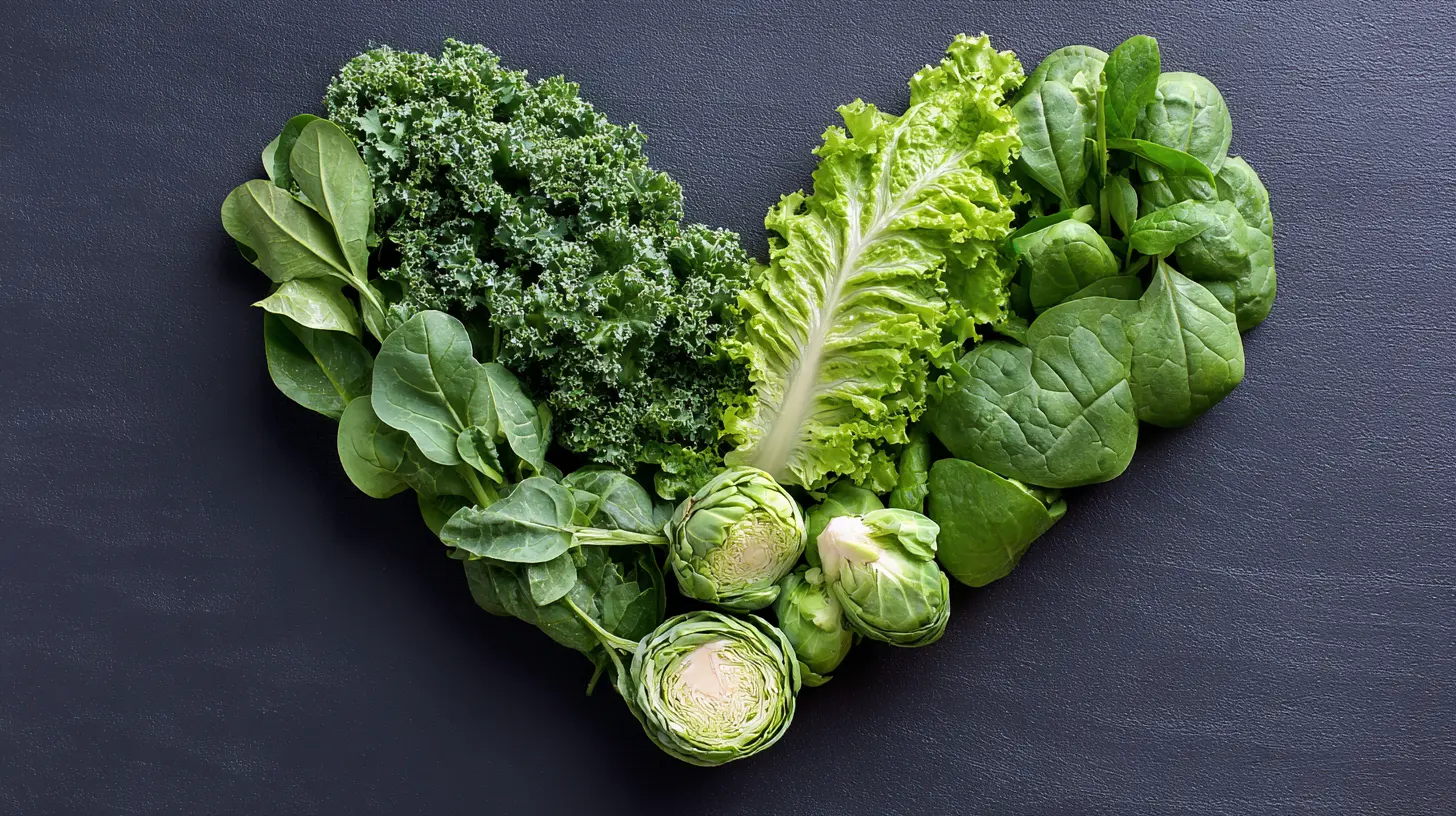
The Nutritional Powerhouse: What’s Actually in That Leaf?
Before we get to the futuristic stuff, we need to appreciate the foundational crew. What makes a leaf so powerful? It’s a cocktail of compounds working in synergy.Vitamins & Minerals: The Essential Crew
At the forefront are nutrients like Potassium, Magnesium, and Folate (Vitamin B9). Potassium acts like a natural pressure-release valve for your blood vessels, helping to counteract the effects of sodium and ease tension in your arterial walls. Magnesium is the relaxation mineral; it helps your blood vessels dilate, improving flow and reducing the workload on your heart. Folate is a key player in managing homocysteine, an amino acid that, at high levels, can irritate and damage blood vessel linings—think of it as smoothing out rough edges on your city’s roads to prevent wear and tear.
Dietary Nitrates: The Traffic Flow Optimizers
This is where things get exciting. Leafy greens like spinach, arugula, and beet greens are loaded with dietary nitrates. In your body, these convert to nitric oxide, a miraculous molecule. Nitric oxide is a potent vasodilator. It signals the smooth muscles in your blood vessels to relax and widen. The result? Improved blood flow, lower blood pressure, and enhanced oxygen delivery to every cell, including your hard-working heart muscle. It’s like switching from narrow, congested alleyways to wide, flowing boulevards for your blood cells.
Antioxidants & Polyphenols: The Anti-Corrosion Team
Oxidative stress is like rust for your cells. It’s caused by free radicals—unstable molecules that damage tissues, including the lining of your arteries. This damage is the starting point for plaque buildup. Leafy greens come packed with antioxidants like Vitamin C, beta-carotene, and lutein, along with a host of polyphenols. They neutralize these free radicals, acting as a protective, anti-corrosion coating for your cardiovascular infrastructure. Kale and Swiss chard, for instance, are particularly rich in these protective compounds.
Fiber: The Waste Management and Cholesterol Regulator
Soluble fiber, found abundantly in greens, is a master regulator. In your digestive system, it binds to cholesterol (specifically LDL, the “bad” kind) and helps escort it out of your body before it can be absorbed into your bloodstream. This directly helps lower circulating LDL cholesterol levels. Furthermore, fiber feeds your beneficial gut bacteria, and as we’ll see, a healthy gut is unexpectedly crucial for heart health. It’s a two-for-one cleaning service.
The 2026 Vision: Personalized Nutrition & Advanced Understanding
So, we know the basics. But the future of health is personalization. By 2026, the statement “leafy greens are good for your heart” will transform into “these specific greens, in this amount, prepared this way, are optimal for your unique heart health profile.” How?Gut-Heart Axis: Your Microbiome as a Translator
The most groundbreaking area of research is the gut-heart axis. We now know that the trillions of bacteria in your gut don’t just digest food; they communicate directly with your body’s systems, including your cardiovascular system. When you eat leafy greens, the fiber (prebiotics) feeds specific beneficial bacteria. These bacteria, in turn, produce metabolites like short-chain fatty acids (SCFAs). SCFAs, such as butyrate, travel through your bloodstream and exert powerful anti-inflammatory effects, help regulate blood pressure, and strengthen the barrier of your gut (preventing “leaky gut,” which can drive systemic inflammation). In essence, your gut flora translates the goodness of greens into a language your heart understands and benefits from directly. Future dietary advice may involve analyzing your microbiome to recommend greens that best support your unique bacterial community.
Nutrigenomics: When Your Genes Meet Your Greens
Why does your friend thrive on a kale-heavy diet while you might feel better with more spinach? Nutrigenomics—the study of how food interacts with our genes—is providing clues. Certain compounds in greens can influence gene expression, turning on genes that promote antioxidant production or turning off genes involved in inflammation. By 2026, simple tests could help identify which polyphenols and vitamins you metabolize most efficiently, tailoring your green intake to your genetic blueprint for maximum cardiovascular protection.
Bioavailability & Culinary Tech: Maximizing the Good Stuff
It’s not just what you eat, but how you prepare it. The bioavailability of nutrients—how much your body can actually absorb and use—is key. For example, the fat-soluble vitamins (A, K, E) in greens need dietary fat to be absorbed. The old advice to add a splash of olive oil or some avocado to your salad is proven science. Looking ahead, we’ll see more home cooking techniques and even kitchen gadgets designed to optimize this. Think blenders that preserve nitrate integrity or steamers that minimize vitamin loss. Furthermore, the rise of vertical farming and controlled environment agriculture means greens available year-round with potentially higher, more consistent nutrient densities, grown locally without long transport times that degrade quality.
Beyond the Salad Bowl: Integrating Greens into a Heart-Healthy Lifestyle
Knowing the science is one thing; living it is another. The sustainable integration of leafy greens is where the real magic happens for long-term heart health.Consistency Over Perfection: The “Green Thread” Strategy
Forget about forcing down a giant kale salad every day if you hate it. The goal is to weave a “green thread” through your daily diet. This could be:
* A handful of spinach blended into your morning smoothie (you won’t even taste it!).
* Arugula or microgreens piled onto your lunchtime sandwich or wrap.
* Frozen kale stirred into soups, stews, and pasta sauces in the last few minutes of cooking.
* Using large, sturdy collard green leaves as a nutrient-packed alternative to tortillas or bread.
* Making pesto with half basil and half spinach or kale.
This approach makes a high volume of greens manageable and enjoyable, providing a steady, daily dose of heart-protective compounds.
The Synergy Effect: Greens as Team Players
Leafy greens don’t work in isolation. Their power is magnified when combined with other heart-healthy pillars. The Mediterranean or DASH diets are perfect examples—they pair abundant greens with healthy fats (olive oil, nuts), lean proteins (fish, legumes), and whole grains. This combination tackles heart health from every angle: reducing inflammation, improving cholesterol, managing blood pressure, and supporting healthy blood sugar levels. Your leafy green workforce is most effective when integrated into a well-planned city, not working on a barren plot of land.
A Lifelong Partnership, Not a Quick Fix
Perhaps the most important perspective shift is viewing leafy greens as a lifelong partner in heart health, not a short-term “detox” or fix. The benefits are cumulative and protective. The consistent intake of nitrates, antioxidants, and fiber over decades is what significantly lowers the risk of atherosclerosis, hypertension, and ultimately, heart attacks and strokes. It’s about building a resilient cardiovascular system that can withstand the tests of time and stress.
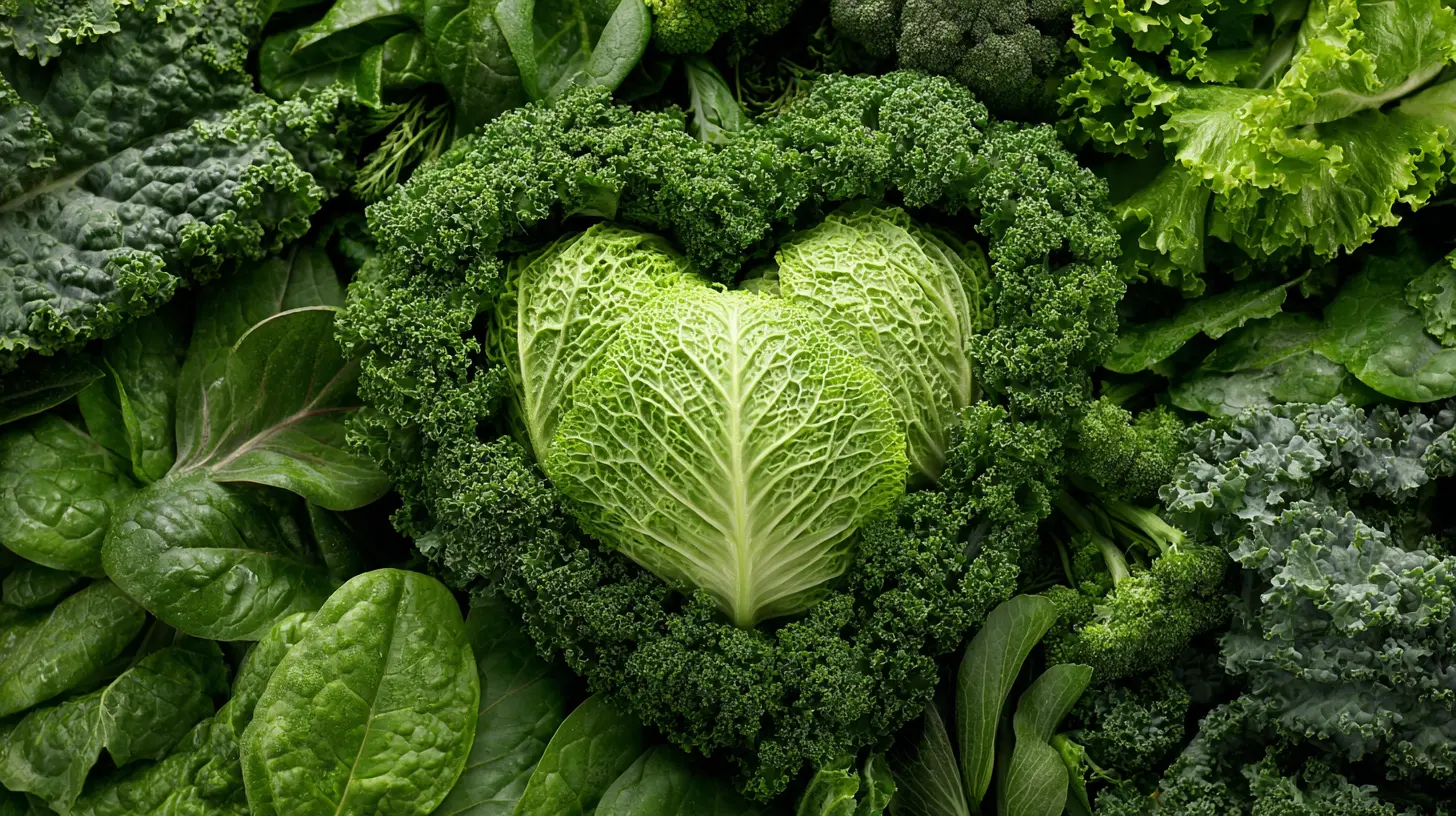
Conclusion: Your Heart’s Green Future Starts Now
The narrative around leafy greens and heart health is evolving from a simplistic dietary rule into a sophisticated, personalized, and deeply understood symbiotic relationship. As we look to 2026 and beyond, the evidence is clear: these vegetables are foundational technology for human health.They offer a direct, actionable, and delicious strategy for taking control of your cardiovascular destiny. By embracing the diversity of greens—from peppery arugula to sturdy collards—and weaving them consistently into the fabric of your meals, you’re not just eating a vegetable. You’re deploying a sophisticated, multi-talented maintenance crew for the intricate city of your circulatory system. You’re investing in the long-term vitality and resilience of your heart. So, the next time you see that bunch of greens, see it for what it truly is: one of the most powerful, accessible, and future-ready tools you have for a long, vibrant, and healthy life.
all images in this post were generated using AI tools
Category:
Heart Friendly FoodsAuthor:

Tiffany Foster
Discussion
rate this article
2 comments
Amelia Morgan
This article highlights the vital role leafy greens play in promoting heart health, emphasizing their rich nutrient content and antioxidants. As we prioritize our wellbeing in 2026 and beyond, incorporating these vegetables into our diets can yield significant long-term health benefits.
April 21, 2026 at 3:42 AM
Tiffany Foster
Thank you for your thoughts! Leafy greens are indeed essential for heart health and can make a big difference in our diets moving forward.
Falkor Jenkins
Leafy greens: nature's way of reminding us that eating our veggies is the real secret to a long life—and a great excuse to avoid the gym!
April 19, 2026 at 2:38 AM