The Connection Between Gut Health and Sleep Quality
15 May 2026
Have you ever wondered why some nights you sleep like a baby and other nights you toss and turn for hours? It turns out your gut health might have a bigger role in this than you think. Yep, that’s right—your gut and sleep quality are closely linked, and if your digestive system is out of balance, it could be the reason you're not getting enough rest.
In this article, we’ll dive into the fascinating connection between gut health and sleep, how your gut microbiome affects sleep patterns, and what you can do to improve both. So, grab a comfy seat, and let’s get into it!
Understanding Your Gut Microbiome
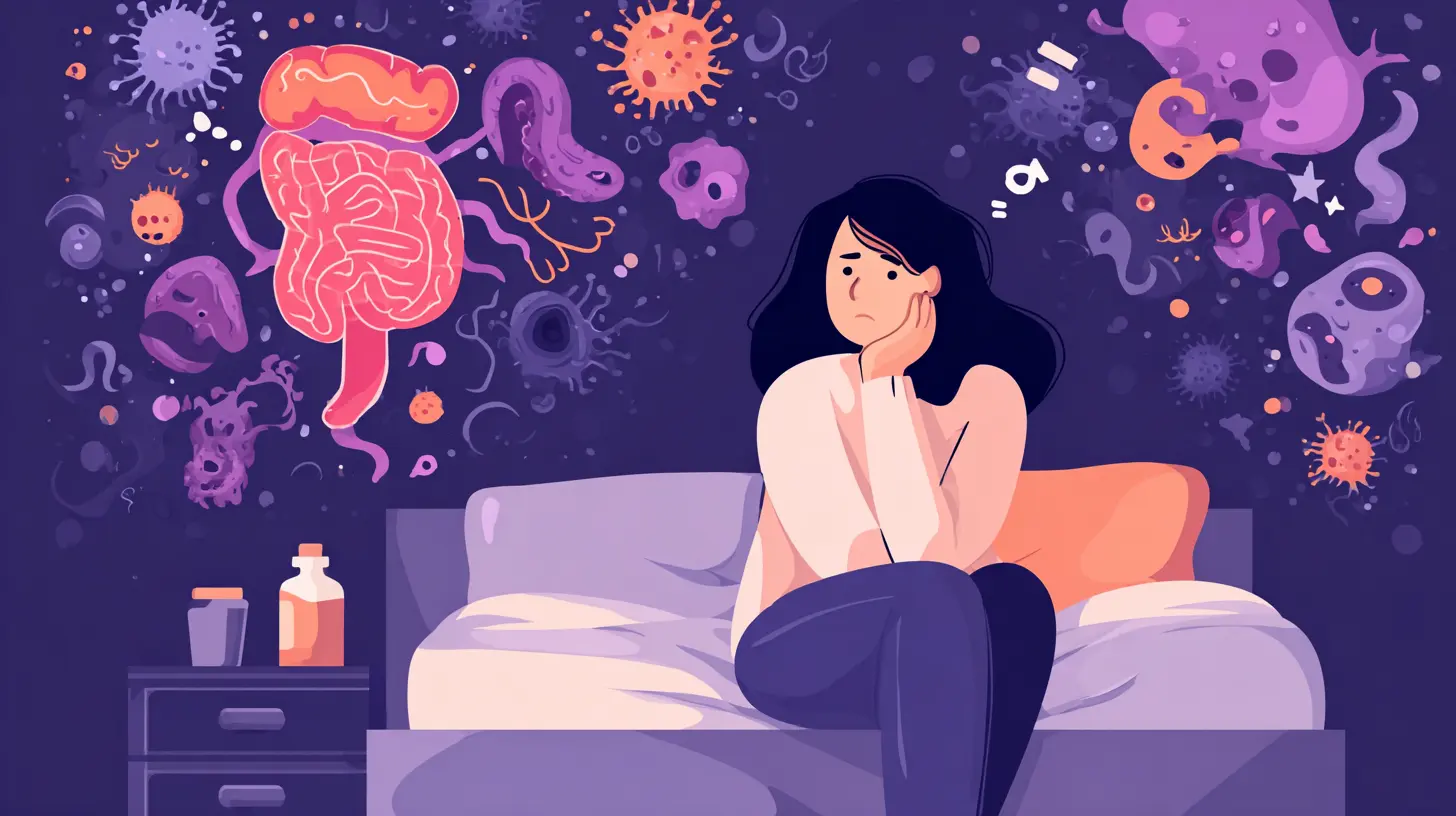
Before we jump into how gut health impacts sleep, let's first understand what the gut microbiome is.Your gut is home to trillions of bacteria, fungi, and other microbes that play a crucial role in digestion, immunity, and even mood regulation. This collection of microorganisms is called the gut microbiome, and keeping it balanced is essential for overall health.
When your gut microbiome is thriving with beneficial bacteria, your body functions properly. But when there's an imbalance—caused by poor diet, stress, antibiotics, or lack of sleep—it can trigger various health issues, including digestive problems, weakened immunity, and disrupted sleep patterns.
How Your Gut Affects Your Sleep
1. The Gut-Brain Axis: The Direct Link Between Gut and Sleep
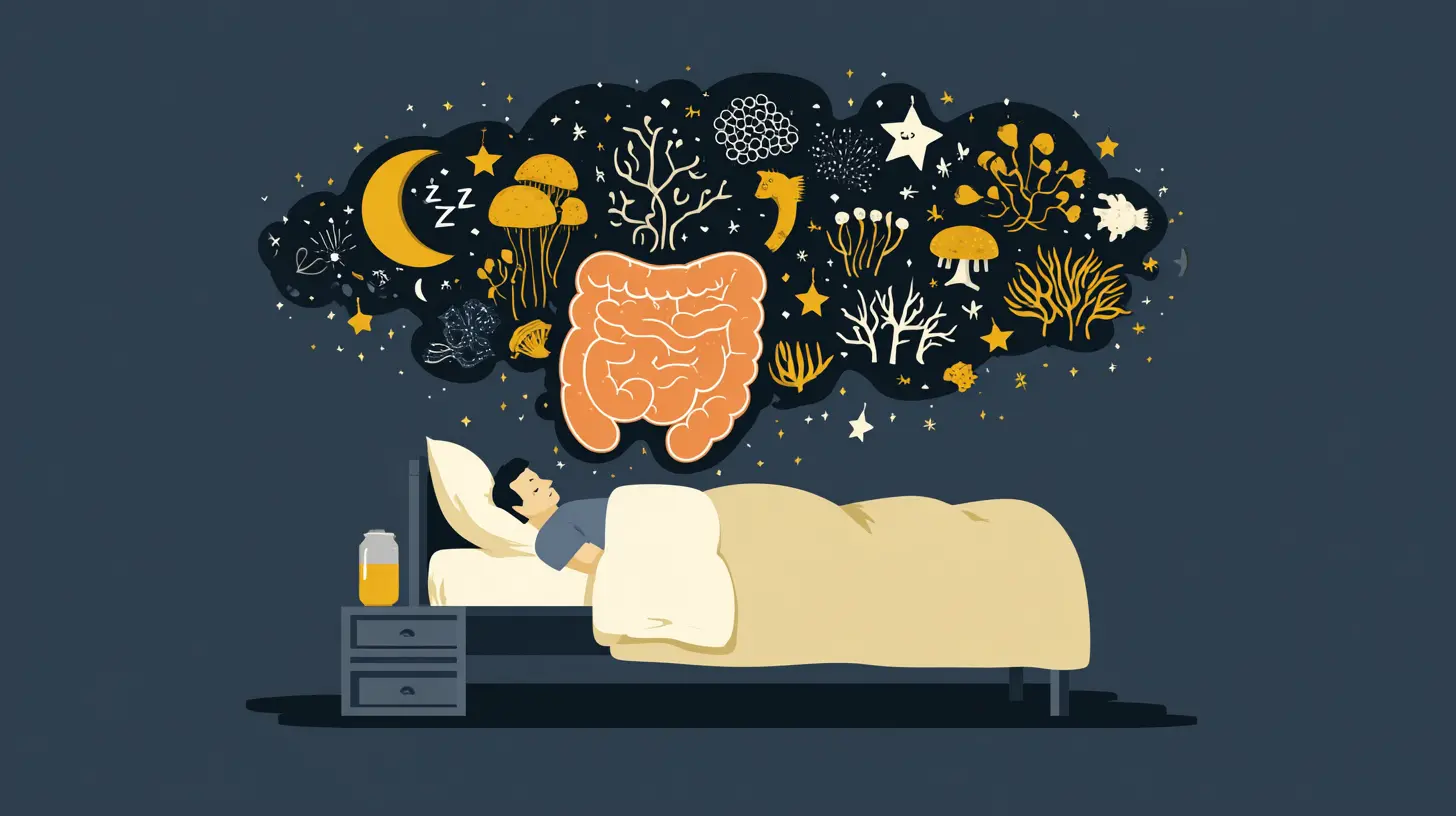
Your gut and brain are constantly communicating through the gut-brain axis—a two-way communication system that connects your digestive tract to your central nervous system. Think of it like a super-fast messaging app that sends signals back and forth between your gut and brain.When your gut is healthy, this communication runs smoothly. But when there's an imbalance in your gut microbiome, it can disrupt the production of key neurotransmitters that regulate sleep, such as serotonin and melatonin.
2. Serotonin and Melatonin: The Sleep Regulators
Ever heard of serotonin? It’s the "feel good" neurotransmitter that also plays a big role in sleep. About 90% of serotonin is produced in the gut, and it's later converted into melatonin, the hormone that signals your body when it's time to sleep.If your gut health is off, it can impact serotonin production, resulting in lower melatonin levels, which can make falling and staying asleep a challenge.
3. Inflammation and Sleep Disruptions
An unhealthy gut often leads to chronic inflammation, which can negatively affect sleep. When inflammation levels are high, your body produces more stress hormones like cortisol, which can interfere with your ability to relax and get quality rest.People with conditions like IBS (Irritable Bowel Syndrome) or leaky gut syndrome often experience poor sleep because their bodies are constantly in a state of inflammation and discomfort.
4. Gut Dysbiosis and Insomnia
Gut dysbiosis—an imbalance in gut bacteria—has been linked to insomnia and other sleep disorders. Some harmful bacteria in the gut can produce toxic compounds that affect brain function and disrupt sleep patterns.On the other hand, beneficial probiotics help regulate stress and anxiety, which can lead to deeper, more restful sleep. So, if you’ve been struggling with insomnia, your gut microbiome might be the culprit.
Signs of an Unhealthy Gut That May Affect Sleep
If you're dealing with sleep troubles and suspect your gut might be involved, here are some signs to look out for:- Digestive issues like bloating, gas, constipation, or diarrhea
- Frequent fatigue despite getting enough sleep
- Mood swings, anxiety, or depression
- Frequent sugar cravings (bad bacteria thrive on sugar!)
- Frequent infections or weakened immunity
If you're experiencing any of these symptoms, it's a sign that your gut microbiome may need some attention.
How to Improve Gut Health for Better Sleep
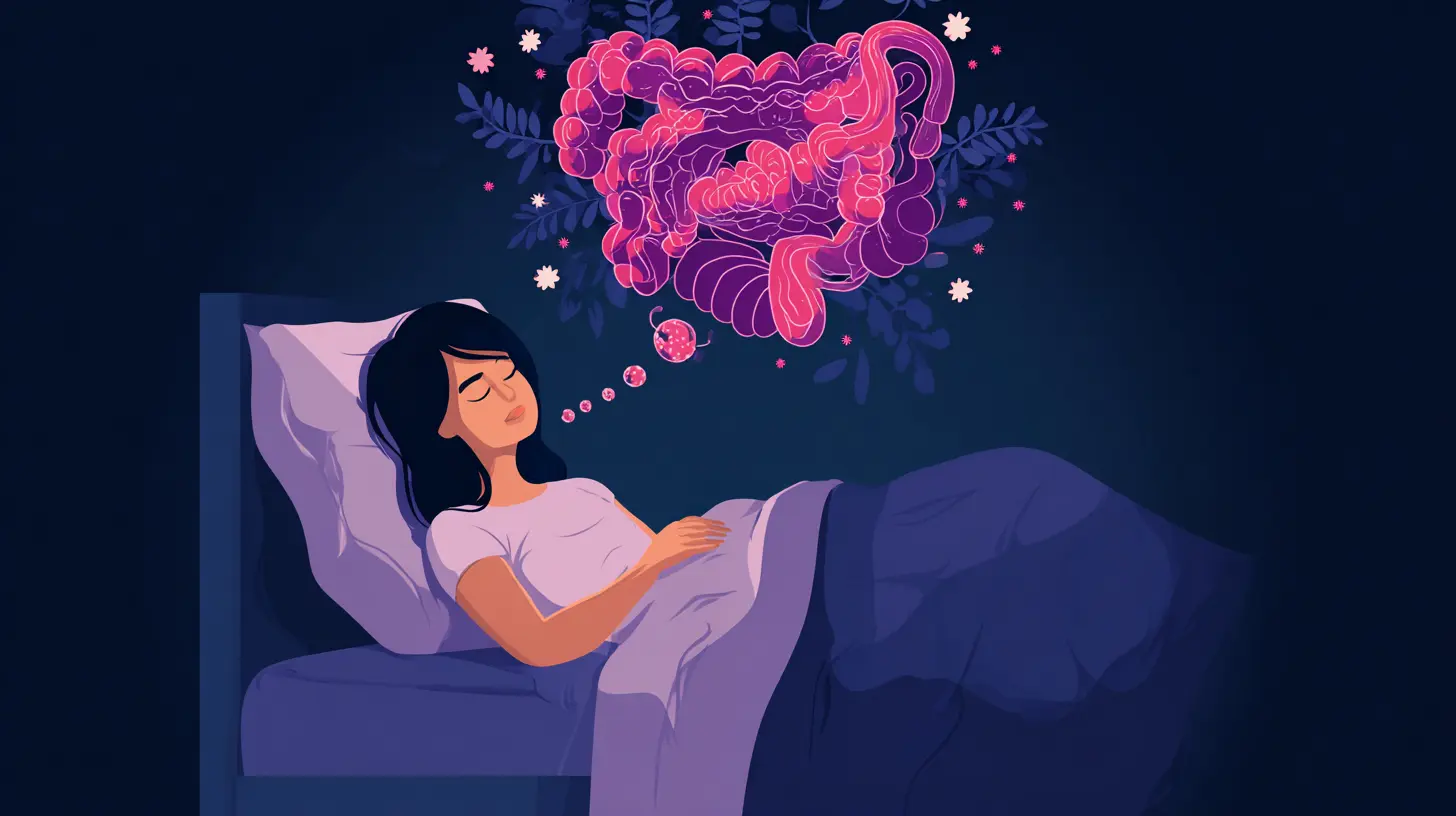
The good news? You can balance your gut health naturally, and in turn, improve your sleep quality. Here’s how:1. Eat More Fiber-Rich Foods
Fiber feeds the good bacteria in your gut, helping them thrive. Load up on:- Fruits (bananas, apples, berries)
- Vegetables (broccoli, spinach, carrots)
- Whole grains (quinoa, oats, brown rice)
- Legumes (lentils, beans, chickpeas)
2. Add Probiotics and Fermented Foods
Probiotics are the beneficial bacteria that keep your gut healthy. You can find them in:- Yogurt
- Sauerkraut
- Kimchi
- Kefir
- Kombucha
Taking a high-quality probiotic supplement can also help restore balance in your gut microbiome.
3. Reduce Sugar and Processed Foods
Too much sugar and processed food can wreak havoc on your gut, feeding harmful bacteria and increasing inflammation. Try to cut back on:- Sugary snacks and drinks
- Fast food
- Artificial sweeteners
- Processed meats
4. Manage Stress Levels
Chronic stress can throw your gut-brain connection off balance, leading to gut issues and poor sleep. Keep stress in check by:- Practicing mindfulness or meditation
- Engaging in deep breathing exercises
- Taking short breaks throughout the day
- Getting regular exercise
5. Stay Hydrated
Water keeps everything moving in your digestive system and helps flush out toxins. Aim for at least 8 glasses a day, and drink herbal teas like chamomile or peppermint to support digestion and relaxation.6. Establish a Healthy Sleep Routine
Good sleep hygiene reinforces the positive effects of a healthy gut. Try:- Going to bed and waking up at the same time every day
- Avoiding screens and blue light before bedtime
- Creating a relaxing bedtime routine (reading, journaling, or light stretching)
- Keeping your bedroom cool and dark
7. Exercise Regularly
Daily movement helps improve digestion and reduces stress. Even a 30-minute walk can make a difference in both gut health and sleep quality. Yoga is also great for promoting relaxation and reducing bloating.Final Thoughts
Your gut and sleep quality are more connected than you might think. An unhealthy gut can lead to poor sleep, and poor sleep can further impact gut health, creating a frustrating cycle. But with simple lifestyle changes—eating better, managing stress, staying hydrated, and sticking to a sleep routine—you can restore balance to your gut and start enjoying restful, rejuvenating sleep.So, if you’ve been struggling with sleepless nights, it’s worth paying attention to what’s going on in your gut. After all, a happy gut means better sleep, and better sleep means a healthier, happier you!
all images in this post were generated using AI tools
Category:
Sleep HealthAuthor:

Tiffany Foster
Discussion
rate this article
2 comments
Uriel Wright
Gut health and sleep quality are like dance partners: when one shines, the other follows. Prioritize your probiotics, and you might just find yourself waltzing into a deeper, more restful slumber.
July 3, 2026 at 2:41 AM
Josie Peterson
The interplay between gut health and sleep quality is crucial; addressing one can significantly enhance the other's effectiveness.
May 21, 2026 at 4:22 AM
Tiffany Foster
Absolutely, focusing on gut health can lead to better sleep, and vice versa. It's a vital cycle that impacts overall well-being.