Tapping into Intuition: Listening to Your Body’s Cues
6 January 2026
Let’s face it—life gets noisy. Notifications buzzing, work piling up, and that constant hustle culture keeps us disconnected from something incredibly powerful: our own bodies.
What if I told you your body knows more than you think? That gut feeling you ignored? The tired eyes you powered through? Or that sudden craving you judged? Yep—those were all your body trying to have a little heart-to-heart with you.
But most of us weren’t taught how to listen. We’re trained to override, to push through, to silence our instincts for the sake of productivity. It’s time to flip the script. Let’s talk about tapping into intuition—learning to recognize, trust, and honor your body’s cues. It's not some woo-woo concept; it’s ancient wisdom wrapped in modern science. And your health hangs in the balance.

We Were All Born Intuitive (But Life Got In The Way)
Think about babies. They cry when they’re hungry. They stop eating when they’re full. They wiggle, giggle, sleep, or shout—depending on what their bodies need. They don’t feel guilty for resting. They don’t overanalyze hunger. They just… respond.Now fast-forward to adulthood. We eat by the clock, not our stomachs. We push ourselves through burnout. We nap only when we’re “allowed.” Somewhere along the ride, intuition got shoved in the backseat—maybe even the trunk.
But here’s the good news: your intuition didn’t disappear. It’s just been drowned out. With practice, you can tune back in.

What Does “Listening to Your Body” Actually Mean?
Let’s break it down. Listening to your body isn’t about being perfect or following some rigid rulebook. It means:- Recognizing physical sensations (hunger, fatigue, pain, tension)
- Understanding emotional reactions (anxiety, joy, irritability)
- Tuning into internal whispers vs. external noise
- Acting in alignment with what your body truly needs
It’s a relationship. A two-way conversation. And like any relationship, it takes time to build trust.

Why Intuition Is More Than Just a “Feeling”
Some people think intuition is just guesswork. But science backs it up—your brain and body are in constant communication.Your gut has over 100 million neurons. Your heart sends signals to your brain. Your nervous system notices subtle changes and reacts before your conscious mind even catches up. That hunch you feel? It’s your body collecting and computing information faster than logic can.
So when your stomach drops before a bad decision, or your skin crawls around certain energy—don’t brush that off. That’s deep biological wisdom speaking up.
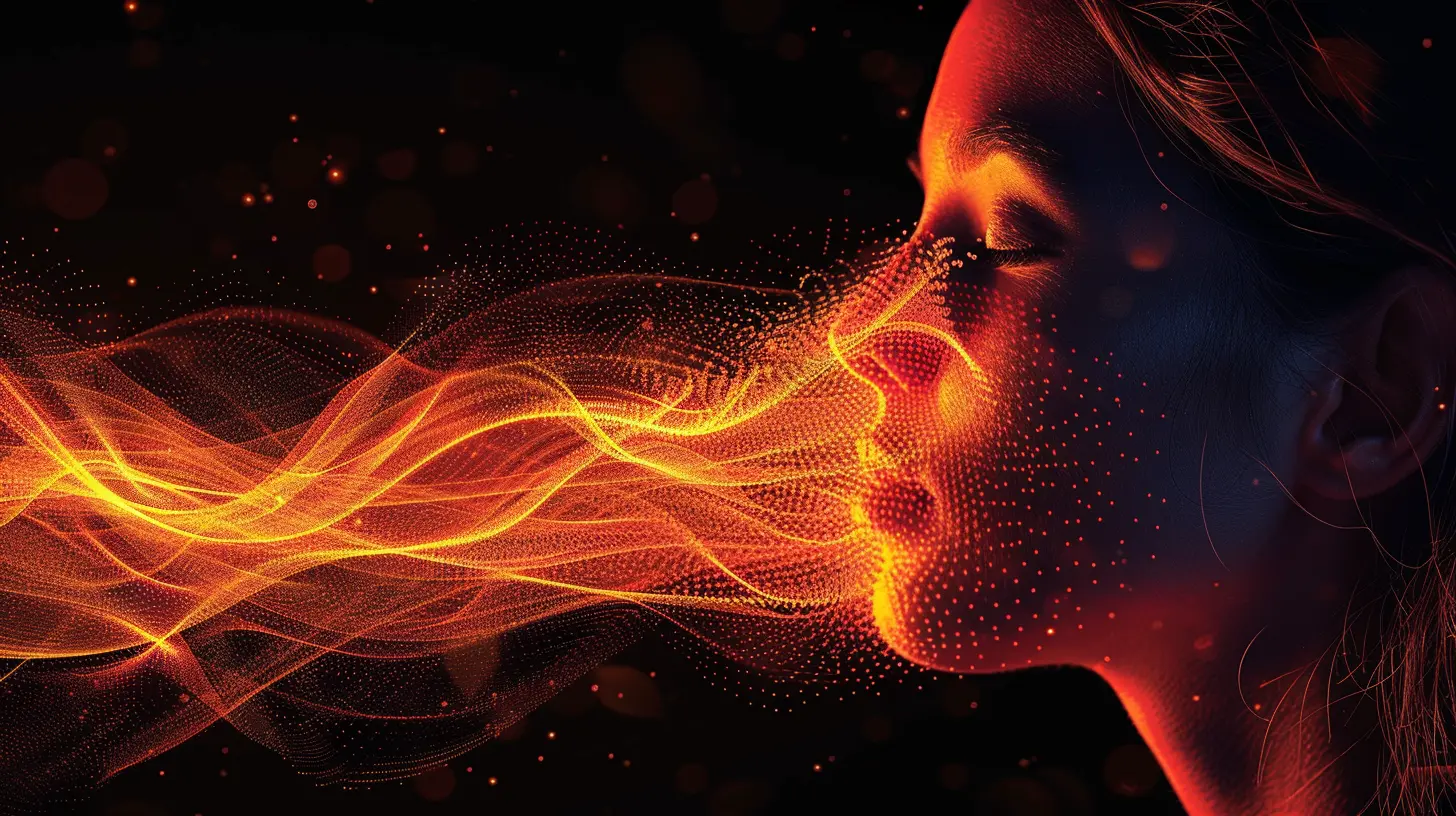
Common Body Cues We Keep Ignoring
We’ve normalized ignoring our body’s SOS signals. Let’s shine a light on some of the cues we typically dismiss:1. Hunger and Fullness
Diet culture turned eating into a math equation. But your body was born with internal cues: ghrelin (the hunger hormone) and leptin (the “I’m full” signal). Ignoring hunger might feel like discipline, but it actually stresses your system long-term. And eating past fullness because “it’s there” can numb natural satiety cues.Try this: Pause mid-meal and ask, “Where am I on the fullness scale from 1 to 10?” Keep it simple.
2. Fatigue and Burnout
Tired isn’t a moral failing. Yet how often do we dismiss feeling drained with a shot of espresso or a pep talk? Chronic fatigue might signal sleep debt, emotional overload, or physiological imbalances.Tip: If your tiredness doesn’t improve with a good night’s sleep, your body may be waving a bigger red flag.
3. Gut Feelings and Discomfort
That twist in your stomach before saying "yes" to a commitment you didn't want? That’s your body waving a caution flag. Physical discomfort often holds emotional roots: tight shoulders can carry stress, and jaw clenching can reflect suppressed anger.Practice noticing these moments instead of steamrolling them.
4. Cravings
We’re trained to distrust cravings like they’re the enemy. But guess what? Cravings are messengers. That chocolate might signal a need for comfort, magnesium, or even a little joy. What really matters is the “why” behind the craving.Ask yourself: Am I hungry? Bored? Deprived? Sad? The answer often holds more wisdom than the food itself.
5. Pain and Inflammation
Pain isn’t the problem—it’s the messenger. That backache after sitting too long? It’s your body crying out for movement. Chronic headaches? They may stem from tension, poor sleep, or dehydration. Listen before it screams louder.Quiet the Noise: How to Reconnect with Your Inner Compass
Okay, so how do we start listening again when the noise of the world is so dang loud? Here’s your roadmap:1. Slow Down
Stillness is the starting point. When you're racing through your day, it's nearly impossible to hear your body whisper. Create moments of pause—whether through meditation, breathwork, or simply sitting in silence for five minutes. Your body starts talking when your mind takes a backseat.2. Practice the Body Scan
Want a quick way to check in? Use a body scan. Close your eyes and mentally scan yourself from head to toe. Where’s the tension? What feels light? What feels heavy? No judgment—just notice.This builds awareness and teaches you to recognize subtleties before they escalate.
3. Keep a Feelings Log
Every time you catch yourself with a physical sensation (tired, hungry, sore), jot it down. What were you doing, thinking, or feeling beforehand?Patterns will emerge. Maybe 3 PM fatigue hits after skipping lunch. Or your headaches flare after socials. Tracking builds intuitive literacy.
4. Use the “YES/NO” Body Game
This one’s fun. Ask a question (like, “Should I take that extra project?”), then close your eyes and pay attention. Does your chest expand or tighten? Do you feel light or heavy? Energized or drained?Your body often gives clearer answers than your overthinking brain.
5. Learn to Differentiate Urges from Intuition
This takes practice. Intuition feels calm, grounded, and steady—even if it’s leading you somewhere uncomfortable. Urges, on the other hand, often come with anxiety, restlessness, or impulsive energy.If you’re unsure: wait. True intuition doesn’t force; it patiently nudges.
Amplify Intuition with the Right Lifestyle Choices
No surprise here—how you treat your body affects how well you can hear it. Here are a few adjustments that make a big difference:Eat Whole, Real Food (Most of the Time)
Processed foods and excess sugar dull your clarity—physically and mentally. Choose foods that feel good in your body, not just your mouth. Balance matters.Move in Ways That Feel Good
Forget rigid routines. Ask yourself, “What kind of movement do I need today?” It might be a run, or it might be dancing in the kitchen. Movement should be medicine, not punishment.Prioritize Sleep Like Your Life Depends on It (Because It Does)
Sleep is when your body recalibrates. No sleep = scrambled signals. Aim for 7–9 hours and honor your rhythms.Limit Toxic Inputs (News, Social Media, Negativity)
What you consume mentally clutters your intuitive channel. You don’t need to disconnect from the world—but you do need boundaries.The Emotional Side of Intuition: Feel It to Heal It
Listening to your body isn’t just about physical cues—it’s also deeply emotional. Emotions live in the body. Suppressed feelings don’t disappear; they marinate in your muscles, your digestion, your immune response.Ever noticed how grief feels like a weight in your chest? Or anxiety pulses through your stomach? Those aren’t metaphors—they’re actual physiological responses.
By allowing yourself to feel fully (yes, even the uncomfortable stuff), you decrease internal resistance. You become more attuned. You get clearer signals.
Feeling is healing.
Trust Takes Time (But You’re Worth It)
You might stumble. You might misinterpret signals. You might eat cake when you needed a nap. That’s okay.Rebuilding trust with your body is like any relationship—it requires curiosity, patience, and compassion. You’re not broken. You’re learning to listen.
Final Thoughts: Intuition Is Your Superpower
We spend so much time looking externally for answers—what to eat, how to live, what to do next—when right under our nose (literally, inside our chest and gut) is a built-in system designed to guide us.Tapping into intuition isn’t about being "better." It’s about coming home. Back to your body. Back to your truth. Back to your own inner knowing.
So the next time you feel that tug, pause. Ask yourself, “What’s my body trying to tell me?”
And then… listen.
all images in this post were generated using AI tools
Category:
Personal GrowthAuthor:

Tiffany Foster
Discussion
rate this article
2 comments
Diana McPhee
Thank you for this insightful article! It’s a beautiful reminder to tune in to our bodies and trust our instincts. Our health truly flourishes when we listen closely.
February 14, 2026 at 5:27 AM
Tiffany Foster
Thank you for your kind words! I'm glad you found the article helpful. Trusting our bodies is essential for our overall well-being.
Alana Klein
Embracing your body’s cues is a powerful journey towards self-discovery and wellness. Trusting your intuition can lead to better health choices and deeper connection with yourself. Remember, every small step you take towards listening to your body is a step towards a healthier, more vibrant life!
January 12, 2026 at 5:03 PM
Tiffany Foster
Thank you for your insightful comment! Embracing our body's cues truly is essential for nurturing our well-being and fostering a deeper connection with ourselves. Every step matters in this transformative journey.