Childhood Constipation: Causes, Prevention, and Remedies
19 February 2026
Picture this: your kiddo has been cranky for days, clutching their tummy like it's a wounded treasure, avoiding the potty like it's a haunted house. Sound familiar? You’re not alone. Childhood constipation is way more common than most parents realize, and though it’s not usually dangerous, boy can it be distressing—for everyone involved.
In this guide, we’re diving into all things poop-related (we know, not the most glamorous topic), but hey, it’s an important one. We’ll break down the causes, how to prevent it, and what you can actually do when your child’s digestive system decides to take a little... vacation.
What Exactly Is Childhood Constipation?
Let’s keep it simple: constipation in children means they’re not pooping as often as they should, or when they do, it's hard, dry, and possibly painful. For most kids, "regular" can vary—some will go once or twice a day, while others skip a day and still feel just fine. But if it’s been more than three days, and your little one is uncomfortable or the stools are tough and painful to pass, it’s time to take action.
Common Causes of Childhood Constipation
Constipation doesn’t just sneak up out of nowhere. There are usually a few culprits at play, and understanding them can help you tackle the problem head-on.🥦 1. Not Enough Fiber
Fiber is basically the broom that sweeps the colon clean. If your kiddo isn’t getting enough fruits, veggies, whole grains, or legumes, their digestive system can slow down faster than a turtle on a lazy Sunday.💧 2. Low Fluid Intake
Think of fiber like soap in the body and water as the rinse. Without enough fluids, fiber can dry up and form mini bricks in the colon instead of soft, passable stool. Not fun.🚽 3. Holding It In
Ever seen a child do the “poop dance”? You know—that little wiggle-leg, squirmy hop that screams, "I need to go but I really don’t want to!" Kids sometimes avoid pooping because they’re too busy playing, don’t like public bathrooms, or had a painful experience that made them scared to go again.🍟 4. Diet Packed With Processed Foods
We get it—chicken nuggets are life. But a diet heavy in processed, low-fiber foods (like crackers, white bread, and sugary snacks) can bog down the system and lead to constipation city.😰 5. Stress or Emotional Changes
Kids are sensitive creatures. Starting school, moving to a new place, or even potty-training can trigger changes in bowel habits. When life feels out of control, their guts sometimes clench up—literally.💊 6. Certain Medications
Some medications (like iron supplements or certain antacids) can be real party-poopers when it comes to regular bowel movements.
Warning Signs to Look Out For
So how does one know if their child’s constipation is serious? Here are a few red flags that shouldn’t be ignored:- Going less than three times a week
- Hard or pebble-like stools
- Pain while pooping or signs of straining
- Blood on the stool or toilet paper
- Belly pain or bloating
- Changes in appetite or irritability
- Skid marks in the underwear (a common sign of stool leakage or overflow)
If any of these symptoms stick around, it’s definitely worth a trip to the pediatrician.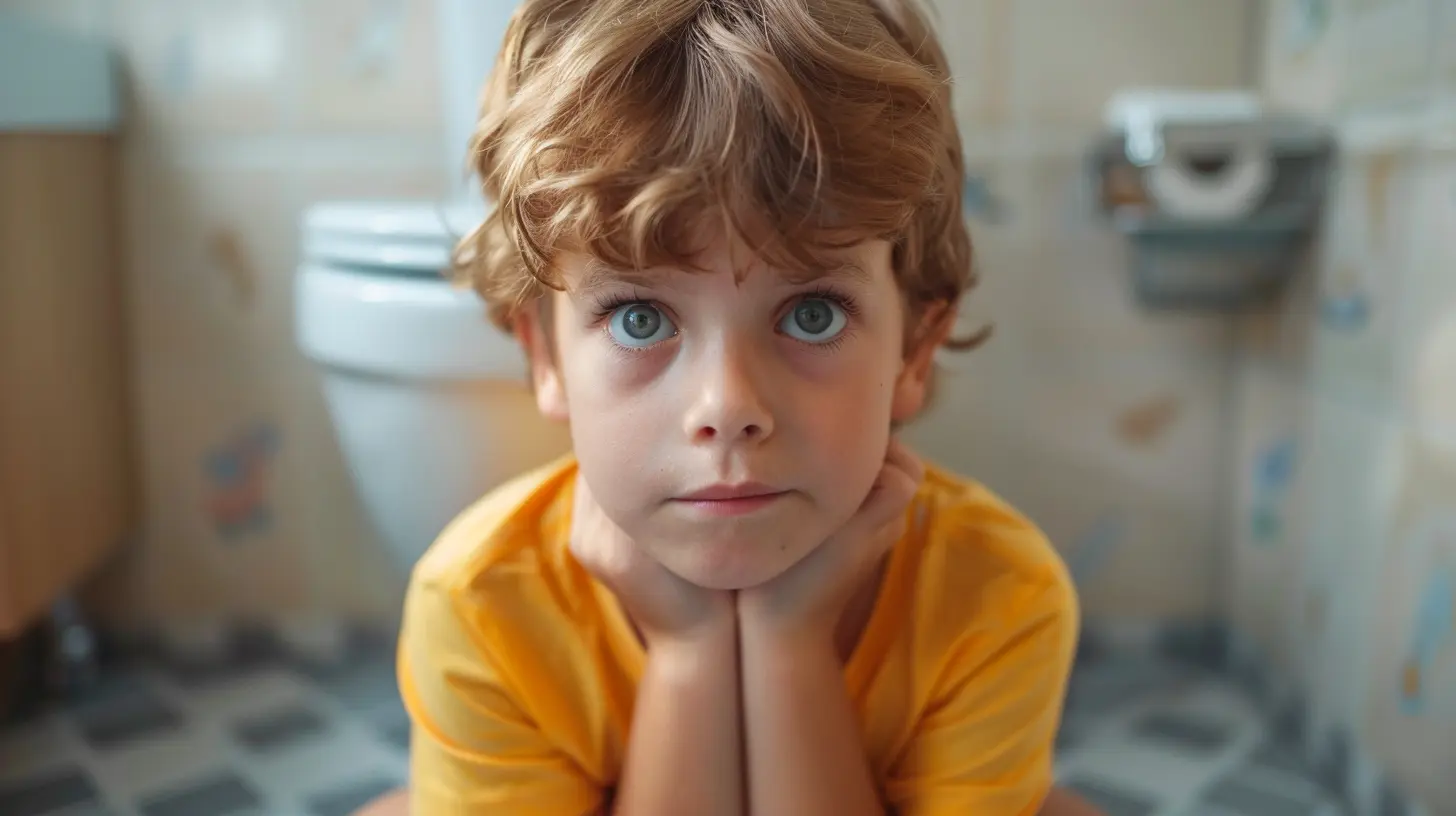
Prevention: Keeping Things Moving Smoothly
The best constipation plan? Stop it before it starts. Here’s how to keep your child’s digestive system humming along like a well-tuned engine.🍓 Up the Fiber Game
Fiber is your child’s digestive BFF. Here’s a quick cheat sheet of fiber-rich goodies to include in their diet:- Apples (with the skin!)
- Pears
- Berries
- Oranges
- Whole grain cereals and breads
- Oatmeal
- Beans and lentils
- Popcorn (if age-appropriate)
A good rule of thumb? Your child needs their age plus five grams of fiber per day (so if they’re 6 years old, aim for 11 grams daily).
💦 Hydrate Like a Pro
Water is the unsung hero of digestion. Encourage your child to drink regularly throughout the day. If they’re not a fan of plain water, try enticing them with fruit-infused water, smoothies, or watering down a splash of juice.Bonus tip: Prune juice is basically nature’s laxative. Just don’t overdo it—start with a small amount and see how things go.
🕒 Schedule Potty Breaks
Kids can forget to poop—really. So create a routine where they sit on the toilet for a few minutes after meals. That’s when the colon naturally gets the message to “go,” thanks to something called the gastrocolic reflex. It’s like digestive magic.🧸 Make the Bathroom A Cozy Spot
If your child is still in that awkward potty-training phase, make the bathroom less scary. Add a step stool so their feet are supported (helps with pushing), play calming music, or read a short book together. Comfort encourages action.🌈 Keep Things Light and Positive
No one wants the bathroom to become a battle zone. Avoid shaming or pressuring your child. Instead, offer praise for sitting on the toilet or trying to go, even if nothing happens.Natural At-Home Remedies That Actually Work
So your child’s already constipated—what now? Don't panic. Here are some gentle and effective ways to get things back on track.🏃♂️ Get Moving
Physical activity gets the intestines moving. Even just 20-30 minutes of dancing, jumping, biking or running around the backyard can do wonders for digestion.🧃 Prune Juice (Mom’s Old Faithful)
Start with a couple of ounces of prune juice mixed with water or apple juice. It's sweet, naturally laxative, and can get those little bowels moving within a few hours.🪑 Try a Squatty Potty-Style Position
Sitting with knees higher than the hips helps align the colon for an easier exit. Use a small footstool to elevate their legs when they’re on the toilet.🧈 Warm Baths
Bet you didn’t expect this one! A warm bath can relax the abdominal muscles and sometimes stimulate a bowel movement. Plus, it’s a comforting way to ease their stress if they’ve been struggling or in pain.🥄 Natural Supplements (With Caution)
There are gentle OTC options like polyethylene glycol (Miralax) or magnesium-based supplements, but always consult your pediatrician before starting. Each kiddo is different, and what works for one might be too strong or too weak for another.When To See a Doctor
Constipation usually clears up with the right diet and small changes, but sometimes you need a little extra help. Check in with your pediatrician if:- There’s ongoing blood in the stool
- Your child refuses to eat or is losing weight
- Home remedies don’t help after a week or so
- They regularly soil themselves (a sign of chronic constipation/encopresis)
- Severe pain or even vomiting is happening
Better safe than sorry, right?
Myth-Busting Time! 💥
Let’s bust a few myths that float around the parenting world like a mystery gas bubble.Myth #1: "Adding more milk will help."
Uh, nope. In fact, too much dairy can make constipation worse for some kids.
Myth #2: "Laxatives are dangerous."
Not necessarily. When used appropriately (and under medical guidance), they can help reset the system without long-term effects.
Myth #3: "They’ll grow out of it."
Sometimes, but if constipation becomes chronic, it can lead to long-term discomfort and even bowel issues. It’s best tackled early.
Final Thoughts: Poop Happens—Let’s Talk About It
Constipation may not be dinner table convo material, but it really should be. Talking openly about potty habits helps kids feel less weird or embarrassed about what’s happening with their bodies.As parents, our job isn’t just to stock up on fiber cereal and prune juice—it’s to create a safe, open space where our children feel comfortable telling us, “Hey, I haven’t pooped in a few days and it kinda hurts.”
So the next time your little one does a happy dance after a successful potty visit, celebrate it! After all, in the world of parenting, sometimes it’s the little (and not-so-little) victories that mean the most.
Frequently Asked Questions (FAQs)
Q: Is constipation a sign of something serious?
Usually, no. Most constipation cases in kids are diet or habit-related. But if it’s chronic or paired with other symptoms, it’s worth investigating further.Q: Can constipation affect my child’s mood?
Absolutely. A backed-up belly can make anyone irritable, tired, and just plain miserable.Q: How long is too long without a bowel movement?
If it’s been more than 3 days without a poop and your child seems uncomfortable, it’s time to take action.all images in this post were generated using AI tools
Category:
Childrens HealthAuthor:

Tiffany Foster
Discussion
rate this article
2 comments
Amanda Warner
Childhood constipation can be a challenging issue for both children and parents. Understanding its causes and implementing preventative measures can make a significant difference. It's essential to foster good digestive habits early on, encouraging a balanced diet and hydration, while remaining patient and supportive during the treatment process.
March 11, 2026 at 5:27 AM
Tiffany Foster
Thank you for your insightful comment! Addressing childhood constipation through education on causes, prevention, and supportive treatment is indeed crucial for both children and parents.
Freya King
Regular fiber intake and hydration are key to preventing childhood constipation. Stay informed for solutions!
February 28, 2026 at 5:49 AM
Tiffany Foster
Thank you for highlighting the importance of fiber and hydration in preventing childhood constipation! Your insights are crucial for promoting healthy habits in children.