The Importance of Family Meals for Childhood Nutrition
7 December 2025
Let’s be real for a minute—between soccer practice, homework meltdowns, and the eternal battle over screen time, gathering the whole family around the dinner table can feel like trying to herd caffeinated squirrels. But despite the chaos, or maybe because of it, family meals matter. A lot. Especially when it comes to your child’s nutrition.
So, grab your plate (and maybe a snack), because we’re diving fork-first into the why and how of family meals, and why they’re basically the unsung superheroes of childhood health.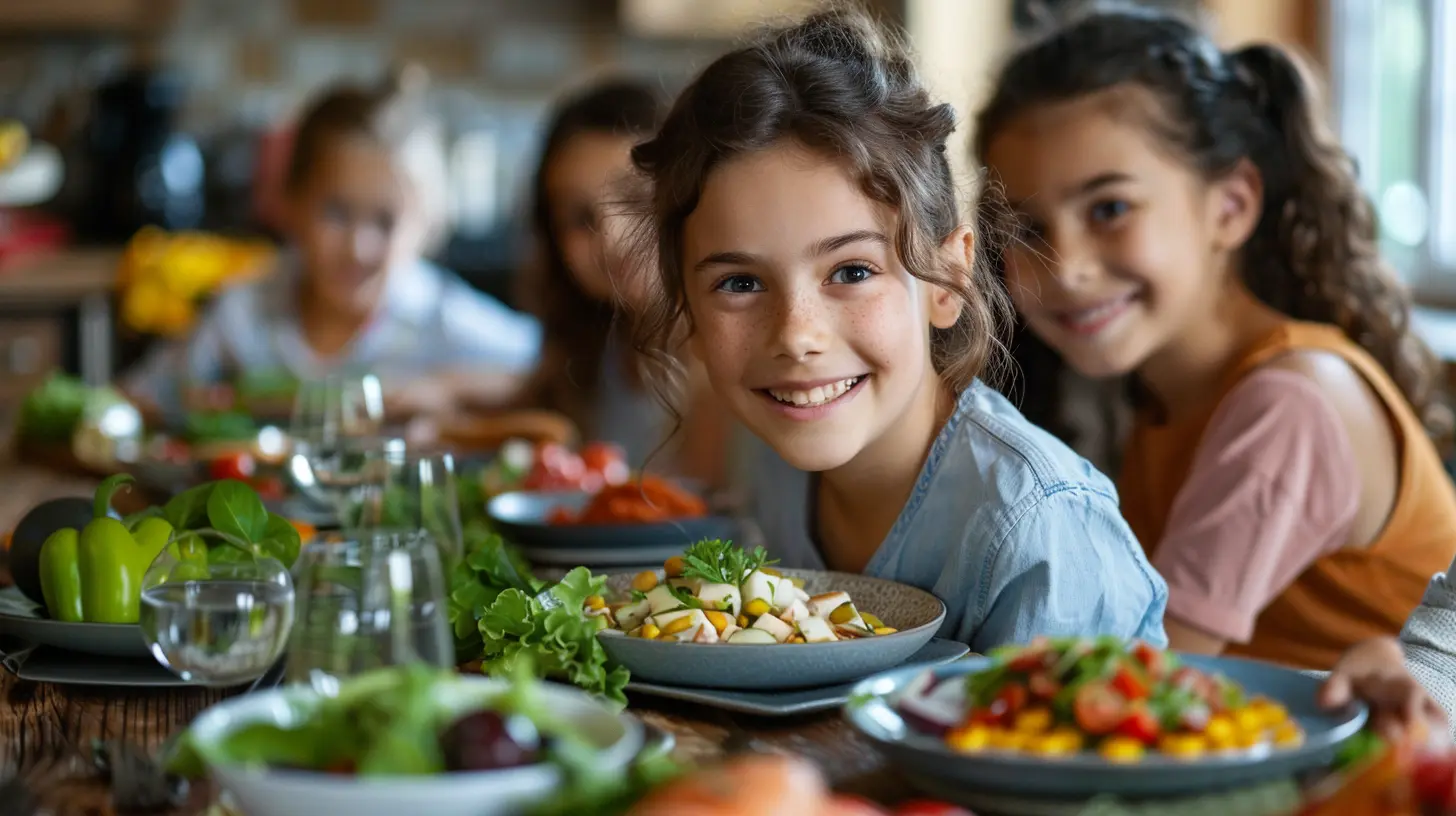
🍽️ Why Family Meals Are a Big Deal
You might think it's just about sharing food, but family meals are about so much more. They’re like the Swiss Army knife of parenting tools—helping with bonding, behavior, language development, AND nutrition. All that, and you don’t even need batteries.Let’s break it down.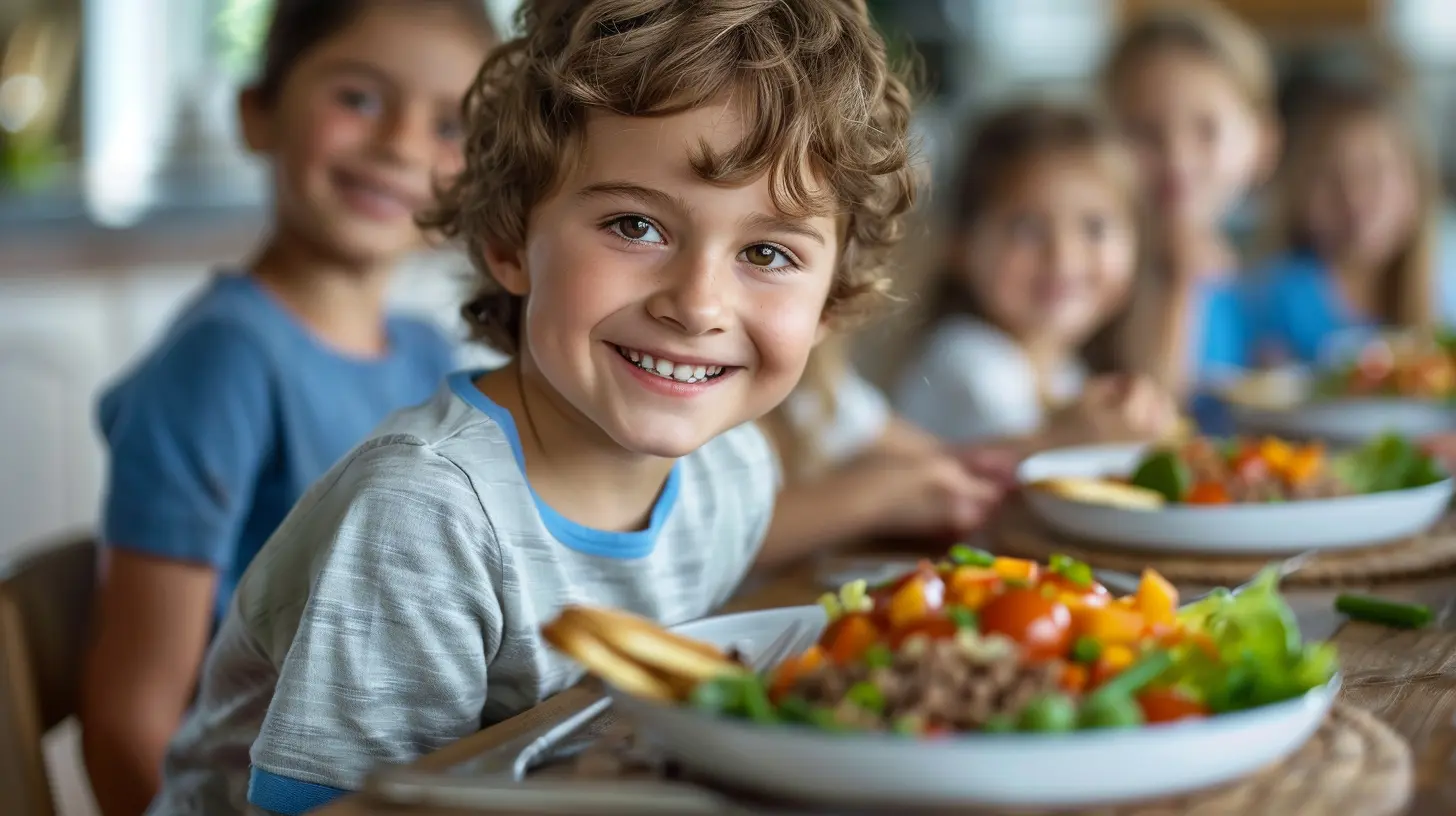
🥦 Nutrition That Sticks
Ever notice how kids are like sponges—soaking up everything from new words to the fact that you sneak bites of cookie dough when you think they’re not looking?Well, mealtime is prime sponge time.
When kids regularly eat with their family, they’re more likely to:
- Eat more fruits and veggies (broccoli suddenly looks cool when Dad’s eating it)
- Consume less processed junk
- Get the right balance of calcium, fiber, protein, and iron
- Develop healthier long-term eating habits
In short, sitting down to eat together gives you a golden ticket to help shape what goes into their bodies—and what sticks as they grow.
👨👩👧👦 Mealtime = Bonding Time
Family meals are about more than the food. They're also a chance to check in, connect, and hear those hilarious school stories that somehow start with, “So then the hamster escaped…”Making time for meals together builds emotional connections. When kids feel safe and heard at the dinner table, they’re more likely to open up—and less likely to seek comfort in a bag of chips later on.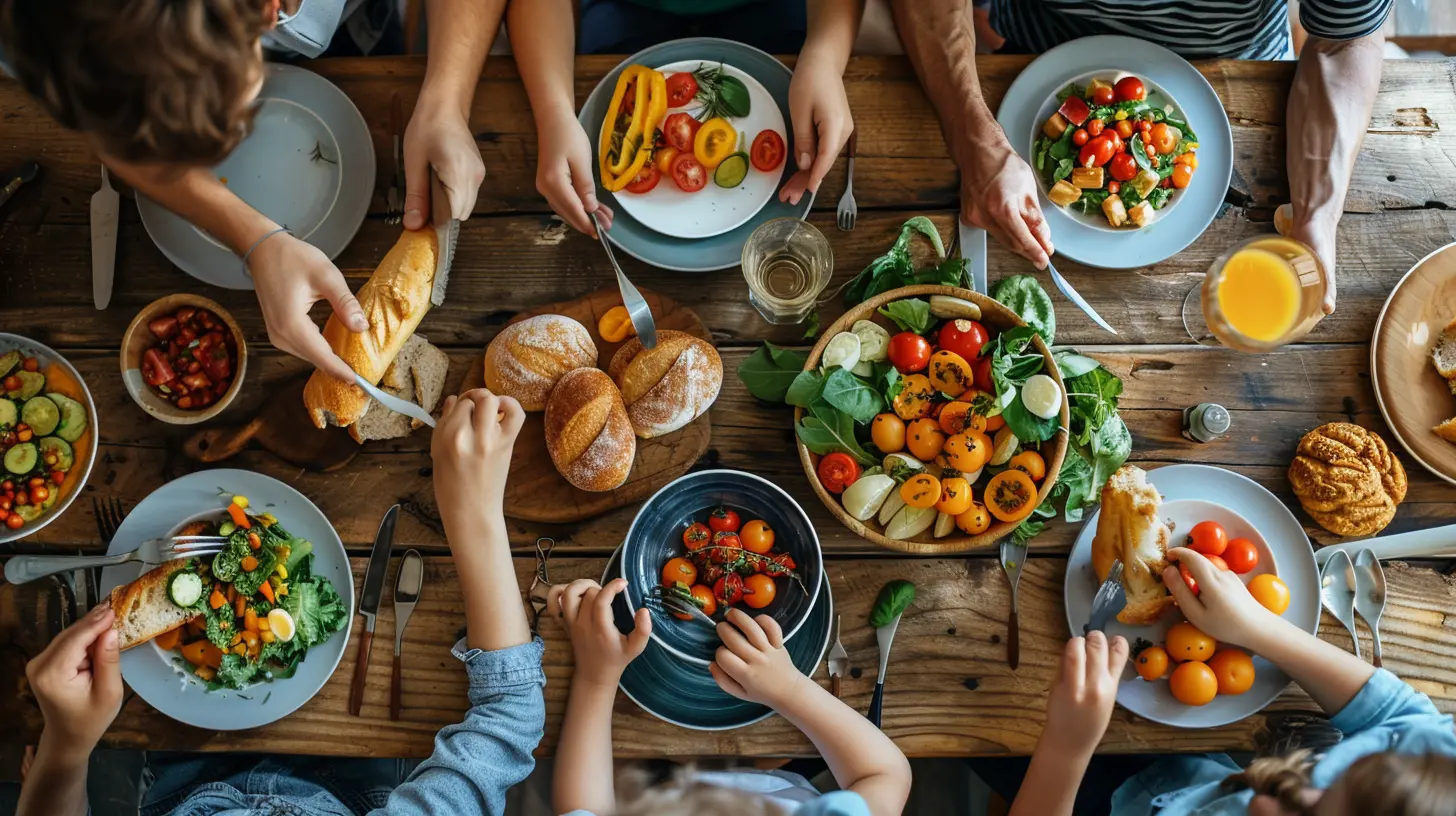
🚫 Say Goodbye to Food Battles
Ever had a toddler who declared war on peas? Yep, we've all been there.But here’s the good news—regular family meals actually reduce picky eating. Why? Because kids learn by example. When they see you munching on carrots like it’s the world’s juiciest snack, they’re more likely to follow suit.
Plus, meals become less about pressure (“Just eat your green beans already!”) and more about enjoyment.
🧠 Boosting Brain Power
Turns out, family meals aren't just good for the stomach—they're brain food, too.Studies show that children who eat with their families have:
- Better language skills (hello, vocab word of the day at the dinner table!)
- Improved academic performance
- Higher self-esteem
- Lower rates of depression and anxiety
So yeah, passing the peas might just help your kids pass their next math test. Who knew?
💬 Conversation Over Calories
Let’s talk about what happens at the table besides, well, eating. The chatter. The jokes. Even the occasional spilled milk drama.These things matter.
Conversation during meals teaches kids how to express themselves, ask questions, and listen. It’s casual learning at its finest. No flashcards required.
Want to boost the benefits? Make it a no-phones zone. Screens kill conversation faster than a soggy grilled cheese.
💡 Tips for Making Family Meals Happen (Without Losing Your Sanity)
Okay, we get it—life is bananas. But don’t sweat it. Family meals don’t have to be five-course gourmet dinners cooked by candlelight while Beethoven plays softly in the background.Here’s how to keep it real:
1. Keep It Simple
A sandwich and fruit count. So does breakfast for dinner. It’s not about Pinterest perfection—it’s about presence.2. Get Everyone Involved
Turn meals into a team sport. Let kids help chop, stir, or set the table. Even toddlers can be tasked with napkin duty (and feel like tiny superheroes).3. Aim for Progress, Not Perfection
If the goal is five family meals a week but you only manage three—guess what? That’s still three big wins for your child’s health.4. Make It Fun
Theme nights. Taco Tuesdays. "Build-your-own" nights. Themed pajamas. Whatever adds some sparkle to the table.5. Stay Flexible
Family meals don’t have to be dinner. Breakfast counts too. Heck, even a late-night snack session qualifies as long as you’re together and talking.🍎 What Should Be On the Plate?
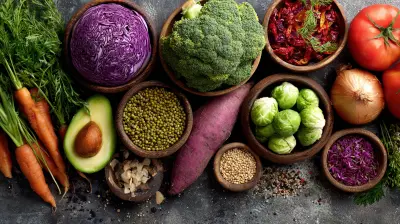
Now, let's talk food. What exactly should kids be eating during these magical family meals?Here are the basics:
- Color, Color, Color: Aim for a rainbow. More colors = more nutrients.
- Lean Proteins: Think chicken, beans, eggs, tofu, or fish. Skip the deep-fried mystery nuggets.
- Whole Grains: Brown rice, whole wheat bread, quinoa—they're not just filler, they're fuel.
- Dairy or Dairy Alternatives: Calcium is key during growing years.
- Healthy Fats: Nuts, seeds, avocado, and olive oil are your friends (no, not fries).
Family meals are the perfect opportunity to introduce a variety of foods. Want to raise an adventurous eater? Give them something new to try—in a no-pressure environment.
📱 But What About Busy Families?
We hear you. Between 9-to-5 jobs, extracurriculars, laundry mountains, and everything else, sitting down together can feel impossible.Here’s a pro tip: Plan ahead.
- Meal prep on weekends
- Batch cook and freeze
- Use a shared calendar to block "family dinner" time
- Make crockpots and sheet pan dinners your BFFs
Even when life feels like a never-ending episode of "Survivor: Parent Edition," a little planning goes a long way.
🧃 Drinks Matter Too!
Quick side-note: don't let sugary drinks crash your mealtime party.Stick with:
- Water
- Milk (dairy or fortified non-dairy)
- 100% fruit juice (in moderation)
Skip the soda, fruit punch, and those deceptive “health” drinks that are basically candy in liquid form.
🍕 Real Talk: What If It’s Pizza Night?
Hey, we’re not judging. Sometimes dinner comes in a box. That’s okay.The key is consistency—not perfection.
So even if it’s takeout, go for balance. Add a simple side salad or microwave some frozen veggies. Boom—instant upgrade.
🧁 Don’t Forget Dessert (In Moderation)
Here’s a sweet truth—having dessert occasionally as part of family meals can actually teach kids moderation.By normalizing treats instead of making them taboo, you're raising kids who won’t grow up hiding candy bars under their pillow (true story, don’t ask).
🧓 It’s Not Just for Little Kids
Guess what? Teens benefit from family meals just as much—if not more.In the whirlwind of hormones and high school chaos, dinner becomes a grounding ritual. Even if you only get a few grunts and eye-rolls, know this: they’re still listening. They’re still learning. And they still need that connection.
🌍 A World of Food, A World of Learning
Family meals are also a beautiful way to teach cultural appreciation. Try foods from different countries. Share family recipes. Talk about grandma’s secret spaghetti sauce (that probably has six different ingredients than anyone remembers).This teaches kids that food isn't just fuel—it's tradition, culture, and love in a bowl.
📊 The Science Backs You Up
In case you’re wondering if this is all just feel-good fluff, nope. Multiple studies show that families who eat together:- Lower their risk of obesity
- Have healthier kids overall
- Reduce the risk of eating disorders
- Raise kids with better social skills
So, this isn’t just a warm-and-fuzzy parenting tip—it’s legit strategy backed by science.
🎯 Final Bite: It’s the Togetherness That Counts
At the end of the day, it’s less about what’s on the table and more about who’s around it.Family meals create a space where kids feel seen, supported, and fed—physically, emotionally, and mentally. They don’t need to be flawless, but they do need to happen.
So whether it’s pancakes at 7 a.m. or leftover spaghetti at 7 p.m., make the time, set the table, and pass the love (and maybe some mashed potatoes).
You've got this.
all images in this post were generated using AI tools
Category:
Childrens HealthAuthor:

Tiffany Foster
Discussion
rate this article
2 comments
Zarek Forbes
Gather ‘round the table! Family meals are like a superhero cape for childhood nutrition—fun and nutritious!
December 27, 2025 at 4:47 AM
Tiffany Foster
Absolutely! Family meals not only nourish the body but also strengthen bonds and create lasting memories.
Nancy Klein
Family meals are vital for healthy childhood nutrition! Wonderful insights!
December 7, 2025 at 5:35 PM
Tiffany Foster
Thank you! I'm glad you found the insights valuable. Family meals truly play a crucial role in children's nutrition and overall well-being.