Why Good Posture Matters in Your Child’s Development
18 June 2026
Good posture is one of those things we often take for granted—until problems start showing up. It’s easy to assume that slouching a little won’t cause much harm. But when it comes to kids, posture plays a massive role in their physical, mental, and emotional development.
So, how does posture affect your child’s growth? And what can you do to help them develop healthier habits? Let’s dive into why good posture matters for children and how it influences their well-being.
What Is Good Posture?
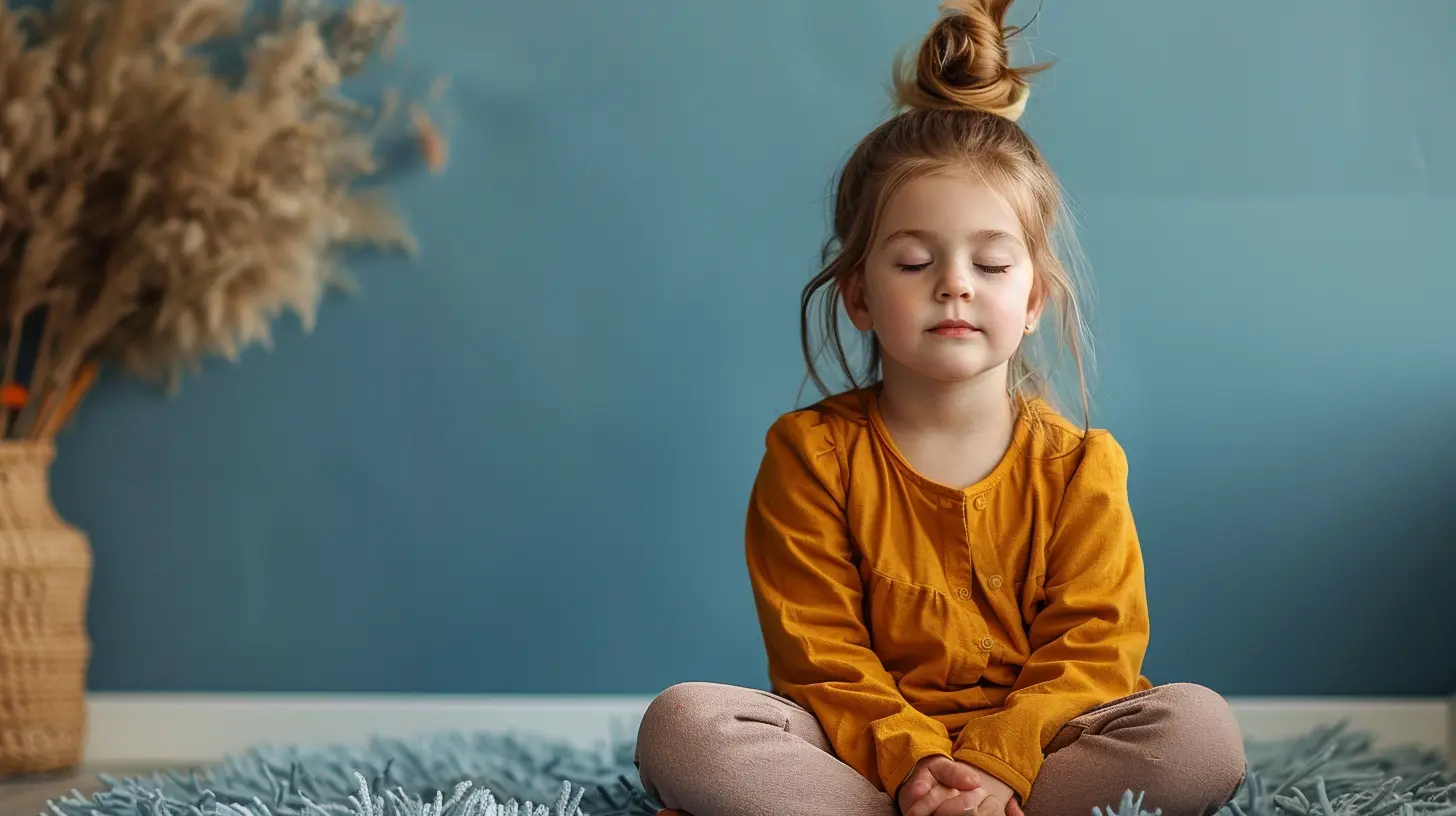
Before we get into why posture matters, let’s define what good posture actually is.Good posture means keeping the spine in proper alignment, whether sitting, standing, or moving. The spine has three natural curves—one at the neck, one in the upper back, and one in the lower back. Proper posture maintains these natural curves without adding unnecessary strain on the muscles and joints.
For kids, good posture looks like:
- Sitting up with their back straight and shoulders relaxed
- Keeping both feet flat on the floor (or a footrest if needed)
- Standing tall with their head aligned with their shoulders and hips
- Walking with an even stride without slouching or leaning forward
While this might seem simple, developing these habits early can make a world of difference in their overall health.

How Poor Posture Affects a Child’s Health
Bad posture isn’t just about appearance—it can have real consequences on a child’s overall well-being. Here’s how:1. Spinal Problems and Chronic Pain
A child’s spine is still developing, and poor posture can lead to long-term issues like scoliosis, kyphosis (a hunched back), and chronic back or neck pain. Constant slouching puts extra strain on the spine, leading to discomfort that may follow them into adulthood.2. Impact on Growth and Development
A misaligned spine affects more than just posture—it can impact the way a child grows. The body adjusts to accommodate poor posture, which can lead to muscle imbalances, joint stress, and even structural issues as they get older.3. Reduced Lung Capacity
Slumping forward compresses the chest and limits lung expansion. This means your child might not be getting enough oxygen, which can lead to fatigue, difficulty concentrating, and lower energy levels throughout the day.4. Negative Effects on Confidence and Mood
Posture isn’t just a physical thing—it affects mental health too. Studies show that kids (and adults) who stand tall and sit upright tend to feel more confident and positive. Poor posture, on the other hand, is often linked to lower self-esteem, increased stress, and even symptoms of anxiety or depression.5. Struggles with Learning and Concentration
Believe it or not, bad posture can make learning harder. When kids slouch, their brains get less oxygen, which can make them feel sleepy, distracted, or sluggish. Proper posture allows for better focus, improving their ability to stay engaged in school and other activities.
Causes of Poor Posture in Children
So, what’s causing posture problems in kids today? Here are some of the main culprits:1. Too Much Screen Time
Between smartphones, tablets, and hours spent on computers, kids are spending more time slouched over screens than ever before. The infamous “tech neck” (caused by looking down at devices) is becoming a widespread issue, even in young children.2. Heavy Backpacks
Carrying an overloaded backpack, especially one that isn’t worn properly, can lead to poor posture and back strain. Kids often compensate for the extra weight by leaning forward, which can lead to misalignment over time.3. Weak Core Muscles
Posture depends heavily on core strength. If a child’s core muscles are weak, they may struggle to sit or stand upright for extended periods, leading to slouching and poor spinal support.4. Poor Sitting Habits
Many children develop bad sitting habits, like sitting cross-legged for long periods or perching on the edge of a chair. These habits can contribute to bad posture and muscle imbalances.5. Lack of Physical Activity
A sedentary lifestyle can weaken muscles and make it harder for kids to maintain good posture. Regular movement is essential for building strong muscles that support a healthy spine.
How to Help Your Child Develop Better Posture
The good news? Bad posture isn’t set in stone, and there are plenty of ways to encourage good habits. Here’s what parents can do:1. Encourage Active Play
Kids need movement! Running, jumping, climbing, and other forms of active play help strengthen the muscles that support good posture. Activities like swimming, yoga, and gymnastics are especially great for building core strength and flexibility.2. Monitor Screen Time
Try to limit the amount of time your child spends hunched over a screen. Encourage regular breaks (the 20-20-20 rule is great—every 20 minutes, have them look at something 20 feet away for 20 seconds). Also, make sure their screens are at eye level to avoid neck strain.3. Teach Proper Sitting Habits
Help your child sit correctly by:- Keeping both feet flat on the floor
- Sitting with their back straight against the chair
- Using a cushion or backrest for support if needed
A well-fitted chair and desk can make a big difference, especially for school-age kids who spend hours studying.
4. Choose the Right Backpack
When shopping for backpacks, look for one with:- Wide, padded straps
- A supportive back panel
- A waist strap to distribute weight
- A size that fits your child properly
Also, make sure your child wears both straps instead of slinging the bag over one shoulder. A backpack should never weigh more than 10-15% of their body weight.
5. Improve Core Strength
Strong core muscles help maintain good posture. Simple exercises like planks, bridges, and sit-ups can go a long way in building strength. Even fun activities like balancing on one foot or playing with a stability ball can help.6. Set a Good Example
Kids learn by watching. If they see you practicing good posture, they’re more likely to follow suit. Make a conscious effort to sit and stand properly, and gently remind them when they start to slouch.7. Encourage Stretching
Stretching helps relieve tension and improve flexibility, making it easier for kids to maintain good posture. Simple stretches for the neck, shoulders, and back can do wonders, especially after a long day of sitting.Final Thoughts
Good posture matters more than you might think. It’s not just about sitting up straight—it’s about giving your child the foundation for a healthy, confident, and active life. By encouraging good habits early on, you’re setting them up for success in more ways than one.So, the next time you notice your child slouching, give them a gentle reminder. Small changes today can lead to big benefits down the road!
all images in this post were generated using AI tools
Category:
Childrens HealthAuthor:

Tiffany Foster
Discussion
rate this article
1 comments
Jocelyn Jimenez
Great article! It's crucial to teach kids about good posture from an early age. It can really influence their overall health and confidence in the long run. Thanks for sharing these insights!
June 20, 2026 at 4:47 AM
Tiffany Foster
Thanks for your feedback! I'm glad you found the insights valuable. Teaching kids about posture really does set a strong foundation for their future health and confidence.