The Role of Sleep in Mental Health: Why You Need Rest to Thrive
29 July 2026
Let’s be honest, when life gets hectic, what’s the first thing we usually sacrifice? Yep, you guessed it — sleep. Whether it's burning the midnight oil for work or scrolling mindlessly through social media till 2AM, most of us are guilty of not getting enough shut-eye. But here's the kicker: sleep isn’t just a luxury; it’s a necessity. And when it comes to your mental well-being, sleep plays a far bigger role than most people think.
So, let’s dive deep into how snoozing impacts your mood, your brain health, and your ability to handle life’s curveballs. By the end, you’ll not only understand why you need rest to thrive, but you'll also have some real, actionable tips to sleep better starting tonight.
What Happens to the Brain When You Sleep?
Before we get into the emotional side of things, we have to talk about what actually goes down in your brain during sleep. It’s not like flipping a switch and everything powers off. Nope, your brain gets busy.During sleep, especially the deep REM (Rapid Eye Movement) stage, your brain sorts and files the info you picked up during the day—kind of like organizing a messy desktop into neat folders. It also clears out toxins, resets your emotional circuits, and basically hits "refresh" on your mood and mental function.
You wake up not just well-rested physically, but mentally sharper and emotionally more stable. Kind of like restarting your phone when it’s lagging—suddenly everything just works better.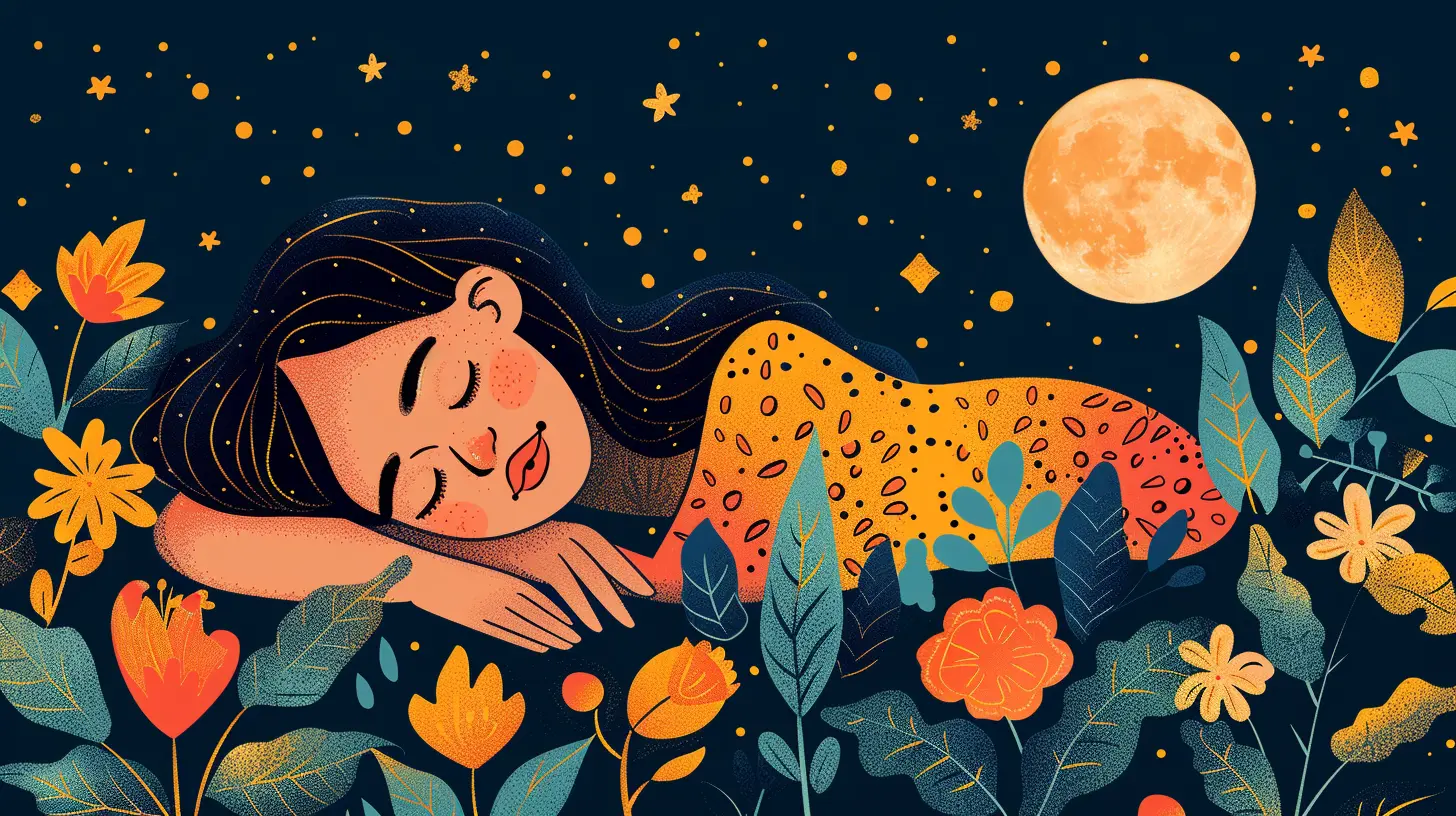
The Connection Between Sleep and Mental Health
Here’s the biggie: sleep and mental health have a two-way street relationship. Lack of sleep can mess with your mood, and mental health issues can, in turn, mess with your sleep. It’s a vicious cycle, and one that can spiral fast if left unchecked.1. Sleep Deprivation Increases Anxiety and Depression
Ever had one of those nights where you toss and turn and wake up feeling like the world is crashing down? Yeah, you’re not alone. Studies show that people who don’t get enough sleep are more likely to experience symptoms of anxiety and depression.Even just one bad night can make you feel irritable, moody, or overwhelmed. Now multiply that by several nights — that’s a mental health storm brewing.
2. Poor Sleep Amplifies Emotional Reactions
Sleep-deprived brains go into overdrive, especially the amygdala — the part responsible for reacting to threats. Without enough sleep, your brain essentially forgets how to regulate emotions. That’s why minor annoyances feel like major crises after a bad night’s sleep.Think of your emotional resilience as your phone battery. With regular, quality sleep, it's fully charged. Without it? You’re running on 10% and everything feels harder.
3. Sleep and Stress — The Unhappy Couple
Long days, tight deadlines, emotional rollercoasters — stress is part of adulting. But if you’re not sleeping well, your body can’t produce enough of the hormones that regulate stress, like cortisol and serotonin. That means you stay stuck in fight-or-flight mode, even when the danger is just an inbox full of unread emails.
How Much Sleep Do You Actually Need?
The magic number varies depending on your age and lifestyle, but for most adults, 7 to 9 hours each night is the sweet spot. It’s not just about quantity either — quality matters. You could technically lie in bed for 8 hours, but if you're waking up every hour or tossing and turning all night, it’s not doing you much good.Signs you’re not getting enough restorative sleep?
- You wake up tired even after a full night
- You find it hard to focus or remember things
- You're moodier or more emotional than usual
- You find yourself nodding off during the day
Sound familiar? Then it’s time to prioritize sleep like your sanity depends on it — because it kinda does.
The Long-Term Effects of Poor Sleep on Mental Health
Let’s be real — skipping sleep here and there won't break you. But if it becomes a pattern? You’re looking at some serious long-term damage to your mental and even physical health.Cognitive Decline
Ever walked into a room and forgot why you went there? Multiply that foggy brain by 100 and that’s what long-term sleep deprivation can do. It increases the risk of memory problems and even degenerative diseases like Alzheimer’s.Decreased Coping Skills
When you’re tired, everything feels like a mountain. Small setbacks become overwhelming, and your ability to cope goes out the window. Over time, this decreases your resilience and ability to manage life’s ups and downs effectively.Increased Risk of Mental Illness
People with chronic sleep issues have a higher risk of developing mental health disorders — including depression, anxiety disorders, bipolar disorder, and schizophrenia. In fact, insomnia is often one of the first signs of serious mental health issues.Tips for Getting Better Sleep (and Boosting Your Mental Health)
Okay, now that we know just how crucial sleep is, let’s talk solutions. You don’t have to overhaul your whole life — sometimes a few small tweaks can add up to big results.1. Stick to a Schedule
Your body has a natural rhythm called the circadian clock. Mess with it too much and your sleep suffers. Try to go to bed and wake up at the same time every day, even on weekends. Your brain will thank you.2. Ditch the Screens at Night
We get it — TikTok is addictive. But the blue light from your phone or laptop messes with your melatonin levels (that’s the sleepy hormone). Aim to power down electronics at least an hour before bed.3. Create a Sleep Sanctuary
Your bedroom should be your calm, quiet oasis. Keep it cool, dark, and quiet. Consider blackout curtains, a white noise machine, or even just a comfy pillow. Small upgrades can make a big difference.4. Don’t Use Your Bed as a Home Office
This one's huge. When you associate your bed with all-day activities like working, eating, or binge-watching, your brain no longer sees it as a place for sleep. Keep your bed sacred — for sleep and... well, you know.5. Watch What You Eat (and Drink)
Caffeine too late in the day? That's sleep sabotage. Heavy meals right before bed? That’s going to keep you awake. Try to finish eating at least two to three hours before bedtime, and go easy on the coffee after 2PM.The Role of Naps
Let’s talk about naps for a sec. While naps aren’t a substitute for a full night’s sleep, they can be a solid tool for boosting mood and energy if used wisely.- Keep them short — 20-30 minutes is ideal
- Don’t nap too late in the day
- Use them strategically (big meeting in the afternoon? Squeeze in a power nap beforehand)
Think of naps as mini-reset buttons — not a replacement for real sleep but a helpful bonus.
When to Seek Help
If you’ve tried everything and still can’t sleep, or your lack of sleep is messing with your mental health big time, it might be time to talk to a doctor or therapist. Sleep disorders like insomnia or sleep apnea are real medical conditions and they need proper treatment.Also, don't underestimate therapy. Cognitive Behavioral Therapy for Insomnia (CBT-I) is one of the most effective treatments out there — and it's drug-free!
Final Thoughts: Sleep Is Self-Care
In a world that glorifies the grind and tells you to “sleep when you're dead,” choosing rest can feel almost rebellious. But the truth is, sleep is one of the most powerful tools you have to protect your mental health. It’s not lazy; it’s smart.So the next time you're tempted to stay up to finish one more episode or tackle one last to-do, remember: Rest is productive. Rest is healing. Rest is essential.
Your brain, your mood, your emotional stability — they’re all at the mercy of how well you sleep. Don’t treat it like an afterthought. Treat it like the mental health superpower it truly is.
all images in this post were generated using AI tools
Category:
Healthy MindAuthor:

Tiffany Foster