The Science Behind Heart Palpitations
27 January 2026
Have you ever felt your heart suddenly skip a beat, flutter, or pound like a drum in your chest? That unsettling sensation—often leaving you wondering if something is seriously wrong—is what we call heart palpitations. But what exactly causes them? Are they a sign of an underlying issue, or just an overreaction from your body?
Buckle up, because we’re diving deep into the mysterious world of heart palpitations, uncovering the science behind them, common triggers, and when you should truly be concerned.
What Are Heart Palpitations?
Heart palpitations are those unexpected, often uncomfortable sensations of an irregular heartbeat. You might feel your heart racing, skipping beats, or even giving a strong thump. Sometimes, they last only a few seconds, while other times, they persist longer, making you wonder if your heart has decided to dance to its own beat.How Do They Feel?
People describe heart palpitations in different ways, but here are some common sensations:- A rapid heartbeat (tachycardia)
- A slow heartbeat (bradycardia)
- Fluttering or flopping in the chest
- Pounding or forceful heartbeats
- A feeling like your heart “skipped” a beat
But what actually causes this strange phenomenon? Let’s break it down scientifically.
The Science Behind Heart Palpitations
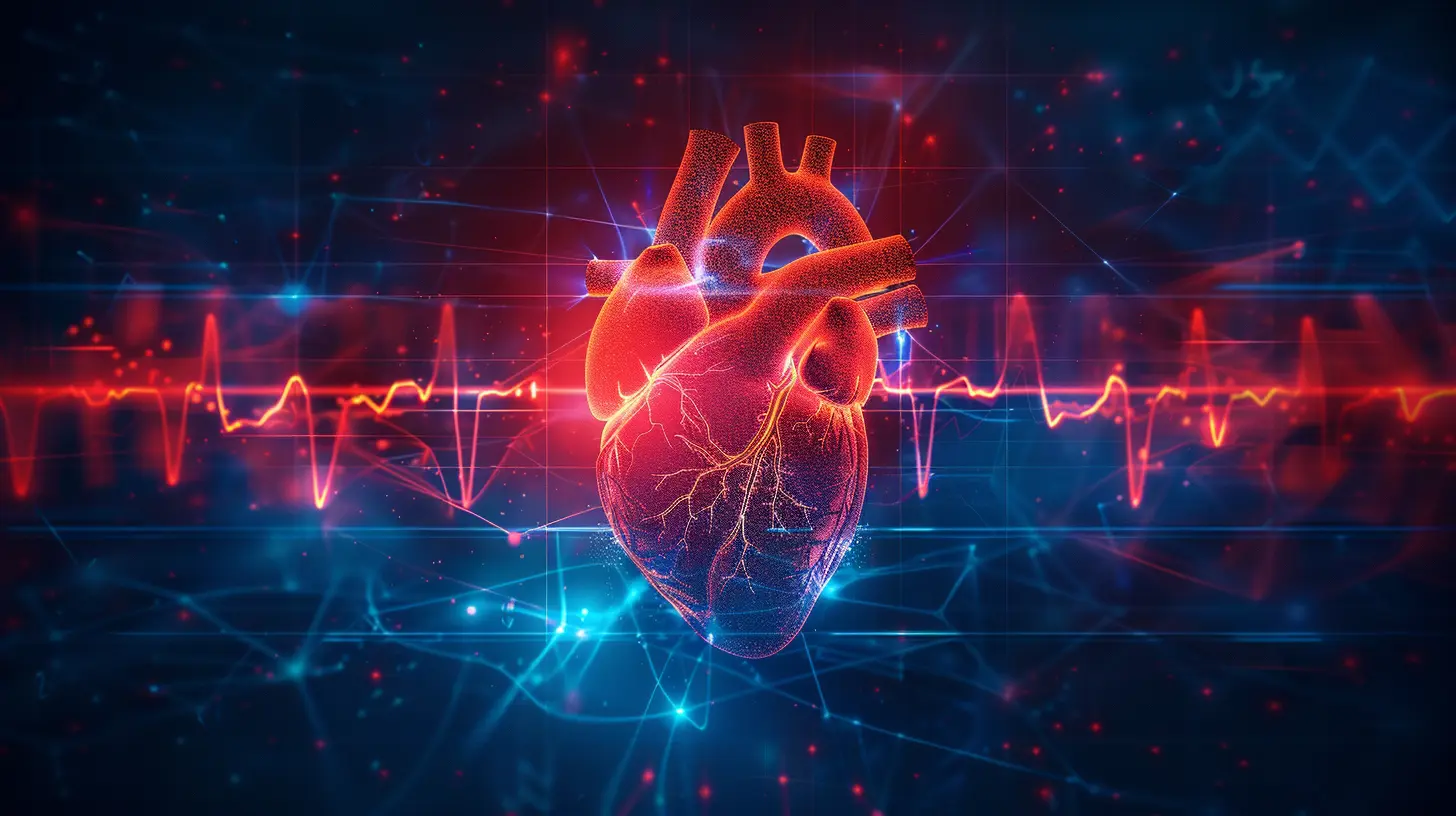
At the core of every heartbeat is an electrical system keeping your heart in rhythm. When that electrical signaling goes even slightly off-track, palpitations can occur. The heart’s electrical system consists of the sinoatrial (SA) node, which acts as the body's natural pacemaker. If this system gets disrupted, your heart might start behaving unpredictably.The Role of the Autonomic Nervous System
Your autonomic nervous system (ANS) plays a huge role in controlling your heart rate. The ANS has two main branches:1. Sympathetic Nervous System (“Fight-or-Flight” Mode) – Speeds up your heart when you're stressed or excited.
2. Parasympathetic Nervous System (“Rest-and-Digest” Mode) – Slows your heart rate down when you're relaxed.
When the balance between these two systems shifts—due to stress, anxiety, or stimulants—your heart might react with rapid or irregular beats.
Hormones and Their Influence
Hormones can also be major culprits behind heart palpitations. Adrenaline, for example, surges during times of excitement, fear, or stress, causing your heart to race. Similarly, thyroid hormones regulate your metabolism and heart rate—too much thyroid activity (hyperthyroidism) can lead to palpitations, while too little (hypothyroidism) might cause a sluggish heartbeat.
Common Triggers of Heart Palpitations
Palpitations often come out of nowhere, but they usually have a trigger. Here are some of the most common causes:1. Stress and Anxiety
Ever noticed how your heart pounds uncontrollably during a stressful situation? Anxiety floods your body with adrenaline, making your heart beat faster than usual. Even panic attacks can mimic heart palpitations, sometimes leading people to believe they’re having a heart attack.2. Caffeine and Stimulants
That morning coffee (or energy drink) might be doing more than just waking you up. Caffeine is a known stimulant that can rev up your heart rate, especially if consumed in excessive amounts. Other stimulants like nicotine and certain medications (such as decongestants) can also contribute to heart palpitations.3. Dehydration and Electrolyte Imbalance
Your heart relies on electrolytes—like potassium, magnesium, and calcium—to maintain a steady rhythm. If you’re dehydrated or low on electrolytes, your heart may start misfiring signals, triggering palpitations.4. Exercise and Physical Exertion
Ever feel your heart pounding out of your chest during an intense workout? That’s because exercise increases adrenaline levels, pushing your heart to beat harder and faster. While this is usually normal, for some people, it can lead to palpitations, especially if they have an underlying heart condition.5. Certain Medical Conditions
Heart palpitations can sometimes be a symptom of an underlying health issue, such as:- Hyperthyroidism (Overactive thyroid)
- Anemia (Low red blood cell count)
- Arrhythmias (Irregular heart rhythms)
- Low Blood Sugar (Hypoglycemia)
- Heart disease or heart valve disorders
If your palpitations are frequent, persistent, or accompanied by dizziness, chest pain, or shortness of breath, you should definitely consult a doctor.
When Should You Worry About Heart Palpitations?
Most of the time, palpitations are harmless and vanish on their own. However, some signs signal a more serious issue. Seek immediate medical attention if you experience:🚨 Red Flags to Watch Out For
- Chest pain or discomfort- Shortness of breath
- Fainting or dizziness
- A history of heart disease
- Fast, irregular heartbeat that doesn’t go away
In rare cases, palpitations could indicate a dangerous arrhythmia that requires medical intervention. It’s always better to be safe than sorry.
How to Prevent and Manage Heart Palpitations
While palpitations can be unsettling, the good news is that you can minimize them by making a few lifestyle adjustments.✅ Tips to Keep Your Heart Calm
1. Manage Stress – Meditation, deep breathing, and yoga can help keep stress levels in check.2. Cut Back on Stimulants – Reduce caffeine, alcohol, and nicotine intake.
3. Stay Hydrated – Drink plenty of water and replenish electrolytes to keep your heart functioning properly.
4. Get Enough Sleep – Sleep deprivation can mess with your heart rhythm, so aim for 7-9 hours of quality sleep per night.
5. Exercise Regularly – Regular physical activity strengthens your heart, but don’t overdo it.
6. Eat a Balanced Diet – Incorporate heart-healthy foods like leafy greens, nuts, fish, and whole grains.
7. Monitor Your Heart – If you frequently experience palpitations, keeping a symptom diary can help your doctor identify patterns and potential triggers.
The Bottom Line
Heart palpitations can be unsettling, but they’re usually not a cause for alarm. More often than not, they’re triggered by stress, caffeine, or other lifestyle factors. However, if they come with chest pain, dizziness, or other serious symptoms, it’s crucial to seek medical help.Your heart is your body’s engine—treat it well, and it’ll keep running smoothly. So next time your heart skips a beat, take a deep breath, stay calm, and listen to what your body is telling you.
all images in this post were generated using AI tools
Category:
Healthy HeartAuthor:

Tiffany Foster
Discussion
rate this article
2 comments
Mallory Price
Heart's way of singing, maybe?
March 6, 2026 at 3:35 PM
Tiffany Foster
That's a poetic way to put it! Heart palpitations can indeed feel like a unique rhythm of their own.
Kaleb Harris
Heart palpitations: when your ticker decides to audition for a drum solo! Just remember, unless it’s tapping out a love song, it's best to keep your cardiology playlist handy. Stay calm and let your heart dance on!
January 29, 2026 at 4:25 AM
Tiffany Foster
Thanks for the fun comment! Staying calm is key, and understanding the science behind palpitations can definitely help keep that heart in tune.