The Role of Gratitude in Holistic Well-being
10 February 2026
Have you ever felt an overwhelming sense of peace just by saying “thank you”? Like the world felt lighter for a moment? That, my friend, is the quiet magic of gratitude—and it’s so much more than good manners or polite gestures. Gratitude is a powerhouse emotion, a spiritual vitamin that nourishes your soul, mind, and body. Yep, it’s that deep.
Welcome to a journey that dives into the role of gratitude in holistic well-being. This isn’t about writing a thank-you note because your mom told you to. We’re talking about real, lasting transformation—something that reverberates through your body like a song, calming your nerves, soothing your spirit, and reconnecting you to the present moment.
Let’s dig in, shall we?
What Is Holistic Well-being, Anyway?
Before we dive into the juicy role of gratitude, let’s first get on the same page about holistic well-being.Holistic well-being doesn’t just mean “not sick.” It’s not about hitting the gym five days a week or eating kale smoothies (though hey, nothing wrong with those!). It’s about harmony—a balanced connection between mind, body, spirit, and emotions. Imagine your life as an orchestra. When each instrument (your physical, emotional, mental, and spiritual health) is tuned and playing in sync, life feels like a symphony. Off-key? Cue the stress, burnout, and restlessness.
Put simply, holistic wellness is an inside-out job.
Gratitude: The Unsuspecting Superpower
Gratitude isn’t flashy. It doesn’t wear a cape. But oh, it’s powerful.It’s the act of recognizing the good, yes—even in the messy parts. It’s choosing to focus on the light, even if there’s a storm brewing. Gratitude shifts your gaze from what you're missing to what you already have. Sound simple? Sure. But the impact? Immense.
Studies have shown that people who regularly practice gratitude:
- Sleep better
- Experience less anxiety and depression
- Have stronger immune systems
- Enjoy better relationships
- Are more resilient during hard times
That’s no coincidence. That’s the ripple of gratitude reshaping your entire existence.
Gratitude and the Mind: Healing Through Appreciation
Let’s start with the mind.Your brain is like Velcro for negativity and Teflon for positivity. Ever notice how one bad comment can ruin your whole day, but ten compliments just bounce off? That’s your brain’s negativity bias, a leftover survival trait. Gratitude rewires that.
When you consciously practice gratitude—whether through journaling, meditative reflection, or simply saying “thank you” out loud—you light up areas in your brain associated with dopamine and serotonin. These are your feel-good chemicals, your built-in happy pills.
It’s like giving your brain a mental massage.
But here’s where things get wild: the more you practice gratitude, the easier it becomes. Your brain creates new neural pathways, making it second nature to focus on the good. You’re literally training your brain for happiness, and over time, it reduces stress and improves cognitive function.
So, next time your thoughts start spiraling, pause and ask yourself: What can I be grateful for right now?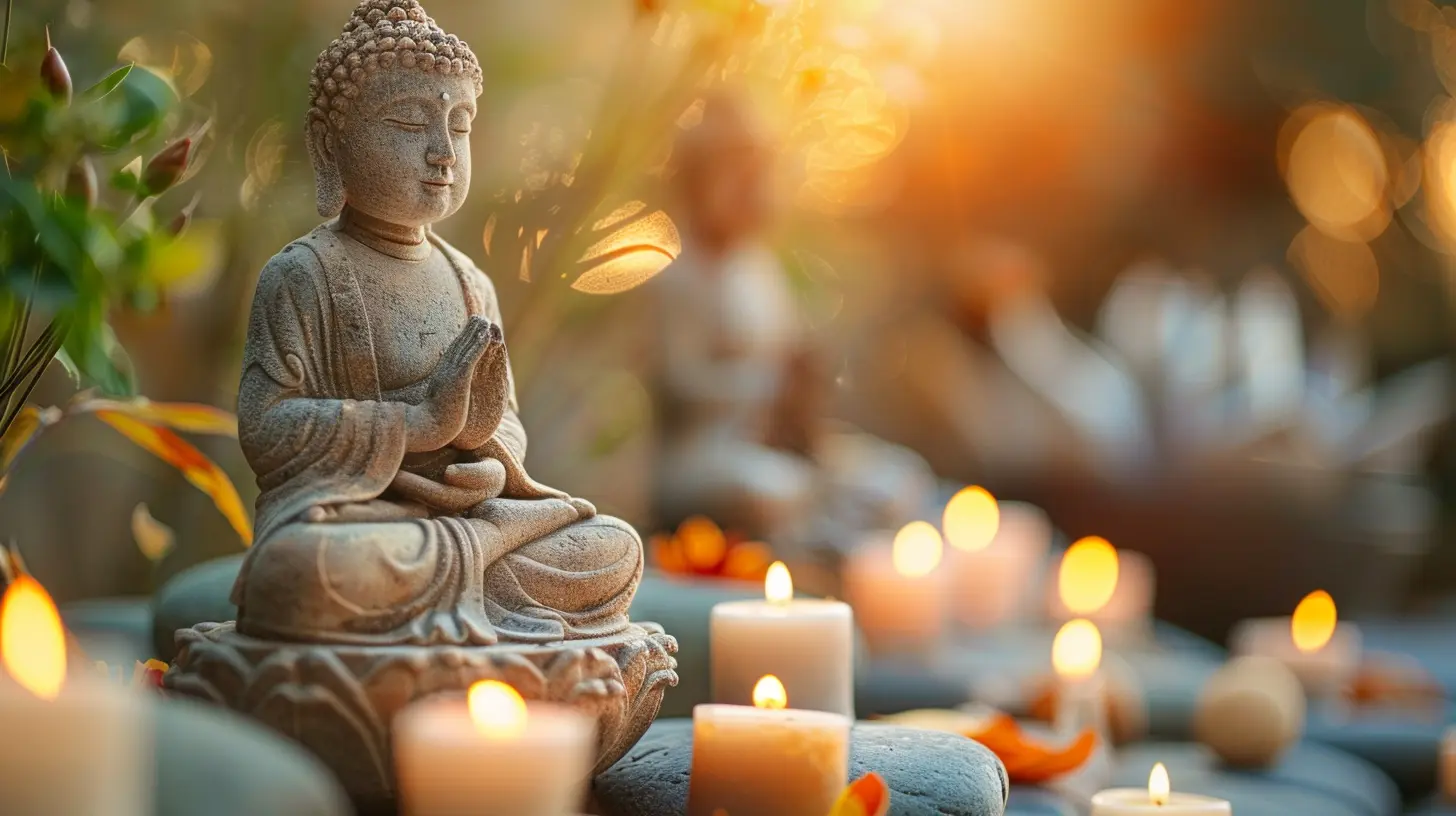
The Emotional Armor: Gratitude Builds Resilience
Life isn’t always smooth sailing. Storms will come. But gratitude? It’s the anchor.When gratitude becomes a habit, it shifts how you deal with pain, loss, and hardship. Rather than getting crushed under the weight of challenges, grateful people are more likely to find a silver lining. They’re not delusional—they’re deliberate. They understand that even in the darkest moments, there’s something—no matter how small—worth holding onto.
Gratitude gives you emotional elasticity. It’s like a trampoline: you might fall, but you bounce back quicker.
Think of it like this: pain digs the well, but gratitude fills it with water, so when you’re thirsty for hope, you’ve got something waiting for you.
Physical Health: It’s Not Just in Your Head
Okay, let’s bring it down to the body. Can gratitude really make you physically healthier? You bet it can.People who embrace gratitude report fewer aches and pains. They sleep more soundly. They’re more likely to exercise and take care of themselves. Why? Because when you’re grateful for your body, you stop working against it and start working with it.
Think about it: would you neglect something you appreciate?
Gratitude also reduces stress hormones like cortisol, and lower stress equals lower blood pressure, better digestion, and a stronger immune response. It’s like your body breathes a sigh of relief every time you say “thank you.”
So, that gratitude journal? It might be doing more for your heart health than you think.
Relationships Rooted in Gratitude
Let’s talk about connection.Gratitude is relational glue—it strengthens bonds, deepens intimacy, and fosters trust. When you express appreciation to your partner, your friends, your kids, even the barista who spells your name wrong, you create a ripple. Gratitude makes people feel seen. And being seen? That’s a core human need.
And here's the kicker: relationships built on appreciation rather than expectation are stronger, more fulfilling, and more resilient.
Ever tossed a compliment to a stranger and watched their whole vibe lift? That’s the contagious energy of gratitude at work. It multiplies every time you give it away.
The Spiritual Essence of Being Thankful
Gratitude and spirituality often walk hand in hand. No matter your beliefs—whether you're religious, spiritual, or just a lover of the cosmos—gratitude taps into something higher.It connects you to a bigger picture, a sense of awe and purpose. When you’re truly grateful, even for the air in your lungs or the sun on your face, you're grounding yourself in the now and recognizing that life is a gift, and you are its witness.
Gratitude becomes a spiritual practice. It’s like whispering back to the universe, “I see you. And I’m thankful.”
Daily Practices to Cultivate Gratitude
Now, let’s get practical. How do you actually bring more gratitude into your life without it feeling forced or fake?1. Gratitude Journal
Just 5 minutes a day. Write down 3 things you’re grateful for. Big or small. Doesn’t matter. What matters is consistency.2. Gratitude Walks
Take a walk and simply notice what you’re appreciating. The rustle of trees, the warmth of the sun, the way your feet carry you.3. Say It Out Loud
Tell people you appreciate them. Often. Don’t wait for a special occasion. Make it a habit.4. Reflect Before Sleep
Before you drift off, mentally list what went right today. Even if it’s just “I made it through.”5. Anchor Moments
Choose a trigger—like brushing your teeth or making coffee—to pause and recall something you're thankful for. Turn everyday habits into gratitude prompts.These simple rituals can turn your life into one long thank-you note.
When Gratitude Is Hard: Finding Light in the Shadows
Let’s be honest—there are days when gratitude feels impossible. Bad things happen. People hurt us. Plans fall apart. And someone saying, “Just be grateful!” can feel more like a slap than a hug.But here’s the truth: gratitude isn’t about pretending everything's okay. It’s about seeing the truth and choosing hope anyway. Sometimes, the only thing we can be grateful for is the strength to get out of bed. And that counts. That deeply counts.
Gratitude doesn’t ignore pain—it coexists with it. It says, “Yes, this hurts, and yes, there’s still beauty.” It’s a paradox. But so is life.
Gratitude as a Way of Living
When we make gratitude not just a habit but a way of being, life begins to change. Colors feel brighter. Food tastes better. Conversations go deeper. Even the mundane takes on a sacred glow.Holistic well-being isn’t about perfection; it’s about presence. And gratitude is the key that unlocks the door to that presence.
So tomorrow morning, before you reach for your phone, pause. Feel your breath. Wiggle your toes. Say thank you. Not because everything is perfect, but because you’re here. And that’s worth everything.
Final Thoughts: Gratitude Is the Root of Wholeness
The role of gratitude in holistic well-being is no longer just a feel-good theory—it’s a lived truth. It’s the soft light guiding us home when we’ve drifted too far in thought, fear, or distraction. It’s the heartbeat of a life fully lived.Gratitude won’t erase your problems, but it will change your relationship with them. It turns survival into sacredness. It transforms "not enough" into "more than enough." And when practiced wholeheartedly, it becomes your secret strength, your foundation in a chaotic world.
So, go ahead. Say it louder. Write it down. Speak it from your soul.
Thank you, thank you, thank you.
all images in this post were generated using AI tools
Category:
Personal GrowthAuthor:

Tiffany Foster
Discussion
rate this article
2 comments
Stephanie Fields
In gratitude's gentle embrace, we find our light, A balm for the soul, a spark in the night. Holistic wellness blooms where thanks intertwine, Hearts flourish, and spirits align.
March 9, 2026 at 3:28 AM
Tiffany Foster
Thank you for beautifully capturing the essence of gratitude in holistic wellness. Your words highlight its transformative power for our hearts and spirits.
Selina McCarty
Thank you for highlighting the powerful impact of gratitude on holistic well-being! It's inspiring to see how simple practices can transform our mental and emotional health. Keep spreading positivity and awareness!
February 10, 2026 at 4:53 PM
Tiffany Foster
Thank you for your kind words! I'm glad you found the insights on gratitude impactful. Together, we can promote a more positive and holistic approach to well-being!