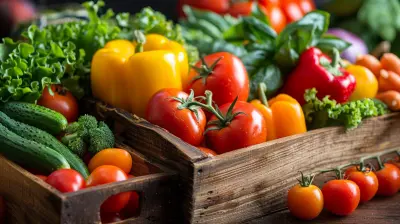
The Role of Organic Meat in a Balanced Diet
16 May 2026
Eating right is one of the best things you can do for your health. But with so many choices out there, how do you know what's best? One option that’s gaining attention is organic meat. Some swear by it, while others wonder if it’s just another health trend.
So, is organic meat really worth it? And more importantly, can it help you maintain a balanced diet? Let’s dig into the facts and see why organic meat might just be the missing piece in your nutrition puzzle.
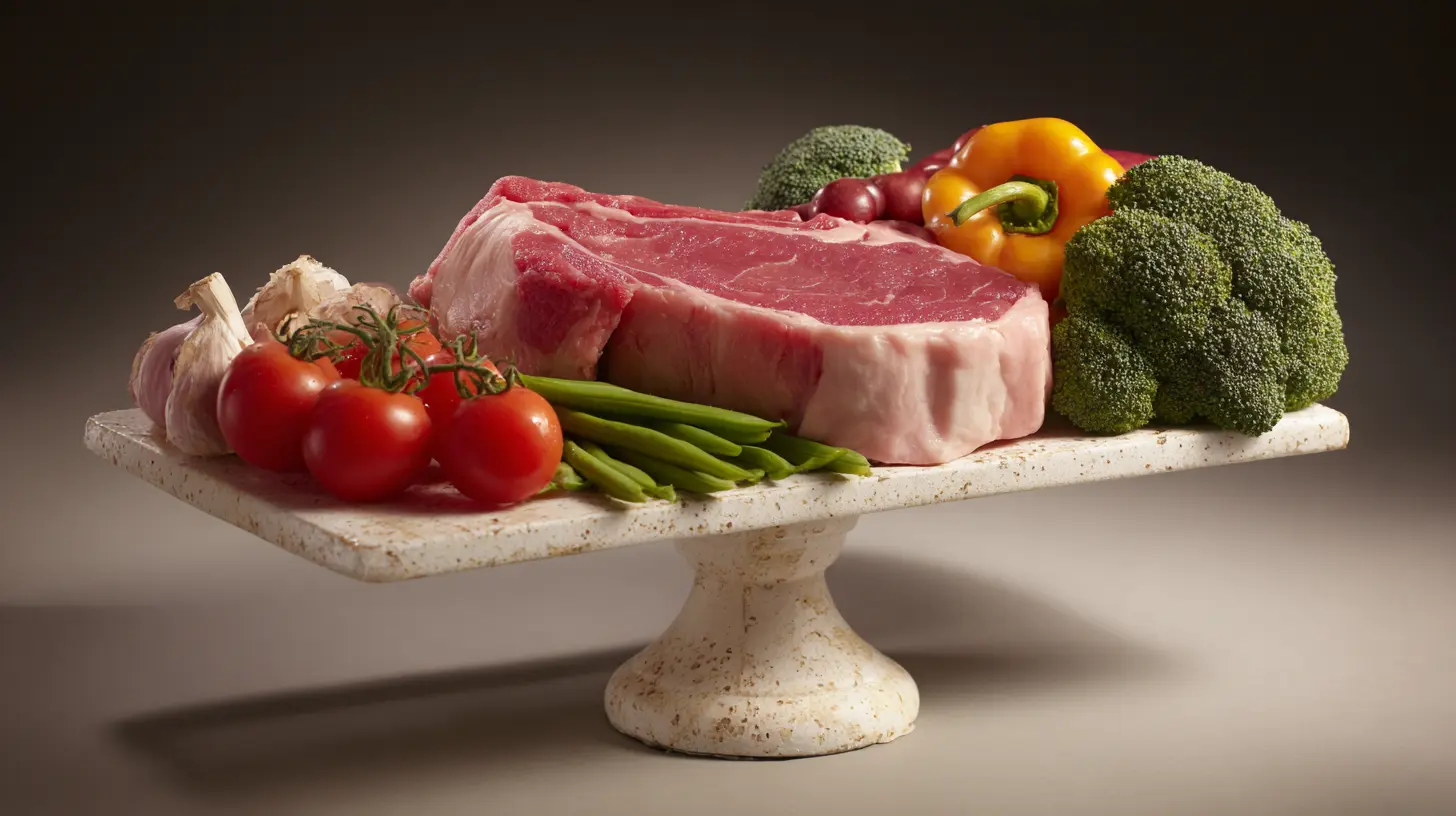
What Is Organic Meat?
Before we dive into the benefits, let’s clear up what organic meat actually is. Unlike conventional meat, organic meat comes from animals raised without synthetic hormones, antibiotics, or genetically modified feed. Instead, they are given access to open pastures and a natural diet, making them healthier and, some argue, tastier.The key factors that define organic meat include:
- No antibiotics or growth hormones – Animals are raised without artificial substances that might affect human health.
- Natural diet – They eat organic, non-GMO feed.
- Ethical farming practices – Livestock is treated humanely, often with better living conditions.
- No synthetic fertilizers or pesticides – The land they graze on is free from harmful chemicals.
Now that we’ve defined it, let’s see how organic meat fits into a healthy, balanced diet.
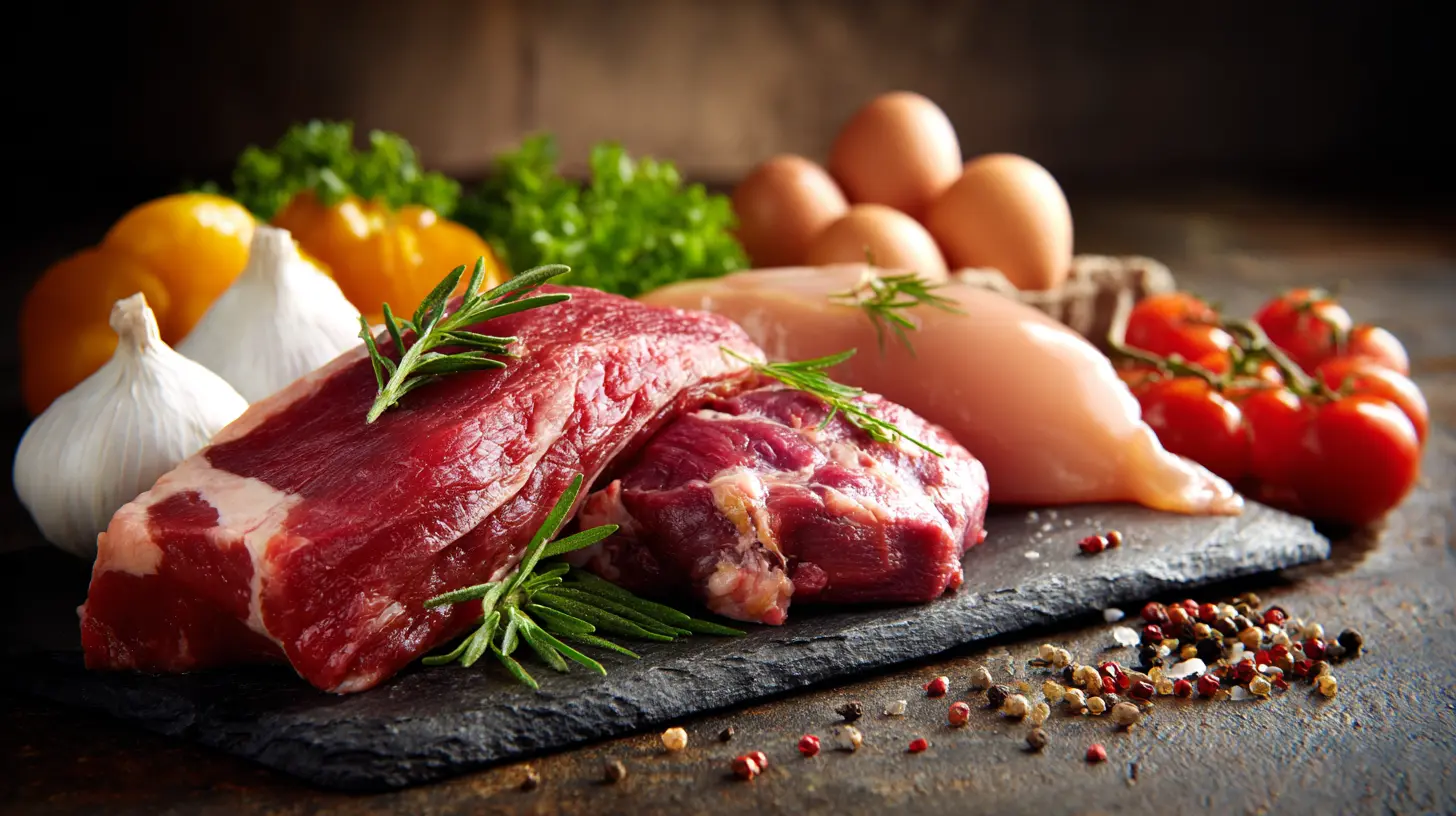
Why Organic Meat Matters in a Balanced Diet
Maintaining a well-balanced diet is all about getting the right nutrients without unnecessary additives. Organic meat can be a valuable addition because it offers essential nutrients while keeping harmful substances out of your body.1. Rich in High-Quality Protein
Protein is one of the most important building blocks of our bodies. It helps repair tissues, build muscles, and keep us feeling full longer. Organic meat provides all the essential amino acids your body needs for growth and maintenance.Unlike plant-based proteins, animal proteins contain a complete amino acid profile, making them an ideal source for muscle recovery, especially for those who work out regularly.
2. Packed with Essential Nutrients
Organic meat isn’t just about protein. It’s also loaded with crucial vitamins and minerals, including:- Iron – Helps prevent anemia and boosts energy levels.
- Zinc – Strengthens the immune system and aids in wound healing.
- Vitamin B12 – Essential for brain function and red blood cell production.
- Omega-3 fatty acids – Found in grass-fed organic meat, these healthy fats support heart and brain health.
By including organic meat in your diet, you’re giving your body essential nutrients that may be harder to get from other sources.
3. Free from Harmful Chemicals and Hormones
One of the biggest concerns with conventional meat is the presence of antibiotics and growth hormones. These can contribute to antibiotic resistance in humans and disrupt hormone balance over time.Organic meat, on the other hand, is free from these additives. The animals are raised more naturally, which means you’re not unknowingly consuming unwanted chemicals in your meals.
4. Supports a Healthy Gut
Believe it or not, what your food eats matters. Animals raised with organic feed and natural diets tend to have healthier gut bacteria. As a result, organic meat may be easier to digest and less likely to cause bloating or digestive discomfort.A healthy gut is crucial for overall well-being, affecting everything from your immune system to your mood. By choosing organic meat, you're making a decision that benefits your body from the inside out.
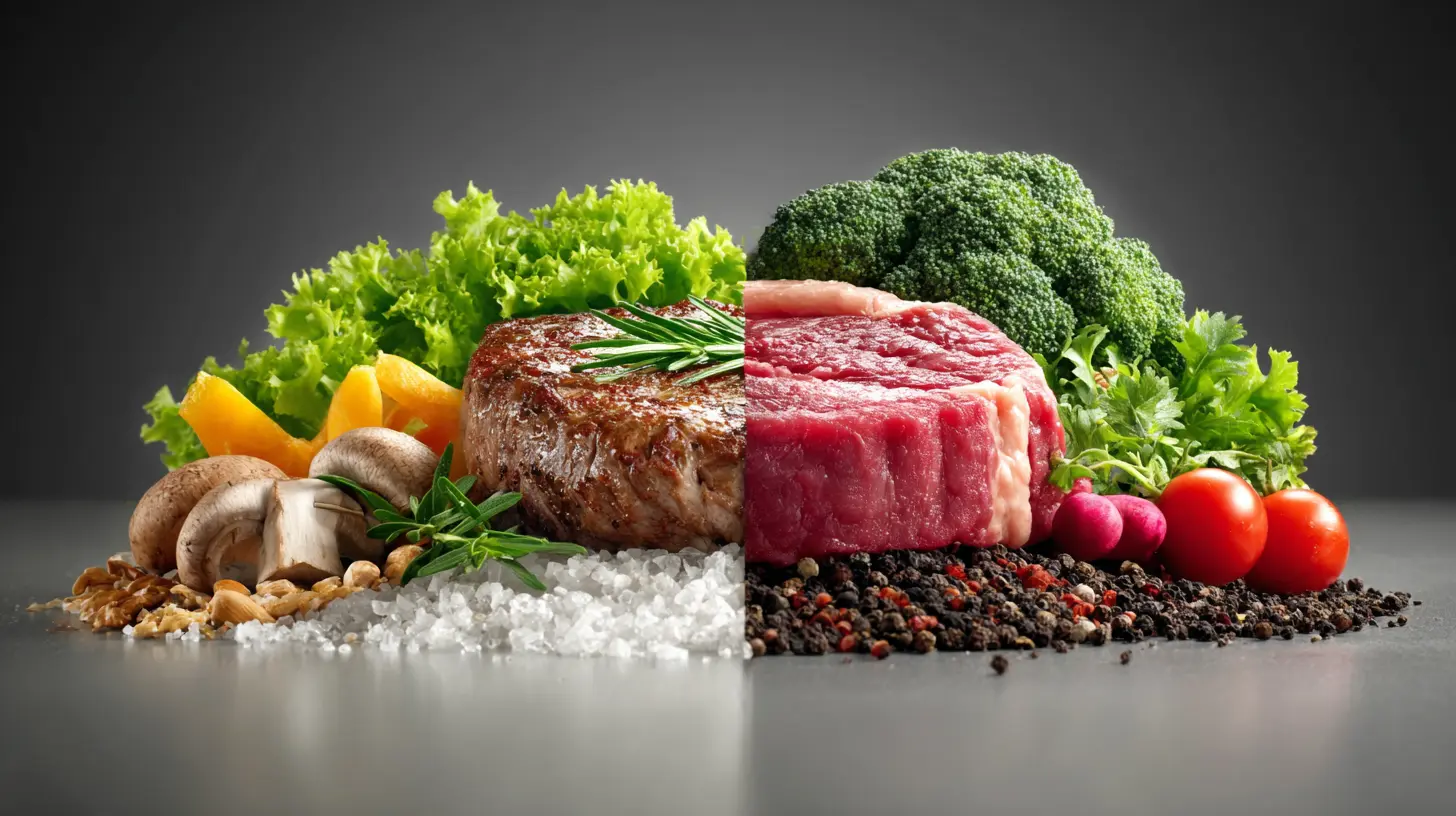
Comparing Organic Meat to Conventional Meat
Now, let’s address the elephant in the room—how does organic meat compare to conventional meat?| Feature | Organic Meat | Conventional Meat |
|---------|-------------|------------------|
| Antibiotics & Hormones | None | Often used |
| Animal Diet | Organic, natural feed | GMO feed and processed grains |
| Farming Practices | Humane, pasture-raised | Often confined, factory-farmed |
| Nutritional Value | Higher in Omega-3s, vitamin E, and antioxidants | May have fewer beneficial nutrients |
| Environmental Impact | More sustainable | Can contribute to pollution and deforestation |
While organic meat may cost more, many believe the health benefits and ethical farming practices make it a worthwhile investment.
Is Organic Meat Worth the Price?
We get it—organic meat isn't always the cheapest option. But when you think about the long-term benefits, it might be worth the splurge. Here’s why:- Better for your health – You're avoiding unnecessary chemicals that could harm your body over time.
- More nutrient-dense – Grass-fed organic meat often has higher levels of essential nutrients.
- Tastier and fresher – Many people say organic meat tastes better because of the animal’s natural diet.
- Supports ethical farming – You’re promoting humane treatment of animals and sustainable farming practices.
If budget is a concern, consider buying organic meat in bulk, choosing less expensive cuts, or incorporating it into your diet a few times per week rather than daily.
How to Incorporate Organic Meat into Your Diet
If you’re ready to make the switch, here are some easy ways to include organic meat in your meals:1. Start with Small Changes
You don’t have to overhaul your entire diet overnight. Try swapping conventional meat for organic when cooking your favorite meals, like grilled chicken, stir-fries, or slow-cooked stews.2. Choose the Right Cuts
Less expensive cuts like chicken thighs, ground beef, and stew meat still offer great nutrition without breaking the bank.3. Pair with Nutrient-Dense Foods
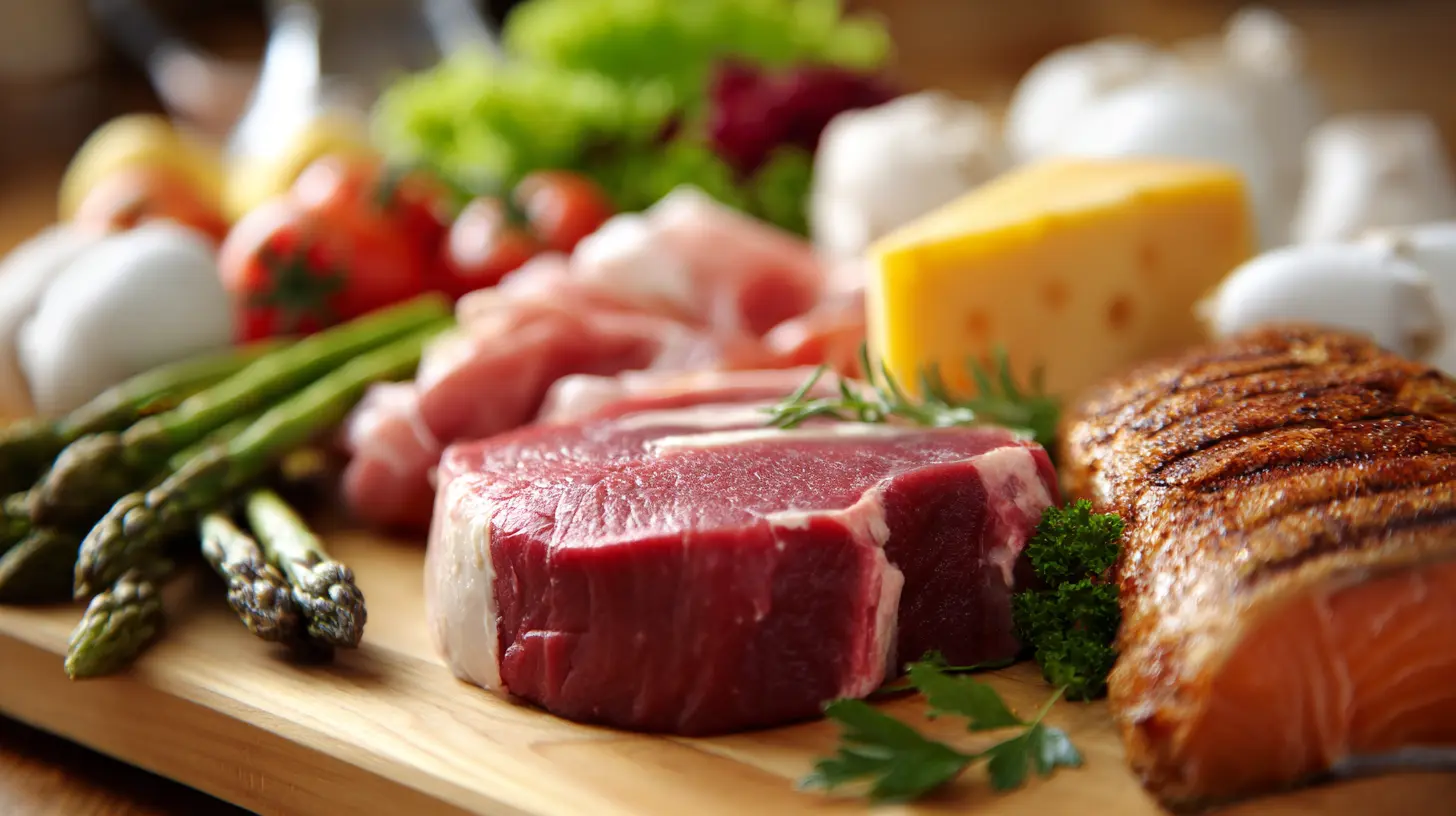
Combine organic meat with plenty of vegetables, healthy fats, and whole grains for a well-rounded meal. Think grass-fed steak with roasted sweet potatoes and steamed greens—it’s both delicious and nourishing.4. Experiment with Cooking Methods
Organic meat can be more flavorful than conventional meat, so try grilling, slow-cooking, or pan-searing for maximum taste and tenderness.
Final Thoughts
Organic meat is more than just a buzzword—it’s a healthier, more ethical choice that provides high-quality protein and essential nutrients without harmful additives. While it may come with a higher price tag, the benefits to your health, the environment, and animal welfare make it a worthwhile consideration.If you’re serious about maintaining a balanced diet, switching to organic meat could be one of the best decisions you make for your health. So next time you’re shopping for groceries, why not give organic meat a try? Your body (and the planet) will thank you for it.
all images in this post were generated using AI tools
Category:
Organic FoodsAuthor:

Tiffany Foster
Discussion
rate this article
2 comments
Quincy McKinley
Organic meat offers essential nutrients, but its impact on health hinges on overall dietary balance and lifestyle choices.
July 11, 2026 at 3:24 PM
Tiffany Foster
Absolutely, the quality of the overall diet and lifestyle plays a crucial role in health. Organic meat can be a valuable part of that equation, but it's all about balance.
Noelle Duffy
This article highlights important points about organic meat and its benefits in a balanced diet. It's great to see emphasis on quality sources of nutrition. I appreciate the focus on health and sustainability, reminding us to consider the impact of our food choices. Thank you for sharing this insight!
May 22, 2026 at 3:58 PM