Organic Foods and Your Energy Levels: A Natural Boost
30 August 2025
Introduction
Do you ever feel sluggish or drained by midday, even after getting a good night’s sleep? The culprit might not be your rest but what’s on your plate. What you eat fuels your body, and if you're filling up on processed, chemically treated foods, your energy levels will likely take a hit.
That’s where organic foods come in. They’re packed with essential nutrients, free from harmful chemicals, and can give your energy a natural boost without the crash that processed foods often bring. But how exactly do organic foods impact your energy? Let’s dive in!
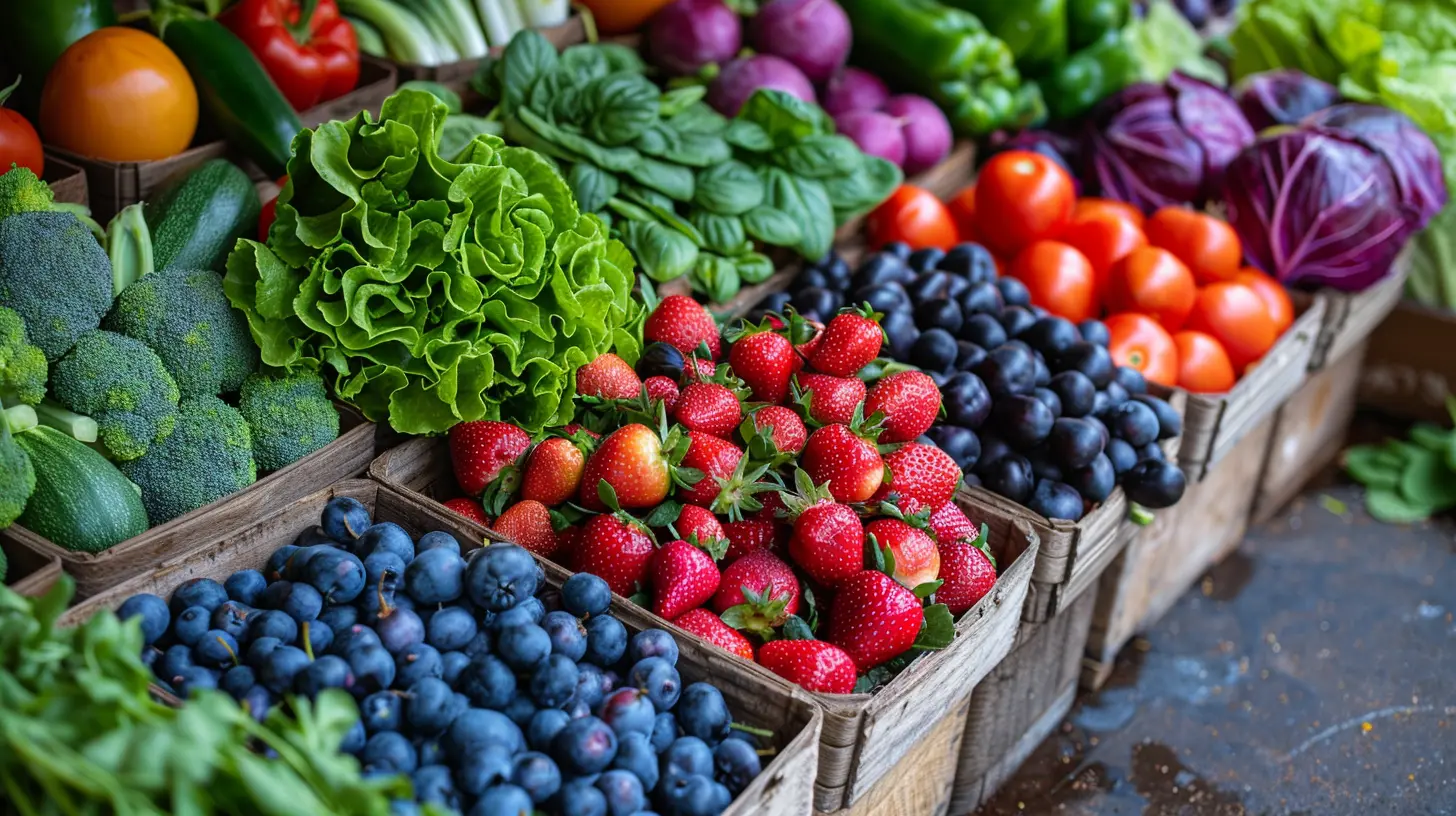
What Are Organic Foods?
Before we get into the link between organic foods and energy, let's quickly define what organic foods are. Organic foods are grown and processed without synthetic pesticides, artificial fertilizers, genetically modified organisms (GMOs), or artificial additives.Organic farming focuses on natural processes, healthy soil, and sustainable practices. This means your fruits, veggies, grains, and even meats are free from harmful substances that could negatively affect your body and energy levels.
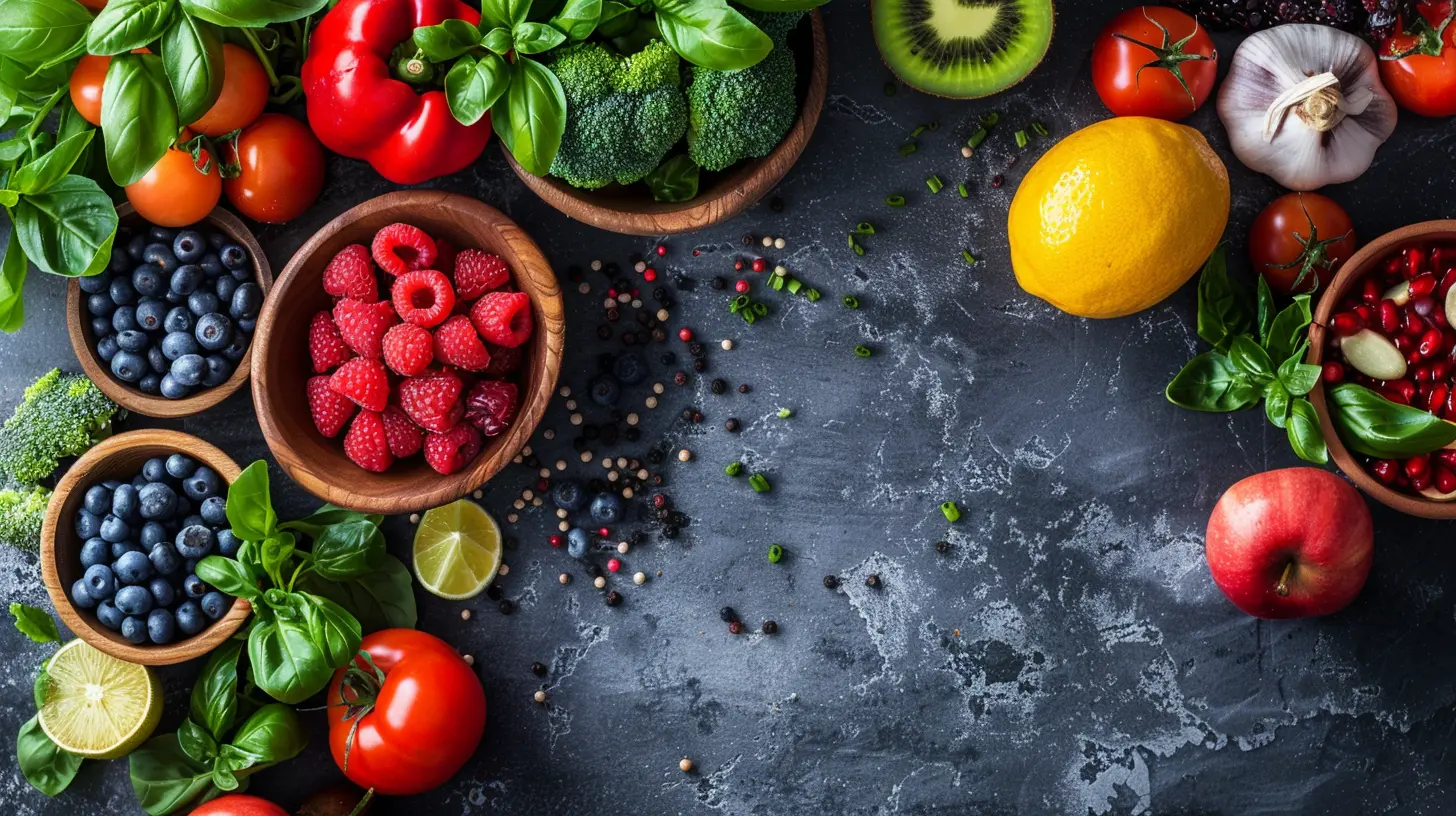
The Connection Between Diet and Energy
Your energy levels aren’t just about how much sleep you get — they’re deeply tied to your diet. Think of your body as a car. If you fill a car with low-quality fuel, it won’t run efficiently. Similarly, if you fuel your body with overly processed, artificial foods, your energy levels will dip.Organic foods provide clean, high-quality nutrients that your body can easily process, leading to sustained energy throughout the day. Let's break down why organic foods help boost your energy.
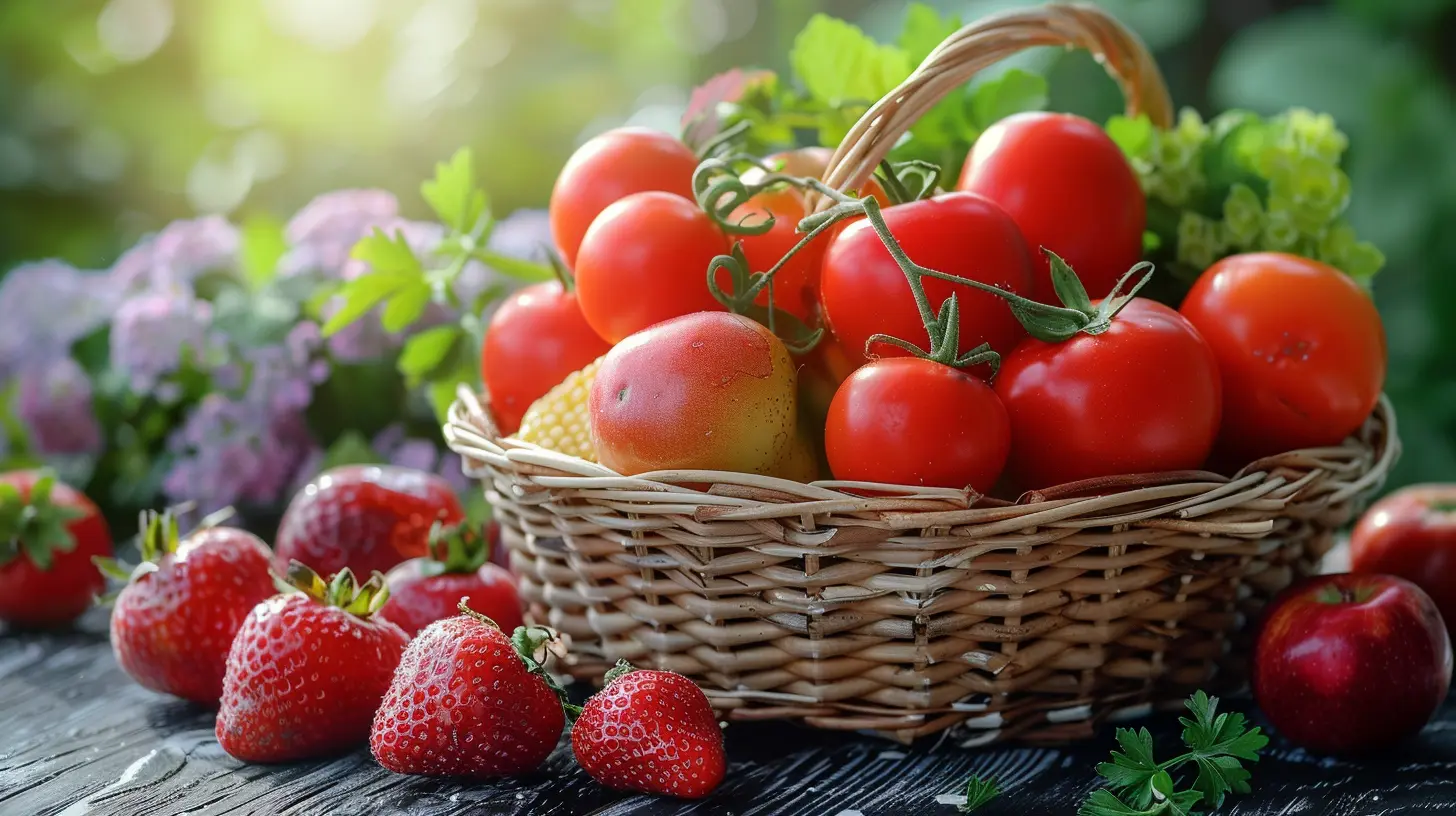
Why Organic Foods Boost Energy Levels
1. Higher Nutrient Content
Organic produce often contains higher levels of essential vitamins and minerals compared to conventionally grown food. Since organic farming avoids synthetic chemicals, the soil tends to be richer in nutrients, leading to healthier crops.Essential nutrients like iron, magnesium, and B vitamins play a major role in energy production. If you’re deficient in any of these, you may feel constantly fatigued. By eating organic, you're ensuring your body gets the nutrients it needs to keep you active and alert.
2. Free from Harmful Additives and Pesticides
Conventional foods are often packed with synthetic pesticides, preservatives, and artificial ingredients. These additives can disrupt your body's natural processes, making digestion harder and causing inflammation, all of which contribute to low energy levels.When you eat organic, you’re avoiding these chemicals, allowing your body to function at its best. No more sluggish afternoons caused by hidden toxins in your meals!
3. Better Digestion and Gut Health
Your gut health plays a crucial role in how energetic you feel. Processed foods often contain artificial ingredients that can harm your gut microbiome, leading to issues like bloating, sluggish digestion, and fatigue.Organic foods, on the other hand, promote gut health. They’re rich in fiber and free from artificial preservatives, making them easier to digest and process. When your gut is healthy, nutrient absorption improves, leading to better energy production.
4. Balanced Blood Sugar Levels
A major reason for energy crashes is blood sugar fluctuations. Processed foods with refined sugars and artificial additives cause rapid spikes in blood sugar, followed by an inevitable crash, leaving you feeling exhausted.Organic foods, particularly whole foods like fruits, vegetables, and whole grains, help maintain stable blood sugar levels. This means steady energy throughout the day without the rollercoaster of sugar highs and crashes.
5. Better Hydration from Natural Sources
Did you know organic fruits and vegetables often contain higher water content compared to conventional ones? Proper hydration is key to sustained energy, and consuming organic produce helps keep your cells hydrated.Additionally, because organic foods don’t contain synthetic chemicals, your body doesn’t need to use extra energy to detoxify, leaving you with more fuel for daily activities.
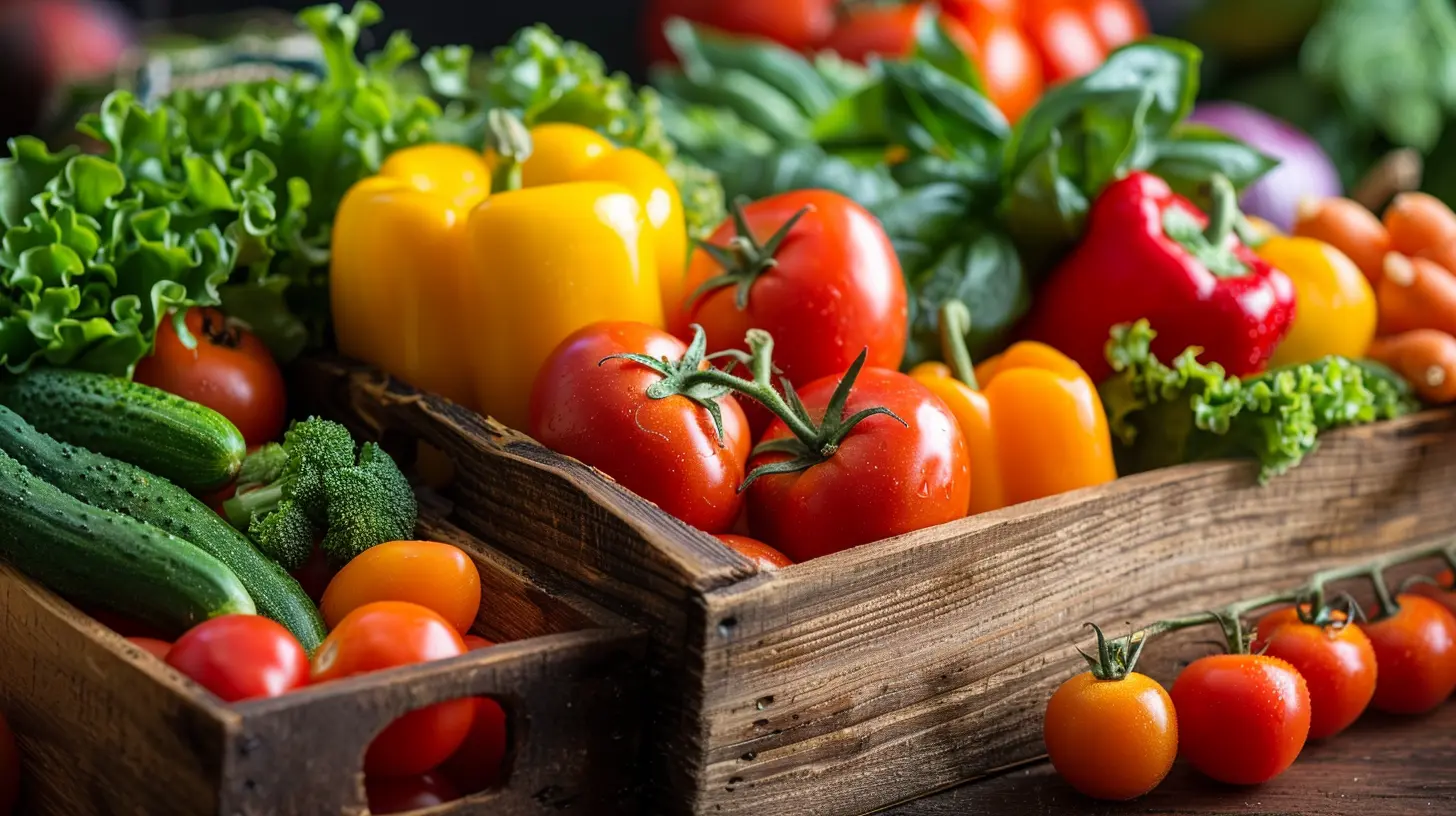
Which Organic Foods Provide the Biggest Energy Boost?
If you’re wondering which specific organic foods can help keep you energized, here are some top picks:🍏 Organic Fruits
- Bananas (rich in potassium for sustained energy)- Apples (high in fiber to prevent sugar crashes)
- Berries (loaded with antioxidants to fight fatigue)
🥦 Leafy Greens
- Spinach (packed with iron for oxygen transport)- Kale (full of magnesium to prevent tiredness)
- Swiss chard (great for boosting red blood cell production)
🍠 Whole Grains
- Quinoa (a complete protein with slow-releasing carbs)- Oats (rich in B vitamins for energy metabolism)
- Brown rice (sustained energy without glucose spikes)
🌰 Healthy Fats and Proteins
- Nuts (almonds, walnuts, and cashews provide lasting energy)- Organic eggs (high in choline and B vitamins)
- Avocados (loaded with healthy fats for steady energy)
🍵 Natural Energy-Boosting Drinks
- Green tea (gentle caffeine boost with antioxidants)- Herbal teas (peppermint and ginger for blood circulation)
- Coconut water (natural electrolytes for hydration)
How to Include More Organic Foods in Your Diet
Making the switch to organic foods doesn’t have to be overwhelming. Here are simple ways to start incorporating them into your daily routine:1. Swap Conventional for Organic Staples – Start with essentials like organic fruits, vegetables, and whole grains.
2. Read Labels Carefully – When buying organic packaged foods, ensure they are certified organic and free from unnecessary additives.
3. Buy Local & Seasonal – Local farmers' markets often sell fresh organic produce at reasonable prices.
4. Grow Your Own – If possible, start a small organic garden at home with herbs, greens, or tomatoes.
5. Plan Your Meals – Having a meal plan ensures you consistently include organic foods in your diet.
Final Thoughts
Your energy levels are directly influenced by the quality of food you eat. While processed and artificial foods may give you a quick boost, they often lead to crashes and long-term health issues. Organic foods, on the other hand, provide your body with clean, high-quality nutrients that support sustained energy and overall wellness.Switching to organic may feel like a small change, but it can make a world of difference in how you feel every day. So next time you’re at the grocery store, go for the organic option—you’ll likely notice the boost in your energy levels before you even finish your first meal!
all images in this post were generated using AI tools
Category:
Organic FoodsAuthor:

Tiffany Foster
Discussion
rate this article
1 comments
Nym Wagner
Great insights on the connection between organic foods and energy levels! It's refreshing to understand how our diet impacts vitality.
September 17, 2025 at 3:20 AM
Tiffany Foster
Thank you! I’m glad you found the insights valuable. Our diet plays a crucial role in our overall energy and vitality!