The Link Between Sleep and a Healthy Heart
27 July 2026
When life gets busy, sleep is often the first thing we sacrifice. Late-night work, binge-watching TV shows, or scrolling endlessly through social media—sound familiar? But did you know that skimping on sleep can take a serious toll on your heart?
Yes, that's right! Your heart needs quality sleep just as much as your body does. Sleep isn't just about feeling refreshed; it's an essential part of keeping your heart healthy and strong. In this article, we'll break down the fascinating connection between sleep and heart health, and why those extra Zzzs could add years to your life.
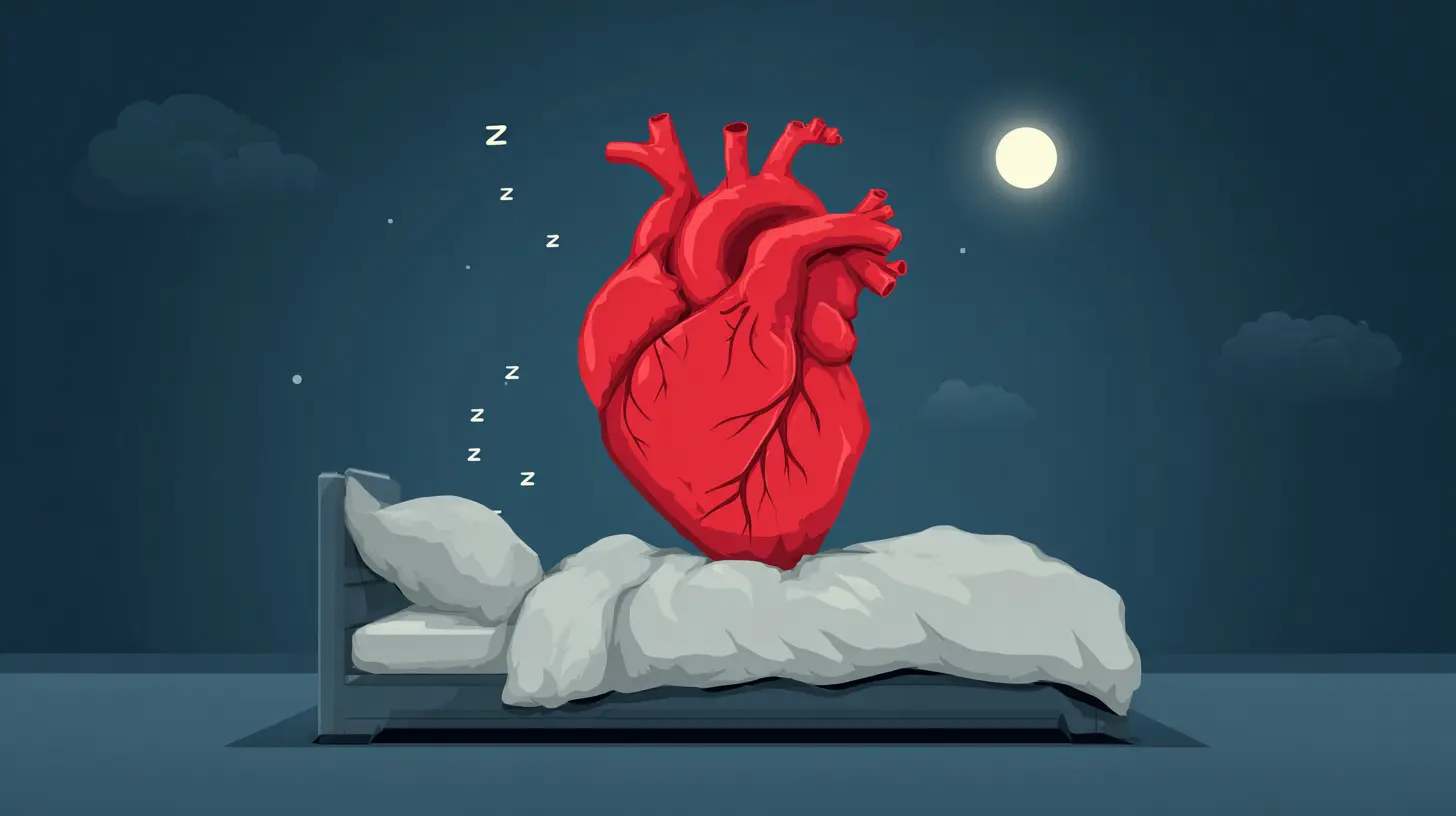
Why Sleep Matters for Heart Health
Think of your body like a car. Sleep is the maintenance it needs to function properly. Without enough rest, things start breaking down—especially your cardiovascular system. Poor sleep has been linked to high blood pressure, heart disease, obesity, and even stroke.But why? Let’s dive deeper into the science behind it.
1. Sleep Helps Regulate Blood Pressure
When you sleep, your heart gets a chance to slow down. Your blood pressure naturally drops, which gives your heart and blood vessels a much-needed break. However, if you’re not getting enough sleep, your blood pressure stays elevated for longer periods. Over time, high blood pressure (hypertension) increases the risk of heart disease and stroke.2. Sleep Affects Inflammation Levels
Your body repairs itself while you sleep. This includes balancing inflammation—your body's response to injury or harmful invaders. But chronic sleep deprivation can lead to increased inflammation, which is a major contributor to heart disease. Inflammation can damage your blood vessels, making it easier for plaque to build up, restricting blood flow to your heart.3. Poor Sleep Disrupts Blood Sugar Control
Ever noticed that after a bad night’s sleep, you crave junk food? That’s because sleep deprivation messes with your blood sugar and insulin levels. Over time, poor sleep can contribute to insulin resistance, increasing the risk of type 2 diabetes—a condition closely linked to heart disease.4. Sleep Deprivation and Obesity
Lack of sleep plays a sneaky role in weight gain. It throws off the hormones that regulate hunger—ghrelin (which makes you feel hungry) and leptin (which makes you feel full). When you're sleep-deprived, your body produces more ghrelin and less leptin, leading to overeating and weight gain, both of which can put extra strain on your heart.
How Much Sleep Does Your Heart Need?
The American Heart Association and sleep experts recommend that adults get 7 to 9 hours of sleep per night. But let’s be honest—many of us don’t. Whether it’s work, stress, or late-night habits, we often cut back on sleep without realizing the damage we're doing to our hearts.Not only is the quantity of sleep important, but the quality matters too. If you're constantly waking up during the night or not reaching deep sleep stages, your heart may not be getting the rest it needs.
The Dangers of Sleep Disorders on Heart Health
If you have trouble sleeping regularly, it might be more than just a bad habit. Millions of people suffer from sleep disorders that can significantly impact heart health.1. Sleep Apnea and Heart Disease
One of the most dangerous conditions linked to heart disease is sleep apnea. This disorder causes repeated interruptions in breathing during sleep, which deprives your body of oxygen and forces your heart to work harder.Over time, untreated sleep apnea can lead to:
- High blood pressure
- Irregular heartbeats (arrhythmias)
- Increased risk of heart attack and stroke
2. Insomnia and Heart Health
If you struggle to fall asleep or stay asleep, you're not alone. Insomnia affects millions of people worldwide. Chronic insomnia has been linked to high blood pressure, inflammation, and an increased risk of heart disease.
Tips to Improve Sleep for a Healthy Heart
Now that we know how crucial sleep is for heart health, let’s discuss practical ways to get better rest. Here are some simple yet powerful steps you can take:1. Set a Consistent Sleep Schedule
Try to go to bed and wake up at the same time every day—even on weekends. Your body thrives on routines, and a consistent sleep cycle can help regulate your heart health.2. Create a Relaxing Bedtime Routine
Before bed, engage in calming activities like reading, meditating, or taking a warm bath. Avoid screens at least an hour before bedtime, as the blue light from devices can interfere with melatonin production (your body’s sleep hormone).3. Limit Caffeine and Alcohol
Caffeine can stay in your system for up to six hours, so it’s best to avoid it in the afternoon and evening. While alcohol may make you feel sleepy, it disrupts your sleep cycle, preventing deep, restorative sleep.4. Exercise Regularly
Regular physical activity can improve sleep quality and heart health. However, try to avoid intense workouts close to bedtime, as they can be too stimulating.5. Make Your Bedroom Sleep-Friendly
Keep your bedroom cool, dark, and quiet. Invest in a comfortable mattress and pillows to create a restful environment. If outside noise is an issue, consider using a white noise machine or earplugs.6. Manage Stress
Chronic stress can make it harder to fall asleep and stay asleep. Practice relaxation techniques such as deep breathing, journaling, or yoga to calm your mind and improve sleep quality.7. Seek Medical Help if Needed
If you suspect you have a sleep disorder like sleep apnea or insomnia, don’t ignore it. Talk to a doctor or sleep specialist to get proper treatment. Your heart will thank you.Conclusion: Prioritizing Sleep for a Stronger Heart
It's easy to take sleep for granted, but your heart depends on it. Poor sleep doesn't just leave you feeling tired—it actively harms your cardiovascular system. By making sleep a priority, you're not just improving your energy levels; you're giving your heart the care it needs.So tonight, instead of scrolling through your phone or watching "just one more episode," do your heart a favor—get some quality rest. A well-rested heart is a healthier, stronger heart, and that’s a gift worth giving yourself.
all images in this post were generated using AI tools
Category:
Healthy HeartAuthor:

Tiffany Foster