Why Self-Compassion is Key to Improved Mental Health
27 May 2026
Let’s be honest — life can be downright messy. We fall, we fail, and sometimes we flat-out faceplant. But here’s the kicker: how we treat ourselves in those tough moments can make all the difference. You might be beating yourself up for making a mistake or for not being “good enough.” But what if I told you there’s another way — a better way? That way is self-compassion.
In a world that glorifies hustle culture and perfectionism, self-compassion is like a breath of fresh air. It’s not just a trend or a nice idea — it’s a powerful, research-backed tool that can transform your mental health in ways you might never expect. So, grab a cup of coffee (or tea), get comfy, and let’s talk about why self-compassion is key to improved mental health.
What Exactly Is Self-Compassion?
Let’s break it down. Self-compassion simply means treating yourself the way you would treat a friend who's having a hard time. It’s about offering yourself kindness instead of criticism, understanding instead of judgment.There are three major components to self-compassion:
- Self-kindness: Being gentle and understanding with yourself.
- Common humanity: Realizing that suffering and failure are part of the shared human experience.
- Mindfulness: Noticing your thoughts and feelings without sweeping them under the rug or blowing them out of proportion.
Pretty simple, right? But it’s not always easy — especially if you’re used to being your own worst critic.
The Link Between Self-Compassion and Mental Health
Now, let’s connect the dots. Why does being kind to yourself matter so much when it comes to your mental health?1. Self-Compassion Lowers Anxiety and Depression
Get this: people who practice self-compassion consistently report lower levels of anxiety and depression. Why? Because self-compassion helps you face difficult emotions without spiraling into shame or self-blame. Instead of panicking over a bad day or a poor decision, self-compassion encourages you to say: “It’s okay. I’m human. I’ll get through this.”Imagine having a built-in support system in your own mind — that’s what self-compassion offers.
2. It Boosts Your Emotional Resilience
Life throws curveballs, no doubt about it. Whether it’s a breakup, job loss, or just a rough patch, having self-compassion helps you bounce back. It’s like emotional first-aid — instead of rubbing salt in the wound, self-compassion gives you a healing balm.People who are kind to themselves are more likely to dust themselves off and try again, rather than giving up or spiraling into negative thinking.
3. It Reduces Stress
Stress isn’t just in your head — it wreaks havoc on your entire body. Chronic stress can lead to headaches, sleep problems, and even serious health issues. The good news? Self-compassion helps turn down the volume on stress.When you respond to yourself with kindness instead of criticism, your body actually produces less cortisol (the stress hormone) and more oxytocin (the feel-good hormone). It's your body's way of saying, “Thank you for being nice to me.”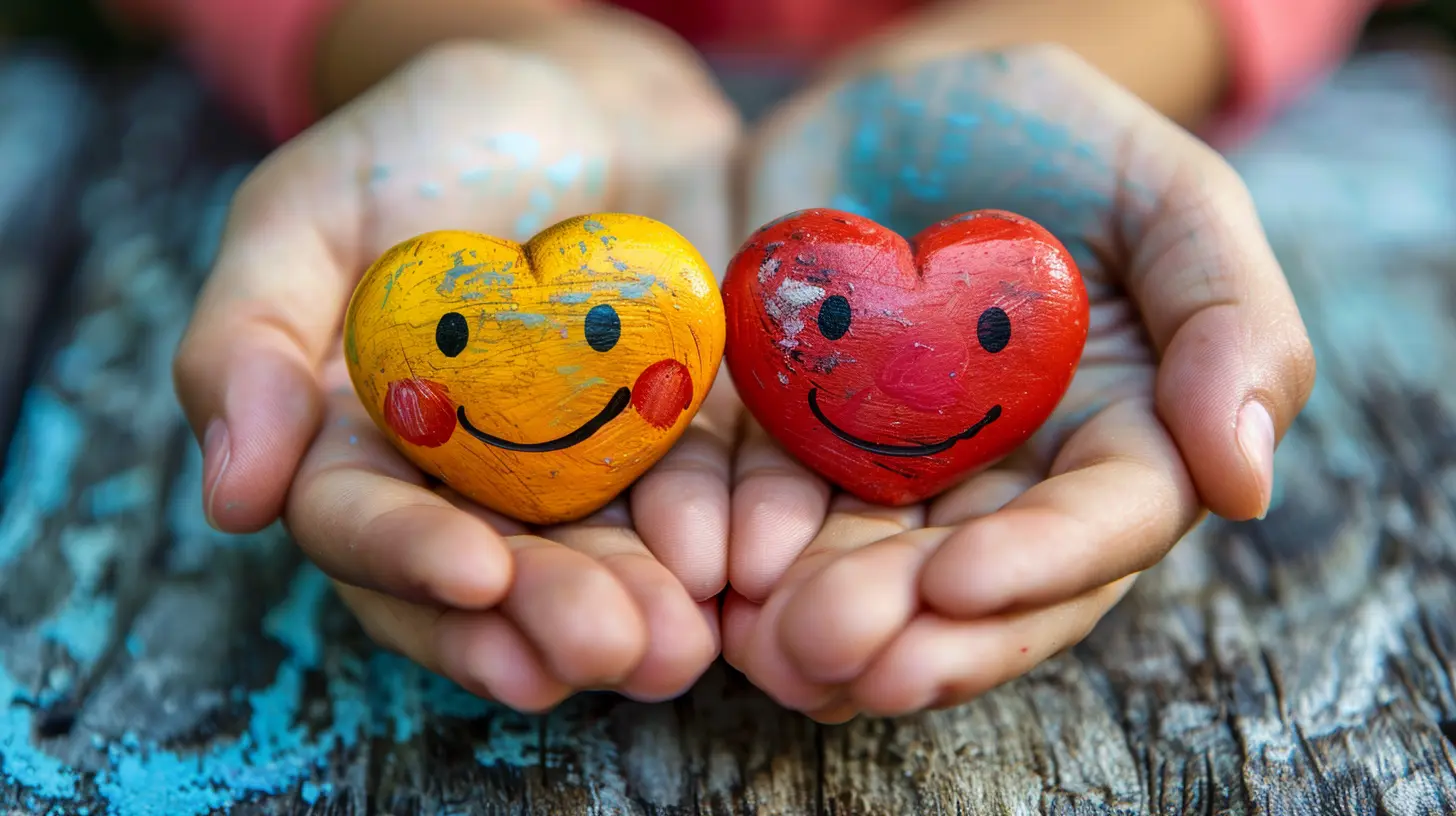
Why We Struggle With Self-Compassion
If self-compassion is so great, why aren’t we all doing it? Well, there are a few reasons.1. We Mistake It for Self-Pity or Weakness
A lot of people worry that being kind to themselves will turn them into a lazy, self-indulgent mess. But that’s just not true. Self-compassion doesn’t mean making excuses or avoiding responsibility — it means acknowledging your humanness and moving forward in a healthier way.Think of it like this: If your car broke down, would you yell at it and call it useless? Or would you fix it so it could run again? Self-compassion is the repair, not the excuse.
2. We're Conditioned to Be Hard on Ourselves
From a young age, many of us are taught that being tough on ourselves is the key to success. "Push harder," "Don’t be soft," "Get over it." Sound familiar?But research actually shows that self-compassion fosters long-term motivation more effectively than harsh self-criticism. We’re looking at sustainable growth here, not burnout.
How to Practice Self-Compassion (Without Feeling Weird About It)
Alright, now that you know the why, let’s talk about the how. Self-compassion isn’t something that just happens. Like any skill, it takes practice — but trust me, it’s worth it.1. Talk to Yourself Like You Would Talk to a Friend
Next time you mess up, pause and ask: “If my best friend were in this situation, what would I say to them?” Then, say those exact words to yourself. It might feel awkward at first, but keep at it.2. Journaling Your Thoughts and Feelings
Writing is a great way to unpack your emotions. When you’re dealing with something tough, grab a notebook and write freely. Don’t filter or judge your words. Just get it all out.Later, go back and read what you wrote — and respond to yourself with compassion. Be your own supportive voice on paper.
3. Mindful Breathing and Meditation
You don’t have to be a monk on a mountain to benefit from mindfulness. A few minutes a day of focused, kind awareness can work wonders. Apps like Headspace or Calm can help guide you through self-compassion meditations.Even just deep breathing while repeating a kind phrase like “I’m doing the best I can” can create a shift in how you feel.
4. Set Boundaries with Negative Self-Talk
That nagging inner critic? Yeah, you don’t have to listen to it. When those harsh thoughts creep in, try labeling them: “Oh, that’s my inner critic again.” Then, gently redirect your thoughts, like you would with a child who was scared or upset.Real-Life Benefits of Practicing Self-Compassion
Still not convinced? Let’s break it down a bit more. Here’s what self-compassion can do for you in everyday life.Better Relationships
When you’re kinder to yourself, you’ll naturally become more understanding of others. Instead of reacting from a place of fear or insecurity, you show up with empathy. Self-compassion makes room for healthier, more supportive connections.Improved Productivity
Sounds backward, right? But when you stop beating yourself up over every mistake, you free up mental energy. You’re more focused, less anxious, and better able to get things done.Healthier Lifestyle Choices
People who practice self-compassion are more likely to eat well, exercise regularly, and get enough sleep. Why? Because they actually care about their well-being — not because they’re punishing themselves into a better body or routine.Self-Compassion in a Fast-Paced, Perfectionist World
We live in a world that shouts, “Do more! Be better! Hustle harder!” It’s exhausting. And honestly? It’s not sustainable.Self-compassion is the quiet rebellion against a culture of perfectionism. It says, “I matter — just as I am.” It’s not about giving up; it’s about showing up fully, flaws and all.
And here's the magic: the more we accept ourselves, the more we grow. True change doesn’t come from self-loathing — it comes from self-love.
Quick Myths About Self-Compassion — Busted
Let’s clear up a few common myths so you’re not held back by misconceptions.- Myth: Self-compassion makes you weak.
Truth: It actually builds emotional strength and resilience.
- Myth: It’s just an excuse to avoid responsibility.
Truth: Self-compassion helps you take responsibility without shame.
- Myth: It’s selfish.
Truth: When you're kind to yourself, you have more kindness to give to others.
Final Thoughts: It’s Time to Be on Your Own Team
At the end of the day, you’re the one person you’ll be with for your entire life. Doesn’t it make sense to treat yourself with the same care and respect you offer to the people you love?Self-compassion isn’t about being perfect. It’s about being real — and giving yourself permission to grow, stumble, and thrive. So next time the world feels overwhelming, or you feel like you’re not measuring up, pause. Take a deep breath. And remind yourself: “I’m doing the best I can — and that’s enough.”
You’ve got this.
all images in this post were generated using AI tools
Category:
Healthy MindAuthor:

Tiffany Foster
Discussion
rate this article
1 comments
Kennedy Fletcher
Self-compassion is like giving your mind a warm hug. Instead of stressing over mistakes, embrace them. Treat yourself as you would your best friend. A little kindness goes a long way for a happier, healthier you!
May 27, 2026 at 2:31 PM
Tiffany Foster
Absolutely! Self-compassion transforms our mindset and promotes healing. Treating ourselves with kindness truly makes a difference.