The Importance of Self-Compassion on Your Wellness Journey
23 July 2026
When we talk about wellness—physical, emotional, or mental—it’s easy to get caught up in routines, goals, and all those Pinterest-perfect habits. You know, the morning smoothies, 10k steps a day, yoga at sunrise. Sounds amazing, right? But here’s the thing that doesn’t always make it on the checklist: self-compassion.
Yep, that soft, gentle voice inside your head that says, “It’s okay. You’re doing your best.” That voice matters. In fact, if you're on a wellness journey without self-compassion as your trusty sidekick, you're probably making things way harder than they need to be.
Let’s unpack the profound effect self-compassion has on your overall well-being and why it could be the missing piece you’ve been searching for.
What Is Self-Compassion Anyway?
Self-compassion isn’t about making excuses or sugar-coating failure. It’s about treating yourself like you’d treat your best friend—especially during tough times.Think about it. If your friend said, “I skipped my workout today. I feel like a failure,” would you say, “Yeah, you’re the worst”? Of course not. So why say that to yourself?
Self-compassion combines three key elements:
- Self-kindness: Being warm and understanding toward yourself.
- Common humanity: Recognizing that suffering and personal failure are part of being human.
- Mindfulness: Holding your thoughts and feelings in balanced awareness rather than ignoring or over-identifying with them.
When you practice self-compassion, you’re acknowledging your pain without letting it define you.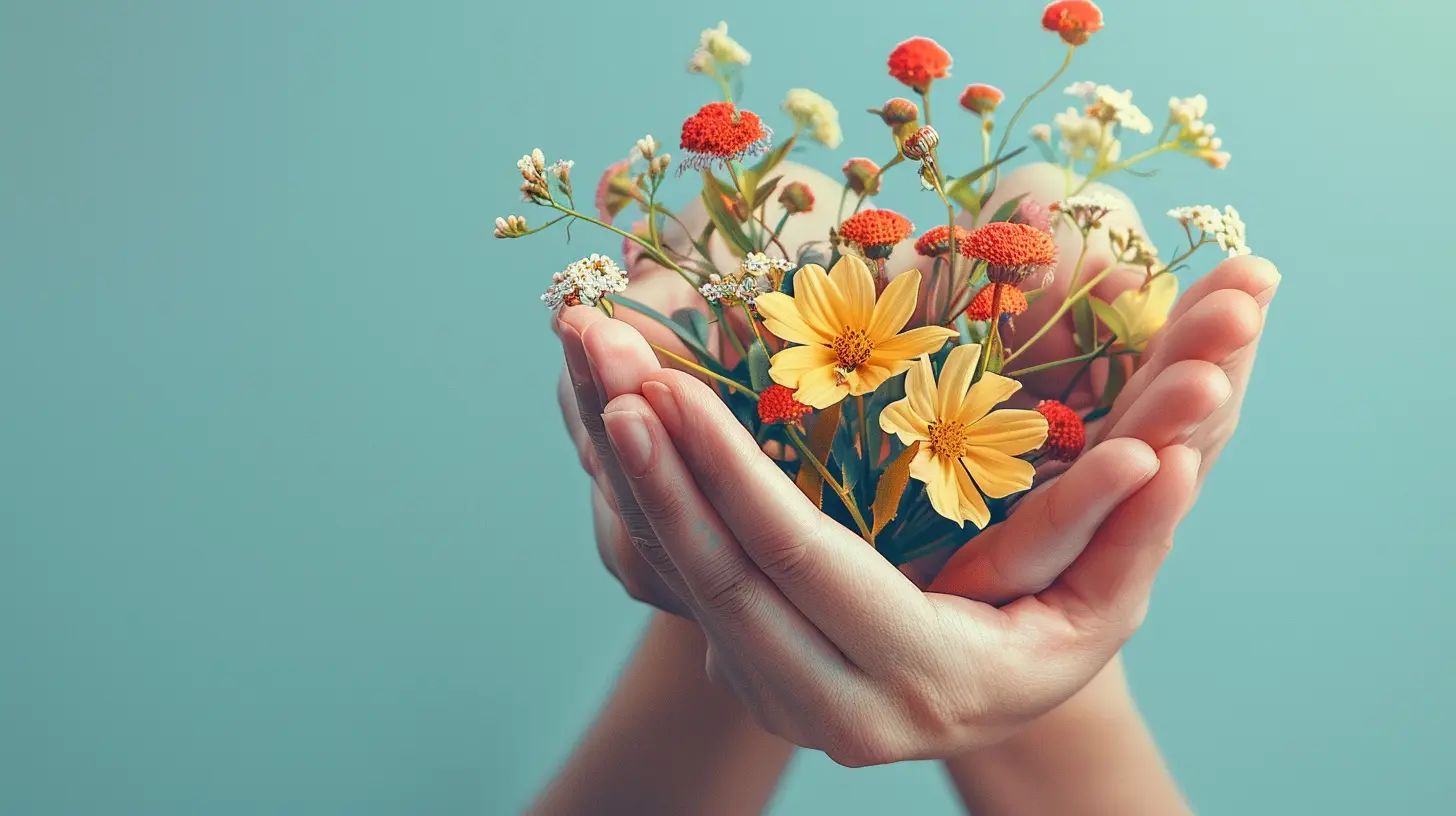
Why Self-Compassion Matters on Your Wellness Journey
Let’s face it—getting healthier, mentally and physically, isn’t always a smooth ride. You’ll have setbacks, days you’re just not feeling it, and times where progress seems invisible.That’s where self-compassion becomes your anchor.
1. Reduces Stress and Anxiety
When you mess up, your inner critic often goes into overdrive, right? That voice that says you’re not trying hard enough or that you’ll never be fit or happy or healthy… it’s exhausting.Self-compassion helps you shut that voice down gently. Instead of spiraling into stress, you start recognizing that falling down doesn’t mean failing. It's just a part of moving forward.
2. Encourages Long-Term Motivation
Wait, shouldn’t being hard on yourself keep you motivated?Actually, nope.
While guilt and shame might push you temporarily, they don’t stick. Self-compassion, on the other hand, fuels intrinsic motivation. When you’re kind to yourself, you're more likely to make progress because you want to, not because you have to.
Think of it like a long road trip. Would you rather travel with a supportive friend or a backseat critic yelling at every wrong turn?
Exactly.
The Science-Backed Benefits of Self-Compassion
Time for a little nerd moment (but just for a sec).Studies have shown that people who practice self-compassion have:
- Lower levels of anxiety and depression
- Higher levels of happiness and optimism
- Better physical health habits
- More resilience during setbacks
It’s not just fluff—it’s backed by research. When you treat yourself with kindness, your brain releases oxytocin (yep, the feel-good hormone). That lowers cortisol (the stress hormone), keeps your mind clearer, and helps you feel safe enough to keep going.
How Self-Compassion Supports Every Area of Wellness
Wellness isn’t just about hitting the gym or drinking green juice. It’s a whole-person experience. Here’s how self-compassion helps in each area:Physical Wellness
Skipped a workout? Ate half a pizza instead of your planned salad?Instead of beating yourself up, self-compassion helps you get curious.
- "What was going on that made me crave comfort food?"
- "Is my body asking for rest?"
That mindset shift can prevent binge diets and extreme behaviors. It’s about listening to your body, not punishing it.
Emotional Wellness
Internal chaos can mess with everything—from relationships to sleep. Self-compassion acts as emotional first aid. It helps you sit with your feelings instead of avoiding them.- You allow yourself to cry without feeling weak.
- You forgive yourself when you snap out of stress.
That emotional release? It clears space for healing and growth.
Mental Wellness
Self-compassion reduces negative self-talk—the kind that eats away at your self-worth. When you calm that noise, your mind becomes a more peaceful place to be.It’s like upgrading from a glitchy computer to a smooth-running system. Everything just works better.
Social Wellness
Here’s a neat twist: when you’re kind to yourself, you’re kinder to others. You stop comparing. You drop unrealistic expectations. Relationships get lighter and more authentic.You show up with your guard down—and that invites connection.
Real Talk: Why It's So Hard to Be Kind to Yourself
Let’s be honest. Self-compassion isn’t always easy.Maybe you grew up thinking being tough on yourself meant being strong. Or maybe you're super driven and feel like any self-kindness is slacking off.
Sound familiar?
But guess what—being self-critical isn’t helping you thrive. It’s just burning you out.
It’s like running a marathon on a sprained ankle because you don’t want to seem weak. Eventually, you collapse.
You’re allowed to rest.
You’re allowed to stumble.
You’re allowed to be imperfect.
How to Cultivate Self-Compassion in Daily Life
It’s not a switch you flip—it’s more like a muscle you build. Here are some ways to get started:1. Catch the Critic
Start noticing when your inner critic shows up. Is it when you skip the gym? When you eat something “unhealthy”? When you procrastinate?Awareness is the first step to change.
2. Rewrite the Script
Once you hear that critical voice, pause. Ask yourself:- “Would I say this to a friend?”
- “What’s a kinder way to look at this?”
Then literally rewrite the script in your mind. For example, swap “I’m so lazy” with “I needed rest—and that’s okay.”
3. Practice Mindfulness
You don’t have to sit cross-legged for an hour. Just check in with yourself a few times a day.- Take five deep breaths.
- Ask, “What am I feeling right now?”
- Let the answer be okay, even if it’s messy.
4. Use Loving-Kindness Mantras
Repeat gentle phrases to yourself when things are hard:- “I’m doing the best I can.”
- “This feeling is temporary.”
- “I deserve love and care—even now.”
Post them on your mirror. Turn them into phone wallpapers. Let them become part of your inner world.
5. Celebrate Tiny Wins
You don’t need to climb Mount Everest to pat yourself on the back. Did you drink more water today? Moved your body even a little? Had a tough conversation?Celebrate that. Every step counts.
Self-Compassion Isn’t Selfish—It’s Survival
Let’s squash a myth right now.Being kind to yourself does not mean you're weak, lazy, or narcissistic. It means you're human.
Think about it: you can’t pour from an empty cup. When you take care of your emotional well-being through compassion, you’re actually better equipped to care for others and contribute to the world around you.
It’s like putting on your oxygen mask on the plane—you can’t help others if you’re gasping for air.
Final Thoughts: Be Kind. You’re Doing Your Best.
If there’s one takeaway from all this, it’s that your wellness journey doesn’t need to be perfect. It just needs to be yours—and filled with grace.You’re allowed to slow down.
You’re allowed to make mistakes.
You’re allowed to love yourself through it all.
Self-compassion is the glue that holds your wellness habits together. Without it, those habits don’t stick. With it? You grow—and glow—from the inside out.
So go ahead. Talk to yourself like someone worth loving.
Because you are.
all images in this post were generated using AI tools
Category:
Personal GrowthAuthor:

Tiffany Foster