Harness the Power of Visualization for Better Health Outcomes
8 July 2026
Let’s be honest — when you hear the word “visualization,” your brain probably jumps to athletes psyching themselves up before a big game, right? Maybe you’re picturing someone sitting cross-legged, eyes closed, imagining themselves running a marathon. But here’s the thing: visualization isn't just some trendy self-help vibe. It’s actually a powerful tool you can use to improve your physical and mental health.
Sounds a little “woo-woo”? Stick with me. I promise, by the time you're finished reading, you'll see how visualization can be a game-changer in your health journey — and how it might be the secret weapon you didn’t even know you were missing.
What is Visualization, Really?
Let’s break it down. Visualization is simply the act of creating vivid mental images of something you want to experience or achieve. It’s like daydreaming on purpose.Instead of randomly letting your mind wander about what’s for dinner or next weekend’s plans, you consciously focus it. You imagine specific outcomes — your body healing, your mind calming, your energy increasing — whatever your health goal is, you picture it vividly and in detail.
Sounds simple, right? That’s because it is. But don’t underestimate it — simplicity can be powerful.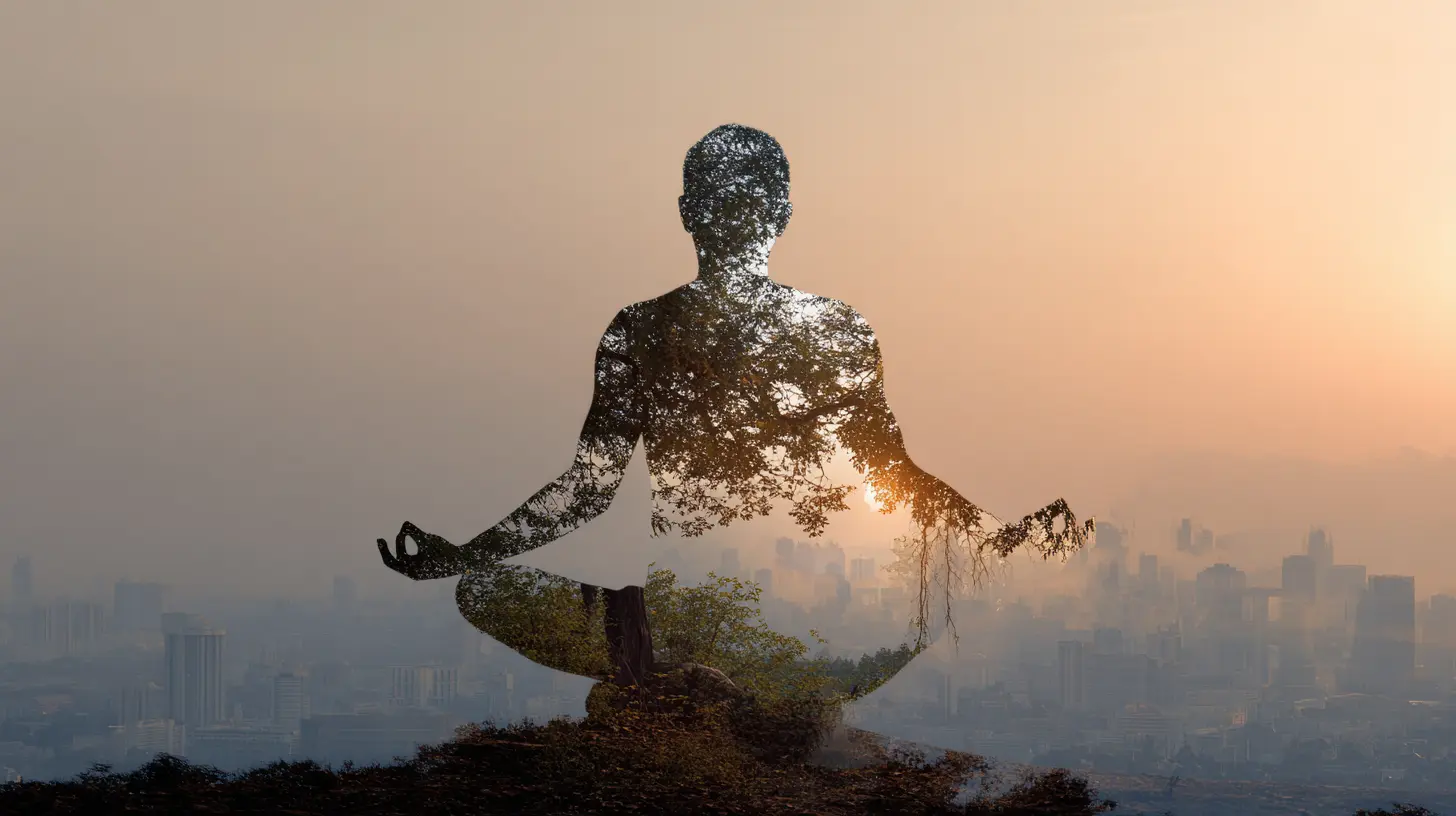
Why Visualization Works: The Science Behind It
This isn’t just good ol’ positive thinking wearing a disguise. There’s neuroscience to back it up.Here’s what’s happening under the hood: when you vividly imagine something, your brain often responds as if it were actually happening. The same areas light up on a brain scan whether you're physically doing an action or just mentally rehearsing it.
Take this wild study from Harvard — participants who mentally practiced playing piano showed brain activity changes nearly identical to those who physically practiced. Now apply that to healing and health. The idea is that if your mind can "practice" being well, your body can follow suit.
Crazy, right? But also incredibly hopeful.
Visualization and Physical Health: What Can It Really Do?
Let’s be real — visualization isn’t going to magically cure diseases on its own. But it can absolutely support and enhance your healing process. Think of it like a sidekick, not the superhero.Here are some of the amazing ways visualization supports physical health:
1. Boosts Immune Function
Research suggests that stress weakens the immune system. Visualization, especially when combined with deep breathing or meditation, helps reduce stress levels — which in turn supports immune function.Picture this: You close your eyes and imagine your immune cells as tiny superheroes zapping away invaders. Sounds silly? Maybe. But studies have shown that those mental images can actually help your body mount a stronger defense.
2. Speeds Up Recovery Time
Olympic athletes often visualize their bodies healing after injury. Why? Because it works.By mentally rehearsing the healing process, you activate neural pathways that promote muscle memory and physiological responses. In other words, your body listens to what your mind is whispering — especially when it's whispering, “Heal faster.”
3. Minimizes Chronic Pain
Pain is as much mental as physical. By visualizing soothing scenes, like floating in warm water or light spreading through your body, you can calm the pain centers of your brain. It’s like giving your nervous system a mini spa day.
The Mental Health Connection: Visualization as Emotional First Aid
You know that feeling when you wake up anxious, or you’re spiraling into stress over a to-do list that's longer than a CVS receipt? Visualization can pull you out of that mental traffic jam.Here’s how it helps:
1. Reduces Stress and Anxiety
When you visualize calm, your body follows. It’s almost like faking it till you make it — but with science behind it.Close your eyes, and imagine a peaceful beach. Hear the waves. Feel the sand. Let your body think you’re really there. Suddenly, your heart rate slows, your muscles release tension, and your breath deepens.
And the best part? You don’t even need to leave your couch.
2. Promotes Better Sleep
Insomnia sucks. Laying there, mentally flipping channels in your brain like a late-night infomercial marathon? Yeah, no thanks.Try this instead: visualize a peaceful routine before bed. Picture yourself falling asleep easily. Imagine your body sinking into the mattress. Repeat a mantra like, “I am safe, I am tired, I am resting.”
This kind of mental rehearsal can signal your body to start winding down — no melatonin gummies required.
3. Builds Confidence and Resilience
Visualization isn’t just about soothing imagery; it’s also about empowerment.Imagine yourself getting through chemo with strength, running that 5k after surgery, or simply waking up stronger tomorrow than today. Visualizing success builds mental muscles — and those translate into real-world grit.
How to Start a Visualization Practice (No Experience Needed)
Okay, you’re intrigued, maybe even convinced. But how do you actually do this?Good news: you don’t need a guru or a 10-day retreat in the Himalayas. Here's a basic framework to get started:
Step 1: Set the Scene
Find a quiet space. Sit or lie down. Phones off — this is your time.Step 2: Choose Your Focus
What do you want? Healing from back pain? Lower blood pressure? More energy?Get clear. You can’t visualize what you haven’t defined.
Step 3: Paint the Picture
Use all five senses. If you're visualizing healing, imagine your cells glowing. Hear your body humming with health. Smell the clean air of a forest trail. The more detailed, the better.Your brain LOVES detail. Feed it rich, vibrant mental images.
Step 4: Feel the Emotion
Here’s the secret sauce: emotion. Don’t just see it — feel it.Feel the joy of being pain-free. The relief of sleeping through the night. The gratitude of energy returning. Emotion gives visualization its fuel.
Step 5: Repeat Daily (Consistency is Key)
Set aside just 5-10 minutes a day. Morning, before bed, during your lunch break — doesn't matter. Stick with it. Visualization is like working out a muscle — the more you do it, the stronger it gets.Real-Life Success Stories: You’re Not Alone
Let’s put a few faces to this concept, shall we?Meet Mark, a 45-year-old who used visualization daily after knee surgery. He imagined his joints healing, his leg strengthening. Not only did he recover ahead of schedule, but his physical therapist said his mobility was some of the best she’d seen.
Then there’s Ana, a breast cancer survivor, who combined visualization with her treatment. She imagined her body as a battlefield, her immune cells fighting bravely. Was it the key to remission? Maybe not solely, but Ana insists it gave her hope and strength through the darkest days.
And Michelle, who used visualization to calm her mind, lower her blood pressure, and finally get good sleep after months of struggle. Just by showing up for herself mentally, every single day.
These aren’t isolated miracles. They’re proof that your mind is not just a passenger in your health journey — it’s part of the driving force.
Common Misconceptions About Visualization
Let’s clear the air on a few myths:“It’s Just Wishful Thinking”
Not at all. Wishful thinking is passive. Visualization is active, intentional, and backed by neuroscience.“I’m Not Good At Imagining Things”
That’s okay! Start simple. Picture a color, a shape, a light. You don’t need full Hollywood detail — just enough to focus your mind.“It Won’t Work For Me”
If you’ve ever gotten nervous just thinking about public speaking, then congratulations — you already know how powerful the mind-body connection is. If negative imagination affects your body, positive imagination can too.Visualization + Healthy Habits = Magic Combo
Here’s something to remember: visualization isn’t a magic wand. It works best when paired with actual lifestyle changes. Eat nutritious food. Move your body. Get enough sleep. Take your meds.Then, layer visualization in as the glue — the mental superglue that helps it all stick.
Think of it like watering a plant. The soil is your healthy habits, and visualization is the sunlight that accelerates growth. They work best together.
Final Thoughts: You’re the Author of Your Health Story
Your brain is one of the most powerful tools in your health toolkit — and it’s totally free. Visualization lets you tap into that power and start changing the story you tell yourself. From “I’ll never feel better” to “I am healing every day.”You don’t need to be perfect. You don’t need fancy tools. You just need a few minutes, a quiet space, and the willingness to believe in the possibility of change.
So, are you ready to close your eyes and picture a healthier version of you? Because they say what you focus on grows — and maybe, just maybe, it’s time for your health to bloom.
all images in this post were generated using AI tools
Category:
Personal GrowthAuthor:

Tiffany Foster