The Impact of Smoking on Heart Health
7 June 2026
Smoking. You’ve probably heard it a million times—it's bad for your lungs. But what if I told you it’s just as devastating for your heart? While most people associate smoking with lung cancer and breathing problems, fewer realize its deadly grip on heart health.
Lighting up a cigarette doesn’t just affect your respiratory system; it sends toxic chemicals surging through your bloodstream, damaging your heart and blood vessels almost instantly. The scary part? Even if you don’t smoke, exposure to secondhand smoke can put your heart at risk too.
So, let’s break it down. How exactly does smoking wreak havoc on your heart? And is quitting really worth it? Let’s dive in.

How Smoking Harms Your Heart
Your heart is like the engine of your body, pumping blood to keep everything running smoothly. But when you smoke, you’re throwing a wrench into the system. Here’s how:1. Increases Blood Pressure and Heart Rate
The moment you inhale cigarette smoke, nicotine kicks your heart into overdrive. It causes your blood vessels to constrict, making the heart work harder to pump blood. Over time, this extra strain can lead to hypertension (high blood pressure), one of the biggest risk factors for heart disease and stroke.2. Damages Blood Vessels
Cigarette smoke contains over 7,000 harmful chemicals, many of which directly attack your arteries. The inner lining of blood vessels gets inflamed and weak, leading to a buildup of fatty deposits (known as plaque). Eventually, this narrows the arteries—a condition called atherosclerosis—which restricts blood flow and can trigger a heart attack or stroke.3. Lowers Oxygen Supply in the Blood
Smoking introduces carbon monoxide into your bloodstream, a gas that binds to red blood cells more easily than oxygen. This means less oxygen is available for your organs, including your heart. With less oxygen, the heart struggles to function properly, increasing the risk of cardiovascular diseases.4. Raises Bad Cholesterol and Lowers Good Cholesterol
Cholesterol plays a crucial role in heart health, but smoking messes with the balance. It raises levels of LDL (bad cholesterol), which contributes to artery-clogging plaque, while lowering levels of HDL (good cholesterol), which helps clear out those blockages. This double whammy speeds up the process of heart disease.5. Increases the Risk of Blood Clots
Blood clots are like traffic jams in your bloodstream—dangerous roadblocks that can suddenly cut off circulation. Smoking makes your blood thicker and stickier, increasing the likelihood of clot formation. If a clot blocks an artery leading to the heart or brain, it can result in a life-threatening heart attack or stroke.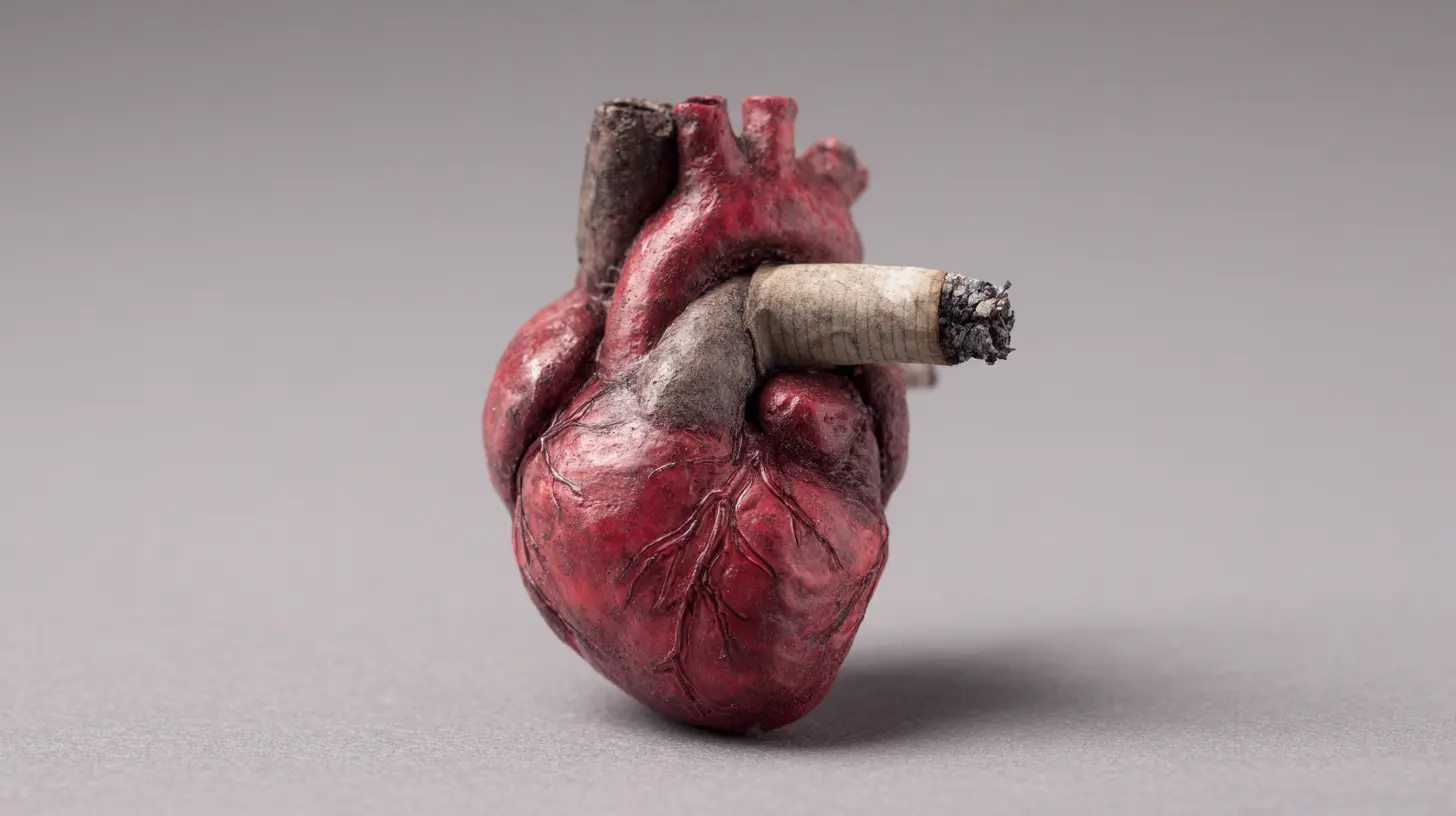
Heart Diseases Linked to Smoking
Heart disease isn’t just one condition—it's a broad term for several cardiovascular problems. And smoking is a known culprit behind many of them.Coronary Artery Disease (CAD)
CAD is the most common type of heart disease and occurs when plaque builds up in the coronary arteries, reducing blood flow to the heart. Smokers are twice as likely to develop CAD compared to non-smokers. The reduced blood flow can cause chest pain (angina) or even lead to a heart attack.Heart Attack (Myocardial Infarction)
A heart attack happens when blood flow to the heart is completely blocked, usually due to a blood clot in a narrowed artery. Smokers have a significantly higher risk of heart attacks than non-smokers, and their chances of survival are lower if they don’t quit.Stroke
A stroke occurs when blood flow to the brain is disrupted—often due to a clogged or burst artery. Smoking makes strokes more likely by increasing blood pressure, thickening blood, and accelerating artery damage. Even a few cigarettes a day can raise your chances of having a stroke.Peripheral Artery Disease (PAD)
PAD occurs when the arteries that carry blood to your limbs become narrow or blocked. Smokers are more likely to develop PAD because of arterial damage caused by toxins in cigarettes. Without proper blood circulation, PAD can lead to pain, infections, or even amputation in severe cases.Aneurysm
Smoking weakens the blood vessel walls, increasing the risk of aneurysms—bulges in the arteries that can suddenly burst, causing life-threatening internal bleeding. Aneurysms can occur in various parts of the body, but an aortic aneurysm (the body’s largest artery) is particularly deadly.
Secondhand Smoke: A Silent Killer
Think you’re safe just because you don’t smoke? Think again. Secondhand smoke is just as harmful, especially for those with existing health conditions.Non-smokers exposed to secondhand smoke still inhale toxins that damage their heart and blood vessels. Studies show that prolonged exposure increases the risk of heart disease and stroke by up to 30%. Children and pregnant women are even more vulnerable, suffering from complications like preterm birth, low birth weight, and sudden infant death syndrome (SIDS).
In short, even if you never light up, simply being around smokers puts your heart in danger.
Benefits of Quitting Smoking on Heart Health
Here’s the good news: the moment you quit smoking, your body starts repairing itself. It’s never too late to reverse the damage.- Within 20 minutes – Heart rate and blood pressure begin to drop.
- Within 8 hours – Oxygen levels in your blood improve.
- Within 24 hours – Carbon monoxide is flushed out, reducing the strain on your heart.
- Within 2-3 weeks – Circulation and lung function improve, making physical activities easier.
- Within 1 year – The risk of heart disease is cut in half.
- Within 5 years – The risk of stroke and many other cardiovascular diseases is significantly reduced.
- Within 10 years – The risk of dying from heart disease is almost the same as a non-smoker.
Every cigarette you don’t smoke adds years to your life. Your heart will thank you for it.
Tips to Quit Smoking for a Healthier Heart
Quitting smoking isn’t easy, but it’s one of the best decisions you’ll ever make for your heart and overall health. Here are some tips to help you kick the habit for good:1. Find Your Why – Whether it’s for your health, family, or future, having a strong reason to quit can keep you motivated.
2. Seek Support – Tell friends and family about your goal, or join a support group for encouragement.
3. Avoid Triggers – Identify situations or habits that make you crave a cigarette and find alternatives.
4. Try Nicotine Replacement Therapy – Patches, gum, and lozenges can help ease withdrawal symptoms.
5. Stay Active – Exercise reduces stress and improves your mood, making it easier to resist cravings.
6. Practice Stress Management – Meditation, deep breathing, or hobbies can help you cope with stress without smoking.
7. Consult a Doctor – There are prescription medications that can help you quit if you’re struggling.
The key is to be patient with yourself. Every step forward is a victory.
Final Thoughts
Smoking and heart health don’t mix—plain and simple. Every puff fills your body with toxins that damage your heart, narrow your arteries, and increase the risk of deadly diseases. But the good news? The moment you quit, your body starts healing.So, if you've been thinking about quitting, there’s no time like the present. Your heart will thank you, your loved ones will support you, and your future self will be grateful. After all—what’s more valuable than a healthy heart that keeps beating strong?
all images in this post were generated using AI tools
Category:
Healthy HeartAuthor:

Tiffany Foster
Discussion
rate this article
1 comments
Riven Hurst
Smoking and heart health are like oil and water; they just don't mix. If your heart could talk, it would probably be begging you to ditch the cigarettes... pronto!
June 9, 2026 at 4:41 AM
Tiffany Foster
Absolutely! Quitting smoking is one of the best steps you can take for your heart. It's never too late to make that change.