Personal Growth Lessons from Healing Your Body
4 March 2026
Healing isn't just about patching up wounds or managing symptoms — it's a journey. It's messy, emotional, and deeply personal. But if you pay attention, healing your body can teach you some of the most powerful lessons about personal growth. It’s wild how physical recovery often triggers emotional upgrades. If you're reading this while navigating an illness, recovering from injury, or just trying to feel better in your own skin, trust me — there’s a lot more happening under the surface than you think.
In this article, we’re diving into how healing your body can lead to transformation in your mindset, habits, relationships, and overall outlook on life. Because sometimes, the path to becoming a better version of yourself starts where it hurts the most — your body.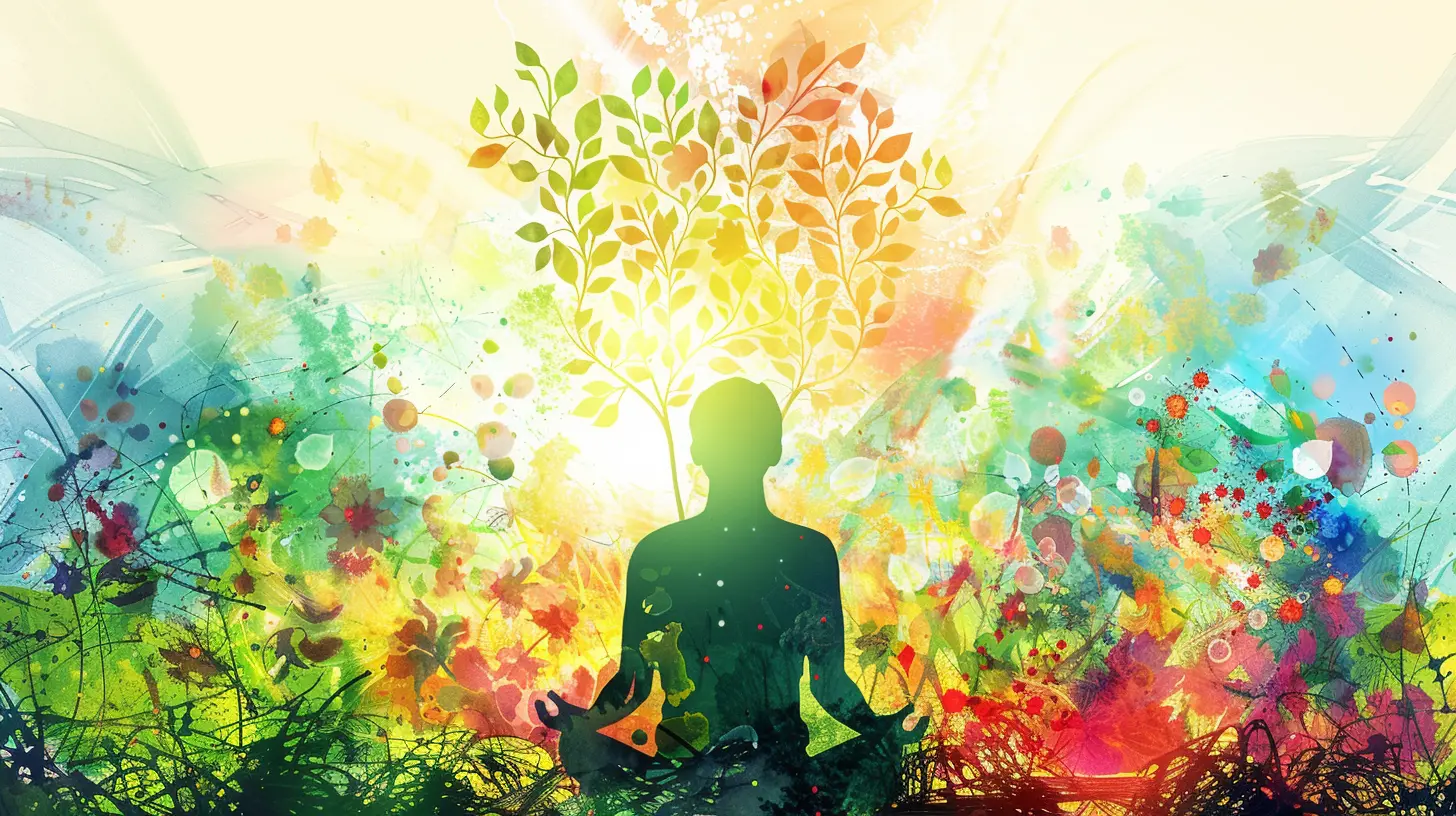
Hitting Rock Bottom Physically Teaches You Patience
Let’s be real — healing is slow. Like, molasses-in-winter slow. If you’ve ever been sidelined by an injury or chronic illness, you know how maddening it is to wait. But here’s the catch: this forced pause teaches you patience in a way no self-help book ever could.We live in a culture obsessed with productivity. Sick? Pop a pill. Hurt? Wrap it up and keep going. But your body doesn’t follow a calendar. It has its own rhythm, and learning to honor that rhythm is like learning a new language — the language of self-awareness.
This patience spills over into other areas of life too. You begin to respond rather than react. You give others more grace. You stop expecting changes overnight. And that, my friend, is huge.
Pain Forces You to Slow Down (And That’s a Good Thing)
When your body hurts, your instincts shift. You stop doing too much. You start listening. You take naps. You cancel plans. It’s like your body flips the emergency brake and says, "Hey, we’ve got to talk."This slowing down often becomes a portal to clarity. You begin to notice things — the way stress shows up in your shoulders, the foods that make you groggy, the emotions you’ve been shoving under the rug. When you slow down long enough, you start really hearing your body’s whispers before they become screams.
And here’s the kicker: slowing down doesn't mean falling behind. It often means catching up with yourself.
Healing Shifts Your Relationship With Control
Ever try to control your healing timeline? Spoiler alert — it doesn’t work.The unpredictability of physical healing shows you how little you actually control. You can eat all the right foods, go to every appointment, take every supplement, and still… progress is nonlinear.
This can be frustrating. But over time, it humbles you. You start focusing on what you can control — your attitude, your breath, your daily habits. You start letting go of outcomes and leaning into the process. That’s when things shift from "Why is this happening to me?" to "What can this teach me?"
That mindset change is pure gold.
You Learn the Power of Consistency
When you’re on a healing journey, consistency becomes your best friend.Taking your meds. Doing your PT exercises. Cutting out foods that don’t serve you (no matter how good pizza sounds). It might feel monotonous or even pointless at times, but months down the line, you look back and think — “Wow, that tiny decision I made every day really added up.”
This logic applies to personal growth too.
Want to change your mindset? Show up daily for your affirmations. Want to build confidence? Practice showing up, even when you’re scared. Healing your body proves that small, repetitive actions create massive results over time.
Self-Compassion Becomes Non-Negotiable
If you’ve ever judged yourself for being sick or injured — you're not alone.We can be so harsh on ourselves when our bodies don’t do what we want. You might think you’re weak, lazy, or somehow responsible for your pain. But true healing starts when you speak to yourself like you would a scared child — with kindness.
Self-compassion becomes a survival strategy. It turns into this inner voice that says, "It's okay. You're doing your best. Rest is productive too." And guess what? This voice doesn’t just help your body heal — it becomes your inner coach for life.
Once you master self-compassion, you start seeing everything through a softer lens — your failures, your relationships, your past. That’s a major personal growth win.
You Start Prioritizing Yourself (And No, It’s Not Selfish)
Before healing, many of us are people-pleasers. We say yes to everything and everyone — even when our bodies are screaming no. But physical healing forces boundaries.You begin saying no to things that drain you. You spend more time cooking, sleeping, moving mindfully. You skip the toxic relationships and late-night doom scrolling. You choose you — and not in a self-centered way, but in a deeply empowered way.
Making yourself a priority isn’t selfish. It’s essential. And once you realize that, you won’t go back.
Chronic Issues Build Resilience You Didn’t Know Was Possible
Let’s talk about grit.People who live with chronic illness or face long recovery periods develop a type of resilience that's impossible to fake. You keep showing up, even with pain. You find ways to work around fatigue. You stay hopeful, even when progress is glacial.
This resilience trickles into your mindset. When life throws emotional curveballs — breakups, job stress, family drama — you handle them differently. You’ve built emotional armor, not by numbing, but by enduring.
And resilience isn’t about being invincible. It’s about showing up, scarred and all, with determination in your eyes.
You Reevaluate Your Priorities
Healing has a way of shaking the snow globe.Suddenly, the things you thought mattered — your job title, your social calendar, your Instagram following — take a back seat. You start focusing on what really counts: your peace, your sleep, your connections, your joy.
You begin to notice the small moments — warm tea, sunshine on your skin, a text from a friend. These simple things fill your cup in ways you never noticed before. It’s almost like stripping life down to its bare essentials gives you access to real gratitude.
And that shift? That’s growth in its purest form.
You Learn to Listen — Like, Really Listen
Healing requires deep listening — not just to your body, but to your heart.You begin tuning into what feels good and what doesn’t. What nourishes and what depletes. What aligns and what distracts.
This kind of listening changes everything.
You start saying no without guilt. You make decisions that scare you and feel right. You trust your gut more than others’ opinions. And ironically, the more you listen to yourself, the more connected you feel to everything around you.
It Sparks a Ripple Effect in Other Areas of Life
Here’s the beautiful thing — healing is contagious.When you start treating your body better, you begin treating your mind better. You communicate differently. You lead with empathy. You parent differently. You even dream differently.
You realize healing isn’t a checkbox — it’s a lifestyle.
It transforms your definition of success. It changes how you view rest, beauty, achievement, and worth. Your whole life starts shifting towards authenticity. And those changes, however small at first, create a tidal wave of personal evolution.
Final Thoughts: Your Body Is Your Greatest Teacher
Look, healing isn’t pretty. It’s a mess of tears, trial and error, doctor visits, setbacks, and slow wins. But if you let it, it can be the most enlightening journey you’ve ever been on.Your body keeps the score. But it also holds the keys to growth, transformation, and self-love. It’s not just a vessel — it’s a guide. And when you learn to heal with it rather than fight against it, you don’t just get healthier — you get wiser.
So next time your body demands rest or slams on the brakes, try to ask yourself: What is this moment here to teach me?
Odds are, it’s gifting you something way bigger than you think.
all images in this post were generated using AI tools
Category:
Personal GrowthAuthor:

Tiffany Foster
Discussion
rate this article
2 comments
Annette McQuillan
In the quiet shadows of healing, hidden truths emerge—transform your body and spirit in unexpected ways.
March 20, 2026 at 5:46 AM
Tiffany Foster
Thank you for your insightful comment! Healing truly reveals profound truths that can lead to transformative growth in both body and spirit.
Olympia Miller
Healing your body is like updating your life software—sometimes you need to reboot, clear the cache, and remember that self-care is the ultimate power-up. Let the growth games begin!
March 6, 2026 at 3:35 PM
Tiffany Foster
Absolutely! Embracing self-care is essential for personal growth—it’s about refreshing our mindset and nurturing our well-being. Let’s dive into this journey together!