The Impact of Sleep on Fitness and Recovery
18 May 2026
Sleep is often the unsung hero in a fitness journey. While workouts and nutrition get all the spotlight, sleep quietly plays a crucial role in muscle recovery, performance, and overall well-being. Think of it as the reset button your body desperately needs to repair itself and grow stronger.
If you’ve ever felt sluggish during a workout or noticed your progress stalling, poor sleep might be the culprit. In this article, we’ll break down the impact of sleep on fitness and recovery—and why prioritizing rest is just as important as hitting the gym.

Why Sleep Matters for Fitness
We all know sleep is essential, but when it comes to fitness, its importance skyrockets. Whether you're lifting weights, running marathons, or just trying to stay active, your body needs rest to perform at its peak.When you sleep, your body undergoes crucial processes that directly impact fitness:
- Muscle Repair and Growth – Sleep triggers the release of growth hormones, which are essential for muscle recovery and development.
- Energy Restoration – Your body replenishes glycogen levels while you sleep, ensuring you have enough fuel for your next workout.
- Mental Focus and Coordination – A well-rested brain improves reaction time, coordination, and decision-making, making workouts more effective and safer.
So, if you’ve been neglecting your sleep, you might be shortchanging your progress.
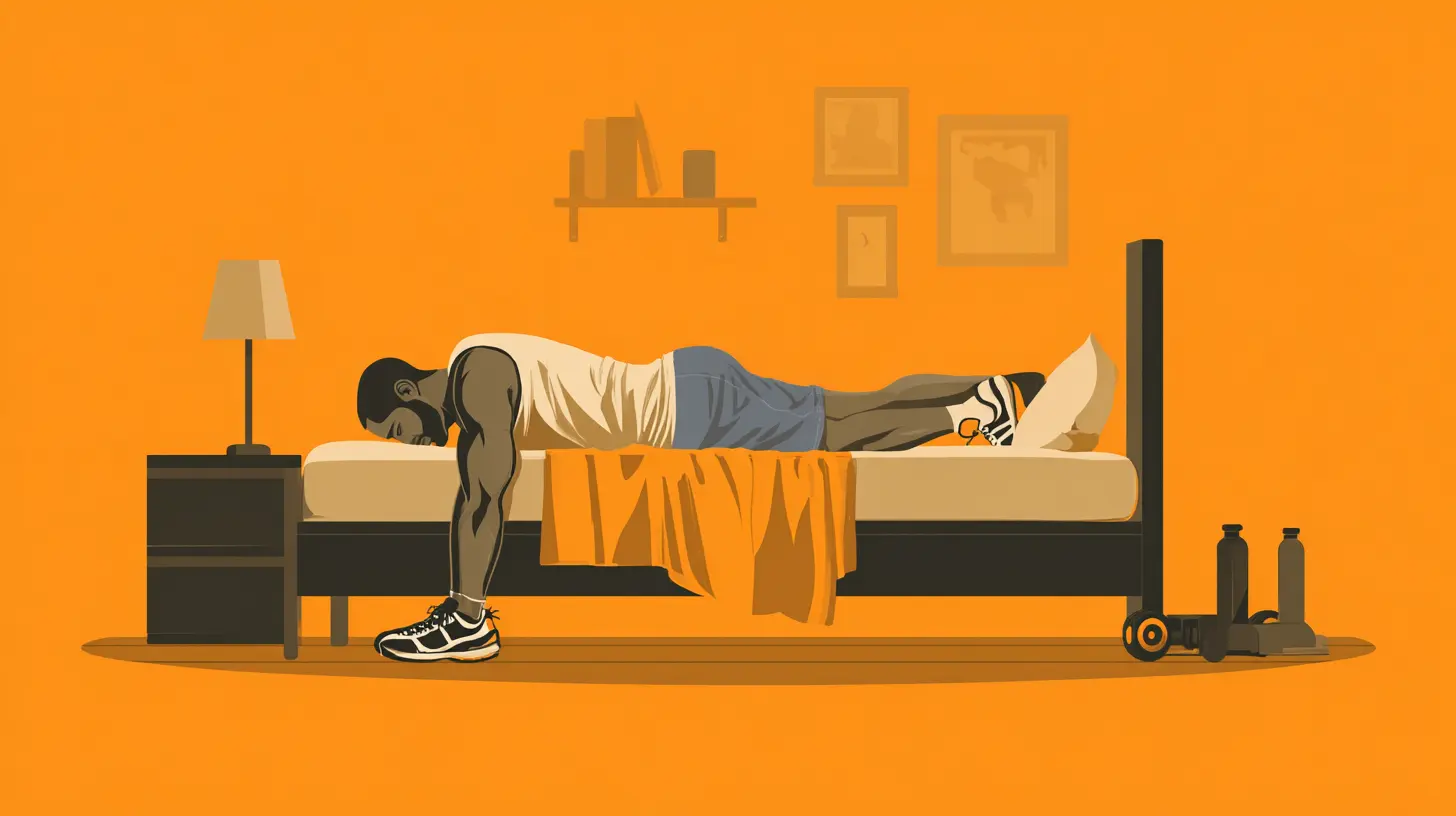
The Science Behind Sleep and Muscle Recovery
Stage-by-Stage Recovery Process
Sleep isn’t just one long nap—it’s a cycle with different stages, each playing a role in recovery:1. Light Sleep (Stages 1 & 2): This is when your body starts to relax, and your heart rate slows down. It’s basically the warm-up for deeper sleep.
2. Deep Sleep (Stage 3): This is the goldmine for recovery. Growth hormone surges, muscles repair, and your body gets to work rebuilding tissues.
3. REM Sleep (Stage 4): While this stage is more about brain function and mental recovery, it also helps regulate cortisol (the stress hormone), which can affect muscle breakdown.
If you’re cutting your sleep short, you’re missing out on these crucial stages, meaning less recovery and potentially weaker performance.
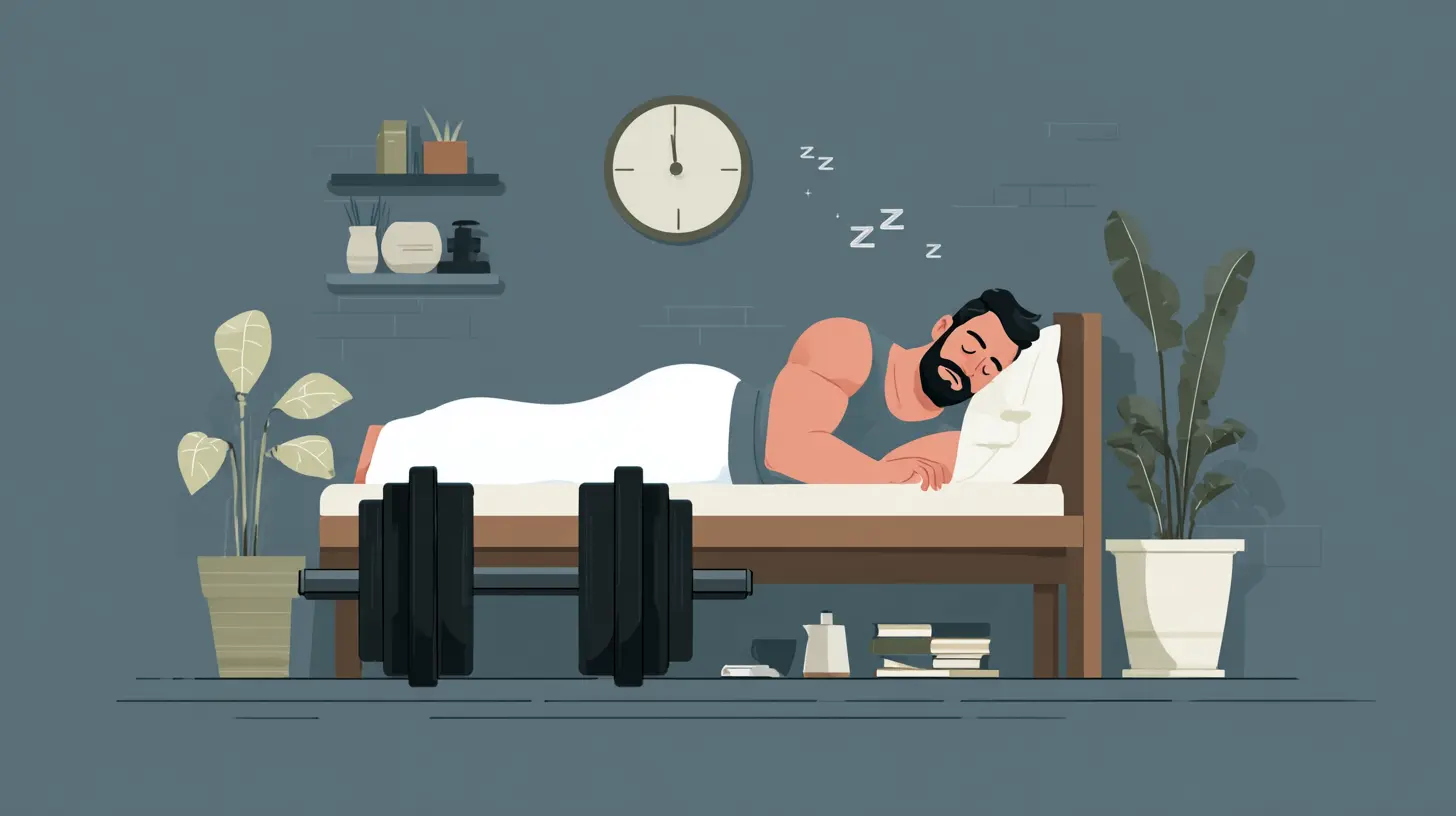
How Lack of Sleep Affects Fitness
Ever had a terrible night’s sleep and felt like your body was moving in slow motion the next day? That’s because inadequate sleep messes with almost every aspect of fitness.1. Reduced Strength and Endurance
A sleep-deprived body struggles to generate power, which means your lifts feel heavier and your endurance takes a hit. Studies have shown that even one night of bad sleep can significantly reduce muscle strength and performance.2. Increased Risk of Injury
When you're tired, your reaction time slows down, and your coordination suffers. That means a higher chance of dropping weights, misstepping, or pulling a muscle. Skipping sleep is like trying to text while running—you're bound to trip up.3. Poor Muscle Recovery
If you're constantly sore and taking longer to recover, lack of sleep might be the culprit. Without sufficient rest, your muscles don’t get the time they need to repair, leading to prolonged soreness and increased risk of overtraining.4. Hormonal Imbalances
Sleep helps regulate crucial fitness-related hormones, including:- Testosterone – Essential for muscle growth; lack of sleep lowers it.
- Cortisol – The stress hormone; too much can lead to muscle breakdown.
- Leptin & Ghrelin – These control hunger; sleep deprivation leads to increased appetite and poor food choices.
In short, skimping on sleep doesn’t just make you tired—it throws your entire system out of whack.

The Connection Between Sleep and Weight Loss
Trying to lose weight? Sleep is your secret weapon.Sleep and Metabolism
When you're sleep-deprived, your metabolism slows down, making it harder to burn calories efficiently. Plus, poor sleep increases cravings for junk food, making it easier to overconsume calories.The Late-Night Snack Trap
Ever notice how you crave sugary, high-carb foods when you're tired? That’s because sleep deprivation messes with hunger hormones, making you feel hungrier than you actually are. That late-night snack binge? Most likely caused by lack of sleep, not true hunger.Fat Loss vs. Muscle Loss
Studies have shown that people who get enough sleep lose more fat while preserving muscle. But those who sleep less tend to lose more muscle instead. If your goal is fat loss without sacrificing muscle, prioritize quality sleep just as much as your workouts.Tips to Improve Sleep for Better Fitness and Recovery
Now that we’ve established how crucial sleep is, let's talk about how to get better rest.1. Stick to a Sleep Schedule
Going to bed and waking up at the same time every day (yes, even on weekends) helps regulate your body’s internal clock, making it easier to fall and stay asleep.2. Create a Sleep-Friendly Environment
Your bedroom should be a sleep sanctuary. Keep it cool, dark, and quiet. Blackout curtains, white noise machines, and a comfortable mattress can make a huge difference.3. Avoid Caffeine and Electronics Before Bed
Caffeine can stay in your system for hours, so avoid it late in the day. And those late-night scrolling sessions? The blue light from screens messes with melatonin production, making it harder to fall asleep.4. Prioritize Relaxation Before Bed
Wind down with relaxation techniques like reading, meditation, or gentle stretching. Your body needs a signal that it's time to shut down.5. Don’t Overdo Late-Night Workouts
While exercise helps promote good sleep, working out too close to bedtime can spike adrenaline levels, making it harder to fall asleep. Try to finish intense workouts at least a few hours before bed.6. Manage Stress Levels
High levels of stress lead to restless nights. Incorporating mindfulness, deep breathing, or journaling before bed can help calm the mind and improve sleep quality.
How Much Sleep Do You Really Need?
The sweet spot varies from person to person, but here’s a general guideline:- Athletes & Active Individuals: 7–9 hours, with some elite athletes needing up to 10 hours for optimal recovery.
- Casual Gym-Goers: 7–8 hours should be sufficient.
- Sedentary Individuals: Even if you're not super active, your body still needs at least 7 hours for general health.
The takeaway? More intense exercise means more sleep is needed to recover.
Final Thoughts
Sleep is not just "rest"—it's an active and vital process for fitness and recovery. If you're not prioritizing sleep, you're limiting your potential, whether it’s strength gains, fat loss, or endurance. Treat sleep like an essential part of your training program, just like nutrition and workouts.So, the next time you’re tempted to stay up late scrolling or watching one more episode, ask yourself: "Is this worth sacrificing my progress?" Your body deserves the rest it needs to perform at its best.
all images in this post were generated using AI tools
Category:
FitnessAuthor:

Tiffany Foster
Discussion
rate this article
2 comments
Grayson McLean
Sleep plays a crucial role in fitness and recovery. Quality rest not only repairs muscles but also supports mental focus and motivation. Prioritizing good sleep habits can enhance workout performance and speed up recovery time. Remember, it's not just about the hours slept but the quality of that sleep.
July 17, 2026 at 3:05 AM
Tiffany Foster
Absolutely, quality sleep is key for both physical recovery and mental clarity. Prioritizing it can really elevate overall performance.
Isaac Tucker
Sleep truly makes a difference in how we recover and perform.
May 20, 2026 at 4:59 PM
Tiffany Foster
Absolutely, quality sleep is crucial for optimal recovery and performance. Prioritizing rest can lead to significant improvements in fitness outcomes.