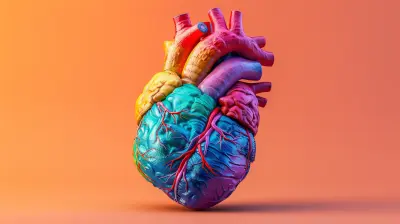
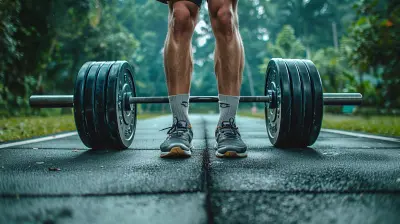
Organic Food for Athletes: Fueling Performance Naturally
5 January 2026
Introduction
Athletes are warriors of endurance, sculptors of strength, and poets of motion. They push their bodies beyond limits, chasing excellence with every stride, jump, and lift. But what powers these human machines? The answer lies not in artificial supplements or chemical-laden shortcuts but in the raw, untamed power of organic food—nature’s ultimate fuel.
If you’re an athlete, or simply someone looking to maximize physical performance, organic food isn’t just a trend; it’s a game-changer. It’s the secret weapon that champions rely on—a clean, wholesome way to nourish your body and enhance recovery.
Let’s dive deep into how organic food fuels the athlete's journey, one bite at a time. 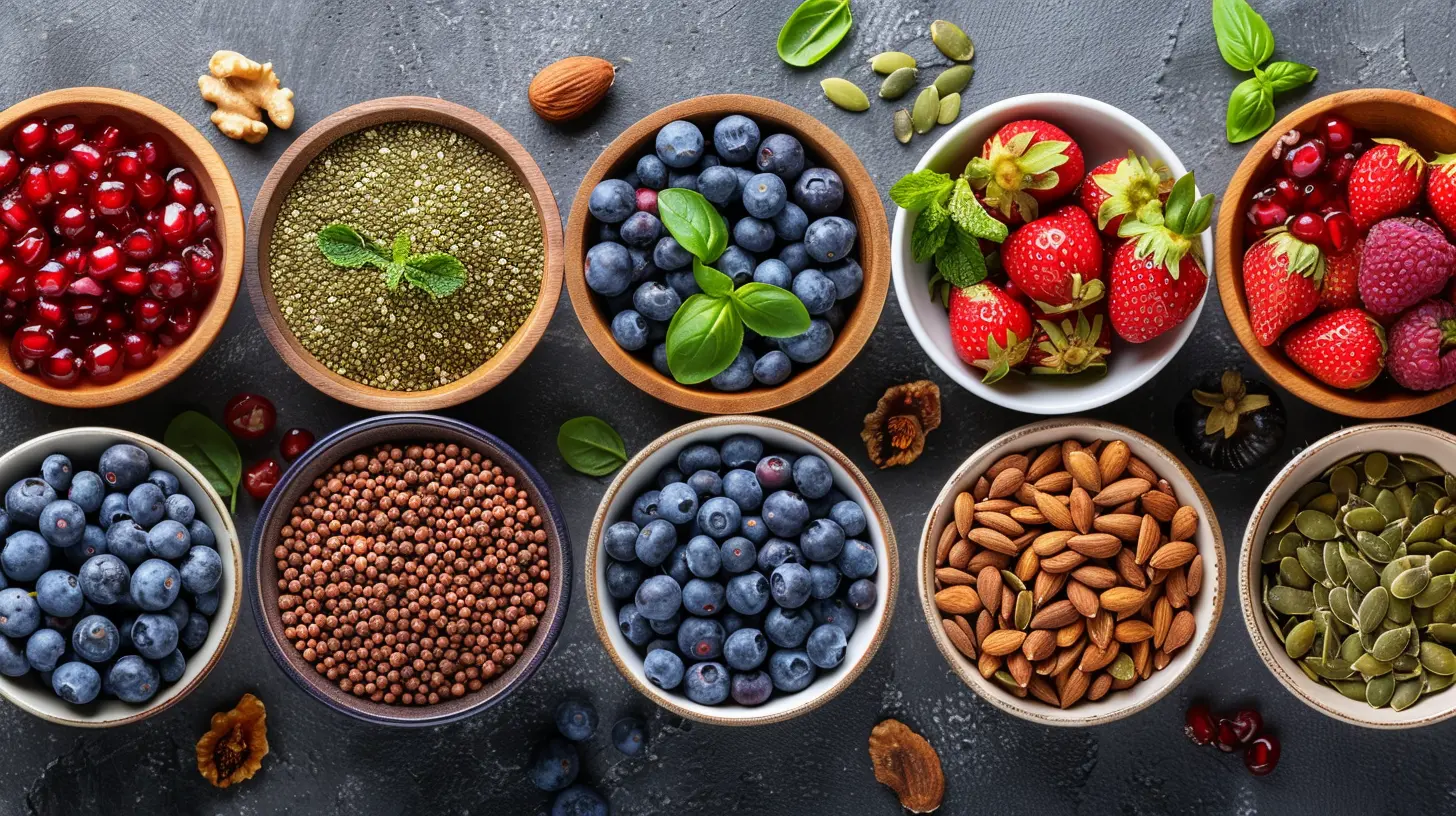
Why Organic Food?
Pure Fuel, Pure Performance
Imagine feeding a high-performance sports car with low-quality fuel. It sputters, struggles, and ultimately fails to reach its full potential. Your body works the same way. Pump it full of pesticides, artificial additives, and genetically modified ingredients, and you risk sluggish performance, slow recovery, and long-term health complications.Organic food is clean fuel—free from synthetic chemicals, artificial preservatives, and genetically modified organisms (GMOs). It’s food in its purest form, packed with nutrients that allow your body to function at its peak.
Higher Nutrient Density
Organic fruits, vegetables, and grains are typically richer in essential vitamins and minerals compared to their conventionally grown counterparts. They thrive in mineral-rich soil without synthetic fertilizers, resulting in crops with higher antioxidant levels—a key factor in reducing inflammation and improving recovery.For athletes, this means better oxygen flow, enhanced muscle repair, and stronger immunity—everything you need to train harder and recover faster. 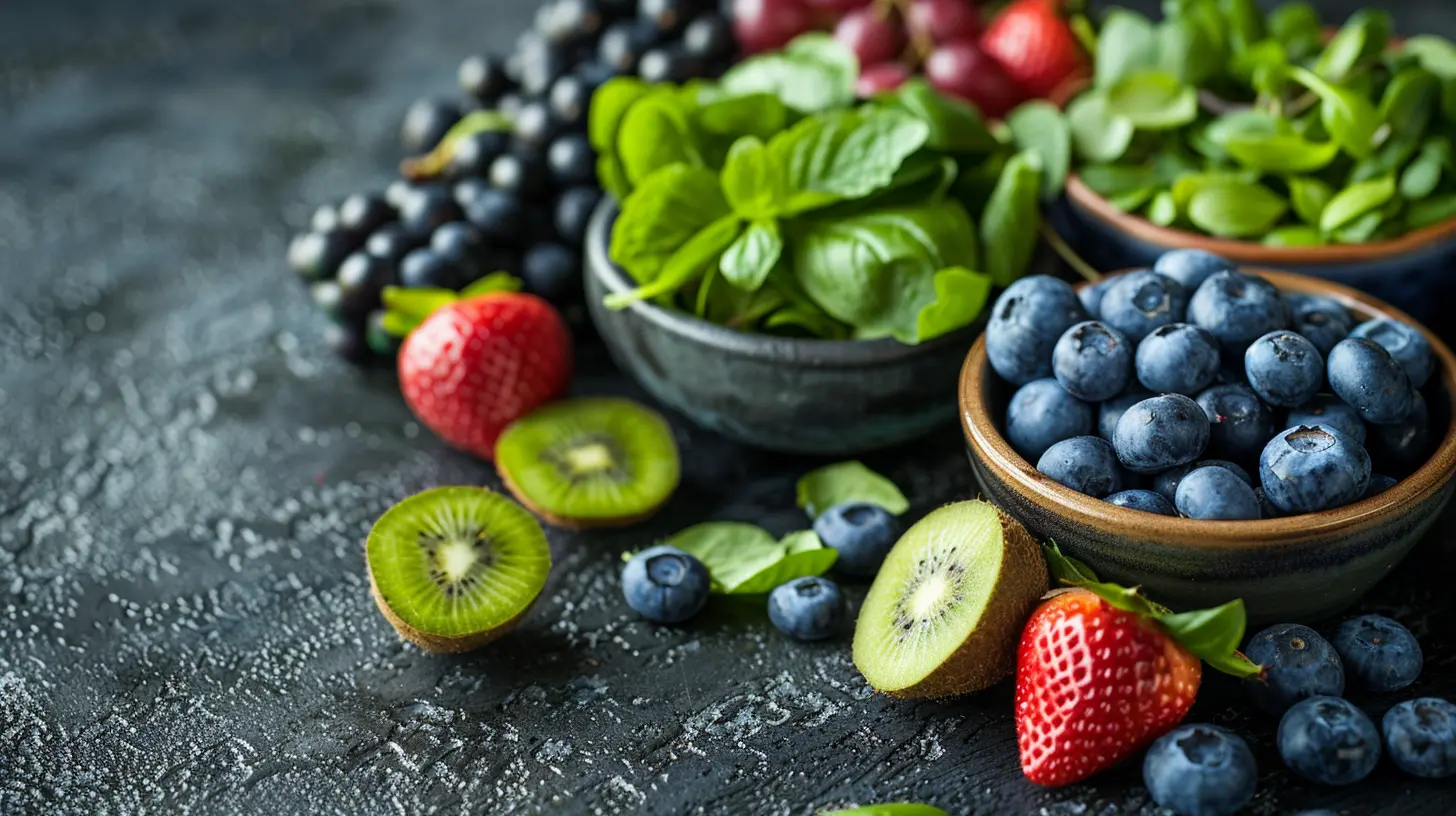
Key Organic Foods for Athletes
1. Organic Leafy Greens: Nature’s Multivitamin
Spinach, kale, Swiss chard—these leafy powerhouses are loaded with iron, magnesium, and vitamin K, all crucial for endurance and strong bones. Magnesium, in particular, helps with muscle contraction and relaxation, reducing the chance of cramps.Pro tip: Blend organic greens into a post-workout smoothie with bananas and almond milk for a recovery boost!
2. Organic Berries: The Antioxidant Warriors
Blueberries, raspberries, and strawberries—small but mighty. They fight oxidative stress and inflammation, keeping your muscles and joints happy.Berries are nature’s candy, but unlike processed sugar, they fuel your body without causing energy crashes. Pop a handful pre-workout for a burst of natural energy!
3. Organic Quinoa: The Ancient Supergrain
Quinoa isn’t just another grain—it’s a complete protein, meaning it contains all nine essential amino acids. It’s also gluten-free, making it an excellent choice for athletes with sensitivities.With its slow-releasing carbs and muscle-repairing proteins, quinoa is perfect for sustained energy during long training sessions.
Pro tip: Swap rice for quinoa in your meals for a protein-rich boost.
4. Organic Bananas: The Natural Energy Bar
Need a quick energy fix before training? Turn to organic bananas. Packed with potassium and natural sugars, they prevent cramps and provide an instant energy kick without the artificial junk found in energy bars.Pair them with almond butter for a protein-carb combo that fuels endurance.
5. Organic Nuts and Seeds: Tiny but Mighty
Almonds, walnuts, flaxseeds, and chia seeds—these tiny powerhouses are full of healthy fats, protein, and omega-3s. They keep inflammation in check and provide long-lasting energy.Almonds, for example, contain vitamin E, which helps protect muscles from oxidative damage, keeping recovery time minimal.
Pro tip: Sprinkle chia seeds into your smoothie or yogurt for an extra omega-3 boost!
6. Organic Eggs: The Muscle Builders
Eggs are a protein powerhouse, packed with essential amino acids that aid in muscle recovery and growth. Choosing organic eggs ensures you’re getting hormone-free, antibiotic-free quality protein, making a big difference in performance.Fun fact: The yolk is just as important as the white—it houses most of the vitamins and minerals!
7. Organic Sweet Potatoes: The Power Carbs
While refined carbs spike blood sugar, organic sweet potatoes provide slow-digesting carbohydrates, keeping energy levels stable throughout your workouts. Rich in vitamin A, fiber, and potassium, they help with muscle function while keeping digestion smooth.Try this: Bake sweet potato fries with coconut oil and sea salt for a nutritious, tasty snack! 
Benefits of Organic Food for Athletes
1. Faster Recovery
Organic food reduces the body’s exposure to harmful chemicals, which can cause inflammation and slow down recovery. The clean nutrients aid in muscle repair and immune function, so you bounce back quickly after intense training.2. Sustained Energy Levels
Processed foods cause blood sugar spikes and crashes. Organic foods, on the other hand, provide natural, slow-burning energy, keeping you sustained throughout workouts without sudden fatigue.3. Improved Gut Health
Your gut is your second brain, influencing digestion, immunity, and even mental clarity. Since organic foods are free from pesticides and antibiotics, they protect your gut microbiome, leading to better nutrient absorption and overall health.4. Reduced Toxic Load
Conventional food contains synthetic pesticides, fertilizers, and hormones, all of which can build up in your system over time, affecting hormone balance and overall well-being. Organic food keeps your body clean, allowing you to function at your peak.5. Stronger Immunity
Athletes push their bodies to the limit, often leading to weakened immune systems. The vitamin-rich, antioxidant-packed organic foods fortify immunity, keeping you healthy and injury-free.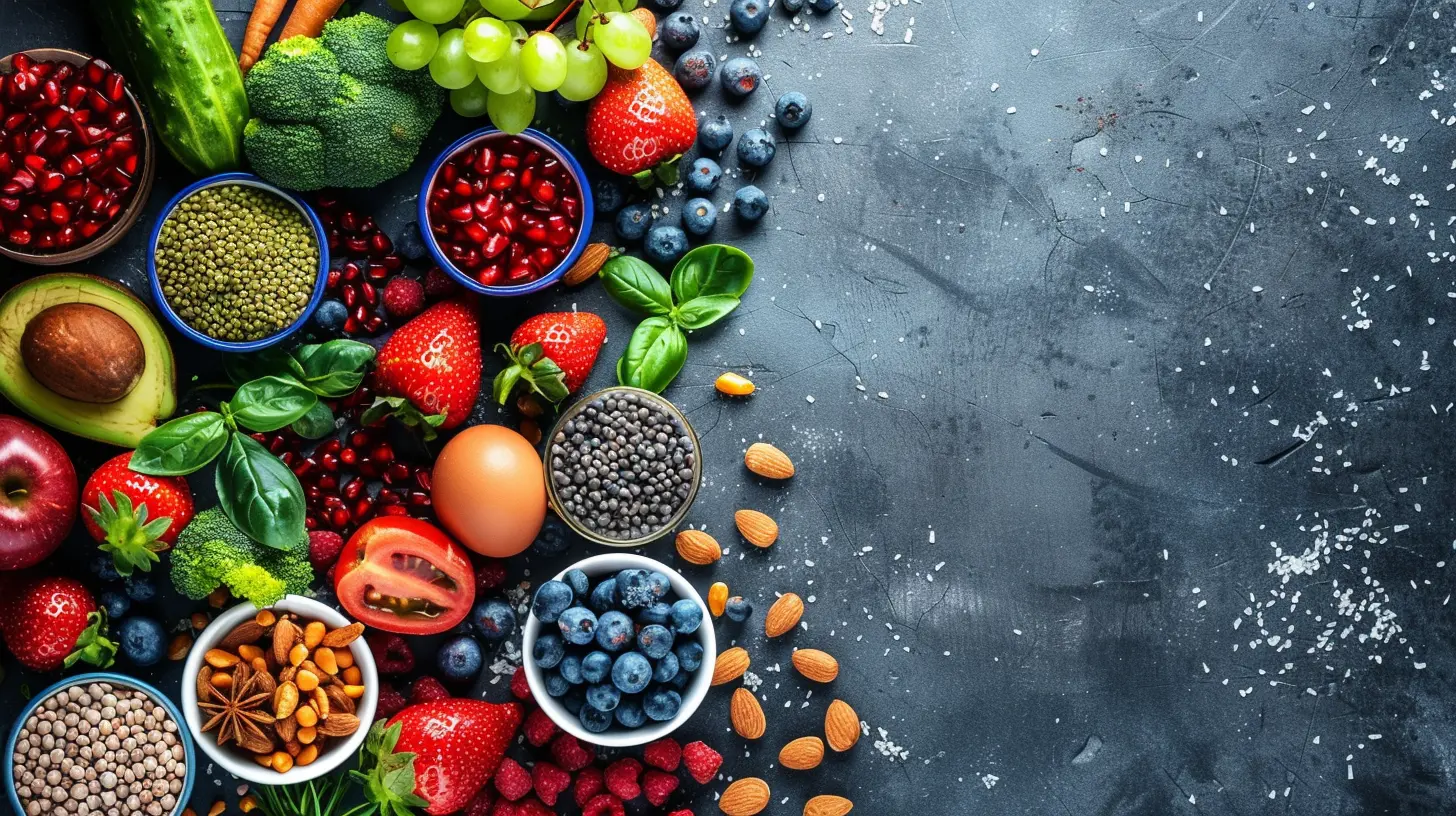
How to Transition to an Organic Diet
Shifting to an organic diet doesn’t mean overhauling your entire kitchen overnight. Start small and build your way up:1. Swap your staples – Replace conventionally grown produce with organic fruits and vegetables.
2. Prioritize animal products – If budget is a concern, focus on organic eggs, dairy, and meats first to avoid hormones and antibiotics.
3. Read labels carefully – Not every product labeled "natural" is truly organic. Look for the USDA Organic certification.
4. Meal prep with organic ingredients – Cooking at home makes it easier to control what goes into your body.
5. Find local organic markets – Shopping at local farmer’s markets often ensures fresher, more affordable organic options.
Conclusion
Organic food isn’t just a fad; it’s a commitment to your body, performance, and longevity. It fuels endurance, aids recovery, and provides the cleanest possible energy source for athletes who demand the best from their bodies.When you choose organic, you’re not just eating—you’re investing in a stronger, healthier, and faster version of yourself. So, next time you reach for an energy bar, ask yourself: Could a banana do the job just as well? Chances are, it can—and even better.
It’s time to fuel naturally, train harder, and perform like never before.
all images in this post were generated using AI tools
Category:
Organic FoodsAuthor:

Tiffany Foster
Discussion
rate this article
2 comments
Thor Cooper
This article beautifully highlights the benefits of organic food for athletes. It’s inspiring to see how natural nutrition can enhance performance and well-being. I appreciate the insights shared here and am excited to incorporate more organic options into my own training diet. Thank you for this valuable information!
February 21, 2026 at 5:57 AM
Tiffany Foster
Thank you for your kind words! I'm glad you found the information valuable and inspiring. Best of luck with incorporating organic foods into your training!
Astoria Mercado
Organic food enhances recovery, providing optimal nutrient absorption.
January 7, 2026 at 5:38 AM
Tiffany Foster
Thank you for your insight! Indeed, the nutrient density of organic food can significantly support athletes' recovery and overall performance.