The Effect of Sleep on Strength and Muscle Recovery
17 May 2026
Let’s face it. You can lift heavy, eat clean, down protein shakes like clockwork—but if your sleep sucks, you're leaving gains on the table. Big time. The truth is, what happens between the sheets (and no, not that) matters just as much as what happens under the bar.
Sleep is that sneaky, often ignored secret weapon in your fitness arsenal. It's the unsung hero of strength and muscle recovery, and it's high time we started treating it like the VIP it is. Ready to stop treating sleep like some optional add-on and start giving it the respect it deserves? Buckle up.
Why Sleep Matters More Than You Think
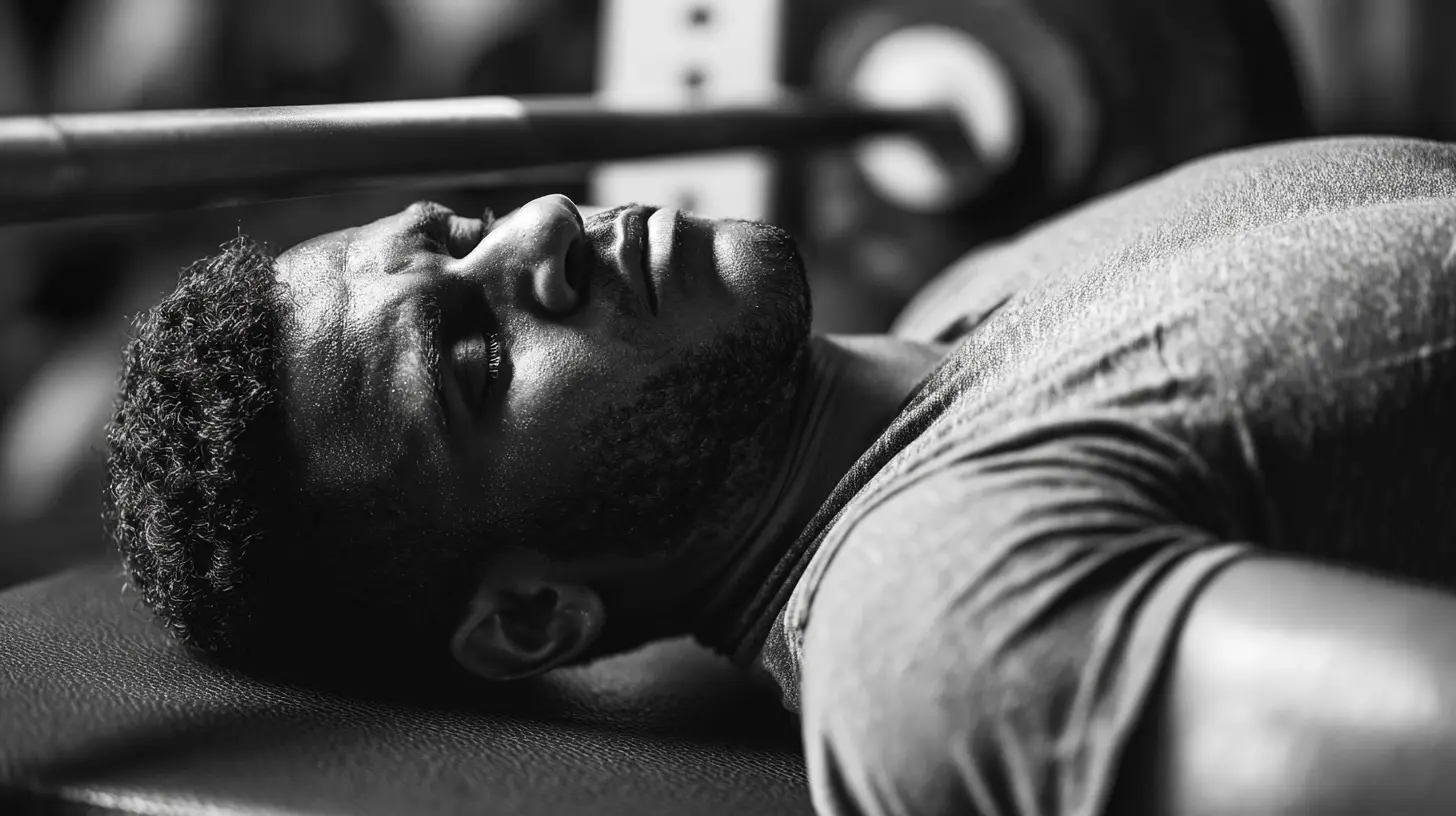
You ever wake up feeling like you got hit by a freight train after a bad night’s sleep? That grogginess doesn’t stop at your mood—it drills straight down into your performance.When you sleep, your body goes into repair mode. Think of it as your nightly auto-repair shop. Muscles that were broken down in the gym get patched up and built back stronger. Hormones responsible for strength, endurance, and metabolism go into full production mode. Skip sleep, and you're skipping all of this.
And here’s the kicker: not getting enough shuteye doesn’t just slow down your gains—it can straight-up reverse them.
Hormones: The Silent (and Sleepy) Muscle Builders
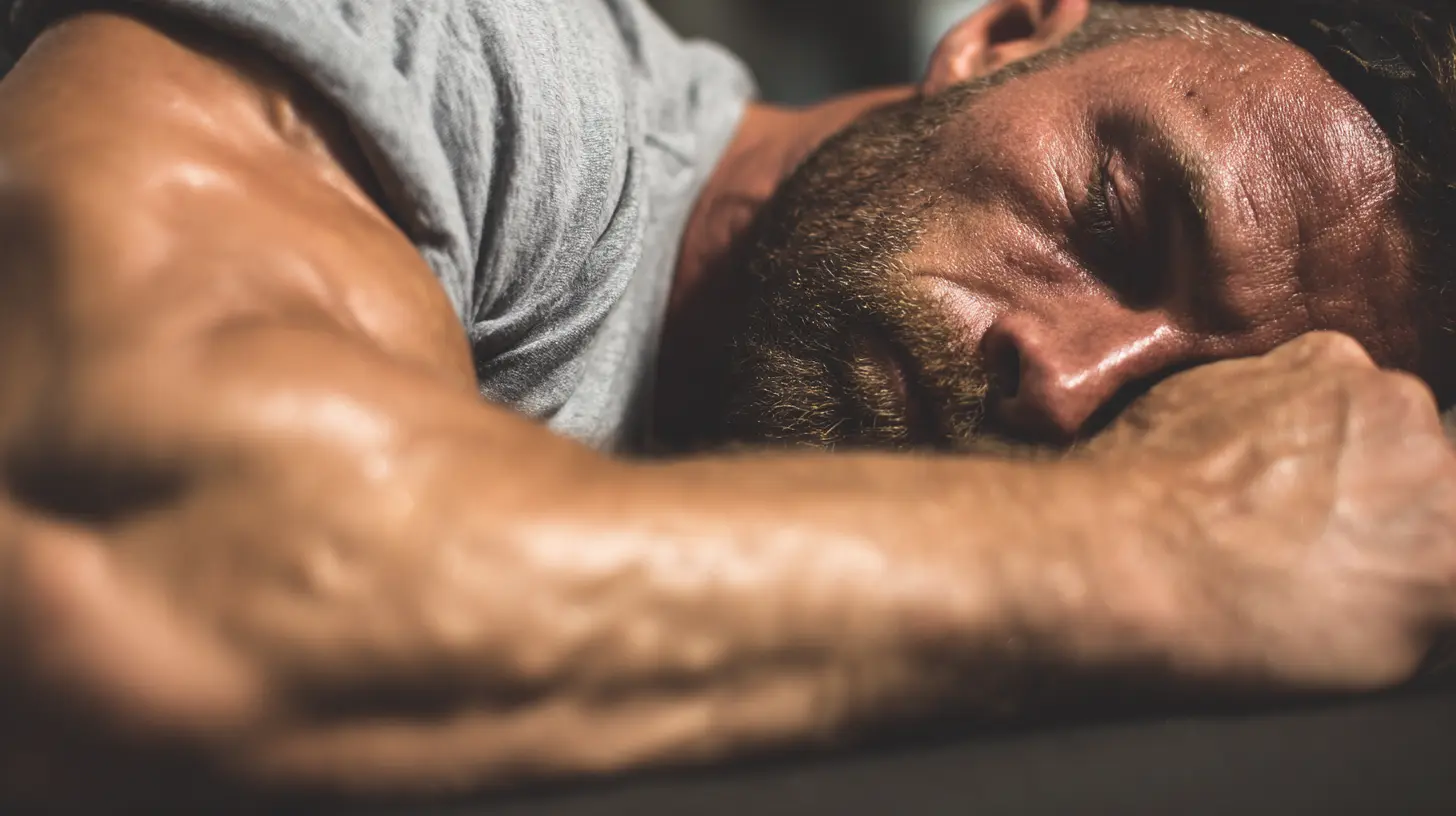
When you sleep—especially deep, non-REM sleep—your body releases human growth hormone (HGH), testosterone, and melatonin. These guys are like the Avengers of muscle repair.- Human Growth Hormone (HGH): This is the big daddy of recovery. It speeds up muscle healing, boosts fat metabolism, and ramps up muscle growth. Most of it gets released during, you guessed it, deep sleep.
- Testosterone: Low sleep = low T. Simple math. And testosterone isn’t just about libido—it's crucial for muscle mass and strength.
- Melatonin: Not only does this regulate your sleep-wake cycle, but it's also a powerful antioxidant that helps reduce inflammation from intense workouts.
Cut your sleep short, and you’re telling your hormonal dream team to take the night off. Not smart.

The Muscle Recovery Process (And Where Sleep Fits In)
Let’s break it down. When you work out—especially strength training or resistance work—you create microscopic tears in your muscle fibers. This sounds bad, but it’s actually good. It's how muscles grow.Those tears need to be repaired. And that repair process doesn’t happen in the gym. It happens after, and mostly—yep, you guessed it—while you sleep.
During sleep, your body:
- Reduces cortisol levels (the stress hormone that eats away at muscle)
- Rebuilds muscle fibers stronger than before
- Restocks glycogen stores, so your energy levels are ready for the next session
- Flushes out cellular waste, reducing soreness and inflammation
Skipping sleep is like trying to build a house without letting the cement dry. You’re just setting yourself up for a collapse.

Sleep and Strength: The Connection Is Real
Strength isn’t just about muscle size. It’s about neural efficiency too. Your central nervous system (CNS) plays a huge role in performance—coordination, reaction time, focus, and yes, raw strength all rely on it.And your CNS takes a beating during intense training. It needs time to recover. Guess when that happens? Ding ding—when you’re asleep.
Poor sleep leads to:
- Slower reaction times
- Decreased motivation
- Reduced endurance
- Lowered max strength output
Basically, you get weaker, lazier, and more prone to injury. Not a good combo for chasing PRs.
Sleep and Muscle Soreness: How It All Ties Together
You know that oh-so-fun soreness you feel after leg day? That’s Delayed Onset Muscle Soreness (DOMS), and while it’s a sign you pushed your limits, it can seriously impact your next workout if it sticks around too long.Better sleep equals faster recovery from DOMS. Why? Because your immune system can work more efficiently during sleep, reducing inflammation and repairing the muscle damage quicker. Less soreness = more consistent training = more gains.
How Much Sleep Do You Really Need?
Let’s clear this up once and for all.- 7 to 9 hours is the sweet spot for most adults.
- If you're an athlete or training intensely? You might need closer to 9–10 hours. That’s not lazy—that’s smart.
Forget the “I’ll sleep when I’m dead” BS. That mindset is killing your progress.
Quality Matters: Not Just Quantity
Ever sleep for 8 hours but still feel exhausted? That’s low-quality sleep. You want deep, uninterrupted sleep cycles that allow your body to go through all the important stages:- Stage 1 & 2: Light sleep, where your body starts to relax
- Stage 3: Deep sleep, where most of the recovery magic happens
- REM: Brain restoration, memory processing, and mental recovery
If you're tossing and turning, or waking up a bunch of times, your body isn’t getting the deep sleep it needs. It’s like going to the gym and only doing warm-up sets. A waste of time.
Tips to Boost Sleep for Better Recovery
Okay, so we know sleep is critical. But how do we actually improve it? Glad you asked.1. Stick to a Sleep Schedule
Go to bed and wake up at the same time every day—even on weekends. Yes, even after leg day.2. Ditch Late-Night Screens
That blue light from phones and laptops? It messes with melatonin production. Try cutting off screens at least an hour before bed.3. Create a Bedtime Ritual
Read a book, stretch, meditate—whatever tells your brain it's time to wind down.4. Keep Your Room Cool and Dark
Light and heat are sleep’s natural enemies. Blackout curtains and a fan? Total game-changers.5. Don’t Eat Heavy Before Bed
Going to bed stuffed can disrupt sleep cycles. Keep your last meal light and at least 2 hours before hitting the sack.6. Be Smart About Caffeine
Love your pre-workout? Great. Just don’t slam it after 4 PM unless you want to stare at your ceiling all night.Overtraining + Poor Sleep = Disaster
Overtraining is real. And if you're not sleeping, you're not recovering. Stack that combo, and you're not just risking poor performance—you’re risking serious injury, burnout, and a one-way ticket to Plateau City.Recovery isn’t a luxury—it’s part of the program. And proper sleep is the cornerstone of that recovery.
Sleep Supplements: Are They Worth It?
Some people swear by magnesium, melatonin, or even CBD for better sleep. Do they work? Sometimes. But they’re not magic pills. If your sleep hygiene is trash, no supplement’s gonna save you.Focus on habits first. If you've done all the basics and still struggle, then maybe experiment—just be smart and consult with a professional.
The Final Wake-Up Call
Look, you train hard. You eat right. But if you're not prioritizing sleep, you’re only doing part of the work. You wouldn’t skip legs every week…so why skip sleep?Sleep fuels strength.
Sleep supercharges recovery.
Sleep is anabolic.
Let that sink in.
So tonight—don’t just fall into bed. Own your recovery like you own your workouts. Sleep like your gains depend on it. Because, spoiler alert: they do.
all images in this post were generated using AI tools
Category:
Strength TrainingAuthor:

Tiffany Foster
Discussion
rate this article
2 comments
Payton Summers
Sleep: your secret weapon for muscle gains and recovery.
July 15, 2026 at 4:06 AM
Tiffany Foster
Absolutely! Sleep is crucial for recovery and muscle growth. Prioritizing it can make a significant difference in performance.
Patrick Tucker
This article highlights the crucial link between quality sleep and muscle recovery, emphasizing how proper rest can enhance strength gains and overall performance.
May 17, 2026 at 4:50 PM
Tiffany Foster
Thanks for your insights! Sleep really is key for maximizing recovery and performance. Glad you found it valuable!