Transitioning to a Plant-Based Diet: Tips for Success
31 December 2025
Switching to a plant-based diet can feel like a big change, but it doesn’t have to be overwhelming. Whether you're doing it for your health, the environment, or ethical reasons, taking the right steps can make the transition smoother. The key is to start small, stay informed, and enjoy the journey. Let’s dive into some practical tips to help you succeed in your plant-based lifestyle.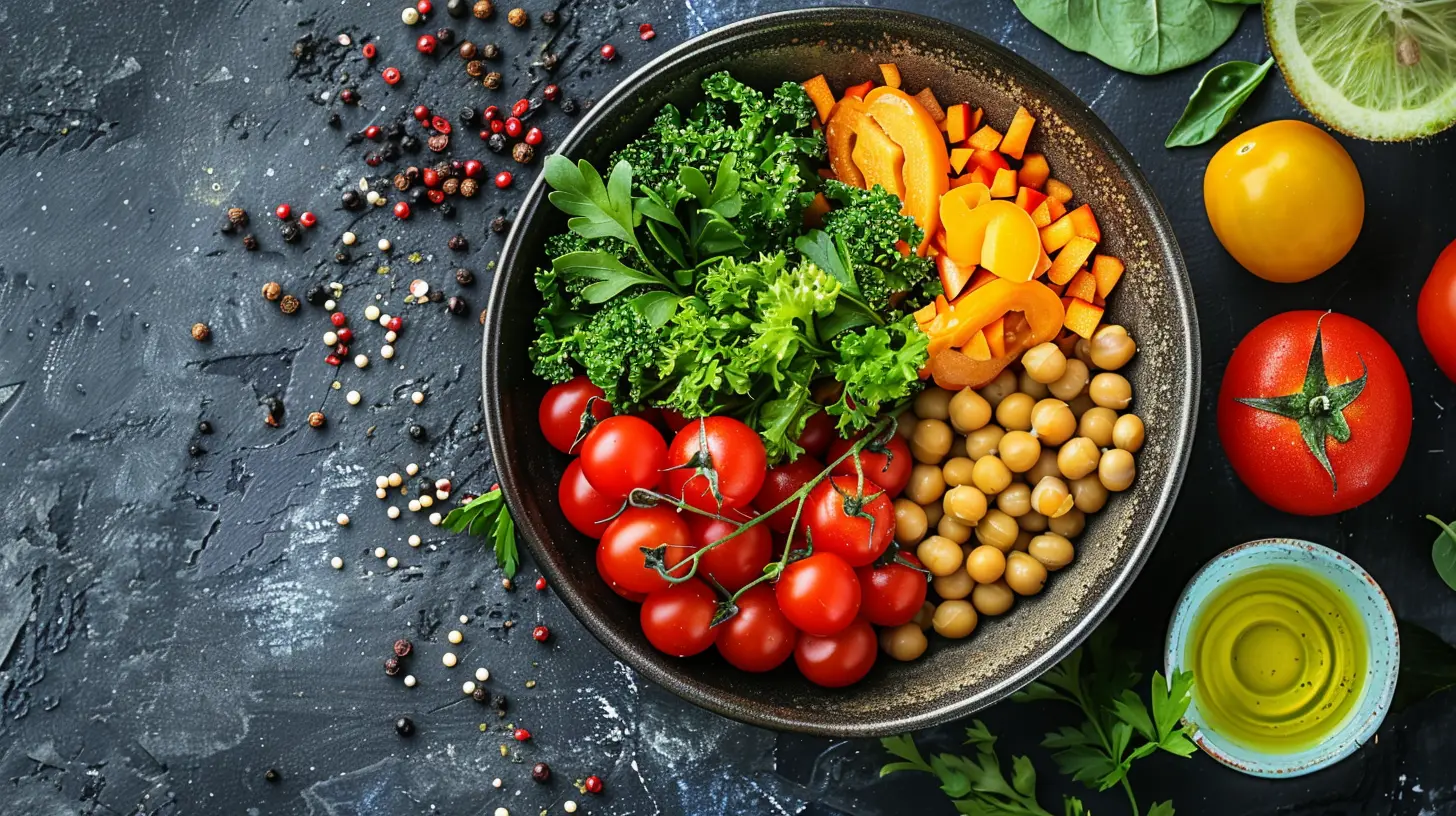
Why Go Plant-Based?
Before we get into the how, let's talk about the why. A plant-based diet offers numerous benefits:- Better Health – It can lower your risk of heart disease, diabetes, and high blood pressure.
- Weight Management – You’re more likely to maintain a healthy weight with fiber-rich, plant-based foods.
- Improved Digestion – More fiber means a happier gut.
- Environmental Impact – Eating more plants reduces your carbon footprint.
- Ethical Reasons – Many people choose plant-based diets to reduce animal suffering.
No matter your reason, transitioning effectively is key to long-term success. 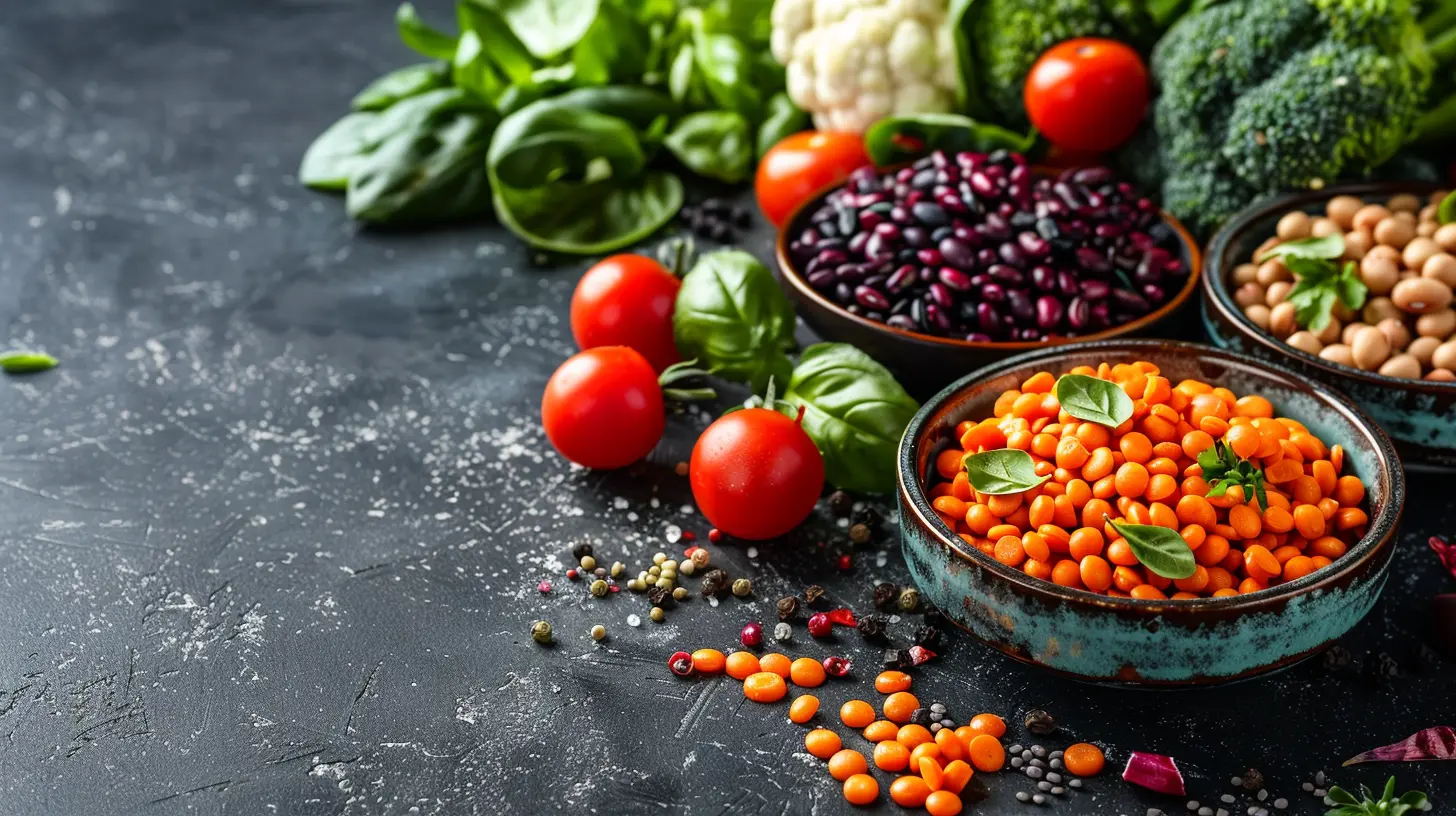
Start Slow and Make Gradual Changes
You don’t have to wake up one morning and completely overhaul your diet. In fact, trying to do too much at once can backfire. Instead, start slow:- Meatless Mondays – Dedicate one day a week to plant-based meals.
- Swap Out One Meal at a Time – Replace your usual meals with plant-based options gradually.
- Experiment with Alternatives – Test out plant-based milk, meat substitutes, and dairy-free cheeses.
By easing into it, your taste buds and habits will adapt smoothly. 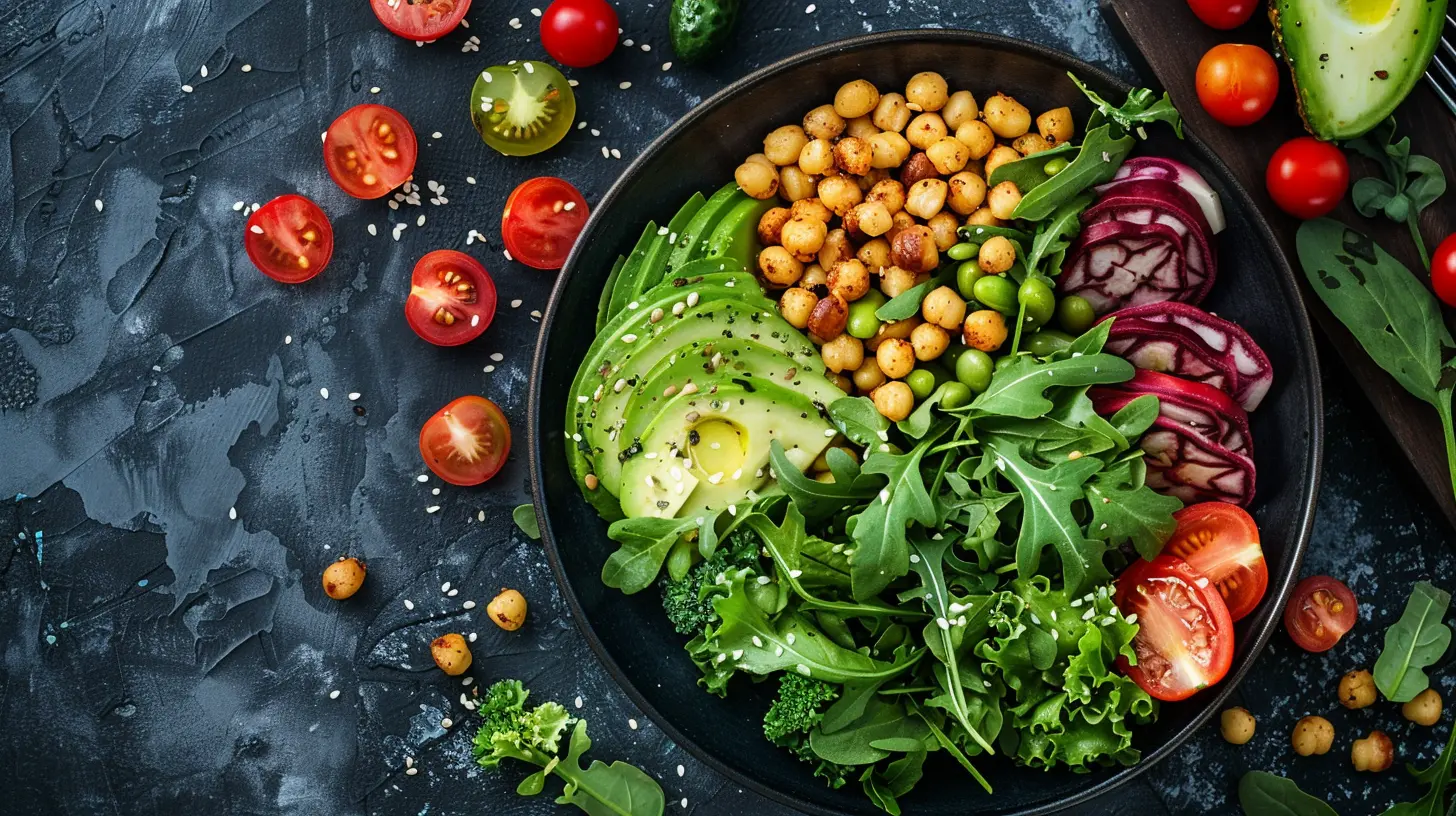
Focus on Whole Foods
It can be tempting to rely on processed vegan options, but whole foods should be your main focus. Think:✅ Fruits and Vegetables
✅ Legumes (beans, lentils, chickpeas)
✅ Nuts and Seeds
✅ Whole Grains (quinoa, brown rice, oats)
✅ Healthy Fats (avocados, olive oil, coconut)
These foods provide essential nutrients and keep you feeling full and energized. 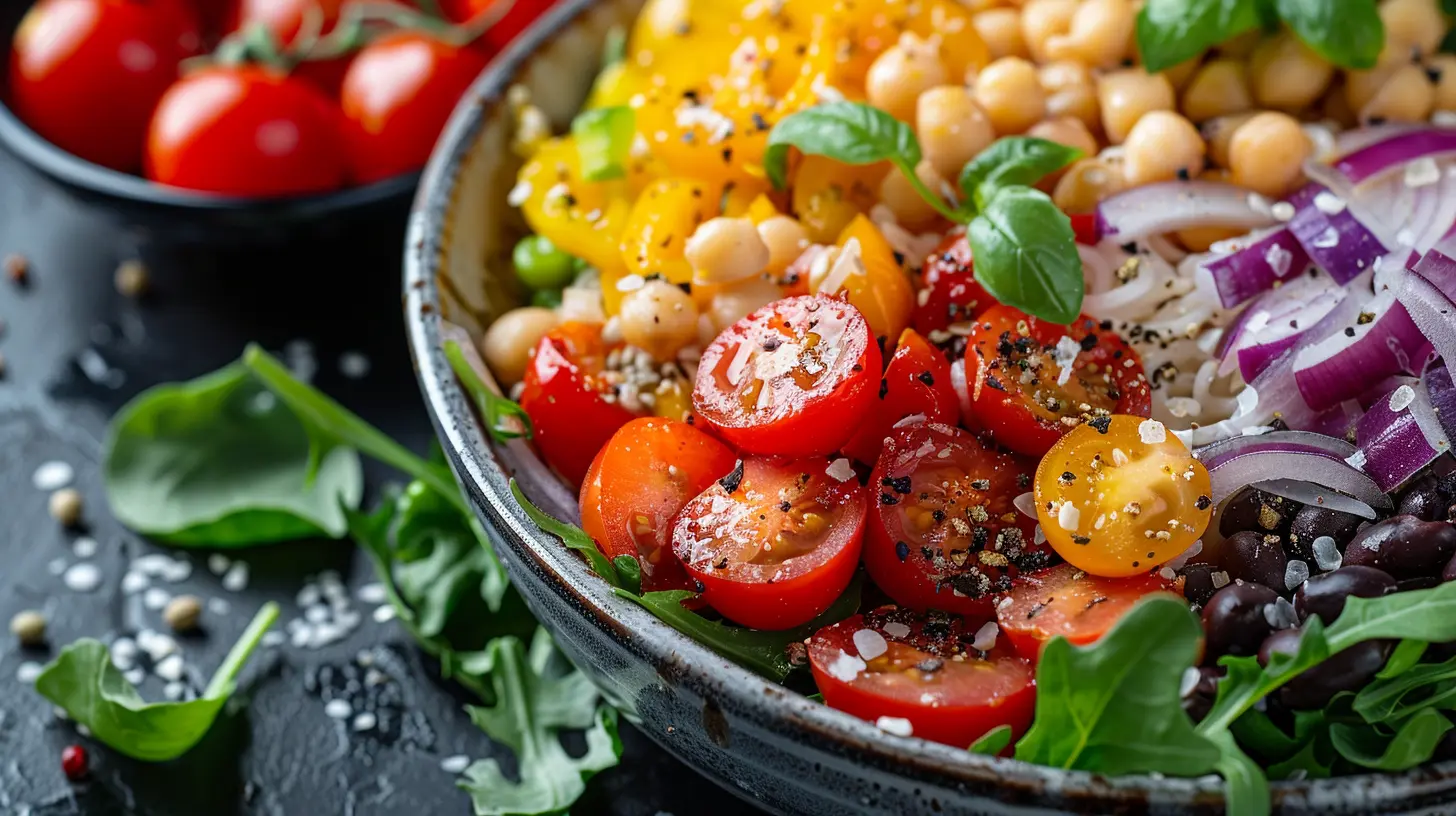
Plan Your Meals in Advance
One of the biggest struggles with transitioning to a plant-based diet is figuring out what to eat. Meal planning can save you time and prevent you from reaching for unhealthy snacks.- Make a Weekly Menu – Outline your meals for the week.
- Batch Cook – Prepare meals ahead of time to avoid last-minute fast-food runs.
- Stock Up on Essentials – Keep plant-based staples like beans, grains, and frozen veggies on hand.
A little planning goes a long way in avoiding frustration and hunger.
Learn to Read Food Labels
Not all plant-based products are created equal. Some are packed with additives, preservatives, or hidden animal-derived ingredients (like whey or gelatin). Get into the habit of checking labels for:- High sugar content
- Unnecessary preservatives
- Animal-derived ingredients
Stick to whole, natural foods as much as possible for the best results.
Get Enough Protein
"But where do you get your protein?" If you’ve started cutting out animal products, you’ve probably heard this question a thousand times. Thankfully, plant-based diets can provide plenty of protein when planned correctly.Great plant-based protein sources include:
- Lentils and beans
- Tofu, tempeh, and edamame
- Quinoa and whole grains
- Nuts and seeds
- Chickpeas and hummus
As long as you eat a variety of these foods, you’ll easily meet your protein needs.
Find Plant-Based Alternatives
Missing the taste of your favorite non-vegan foods? The good news is, almost everything has a plant-based alternative!- Milk – Almond, soy, oat, and cashew milk are great replacements.
- Cheese – Dairy-free cheese made from nuts or soy is widely available.
- Meat – Try tofu, tempeh, jackfruit, or seitan for a satisfying texture.
- Eggs – Flaxseeds, chia seeds, and tofu work well for baking and cooking.
Experiment with different brands and recipes to find what works for you.
Listen to Your Body
Your body will go through changes as you transition to a plant-based diet. You might feel lighter and more energized, but you could also face temporary bloating or cravings.- Stay Hydrated – More fiber means more water is needed for digestion.
- Ensure Proper Nutrients – Watch your intake of iron, B12, and omega-3s.
- Eat Enough Calories – Plant-based meals are often lower in calories, so eat enough to stay satisfied.
Pay attention to how you feel and adjust as needed.
Find Support and Inspiration
Surrounding yourself with supportive people can make all the difference.- Join Online Communities – Facebook groups and forums are great for sharing tips.
- Follow Plant-Based Influencers – Instagram and YouTube are packed with great content.
- Cook with Friends and Family – Introduce loved ones to plant-based meals in a fun way.
Having a support system makes it easier to stick with your new lifestyle.
Be Kind to Yourself
Nobody transitions perfectly overnight. If you slip up and eat something that's not plant-based, don’t beat yourself up. It’s about progress, not perfection.- Don’t Stress Over Labels – Focus on adding more plant-based foods rather than stressing over tiny details.
- Enjoy the Process – Cooking and trying new meals should be fun, not a chore.
- Celebrate Your Wins – Every plant-based meal is a step in the right direction.
Remember, this is a lifestyle change, not a race.
Final Thoughts
Transitioning to a plant-based diet is a journey, not a destination. By taking small steps, planning your meals, and staying flexible, you’ll set yourself up for success. Focus on eating whole, nutritious foods and allow yourself space to learn and grow.At the end of the day, the most important thing is to enjoy the process. So go ahead, stock up on veggies, try new recipes, and embrace the plant-powered lifestyle!
all images in this post were generated using AI tools
Category:
Plant Based DietAuthor:

Tiffany Foster
Discussion
rate this article
2 comments
Beatrix McGrady
Transitioning to a plant-based diet can enhance your health and energy levels. Start slowly by incorporating more fruits, vegetables, and whole grains into your meals, and experiment with new recipes to keep it enjoyable and sustainable.
February 15, 2026 at 5:15 AM
Tiffany Foster
Thanks for the great tips! Starting slow and experimenting with new recipes really helps. I'm excited to share more strategies for a successful transition in the article.
Harvey McNair
Great tips! Transitioning to a plant-based diet can feel overwhelming, but small changes can make it enjoyable and sustainable. You've got this!
January 19, 2026 at 4:50 AM
Tiffany Foster
Thank you! I'm glad you found the tips helpful. Small changes really do make a difference!