The Benefits of Yoga and Mindfulness for Kids
1 July 2026
Let’s face it—being a kid these days isn’t as carefree as it used to be. Between school, social media, extracurriculars, and just growing up in a whirlwind digital world, many children are dealing with stress, anxiety, and even burnout. Sounds a lot like adult problems, right? But what if there was a fun, gentle, and totally screen-free way to help kids navigate these challenges while also building strong bodies and calm minds?
Enter yoga and mindfulness.
Not just for adults trying to find their Zen, yoga and mindfulness practices can be incredibly powerful for children too. In fact, the benefits go beyond stretching—it’s about building emotional intelligence, resilience, focus, and even better sleep. So if you’re wondering whether it’s worth introducing your little one to downward dog and mindful breathing, stick around. This article will take you through all the perks and practicalities.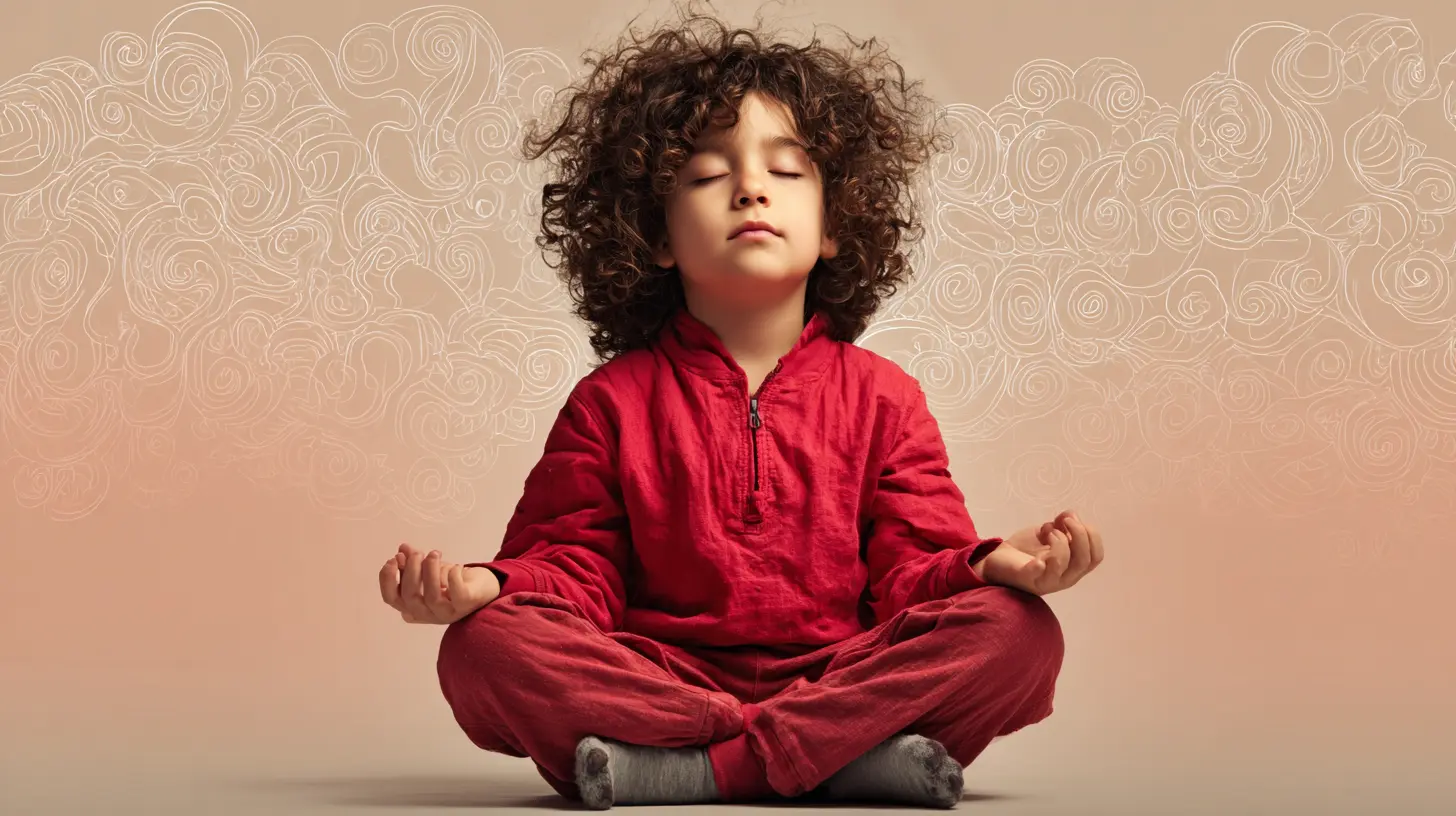
What Exactly Are Yoga and Mindfulness?
Before we dive into the good stuff, let’s clear up what we mean by "yoga" and "mindfulness."Yoga is a physical, mental, and spiritual practice that started in ancient India. For kids, it usually involves simple poses (like tree pose or cobra), breathing exercises, and sometimes a bit of playful movement or storytelling.
Mindfulness, on the other hand, is all about being present—paying attention to what’s happening right now, without judging it. Think of it as giving your full attention to the moment, whether that’s eating a snack, listening to a friend, or feeling your breath go in and out.
When combined, yoga and mindfulness create a powerful toolkit that builds not just strong bodies, but strong minds and hearts too.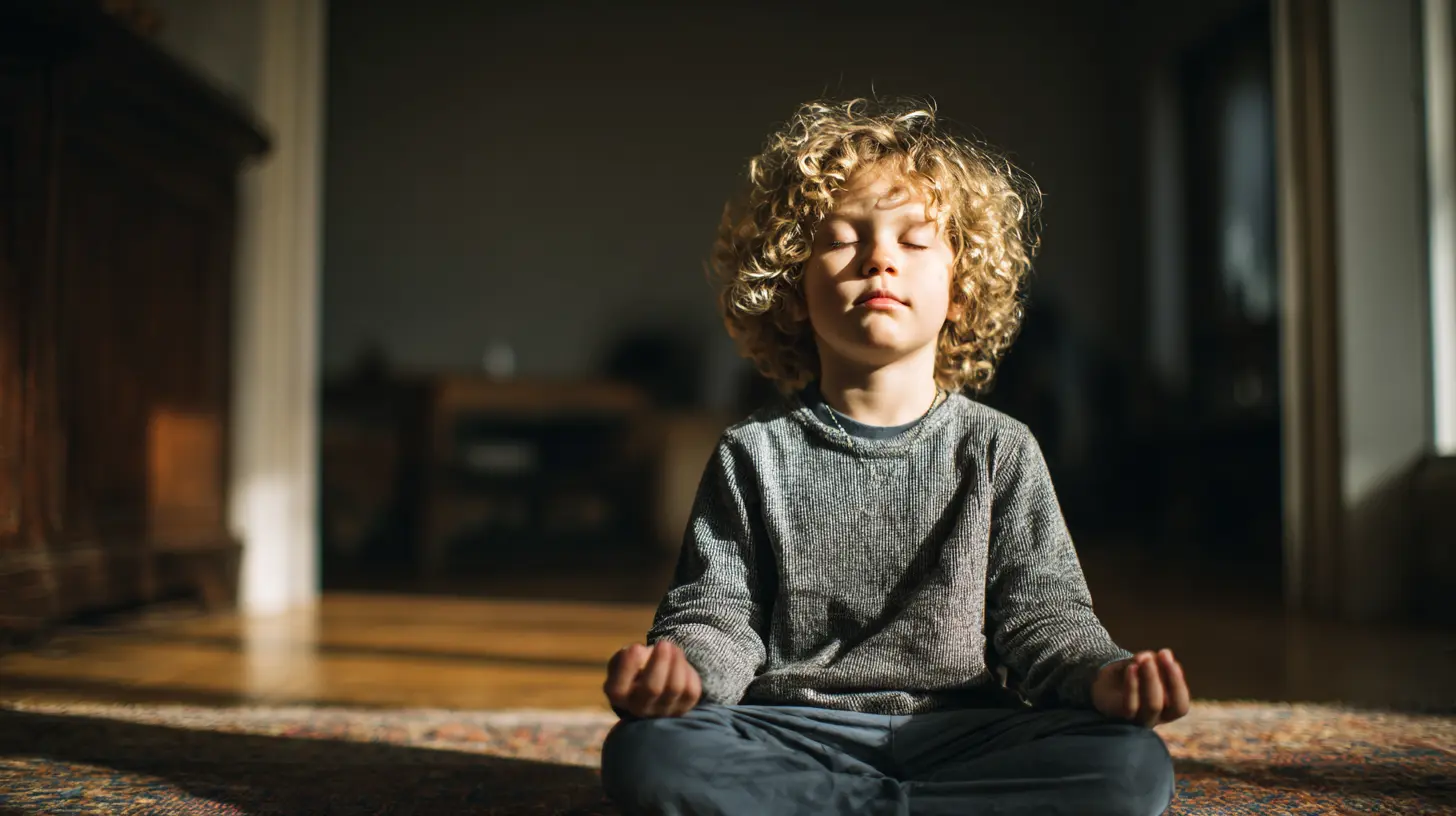
Why Yoga and Mindfulness Matter for Kids
Life can be a rollercoaster of emotions for kids. One minute they’re jumping with joy, and the next, they’re in tears because their sandwich was cut the "wrong" way. Sound familiar?Yoga and mindfulness help children regulate these big emotions. It gives them tools to pause, breathe, and respond rather than react. That’s a skill most grown-ups are still working on!
Let’s break down the big benefits.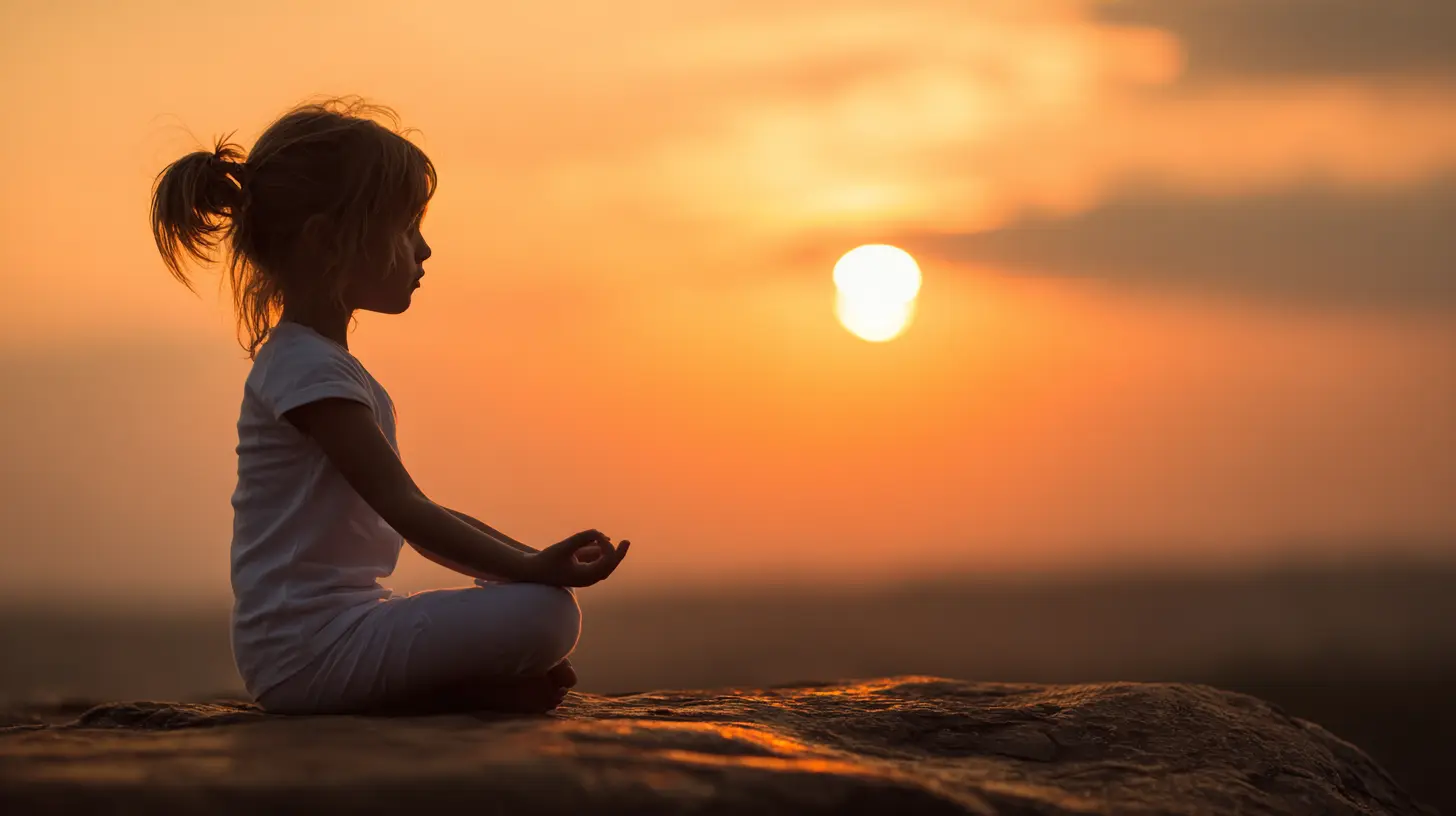
1. Builds Emotional Regulation and Resilience
Kids aren’t born knowing how to manage their emotions—that’s something they learn over time. Yoga and mindfulness can guide them through that learning process.When they practice deep breathing or child’s pose during stressful times, they’re actually triggering their parasympathetic nervous system (that’s the body’s built-in relaxation mode). Over time, this helps them handle challenges without melting down.
? Think of it like giving your child a mental first-aid kit.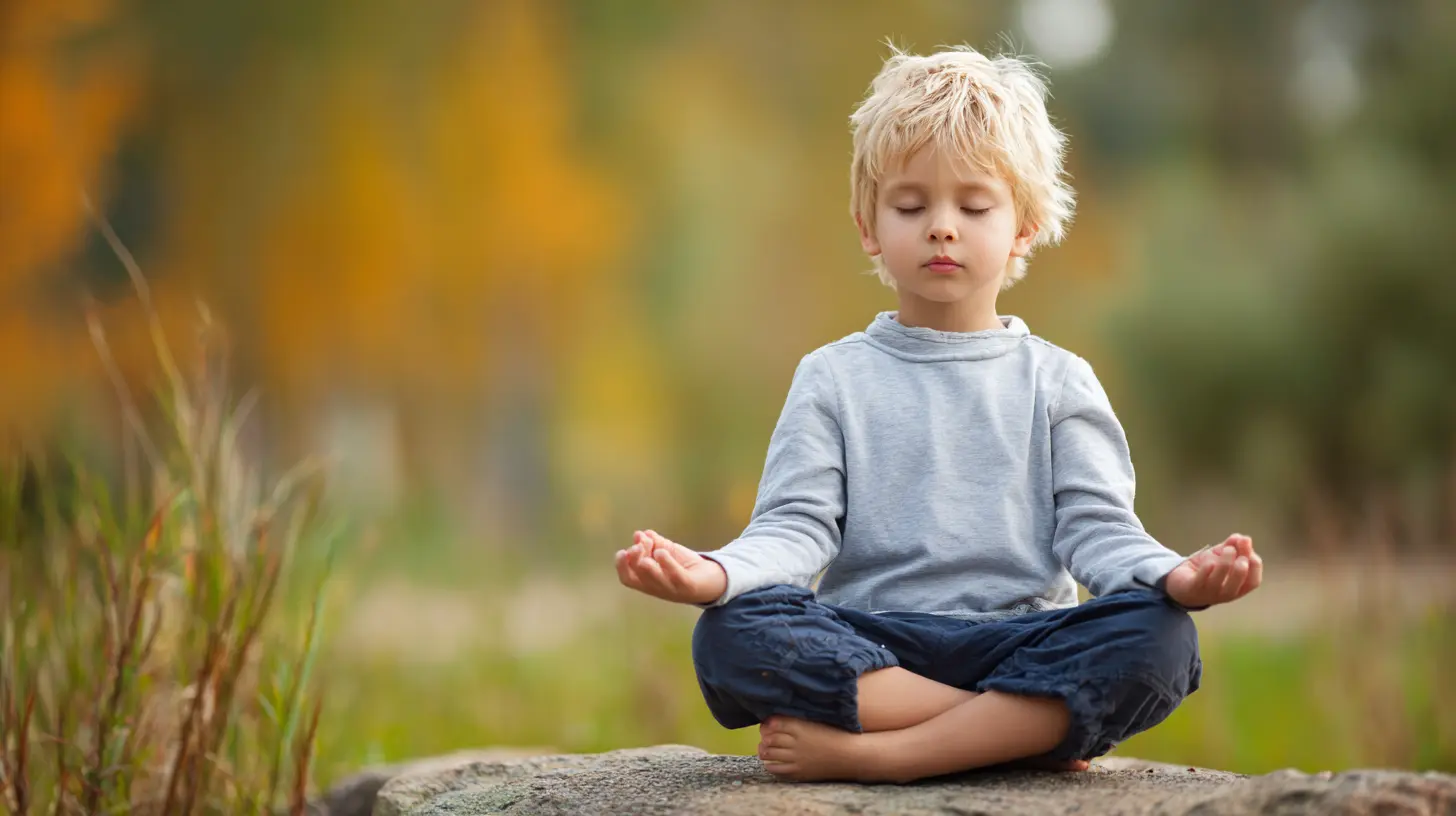
2. Improves Focus and Concentration
Have you ever watched a child try to sit still and do homework? It’s like trying to nail Jell-O to a wall.Mindfulness and yoga can improve concentration by training the brain to focus on one thing at a time. Whether it’s focusing on their breath or holding a balance pose, these exercises help strengthen the brain’s "attention muscle."
Research backs this up too—schools that include mindfulness programs report better attention spans and fewer behavioral issues.
3. Reduces Stress and Anxiety
Yes, kids experience stress—sometimes even chronic stress. Whether it’s academic pressure, social worries, or family changes, stress affects their health and happiness.Regular yoga and mindfulness practice works like a pressure-release valve. Breathing exercises, gentle movement, and quiet reflection time can all lower cortisol (that’s the stress hormone) and help kids feel more grounded.
4. Enhances Self-Awareness and Confidence
Yoga encourages kids to listen to their bodies. They learn what feels good, what doesn’t, and how to respect their personal boundaries. That awareness builds confidence.And let’s not forget the joy that comes from mastering a new pose! Every time they balance in tree pose or stretch into a strong warrior, their self-esteem gets a little boost.
5. Encourages Better Sleep
Struggling to get your child to bed? Yoga and mindfulness might help with that too.Wind-down yoga sequences and bedtime meditations can relax the nervous system and quiet the mind, making it easier for kids to fall (and stay) asleep.
One simple breathing technique—called the "5-5-5 breath" (inhale for 5 seconds, hold for 5, exhale for 5)—can work wonders at bedtime.
6. Fosters Compassion and Empathy
Mindfulness teaches kids to pause and consider their thoughts and feelings—and eventually, the feelings of others. That kind of emotional awareness nurtures empathy.Yoga classes for kids often include themes like kindness, gratitude, and respect. When practiced regularly, these values naturally translate into their daily interactions.
7. Supports Physical Health and Posture
Besides all the mental and emotional perks, yoga helps kids stay physically active and flexible. It improves balance, coordination, strength, and posture—especially important these days with all the screen time.Plus, yoga is low-impact and inclusive, making it great for kids of all abilities.
Fun Ways to Introduce Yoga and Mindfulness to Kids
Now that you know the benefits, you might be wondering how to actually get your child interested. Don’t worry—you don’t need to be a yoga guru.Here are a few playful strategies to try:
?♀️ 1. Make It a Game
Turn poses into animals—“Let’s be snakes! Now slither into cobra pose!” You can even create a story where each pose is part of an adventure.? 2. Use Music and Movement
Kids love to move. Add music or rhymes to make yoga fun. Try songs that guide them through poses or mindfulness meditations with calming background tunes.? 3. Read Yoga and Mindfulness Books
There are tons of colorful, engaging books that introduce these concepts in a kid-friendly way. Some even come with pose cards or breathing exercises.? 4. Take It Outside
Yoga in the park or backyard adds a magical touch. Being in nature complements mindfulness and brings a multi-sensory experience—feel the grass, listen to birds, watch the clouds.? 5. Add Art or Journaling
Let them draw how a pose made them feel or write down three things they’re grateful for. Creativity helps them connect to the practice in their own way.How Often Should Kids Practice?
It doesn’t take hours of chanting and breathing to feel the benefits. Even just 5–10 minutes a day can make a difference. The key? Consistency over intensity.Start small. Maybe it’s 3 poses before bedtime or a mindful moment during breakfast. Over time, it becomes a habit—and even something they look forward to.
What Age Can Kids Start Practicing?
Yoga and mindfulness can be adapted for different age groups, even as young as toddlers. Of course, the style will vary—toddlers may do more movement-based play, while older kids can handle guided breathing or meditation.The earlier they start, the more natural it becomes.
Are There Any Risks?
Yoga and mindfulness are generally safe, but like with any activity, it’s important to adapt it to your child’s needs. Always choose age-appropriate poses and movements, and focus on fun rather than perfection.If your child has any health concerns, it’s a good idea to check in with a pediatrician or yoga therapist before beginning.
Final Thoughts
In a world moving at lightning speed, giving kids tools to slow down, breathe, and tune in to themselves is a game-changer. Yoga and mindfulness aren’t just trendy—they’re timeless practices that support kids’ growth from the inside out.And the best part? You can do it together. Whether it’s a few poses after dinner or a mindful moment before school, these practices are a gift—for them and for you.
So roll out the mat (or don’t—carpet works fine), take a deep breath, and start small. You’re planting seeds of peace that can grow into a lifetime of resilience, compassion, and well-being.
all images in this post were generated using AI tools
Category:
Childrens HealthAuthor:

Tiffany Foster
Discussion
rate this article
1 comments
Cooper Barnes
Great insights! Yoga and mindfulness truly help kids.
July 1, 2026 at 4:06 AM
Tiffany Foster
Thank you! I'm glad you found it helpful. Yoga and mindfulness can make a real difference for kids.