The Benefits of a Plant-Based Diet for Your Heart
11 August 2026
Heart health is something we should all take seriously. After all, your heart works around the clock, keeping you going through every moment of life. But what if I told you that what you put on your plate could significantly impact how well your heart functions?
A plant-based diet has been linked to numerous health benefits, and its impact on heart health is one of the most compelling reasons to consider making the switch. But why exactly does eating more plants help your heart? Let’s break it down.
What is a Plant-Based Diet?
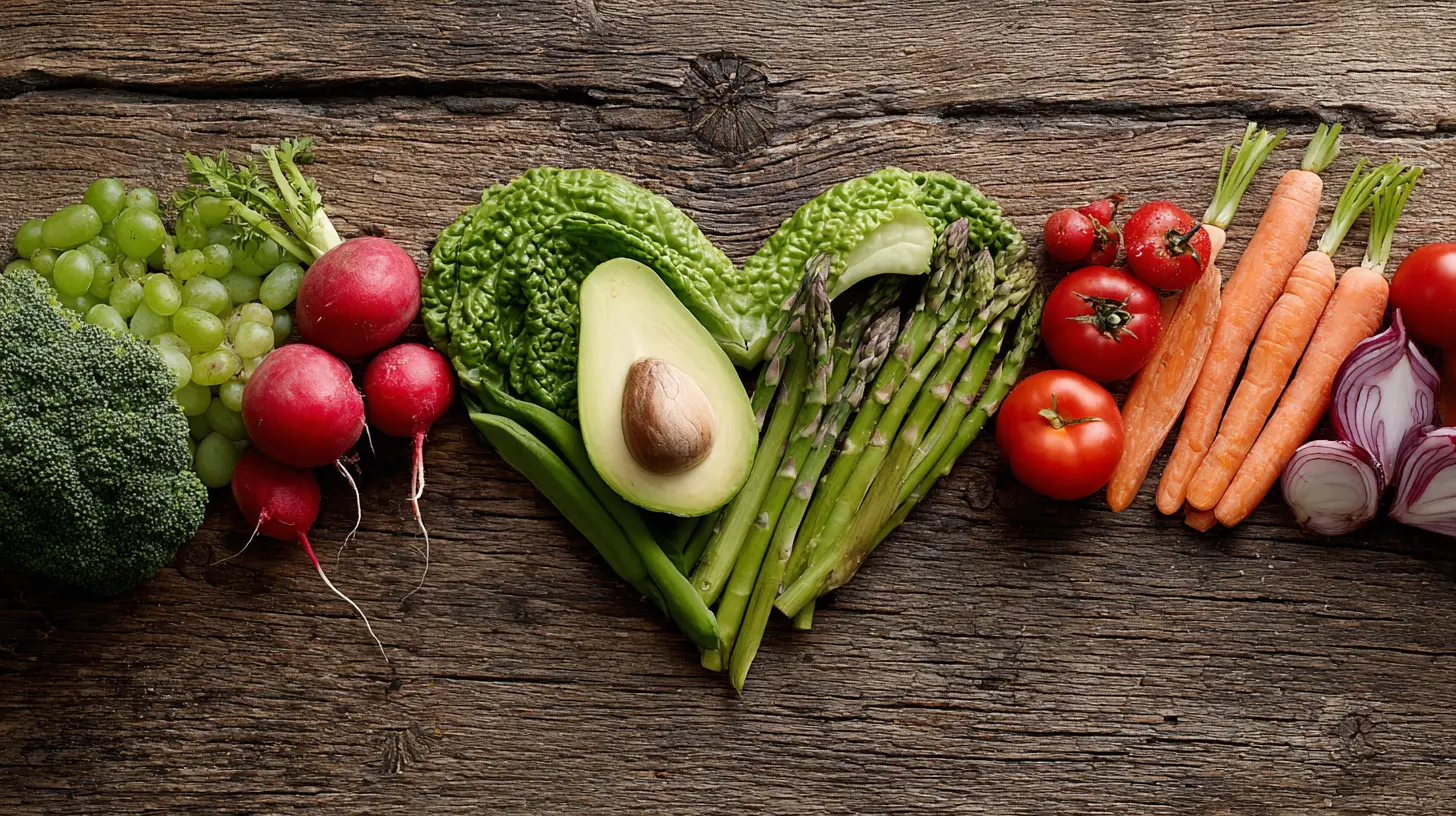
Before diving into the heart benefits, let’s clarify what a plant-based diet actually is. Many people confuse it with being vegan or vegetarian, but there’s a slight difference. A plant-based diet primarily focuses on whole, unprocessed plant foods like fruits, vegetables, whole grains, legumes, nuts, and seeds. While some people on a plant-based diet choose to eliminate animal products entirely, others may still include small amounts of meat, dairy, or fish occasionally.The key takeaway? Plants are the star of the show, and processed foods take a backseat.
How a Plant-Based Diet Supports Heart Health
1. Lowers the Risk of Heart Disease
Heart disease is one of the leading causes of death worldwide. A diet rich in plant-based foods has been shown to significantly reduce the risk of developing cardiovascular disease. Why? Because it naturally lowers high blood pressure, bad cholesterol levels, and inflammation—all major contributors to heart disease.When you center your meals around fiber-rich vegetables, whole grains, and healthy fats, your body gets the nutrients it needs to keep your heart strong and arteries clear.
2. Reduces Bad Cholesterol (LDL)
Cholesterol often gets a bad rap, but not all cholesterol is harmful. There are two main types: LDL (low-density lipoprotein) and HDL (high-density lipoprotein). LDL is the one you don’t want in excess—it can lead to plaque buildup in your arteries, increasing your risk of heart attack or stroke.Plant-based diets are naturally low in saturated fats and cholesterol while being rich in fiber, which helps to lower LDL cholesterol levels. Foods like oats, beans, flaxseeds, and nuts are great at reducing those unwanted numbers.
3. Lowers Blood Pressure
If your blood pressure is too high, your heart has to work overtime, which increases the risk of heart disease, stroke, and even kidney problems. One major benefit of a plant-based diet is its ability to naturally lower blood pressure.Fruits and vegetables are loaded with potassium, which helps balance sodium levels in the body. Less sodium and more potassium mean your blood pressure stays in a healthy range. Leafy greens, bananas, sweet potatoes, and lentils are excellent options to keep those numbers in check.
4. Fights Inflammation
Chronic inflammation is linked to many diseases, including heart disease. A diet high in processed foods, refined sugars, and unhealthy fats promotes inflammation, which can damage blood vessels over time.Plant-based foods, on the other hand, are packed with antioxidants and phytochemicals that help fight inflammation. Think of them as your body’s natural defense squad. Berries, turmeric, nuts, and green tea are just a few inflammation-fighting superstars.
5. Supports a Healthy Weight
Being overweight or obese puts a significant strain on the heart, increasing the risk of heart disease. The beauty of a plant-based diet is that it’s naturally lower in calories while being filling and nutrient-dense.Because plant foods are high in fiber and water, they help you feel full for longer, reducing the likelihood of overeating. Say goodbye to crash diets and hello to sustainable weight management.
6. Improves Blood Sugar Levels
Uncontrolled blood sugar levels can lead to insulin resistance, which is a major risk factor for heart disease. The good news? A plant-based diet helps stabilize blood sugar, reducing the risk of type 2 diabetes—a key contributor to heart-related issues.Whole grains, legumes, and non-starchy vegetables are slow-digesting carbs that prevent blood sugar spikes. Meanwhile, plant-based diets help improve insulin sensitivity, making it easier for your body to regulate glucose.
What to Eat on a Heart-Healthy Plant-Based Diet
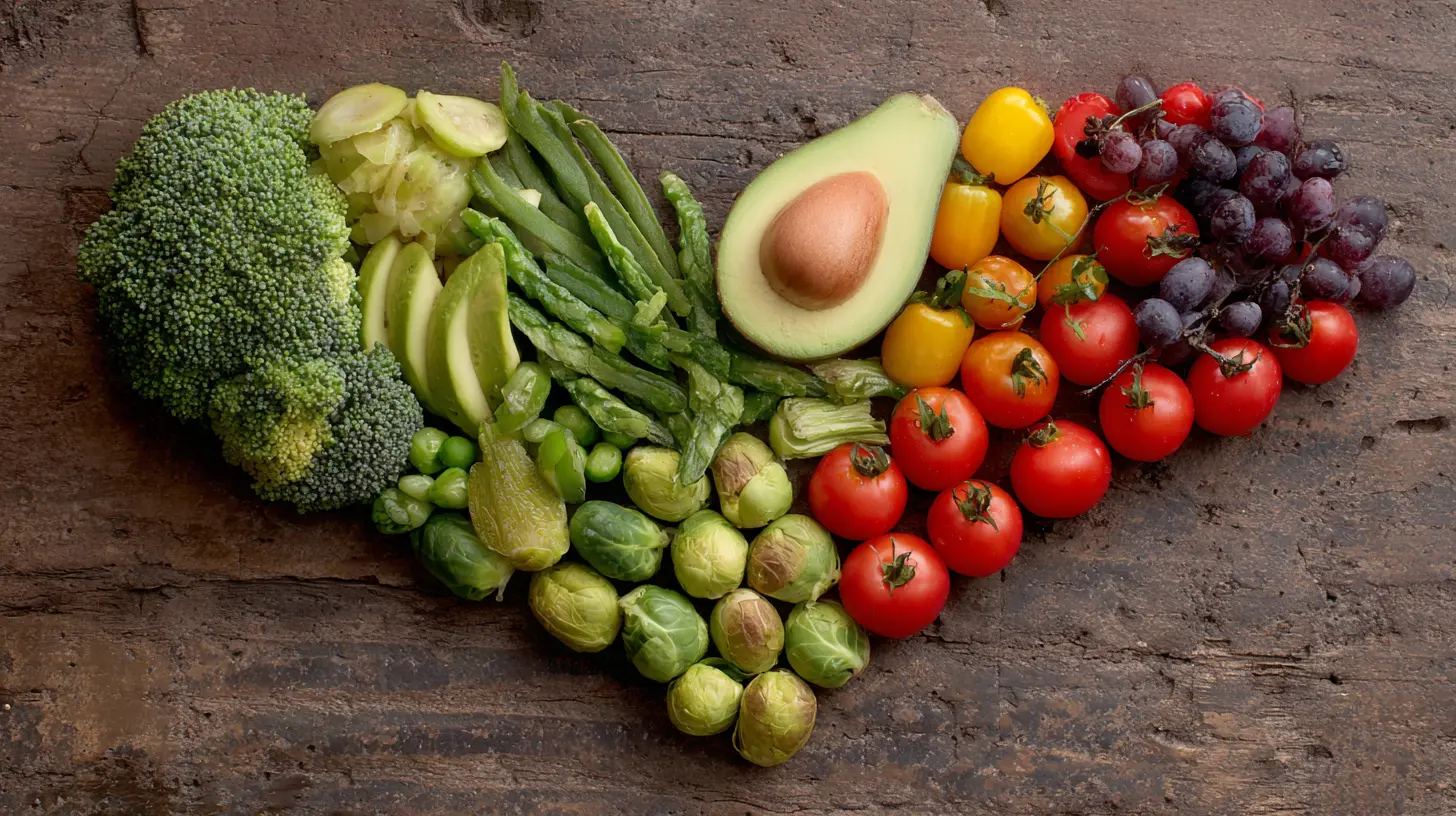
Now that you know how beneficial a plant-based diet is for your heart, let’s talk about what foods should make up the bulk of your meals.Heart-Healthy Plant-Based Foods
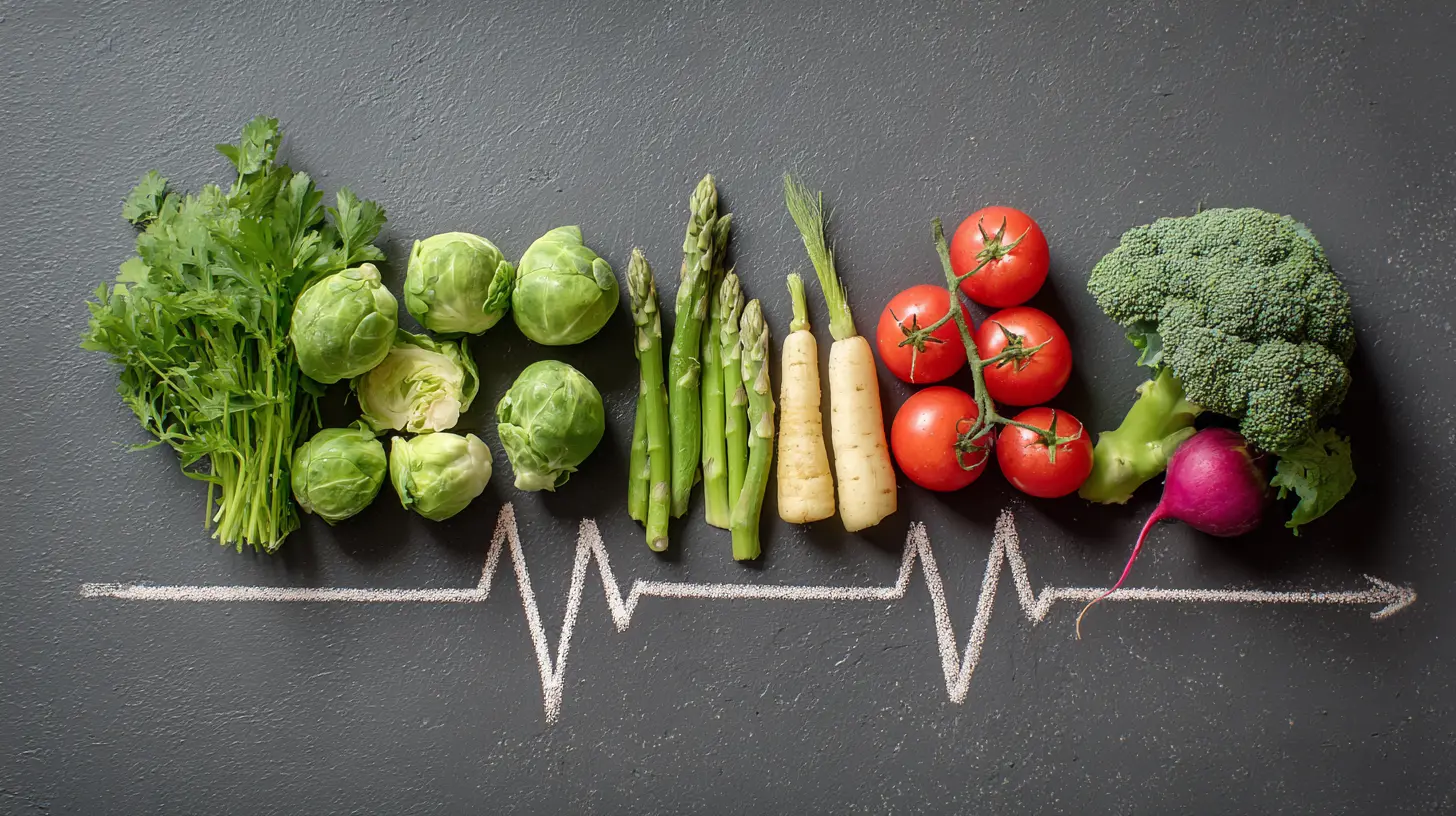
- Fruits & Vegetables: Leafy greens, berries, oranges, bell peppers, carrots- Whole Grains: Brown rice, quinoa, oats, whole wheat bread
- Legumes: Lentils, chickpeas, black beans, kidney beans
- Healthy Fats: Nuts, seeds, avocados, olive oil
- Plant-Based Proteins: Tofu, tempeh, edamame, nut butters
- Herbs & Spices: Turmeric, garlic, ginger, cinnamon
Foods to Limit or Avoid
- Processed foods (chips, soda, sugary snacks)- Refined grains (white bread, white rice)
- Excessive salt and sugar
- Saturated and trans fats (fried foods, processed meats)
Tips for Transitioning to a Plant-Based Diet
If you’re used to eating meat and processed foods regularly, the thought of switching to a plant-based diet might seem daunting. But don’t worry—it doesn’t have to be all or nothing. Small, gradual changes can make a big difference over time.1. Start with One Plant-Based Meal a Day
Instead of overhauling your entire diet overnight, start by incorporating one plant-based meal per day. Try a hearty vegetable stir-fry or a delicious chickpea salad.2. Experiment with Plant-Based Proteins
If you’re used to getting most of your protein from animal sources, try swapping them out for plant-based alternatives like lentils, tofu, or quinoa.3. Get Creative with Spices and Herbs
One big misconception is that plant-based food is bland. That’s only true if you’re not seasoning properly! Experiment with bold flavors like garlic, cumin, and smoked paprika to enhance your meals.4. Plan Your Meals
Planning ahead prevents last-minute unhealthy choices. Keep your pantry stocked with whole grains, legumes, and plenty of fresh produce.5. Listen to Your Body
Everyone’s body is different, and adjusting to a plant-based diet can take time. Pay attention to your energy levels and how different foods make you feel.Final Thoughts
A plant-based diet is one of the most effective ways to support heart health. By focusing on whole, nutrient-dense foods and cutting back on processed junk, you’re giving your heart the love and care it deserves. Plus, it’s not just about heart health—this way of eating benefits your overall well-being, from weight management to glowing skin.So, if you're looking to keep your heart happy and healthy for years to come, why not give plant-based eating a try? Your heart will thank you for it!
all images in this post were generated using AI tools
Category:
Healthy HeartAuthor:

Tiffany Foster