Navigating Food Allergies in School-Aged Children
26 July 2026
Let’s face it — parenting is already a wild rollercoaster ride. Toss a food allergy into the mix, and now we’re talking full-blown loop-de-loops with your hands in the air and eyes half-closed! If your child is heading off to school with a lunchbox full of allergy-safe goodies, you’re probably juggling anxiety, preparation, and about seven different kinds of nut-free snacks.
In this guide, we’re digging deep into the world of food allergies in school-aged children. We're talking about identifying the signs, working with the school, and giving your kiddo the confidence to self-advocate — all while keeping it as stress-free (and maybe even fun?) as humanly possible.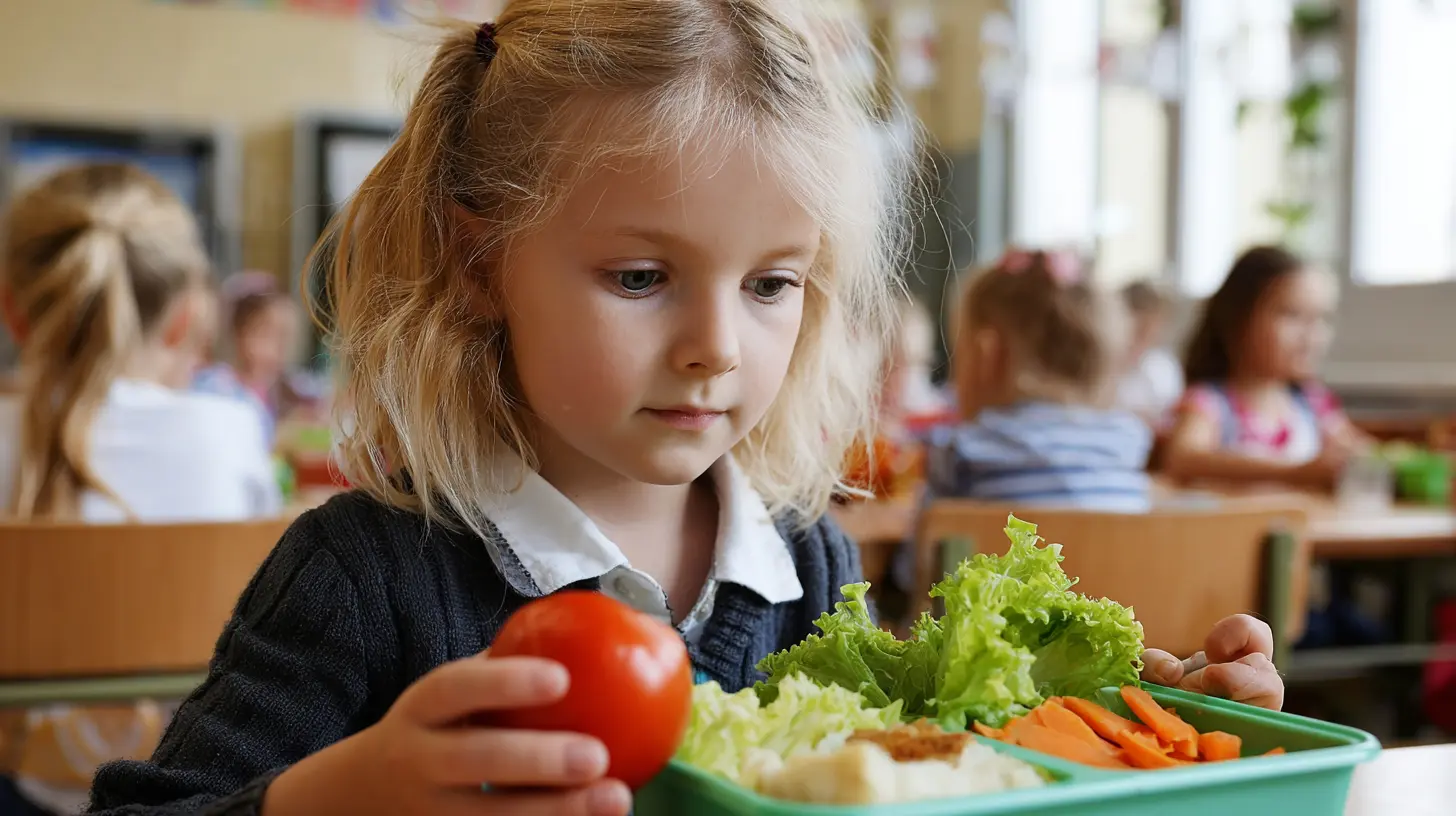
? What Exactly Is a Food Allergy (And How Is It Different From a Sensitivity)?
Let's clear this up first.A food allergy is your child's immune system going full-on superhero — except in this case, it’s fighting the wrong enemy. Basically, their body mistakes a harmless food as a threat and launches an attack. This overreaction can range from mild symptoms like hives, to severe and scary ones like anaphylaxis (yep, that's the one that needs an EpiPen and a trip to the ER).
Now don't confuse this with a food sensitivity or intolerance (think lactose intolerance). Those are uncomfortable — bloating, gas, cranky tummies — but they’re usually not life-threatening.
Common Culprits?
- Peanuts and tree nuts
- Milk and dairy
- Eggs
- Wheat
- Soy
- Fish and shellfish
Sound familiar? These are often called the "Big 8" allergens and are responsible for the majority of food allergies in children.
? Spotting the Red Flags: Symptoms to Watch For
Ever seen a rash appear out of nowhere or your child complain that their tongue "feels funny"? Kids can be pretty expressive when something isn’t right — and that's a good thing.Here’s what to look out for:
- Tingling or itching in the mouth
- Swelling of lips, face, or tongue
- Wheezing or difficulty breathing
- Hives, rashes, or eczema
- Nausea, vomiting, or diarrhea
- Dizziness or fainting
- Sudden behavioral changes (like confusion or agitation)
If these pop up soon after mealtime, especially after trying a new food, it might be time to play detective — with the help of an allergist, of course.
? Sending Your Child to School: The Allergy Game Plan
Okay, it’s one thing managing food allergies at home where you’re the boss of the kitchen, right? But sending your child into a cafeteria filled with mystery meat and peanut butter cookies? That’s a different ball game.1. ? Start With a Solid Allergy Action Plan
This plan isn’t just for show — it could save your child’s life.Have your pediatrician or allergist write up a detailed action plan. It should include:
- A list of your child’s allergens
- Warning signs of a reaction
- Medications to administer (like antihistamines or epinephrine)
- Emergency contact info
- Step-by-step emergency response instructions
Make copies. Stick one in the nurse’s office, give one to the teacher, tuck one in your child’s backpack — you get the idea.
2. ?? Educate the Educators
Teachers already wear a million hats, so let’s help them wear one more — the "Allergy Aware" hat.Schedule a meeting before school starts. Bring the allergy action plan, go over possible scenarios, and show them how to use an EpiPen (if needed). The goal isn’t to terrify them; it's to empower them.
Also, don't forget cafeteria staff, bus drivers, and even recess monitors. Any adult your child interacts with should be in the loop.
3. ? Pack Like a Pro (aka Allergy-Safe Lunches 101)
No pressure, but your lunch box just became a tiny allergen-free fortress.Create meals that are yummy, safe, and don’t scream “medical condition.” Think:
- Sunflower seed butter sandwiches (they pass as PB&J!)
- Mini turkey pinwheels
- Apple slices with a safe dip
- Homemade allergy-friendly muffins
Bonus: slap on a cute lunchbox note to remind your child not to swap food.
4. ? Teach Your Child to Be Their Own Advocate
Kids are smarter than we give them credit for, and they’re sponges when it comes to learning new things. So go ahead and teach them the ABCs of food allergies:- "A" stands for Always check with an adult before eating something new.
- "B" is for Be aware of how your body feels.
- "C" means Carry your meds (and know how to use them if they're old enough).
Do role-playing at home. “What do you do if someone offers you a cookie?” “What do you say when the teacher hands out cupcakes?” Make it fun — maybe turn it into a superhero mission!
? Hidden Traps and Sneaky Situations
Food allergies aren't just about what’s on the plate. Sometimes, allergens sneak into places you'd never expect:- Classroom projects: Think peanut butter bird feeders or egg carton crafts
- Birthday parties: Treats passed around without a second thought
- Holiday events: Candy swaps, cookie decorating, potlucks (aka allergy minefields)
That’s why continuous communication with the school is your secret weapon. Ask if they allow outside treats or if they'll notify you about food-based activities.
Hint: Some parents keep a stash of safe snacks with the teacher, just in case.
? When Accidents Happen (Because They Might)
Even with all the prep, accidents can still occur — and that doesn’t mean you’ve failed as a parent. It means you’re human, and so is everyone else involved.Here's what to do if your child has an allergic reaction at school:
- Trust your action plan. Use meds immediately as instructed.
- Call 911 for any signs of anaphylaxis.
- Notify the school nurse and administration.
- Reflect afterward. What went wrong? Can you adjust your plan or communication?
It’s scary, yes — but preparedness turns panic into confident action.
? The Emotional Side of Food Allergies
Let’s not skip the emotional part.Food allergies in children can be socially isolating. Your child might feel different or left out. Maybe they envy friends who can eat birthday cake without checking ingredients.
That’s where emotional wellness comes in. Make space for them to share their feelings. Normalize their experiences. Connect them with other kids who have allergies. Some kids even grow up to be junior allergy activists — and we love to see it!
?️ Creating an Allergy-Inclusive School Culture
Guess what? You’re not just parenting — you’re paving the way for a more inclusive environment.Chat with the PTA about allergy-friendly events. Volunteer to read ingredients at class parties. Suggest signs in the classroom about allergens. Advocate for clear school policies on food handling and emergency protocols.
And when your child sees you doing all of this? They're learning, growing, and building resilience.
✅ Quick Checklist for Allergy-Savvy School Parents
Here’s a handy little summary to keep in your back pocket:- ✅ Get an official allergy diagnosis
- ✅ Prepare and share an allergy action plan
- ✅ Schedule meetings with school staff
- ✅ Teach your child how to self-advocate
- ✅ Pack safe, appealing lunches
- ✅ Keep extra meds at school
- ✅ Watch for hidden allergens in activities
- ✅ Connect with other allergy families
- ✅ Promote inclusion, not isolation
??? Final Thoughts: It Takes a Village
Navigating food allergies in school-aged children isn’t a solo mission. It takes teamwork – you, your child, their teachers, the nurse, the lunch lady, and sometimes even the kid next to them who knows your child can’t eat peanuts.Yes, there will be moments of stress. But there will also be moments of pride, especially when your child says “No, thank you” to a risky snack with confidence. Or when the school nurse shoots you a quick message saying, “All clear today — your kid is a rock star.”
So pack that lunchbox, prep that action plan, and keep your chin up. You’re doing great, even if it doesn’t always feel like it.
all images in this post were generated using AI tools
Category:
Childrens HealthAuthor:

Tiffany Foster