How Your Emotions Impact Heart Health
1 August 2026
When was the last time you felt really stressed out? Maybe it was a hectic day at work, an argument with a loved one, or just the overwhelming weight of daily responsibilities. Now, have you ever stopped to consider how those emotions might be affecting your heart?
We often think of heart health in terms of diet, exercise, and genetics, but many people overlook the powerful connection between emotions and cardiovascular health. Believe it or not, your feelings—whether positive or negative—can have a profound impact on your heart.
Let’s dive into the fascinating world of emotions and heart health. 
The Mind-Heart Connection: More Than Just a Metaphor
You’ve probably heard phrases like “heartache,” “heartfelt,” or “a heavy heart” before. These expressions aren’t just poetic—they reflect the deep connection between your emotions and heart health.Your brain and heart are in constant communication through the nervous system. When you experience strong emotions like anger, sadness, or happiness, your body responds in physical ways. Your heart rate changes, your blood pressure fluctuates, and stress hormones flood your system. Over time, these physiological responses can either strengthen or weaken your heart.
But how exactly does this work? Let’s break it down. 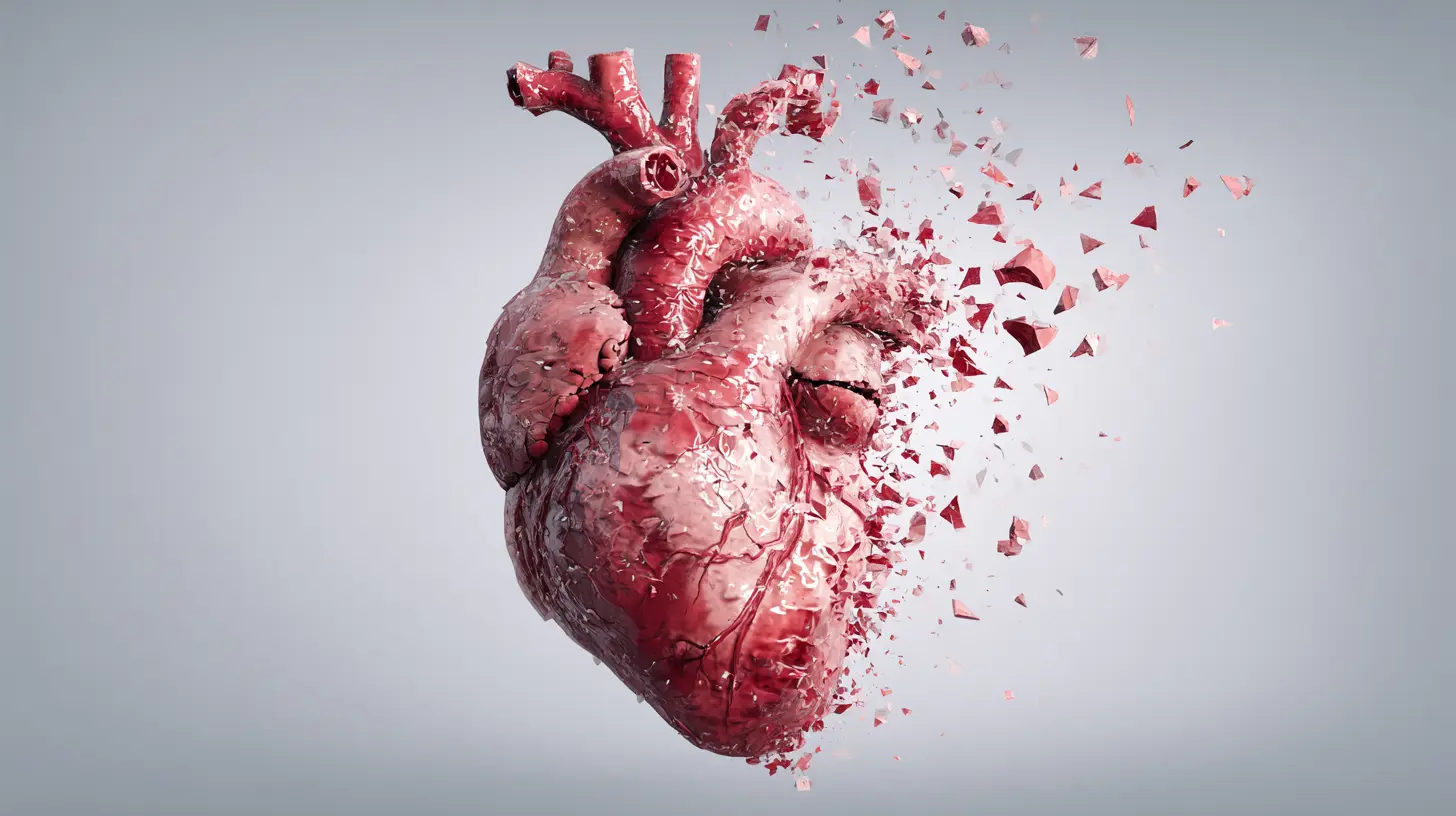
Stress and Heart Health: A Dangerous Duo
How Stress Affects the Heart
Stress might seem like just an emotional state, but it’s much more than that. When you’re stressed, your body releases cortisol and adrenaline—hormones designed to help you handle immediate threats. Back in the day, when our ancestors faced physical dangers like wild animals, this response helped them survive.But in today’s world, most stress comes from work deadlines, financial worries, and interpersonal conflicts—not life-threatening situations. Yet, the body still reacts as if it’s in danger, keeping stress hormones elevated for long periods.
Over time, chronic stress can:
- Raise blood pressure
- Increase heart rate
- Promote inflammation
- Lead to unhealthy coping mechanisms (like overeating or smoking)
This prolonged state of stress puts excessive strain on the heart, increasing the risk of heart disease, heart attacks, and even strokes.
Is All Stress Bad?
Not necessarily. Short bursts of stress, known as acute stress, can sometimes be beneficial. It can help you stay focused, build resilience, and even improve performance in certain situations.However, when stress lingers and becomes chronic, that’s when the trouble starts. 
The Role of Negative Emotions in Heart Health
Anger and Hostility
Ever felt so angry your heart pounded in your chest? That’s because anger triggers a surge of stress hormones, increasing blood pressure and constricting blood vessels.Studies have shown that people who frequently experience intense anger or hostility have a higher risk of heart disease. Why? Because repeated bouts of anger lead to long-term damage, including hardened arteries and increased inflammation.
Depression and Loneliness
Feeling down for a day or two is normal, but prolonged depression can take a significant toll on your heart.Depression is linked to:
- Increased inflammation
- Higher likelihood of unhealthy lifestyle choices (poor diet, lack of exercise)
- Higher risk of developing heart disease
Loneliness, too, plays a surprising role in heart health. Feeling socially disconnected can increase stress, leading to higher blood pressure and weakened immunity. That’s why strong social bonds are considered heart-protective.
Anxiety: A Silent Strain on the Heart
Anxiety can make you feel like your heart is constantly racing, and in some cases, it actually is. Chronic anxiety keeps your body in a heightened state of alertness, increasing the risk of irregular heartbeats (arrhythmias) and heart disease over time.
The Positive Side: How Good Emotions Strengthen Your Heart
Not all emotions harm your heart. In fact, positive emotions can have the opposite effect, acting as a shield against heart disease.Gratitude and Happiness
Research suggests that people who frequently feel joy, gratitude, and contentment have lower levels of stress hormones, reduced blood pressure, and healthier heart rates.Gratitude, in particular, has been shown to:
- Reduce inflammation
- Improve sleep quality
- Enhance overall well-being
A simple habit of writing down things you’re grateful for each day can be a small but powerful way to improve heart health.
Love and Connection
Love isn’t just an abstract concept—it’s a literal lifesaver. Whether it’s romantic love, deep friendships, or the love for family, strong emotional connections provide incredible benefits for your heart.People in supportive relationships tend to have lower stress, healthier habits, and even longer lifespans. So, if you needed another excuse to spend time with loved ones, here it is!
How to Support Your Heart Through Emotional Well-Being
1. Practice Mindfulness and Meditation
Mindfulness has been shown to reduce stress, lower blood pressure, and improve overall heart health. Taking just 10 minutes a day to focus on your breath and quiet your mind can be incredibly beneficial.2. Engage in Regular Physical Activity
Exercise is a fantastic mood booster! It releases endorphins, reduces stress hormones, and keeps your heart strong. Even a daily 30-minute walk can make a huge difference.3. Prioritize Social Connections
Make time for friends and family. Having strong social support can significantly reduce feelings of loneliness and stress, which, in turn, benefits your heart.4. Get Quality Sleep
Lack of sleep can increase stress levels, blood pressure, and the risk of heart disease. Aim for 7-9 hours of good-quality sleep each night.5. Laugh More
Yes, really. Laughter has been shown to lower stress hormones, boost circulation, and help your heart function more efficiently. So, watch that comedy special, share a joke, or just find reasons to smile more.6. Seek Help When Needed
If you find yourself struggling with persistent stress, anxiety, depression, or anger, don’t hesitate to seek professional support. Therapy, counseling, or even talking to a trusted friend can make all the difference.Final Thoughts
Your emotions aren’t just fleeting feelings; they play a massive role in your heart health. Chronic stress, anger, and loneliness can weaken your heart, while happiness, gratitude, and love can strengthen it.The good news? You have more control over your emotions than you think. By adopting habits that encourage emotional well-being, you’re not only improving your mental state but also protecting your heart for years to come.
Remember, a happy heart is a healthy heart. Take care of both, and they’ll take care of you.
all images in this post were generated using AI tools
Category:
Healthy HeartAuthor:

Tiffany Foster
Discussion
rate this article
1 comments
Sawyer McPhail
This article sheds light on the vital connection between emotions and heart health. It's a powerful reminder that taking care of our mental well-being is just as important as diet and exercise. Embracing positive emotions can truly benefit our hearts. Let's prioritize our emotional health for a healthier life.
August 1, 2026 at 3:54 AM