Reducing Screen Time: Engaging Alternatives for Kids
7 April 2026
Let’s face it—screens are everywhere. From tablets and smartphones to TVs and gaming consoles, it’s almost impossible for kids to escape the glow of digital devices. While a little screen time here and there isn’t necessarily a bad thing, too much of it can lead to a handful of not-so-great side effects like sleep trouble, behavioral issues, and a growing disconnect from the real world.
So, how do we gently peel our kids away from their screens without causing a meltdown? It’s all about offering fun, meaningful alternatives that actually grab their attention—and dare we say—spark some joy.
In this article, we’re going to dive into smart, engaging ways to reduce screen time for your kids (and maybe even yourself too). No guilt trips, just real-life strategies that work.
Why Reducing Screen Time Really Matters
Before we get to the “how,” let’s quickly touch on the “why.”Too much screen time isn’t just about sore eyes or less outdoor play. It can actually mess with a child’s physical, emotional, and social development. Think of their brain as a sponge—it absorbs everything. But if screens are constantly feeding it artificial colors, fast-paced games, and non-stop stimulation, that sponge gets oversaturated.
Kids need boredom sometimes. You read that right—boredom leads to creativity. When there's no blinking screen to distract them, their imagination kicks in. That’s where the magic happens.
Also, let’s not forget the impact on sleep. The blue light from screens can disrupt the production of melatonin, the hormone that regulates sleep. So, if your kiddo is tossing and turning at night, the culprit could be right in their hands.
Signs Your Child May Be Getting Too Much Screen Time
Before you jump into action, let’s make sure screen time is actually a problem. Here are a few red flags to look for:- Frequent tantrums when the device is turned off
- Trouble sleeping or falling asleep
- Lack of interest in non-digital activities
- Complaints of headaches or vision problems
- Reduced interaction with family or peers
- Poor performance in school
Sound familiar? You’re not alone. Most parents are dealing with at least one of these. The good news is, it’s fixable.
Simple Steps to Reduce Screen Time Without the Battle
Okay, so we know we need to cut back on the screens. But we also know it’s not as simple as snapping your fingers and saying “Go play outside.” If only, right?Here’s a more realistic approach that actually works in real, chaotic, parent-life:
1. Set Clear Boundaries (and Stick to Them)
Kids thrive with structure. When they know what to expect, they’re less likely to push back.Create a screen time schedule. Maybe it's 1 hour after homework or only on weekends. Whatever works best for your family—just make sure it’s clear and consistent.
Use tools like screen time apps or even simple kitchen timers to keep track. And hey, lead by example—kids notice when you’re glued to your phone too.
2. Make the Transition Fun
A sudden “No more screens!” announcement won’t go over well. Instead, try to replace the screen with something equally fun or even more exciting.Tell them what they can do, not just what they can’t. “We’re going to build a blanket fort!” sounds way better than “Turn that off now.”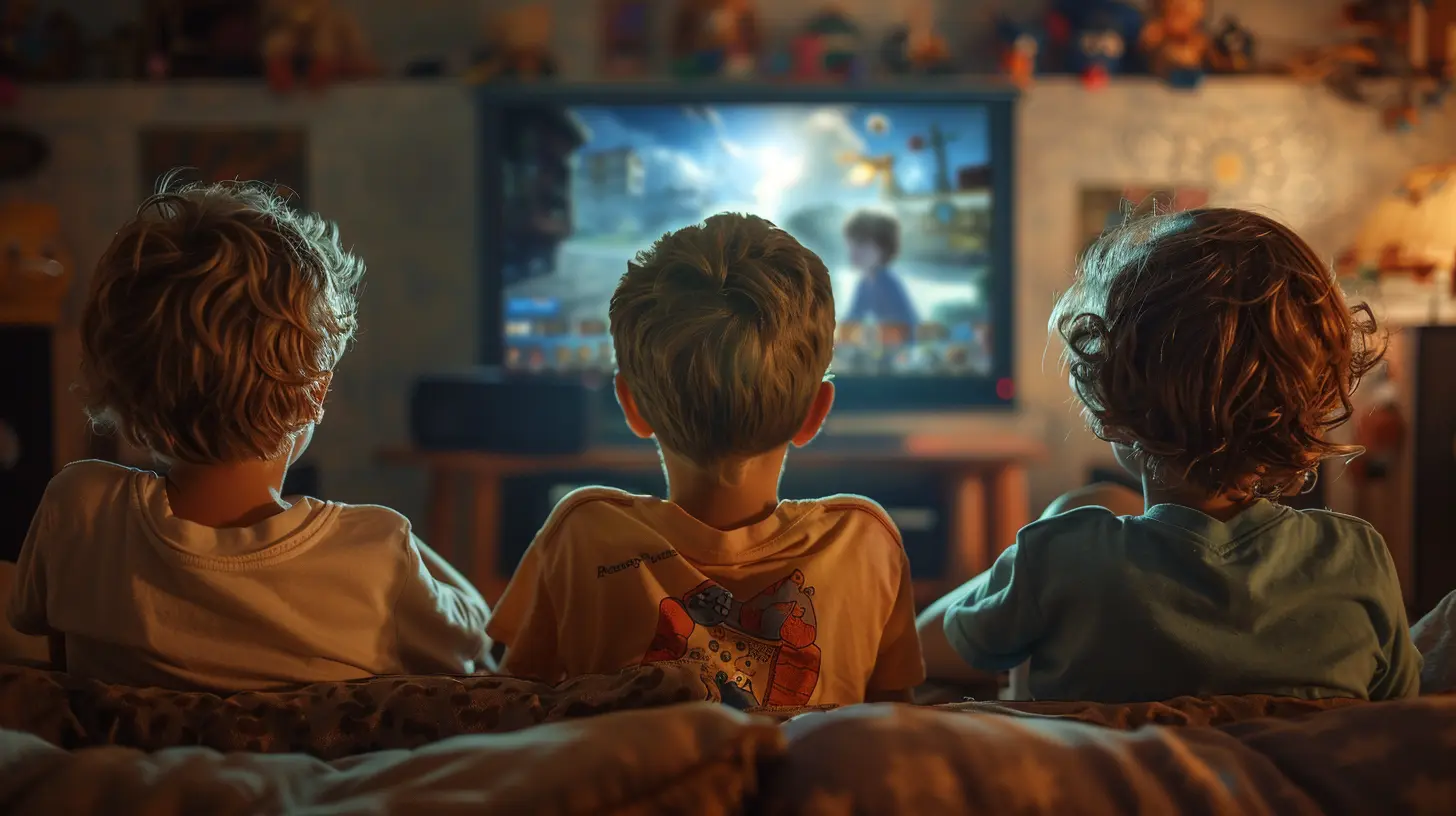
Engaging Alternatives to Screen Time
Now let’s get into the good stuff—the alternatives. Not just any alternatives, but ones your kids will actually enjoy. Ready? Let’s dive in.1. Arts and Crafts Galore
Kids love getting their hands messy (even if you don’t). Set up a creative zone with colored paper, glue, beads, stickers, and anything else they can use to express themselves. Homemade puppets? Yes. Painted rocks? Sure. DIY slime? Bring it on.Arts and crafts aren’t just fun—they help build motor skills, boost creativity, and even calm anxious minds.
2. Backyard (or Living Room) Camping
Who says you have to go to the woods to go camping? Set up a tent in the backyard or the living room, grab sleeping bags, and let your kids play pretend. Tell stories, use flashlights, toast marshmallows over the stove—create an adventure right at home.It’s a screen-free activity that feels like a mini vacation.
3. Cooking Together
Let your child be your sous-chef for the evening. Whether it's baking cookies or whipping up homemade pizza, cooking is a fantastic way to bond, teach life skills, and keep little hands busy.Pro tip: Let them create their own recipes once in a while. It might be weird, but it’ll be memorable.
4. Scavenger Hunts
Create a list of things to find around the house or yard—bonus points if you add riddles or clues. You can keep it simple (Find something blue!) or get elaborate with hidden treasures.Scavenger hunts spark problem-solving skills and imagination, and they’re great for siblings or playdates.
5. DIY Science Experiments
Science at home? Yes, please! You don’t need a lab coat for this. Just a few household items and you're good to go. Try making a volcano with baking soda and vinegar or creating a rainbow in a jar.Not only are these activities fun, but they sneak in education without your kids even realizing it.
Outdoor Activities That Beat Screen Time
Let them move, stretch, and breathe fresh air. Nature has a way of detoxing our tech-cluttered brains.1. Bike Rides and Scootering
Old-school fun never goes out of style. Take family bike rides or races around the block—let your child lead the way or have them ride to a specific “mission.”2. Gardening Together
Let your little one dig, plant, and water. Kids love seeing the result of their work grow—literally. Plus, playing in the dirt? Basically heaven for most toddlers.3. Nature Walks and Bug Hunts
Turn a simple walk into a nature expedition. Give your kids a list of bugs, leaves, or rocks to find along the way. It turns the ordinary into an exciting mission.Indoor Alternatives That Don’t Involve Screens
Stuck inside? No worries. Here are some go-to indoor ideas:1. Board Games and Card Games
Rediscover the joys of Monopoly, Uno, or even good ol’ Go Fish. These games teach patience, strategy, and fair play—plus, they’re a riot when everyone’s into it.2. Building and Construction Play
Think Legos, Magnatiles, wooden blocks, or even cardboard boxes. Let them build cities, towers, and imaginary worlds. It’s like Minecraft in real life.3. Reading Time (With a Twist)
Reading doesn’t have to be a solo activity. Take turns acting out characters, using funny voices, or letting your child be the narrator. Make it theatrical, and you’ll grow a love for books without even trying.Digital Detox as a Family
Reducing screen time isn’t just a kid thing—it’s a family thing. Why? Because our kids mirror what they see.Try having tech-free evenings, where everyone (yes, even the adults) puts their devices away and spends time together. You can cook, play games, talk about your day—anything that reminds your kids that real-life connection is more rewarding than the digital one.
Make Sundays screen-free. Or start with one meal a day with no phones allowed. The little changes add up.
Encouraging Independent Play
Not every moment needs to be planned by you, the parent. Your child needs to learn how to entertain themselves—and that’s a good thing.Create an "idea jar" filled with activities they can pick from when they're bored. Include things like:
- Build a pillow fort
- Draw a comic book
- Write a letter to Grandma
- Make a paper airplane race
- Invent a new board game
Over time, they’ll reach for these options without you even asking.
The Role of Routine
Kids handle transitions better when their day is predictable. Create daily or weekly routines that include chunks of screen-free time.For instance:
- After breakfast: reading or puzzles
- After lunch: outdoor play
- Evening: board games or storytelling
Make screen time just one part of the day—not the whole day.
Final Thoughts: It's About Balance, Not Perfection
Reducing screen time for kids doesn't mean eliminating it completely. Technology is a part of life, and it’s not going anywhere. The trick is finding a balance that works for your family.It’s okay to have movie nights, play a video game now and then, or FaceTime Grandma. The key is not letting screens become the default. By introducing fun, engaging alternatives, you're teaching your kids that the world beyond the screen is pretty amazing too.
And along the way, you’ll probably find yourself reconnecting, laughing more, and feeling pretty darn proud of the family you're shaping.
Let’s put down our devices and pick up some memories.
all images in this post were generated using AI tools
Category:
Childrens HealthAuthor:

Tiffany Foster
Discussion
rate this article
2 comments
Rina O'Brien
Great article! Encouraging kids to explore engaging alternatives to screens not only boosts their creativity but also fosters healthier habits. Keep inspiring positive changes!
April 21, 2026 at 3:42 AM
Tiffany Foster
Thank you! I'm glad you found it insightful. Encouraging creativity and healthy habits is so important for kids today.
Stacey McLemore
Empowering children to explore engaging, screen-free activities not only fosters creativity and social skills but also enhances their overall well-being. Let’s prioritize real-world experiences that shape healthier, happier futures for our kids!
April 15, 2026 at 2:55 PM
Tiffany Foster
Absolutely! Screen-free activities are key to helping kids thrive. Real-world experiences build creativity and strengthen social connections. Let's encourage more of this for our children's bright futures!