How to Prevent Nutrient Deficiencies on a Vegan Diet
1 May 2026
Going vegan has plenty of benefits—better health, a lighter carbon footprint, and a cruelty-free diet. But let’s be real; cutting out all animal products means you need to be extra mindful about nutrition. If you’re not careful, certain nutrient deficiencies can sneak up on you, leaving you feeling tired, weak, or worse. Don’t worry, though—staying healthy on a plant-based diet is absolutely doable if you know what to look out for.
This guide will walk you through the key nutrients vegans need to focus on, where to find them, and simple tips to avoid deficiencies. 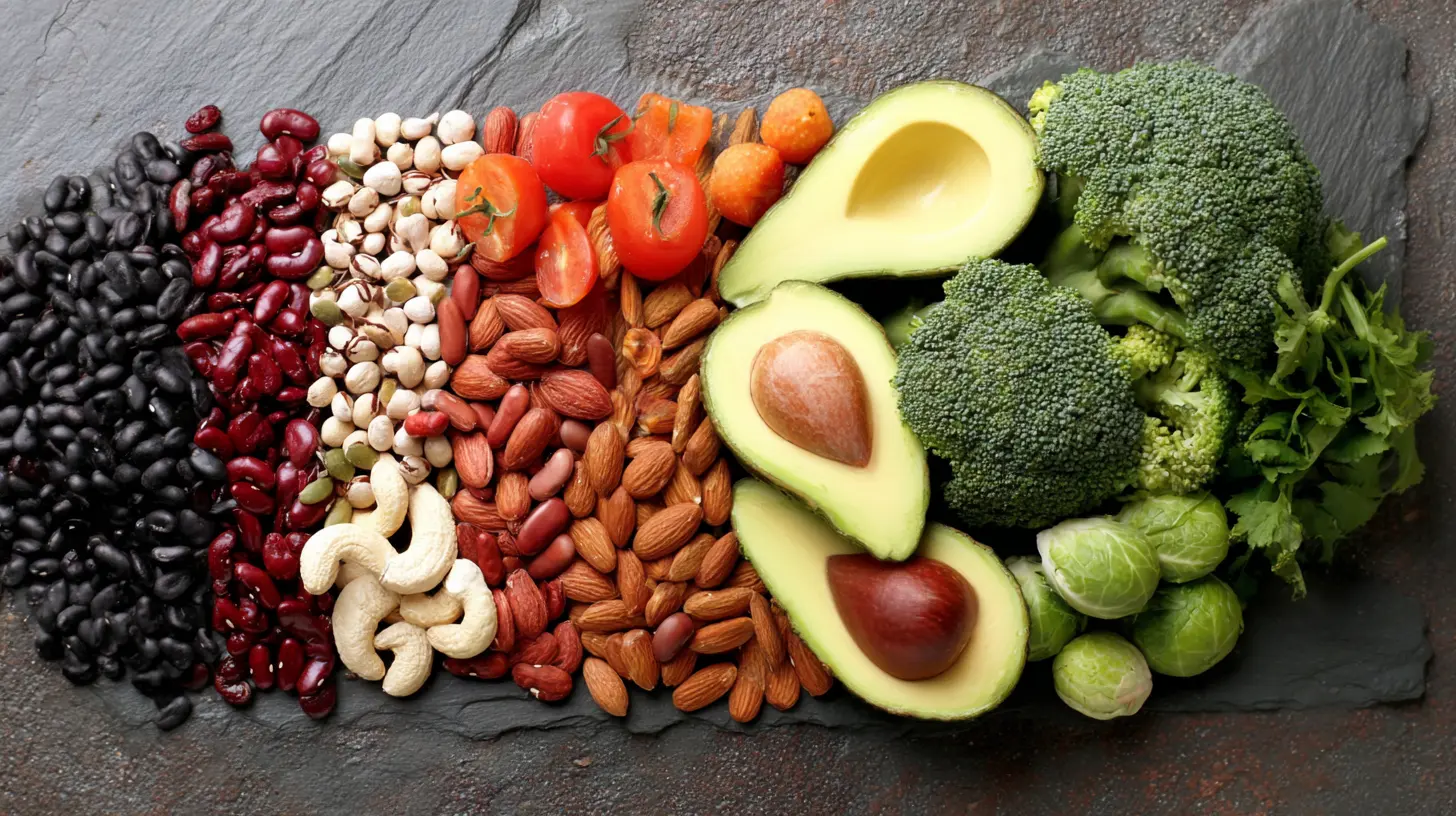
Why Nutrient Deficiencies Happen on a Vegan Diet
When you cut out meat, dairy, and eggs, you're also removing some of the richest sources of essential nutrients. The good news? Many plant foods provide these nutrients too—you just need to know where to get them.The most common deficiencies among vegans include:
- Vitamin B12
- Iron
- Zinc
- Omega-3 fatty acids
- Calcium
- Vitamin D
- Iodine
- Protein
Let’s break down each one and how to make sure you’re getting enough. 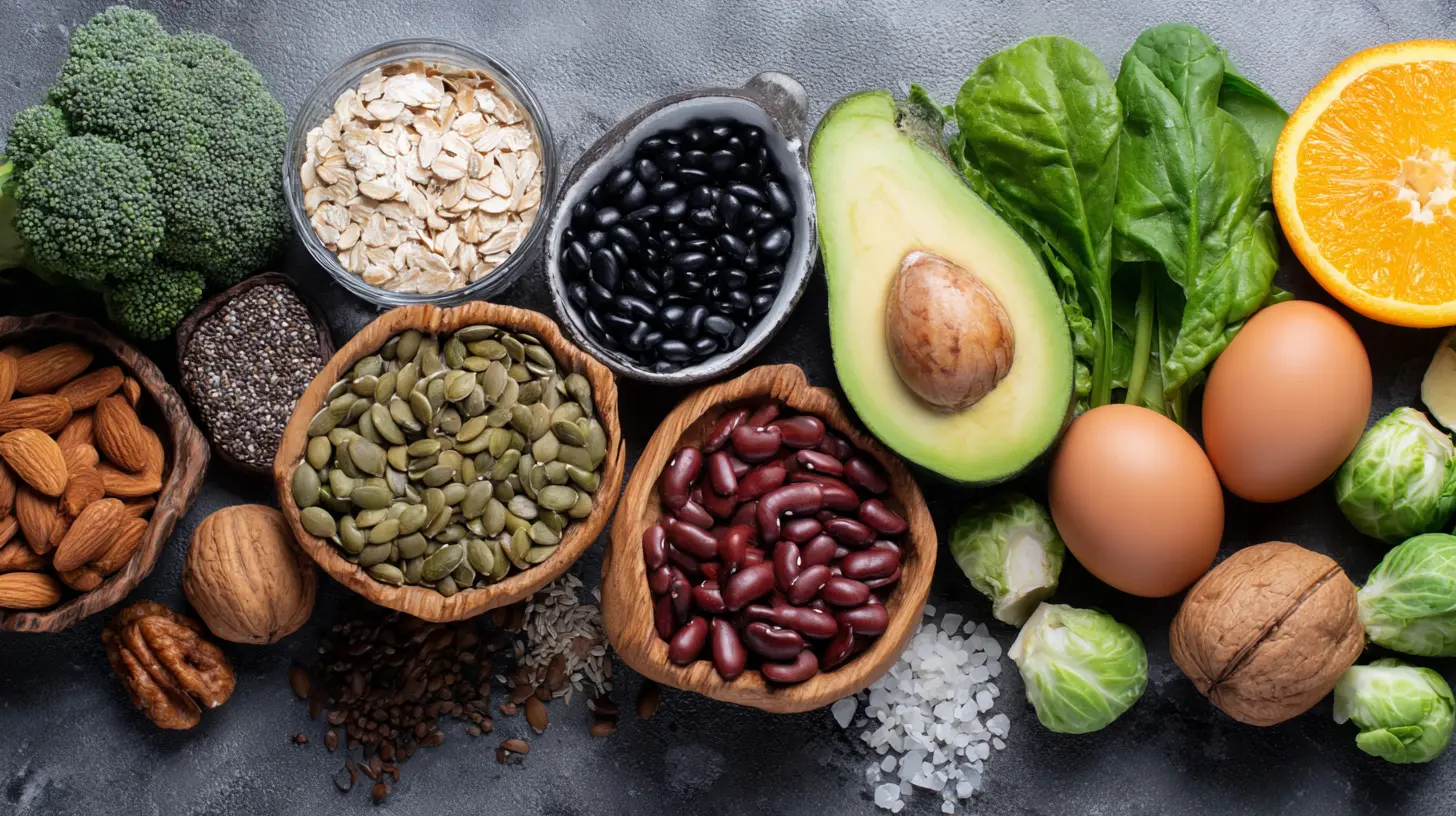
1. Vitamin B12
Why It’s Important
B12 keeps your nervous system running smoothly and helps produce red blood cells. A deficiency can lead to fatigue, nerve damage, and even cognitive issues.Vegan Sources
- Fortified plant-based milks- Nutritional yeast (look for B12-fortified varieties)
- Fortified cereals
- B12 supplements (highly recommended)
Best Practice
Even if you’re eating fortified foods, it’s wise to take a B12 supplement since plant-based sources are unreliable.
2. Iron
Why It’s Important
Iron helps carry oxygen through your body. A deficiency can leave you feeling exhausted, weak, and dizzy.Vegan Sources
- Lentils- Chickpeas
- Tofu
- Quinoa
- Spinach (pair it with vitamin C-rich foods for better absorption)
- Pumpkin seeds
Best Practice
Plant-based iron (non-heme iron) isn’t absorbed as well as the kind from animal products. To boost absorption, pair it with vitamin C—think bell peppers, oranges, or tomatoes. Avoid tea and coffee with meals since they block iron absorption.
3. Zinc
Why It’s Important
Zinc supports immunity, wound healing, and metabolism. Without enough, your immune system takes a hit, making you more prone to infections.Vegan Sources
- Pumpkin seeds- Chickpeas
- Cashews
- Tofu
- Whole grains
Best Practice
Soaking or sprouting beans, seeds, and grains helps your body absorb more zinc. If you struggle to get enough, a supplement might help.4. Omega-3 Fatty Acids
Why It’s Important
Omega-3s support brain function, reduce inflammation, and keep your heart healthy.Vegan Sources
- Flaxseeds- Chia seeds
- Walnuts
- Hemp seeds
- Algal oil supplements (a direct source of DHA and EPA)
Best Practice
Since plant-based sources only contain ALA (which isn’t efficiently converted into DHA/EPA), consider taking an algal oil supplement for optimal brain and heart health.5. Calcium
Why It’s Important
Calcium isn’t just about strong bones—it also plays a major role in muscle function and nerve signaling.Vegan Sources
- Fortified plant milks- Kale
- Bok choy
- Almonds
- Tofu (if made with calcium sulfate)
Best Practice
Many plant-based sources contain calcium, but fortified plant milks are an easy way to hit your daily needs.6. Vitamin D
Why It’s Important
Vitamin D helps your body absorb calcium and keeps your immune system strong. A deficiency can lead to weak bones and low energy levels.Vegan Sources
- Sunlight (your skin produces vitamin D when exposed to the sun)- Fortified plant milks
- Mushrooms exposed to sunlight
- Vitamin D supplements (choose D2 or vegan D3)
Best Practice
Sunlight is the best source, but depending on where you live, that might not be enough. A vegan D3 supplement is a smart choice, especially in the winter.7. Iodine
Why It’s Important
Iodine supports thyroid function, which regulates metabolism. A deficiency can lead to weight gain, fatigue, and thyroid issues.Vegan Sources
- Seaweed (but don’t overdo it—too much iodine is also bad)- Iodized salt
Best Practice
If you don’t eat seaweed or iodized salt regularly, an iodine supplement can help.8. Protein
Why It’s Important
Protein is essential for muscle repair, hormones, and keeping you full. While many assume vegan diets lack protein, plenty of plant-based sources are packed with it.Vegan Sources
- Lentils- Chickpeas
- Quinoa
- Tofu
- Tempeh
- Nuts & seeds
Best Practice
Eat a variety of plant-based proteins throughout the day to get all essential amino acids.Simple Tips to Stay Nutrient-Sufficient
1. Plan Your Meals – Instead of just cutting out animal products, focus on adding nutrient-rich plant foods to your meals.2. Eat a Variety of Foods – The more diverse your diet, the better your nutrient intake.
3. Use Fortified Foods – Many plant-based milks, cereals, and nutritional yeast are fortified with essential vitamins.
4. Take Supplements When Needed – Vitamin B12, DHA/EPA (from algae), and Vitamin D are smart additions for most vegans.
5. Pair Nutrients for Better Absorption – Vitamin C with iron, healthy fats with fat-soluble vitamins (A, D, E, K), and whole grains with legumes can enhance nutrient absorption.
Final Thoughts
Being vegan doesn’t mean you have to suffer from nutrient deficiencies. With a little knowledge and smart food choices, you can get everything your body needs from plants. Whether it’s fortified foods, strategic meal planning, or the right supplements, staying healthy on a vegan diet is totally possible!If you’re ever unsure, get a blood test to check your levels—your health is worth it. Stay mindful, eat well, and enjoy all the benefits of a plant-based lifestyle!
all images in this post were generated using AI tools
Category:
Vegan DietAuthor:

Tiffany Foster
Discussion
rate this article
2 comments
Logan Watson
This article offers essential tips for vegans to avoid nutrient deficiencies, emphasizing the importance of a balanced diet. It highlights key nutrients like vitamin B12, iron, and omega-3 fatty acids, along with practical food sources and supplements. A must-read for anyone committed to a healthy vegan lifestyle!
May 28, 2026 at 3:13 PM
Tiffany Foster
I'm glad you found the article helpful! Ensuring a balanced diet is crucial for vegans, and I'm pleased we could highlight those key nutrients. Thanks for your support!
Helen Summers
A well-planned vegan diet can meet all nutritional needs, but awareness is key. Focus on a variety of whole foods, including legumes, nuts, seeds, and fortified products. Regularly monitor nutrient levels, especially for vitamin B12, iron, and omega-3 fatty acids, to prevent deficiencies.
May 14, 2026 at 5:00 AM
Tiffany Foster
Absolutely, diversity in food choices is crucial. Regularly checking nutrient levels helps ensure a balanced vegan diet. Thanks for emphasizing the importance of awareness!