Understanding the Role of Fiber in a Plant-Based Diet
28 April 2026
If you've been exploring the benefits of a plant-based diet, you've probably heard a lot about fiber. But what makes fiber so important? Why do nutritionists emphasize it so much? And how does it impact your health?
Well, grab a comfy seat because we’re about to break it all down in a way that’s easy to digest—pun intended!
What Exactly Is Fiber?
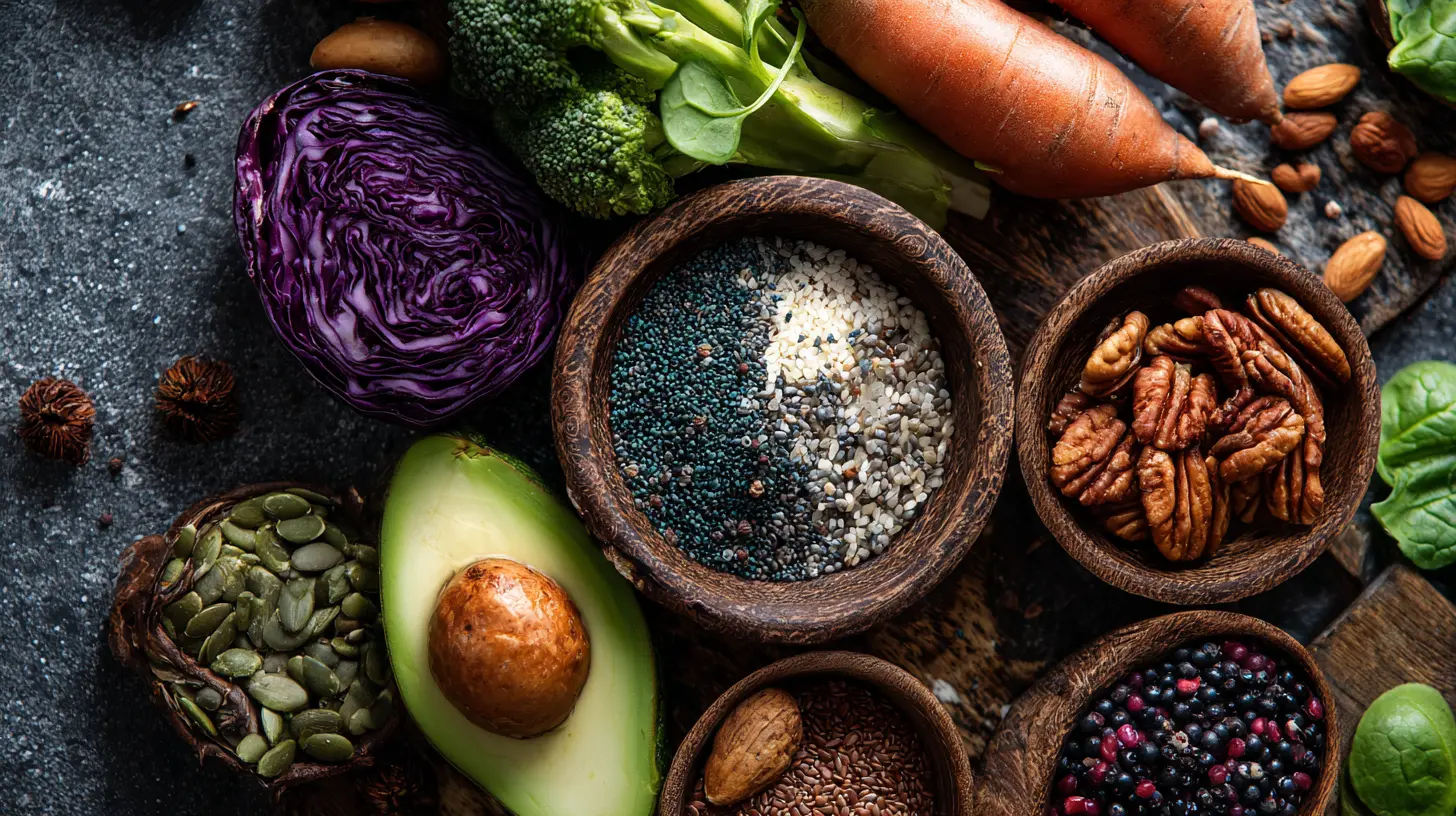
Fiber is a type of carbohydrate, but unlike other carbs, your body doesn’t break it down into sugar. Instead, it passes through your digestive system, doing a ton of good along the way.There are two main types of fiber:
1. Soluble Fiber – This dissolves in water, forming a gel-like substance. It helps lower cholesterol and regulate blood sugar. Foods rich in soluble fiber include oats, beans, apples, and flaxseeds.
2. Insoluble Fiber – This doesn’t dissolve in water. Instead, it adds bulk to your stool, making it easier to pass and preventing constipation. You’ll find insoluble fiber in whole grains, nuts, seeds, and vegetables.
Both types play a crucial role in maintaining good health, and a plant-based diet naturally provides a perfect balance of both.
Why Is Fiber So Important in a Plant-Based Diet?
1. Supports Healthy Digestion
Fiber is like the traffic controller of your digestive tract. It keeps things moving smoothly and prevents unpleasant issues like constipation. Insoluble fiber, in particular, ensures that waste leaves your body efficiently, preventing bloating and discomfort.2. Feeds Your Gut Microbiome
Your gut is home to trillions of bacteria, many of which help break down food and keep your immune system strong. Soluble fiber acts as a prebiotic—meaning it feeds the good bacteria in your gut. A happy gut equals a happy you!3. Helps Regulate Blood Sugar Levels
Ever feel like you're on a rollercoaster with your energy throughout the day? That’s often due to blood sugar spikes and crashes caused by refined carbs and sugars. Fiber helps slow down the absorption of sugar, leading to more stable energy levels and a reduced risk of type 2 diabetes.4. Supports Heart Health
Soluble fiber helps lower cholesterol by binding to it and removing it from the body. A plant-based diet rich in fiber can significantly reduce the risk of heart disease by keeping bad cholesterol levels in check.5. Aids in Weight Management
If you’re trying to maintain or lose weight, fiber is your best friend. High-fiber foods are more filling, meaning you’re less likely to overeat. They also keep you satisfied for longer, reducing those mid-day snack cravings.
How Much Fiber Do You Really Need?
Most people don’t get enough fiber. The recommended daily intake is:- Men: About 38 grams per day
- Women: About 25 grams per day
However, on a typical Western diet filled with processed foods, many people only get about 15 grams daily—way below the mark! That’s why switching to a plant-based diet can be a game-changer for your fiber intake.
Best High-Fiber Foods in a Plant-Based Diet
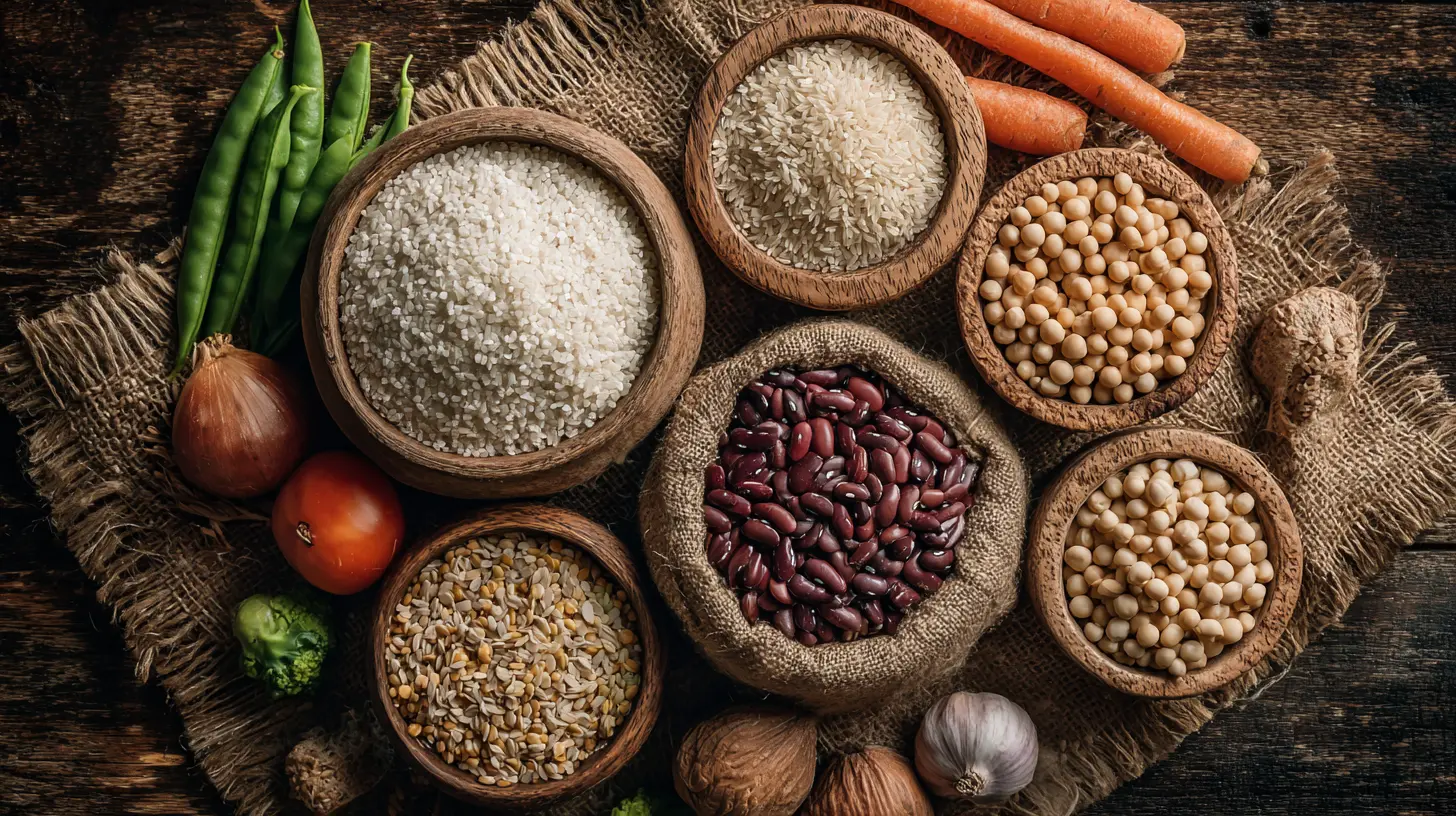
Not sure how to load up on fiber? Here are some top plant-based foods packed with it:Legumes
- Lentils (15.6g per cup)- Chickpeas (12.5g per cup)
- Black beans (15g per cup)
Whole Grains
- Quinoa (5.2g per cup)- Brown rice (3.5g per cup)
- Oats (8g per cup)
Fruits
- Avocados (10g per cup)- Apples (4.4g per medium apple)
- Raspberries (8g per cup)
Vegetables
- Carrots (3.6g per cup)- Broccoli (5.1g per cup)
- Sweet potatoes (6.6g per cup)
Nuts & Seeds
- Chia seeds (10g per ounce)- Flaxseeds (7.6g per ounce)
- Almonds (3.5g per ounce)
With so many delicious options, it’s easy to see how a plant-based diet keeps you fiber-rich without a second thought!
Can You Eat Too Much Fiber?
It’s rare, but yes, excessive fiber can cause digestive discomfort. If you suddenly increase your fiber intake too quickly, you might experience bloating, gas, or even cramps. The key? Increase it gradually and drink plenty of water to help your body adjust.
Simple Tips to Boost Your Fiber Intake
If you’re not hitting your fiber targets yet, don’t worry! Here are some easy ways to up your intake:- Start your day with fiber-rich foods – Oatmeal, chia pudding, or a smoothie packed with flaxseeds are great choices.
- Snack smartly – Instead of chips, go for fruit, nuts, or whole-grain crackers with hummus.
- Eat whole foods – Go for brown rice instead of white, whole-wheat bread instead of white bread, and whole fruits instead of juices.
- Load up on veggies – Add extra vegetables to soups, stir-fries, and sandwiches.
- Try legumes more often – Swap out meat for beans or lentils in your meals a few times a week.
The Bottom Line
Fiber is an unsung hero in a plant-based diet. It supports digestion, helps keep blood sugar stable, aids weight management, and even protects your heart. The best part? Getting enough fiber is easy when you focus on whole, plant-based foods.So, next time you plan a meal, ask yourself—"Is there enough fiber here?" Your body will thank you for it!
all images in this post were generated using AI tools
Category:
Plant Based DietAuthor:

Tiffany Foster
Discussion
rate this article
2 comments
Nadine McDermott
Fiber seems to be a game changer for health. I'm intrigued by how it impacts digestion and overall well-being in a plant-based diet.
May 25, 2026 at 3:31 PM
Tiffany Foster
Absolutely! Fiber plays a crucial role in digestion and overall health, especially in a plant-based diet. It helps maintain gut health and can boost well-being in many ways. Glad you're intrigued!
Craig McGeehan
Fiber: the unsung hero of the plant-based diet! It’s like the friendly bouncer at the digestive club—keeping things moving and making sure no one gets stuck at the door. Plus, it’s the best excuse for those *extra* servings of beans!
April 29, 2026 at 3:09 AM
Tiffany Foster
Absolutely! Fiber plays a crucial role in digestion and makes those extra bean servings totally worth it. Cheers to our digestive hero!