How to Combine Vegan Foods for Maximum Nutritional Impact
29 April 2026
Switching to a vegan diet is fantastic for your health, the planet, and animal welfare. But let’s be honest—just cutting out animal products doesn’t automatically make a diet healthy. You have to be smart about what you eat to ensure you’re getting all the essential nutrients.
One of the trickiest parts? Making sure your meals are nutritionally balanced. While a plant-based diet offers plenty of nutrients, it's important to combine foods wisely to maximize their benefits. In this guide, we’ll dive into how to pair vegan foods for the best nutritional impact. 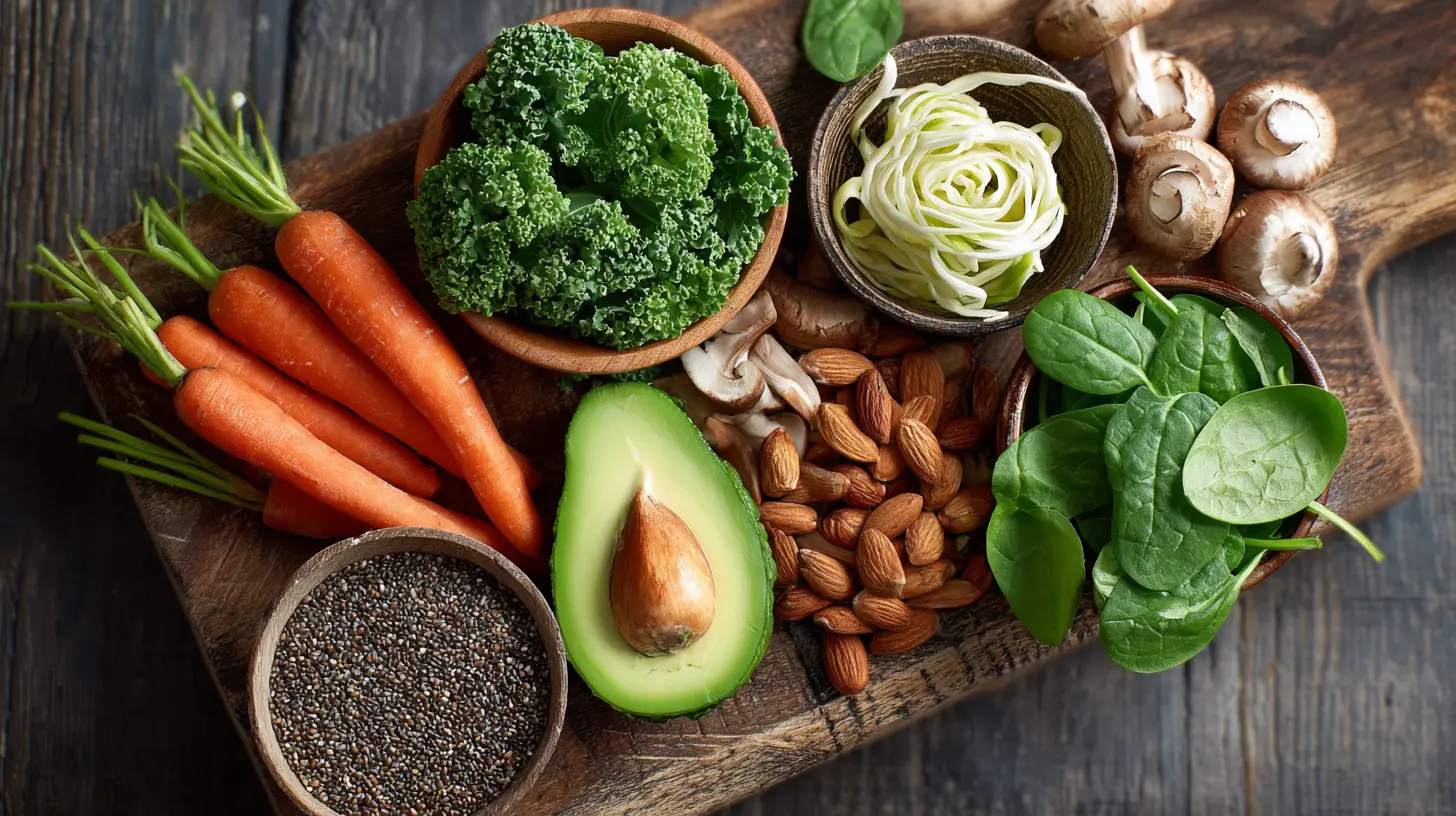
Why Food Combinations Matter
Your body needs a variety of macronutrients (carbs, proteins, and fats) and micronutrients (vitamins and minerals) to function at its best. Some plant foods complement each other, helping your body absorb more nutrients. Think of it like assembling a puzzle—each piece fits together to create a complete picture of nourishment.By strategically combining foods, you can:
- Improve nutrient absorption
- Ensure a complete protein intake
- Boost digestion and gut health
- Maintain high energy levels
- Prevent deficiencies
Let’s break it down step by step. 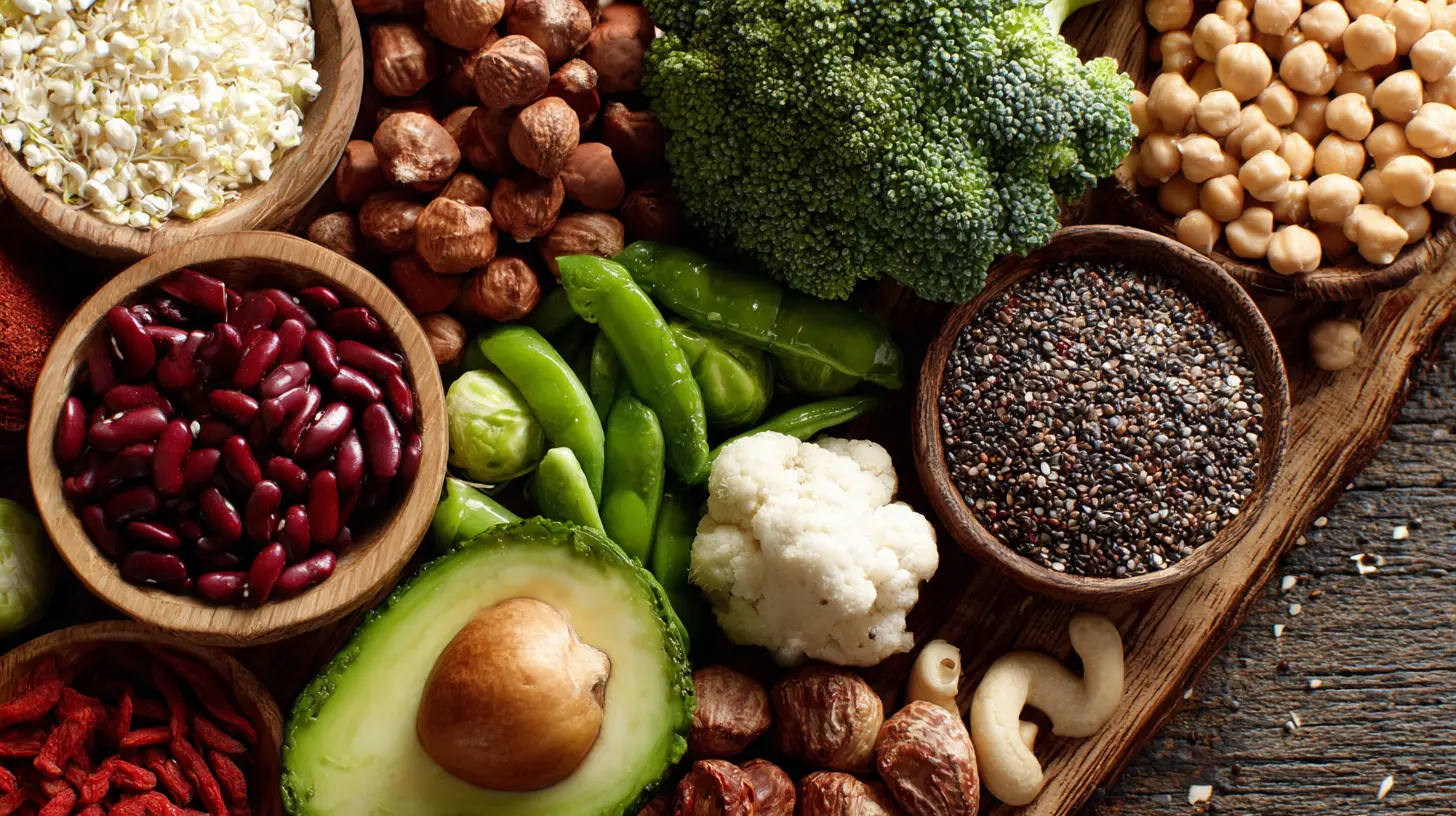
1. Pairing Plant Proteins for a Complete Amino Acid Profile
Protein is a hot topic in the vegan world. While animal products contain all nine essential amino acids, most plant-based sources only offer some. But here’s the good news: you can combine different plant proteins to create a "complete" protein profile.Best Protein-Packed Combos
- Rice + Beans: A staple in many cultures, this combo provides all essential amino acids.- Peanut Butter + Whole Wheat Bread: A childhood favorite that’s also nutritionally smart.
- Lentils + Quinoa: Quinoa is already a complete protein, but lentils add more fiber and minerals.
- Chickpeas + Tahini (Hummus): Packed with protein, healthy fats, and fiber.
The biggest myth? You don’t need to eat these combos in the same meal—just throughout the day to meet your needs. 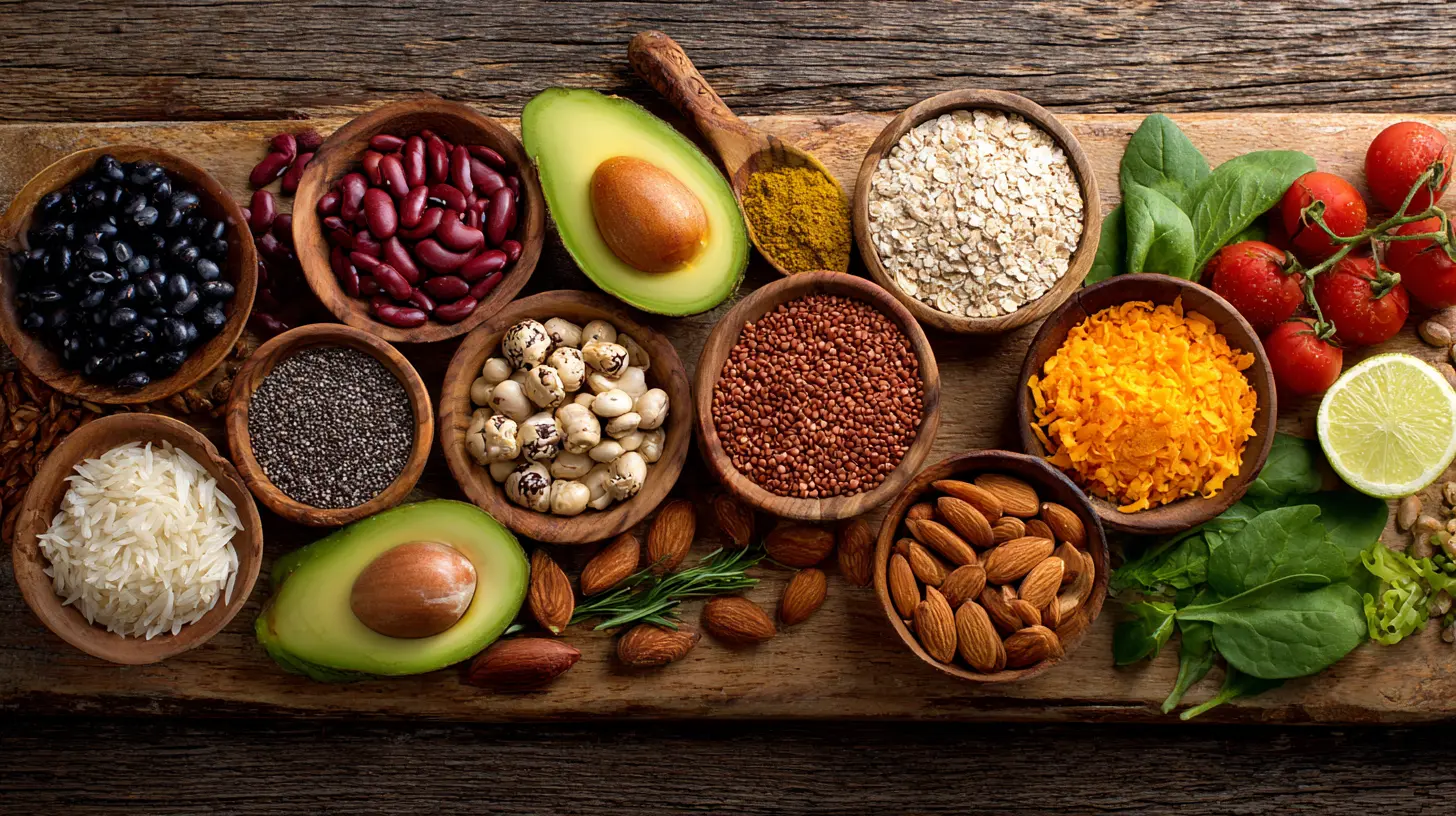
2. Enhancing Iron Absorption
Iron is crucial for energy and oxygen transport, but plant-based iron (non-heme iron) isn’t as easily absorbed as the iron from meat. The trick? Pair iron-rich foods with vitamin C sources to enhance absorption.Winning Iron-Boosting Combinations
- Spinach + Lemon Juice: A nutrient-packed salad dressing trick.- Lentils + Bell Peppers: The vitamin C in peppers helps absorb iron from lentils.
- Chickpeas + Tomatoes: A delicious and iron-friendly Mediterranean-inspired dish.
- Tofu + Broccoli: A double boost of iron with a vitamin C kick.
Avoid drinking coffee or tea with your meals, as tannins can block iron absorption. 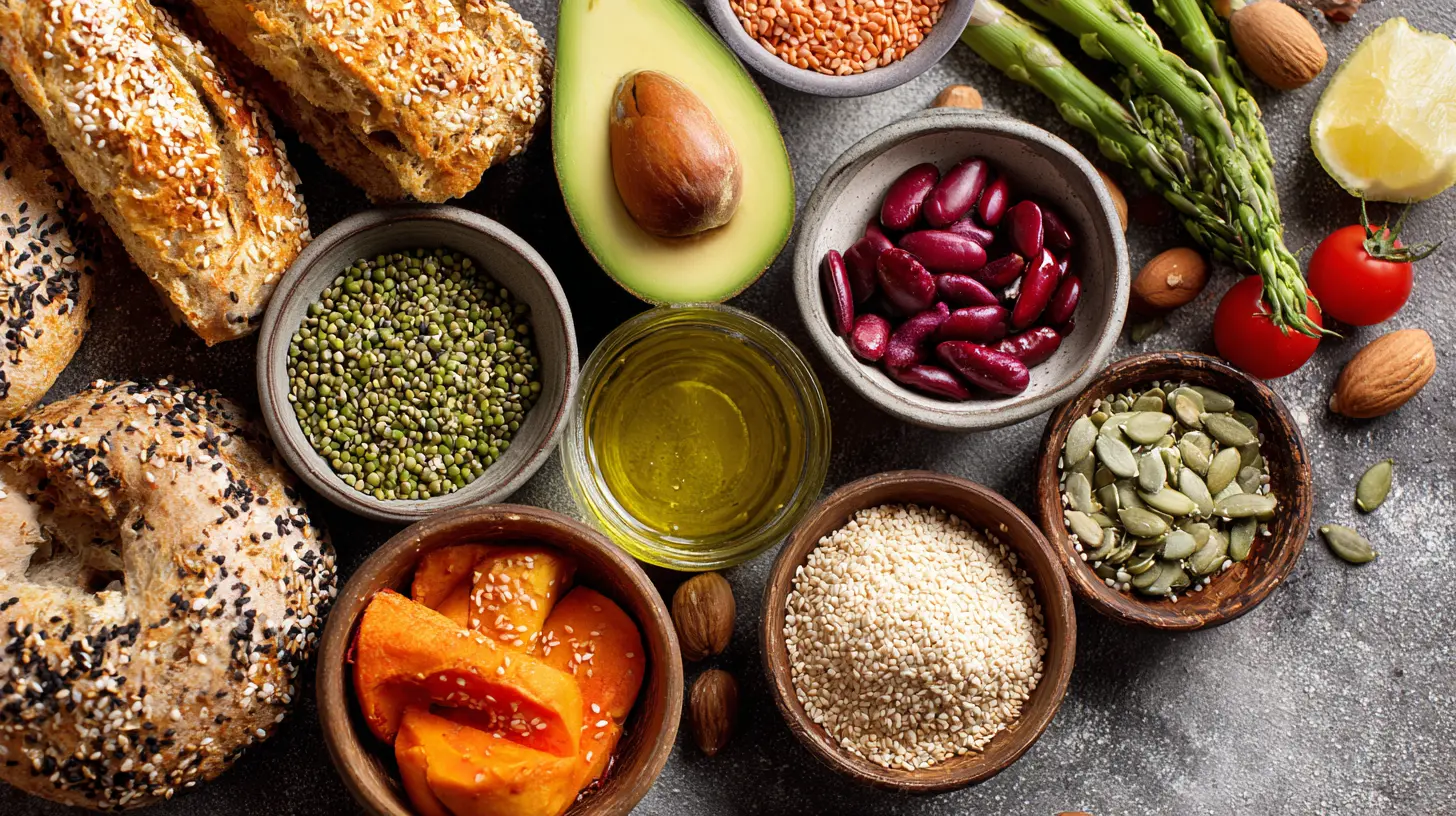
3. Maximizing Calcium Intake
Calcium is essential for strong bones, but dairy isn't the only source. Many plant-based foods contain calcium, but the body absorbs some better than others.Calcium-Packed Food Pairs
- Kale + Almonds: A bone-strengthening powerhouse.- Tofu + Sesame Seeds: Tofu is often set with calcium, and sesame seeds add another boost.
- Fortified Plant Milk + Chia Seeds: A great way to boost calcium in smoothies or cereals.
- Collard Greens + White Beans: A simple but calcium-rich combination.
Make sure to include vitamin D sources (like fortified foods or sunlight) to support calcium absorption.
4. Combining Healthy Fats with Vitamins for Better Absorption
Some vitamins (A, D, E, and K) are fat-soluble, meaning your body absorbs them better when paired with healthy fats.Best Fat-Soluble Vitamin Combinations
- Carrots + Avocado: The fat from avocado helps absorb beta-carotene (which converts to vitamin A).- Tomatoes + Olive Oil: Great for heart health and absorption of lycopene.
- Sweet Potatoes + Cashew Butter: A nutrient-dense snack or meal addition.
- Spinach + Nuts: Helps absorb vitamin K, which is essential for blood clotting and bones.
Healthy fats not only boost absorption but also keep you full and satisfied.
5. Balancing Omega-3 and Omega-6 Fatty Acids
Omega-3s are essential fats that support brain health and reduce inflammation. While omega-6s are also necessary, consuming too many (from processed foods) can lead to inflammation. The key is balance.Omega-3-Rich Vegan Sources
- Flaxseeds- Chia seeds
- Walnuts
- Hemp seeds
- Algal oil (a plant-based alternative to fish oil)
Best Combinations:
- Flaxseeds + Oatmeal: A heart-healthy breakfast option.
- Chia Seeds + Almond Milk: Perfect for chia puddings.
- Walnuts + Leafy Greens: Great in salads for an omega-3 boost.
Focus on increasing omega-3 sources while reducing processed vegetable oils high in omega-6s.
6. Supporting Gut Health with Prebiotics and Probiotics
A happy gut means better digestion, immunity, and nutrient absorption. Probiotics (good bacteria) and prebiotics (fiber that feeds good bacteria) should be a part of every vegan diet.Gut-Friendly Food Pairs
- Sauerkraut + Lentils: Fermented cabbage adds probiotics, while lentils offer prebiotic fiber.- Kimchi + Brown Rice: A flavorful way to nurture gut bacteria.
- Miso Soup + Tofu: A comforting dish packed with fermented goodness.
- Bananas + Almond Butter: A tasty snack that promotes gut health.
Adding these combos to your meals will help keep your digestion running smoothly.
7. Strengthening Bone Health Beyond Calcium
While calcium is key for bone health, you also need magnesium, vitamin K, and zinc to strengthen bones.Bone-Building Combos
- Pumpkin Seeds + Spinach: High in magnesium for bone support.- Quinoa + Cashews: A great source of zinc, which promotes bone density.
- Tahini + Dark Leafy Greens: Supports calcium absorption and bone strength.
A well-rounded vegan diet provides everything your body needs when foods are thoughtfully combined.
Final Thoughts
Eating a vegan diet isn’t just about avoiding animal products—it’s about creating balanced, nutrient-dense meals. By pairing foods strategically, you can optimize nutrient absorption, prevent deficiencies, and stay energized throughout the day.Remember, variety is key. Mix and match different food combinations to get the best out of your plant-based diet. Your body will thank you for it!
all images in this post were generated using AI tools
Category:
Vegan DietAuthor:

Tiffany Foster
Discussion
rate this article
2 comments
Cassandra Barrett
Embrace the power of plants! Combining vegan foods not only boosts your nutrition but also enhances your overall well-being. Small changes lead to big results... keep exploring!
May 25, 2026 at 2:31 AM
Tiffany Foster
Absolutely! Small changes in your diet can make a big difference. I'm glad you're inspired to explore the benefits of plant-based eating.
Lola McFarland
This article piques my interest! I wonder how different combinations can enhance nutrient absorption. Are there specific pairings that boost protein or iron intake? Excited to learn more!
April 30, 2026 at 4:16 PM
Tiffany Foster
Thanks for your interest! Certain combinations, like beans with rice, can enhance protein absorption, while vitamin C-rich foods like citrus fruits can boost iron intake when paired with leafy greens. Stay tuned for more tips in the article!