The Healing Power of Nature: How Spending Time Outdoors Boosts Mental Well-being
30 January 2026
Introduction
Ever feel like your mind is in overdrive? Like you’re constantly juggling responsibilities, deadlines, and notifications buzzing left and right? You're not alone. In today’s fast-paced world, stress, anxiety, and depression have skyrocketed. But what if the antidote to all this chaos was as simple as stepping outside?
Nature has an incredible way of healing our minds. Whether it’s a stroll in the park, a weekend hike, or simply sitting under a tree, spending time outdoors can work wonders for your mental health. But how exactly does nature do this? Let's dive in. 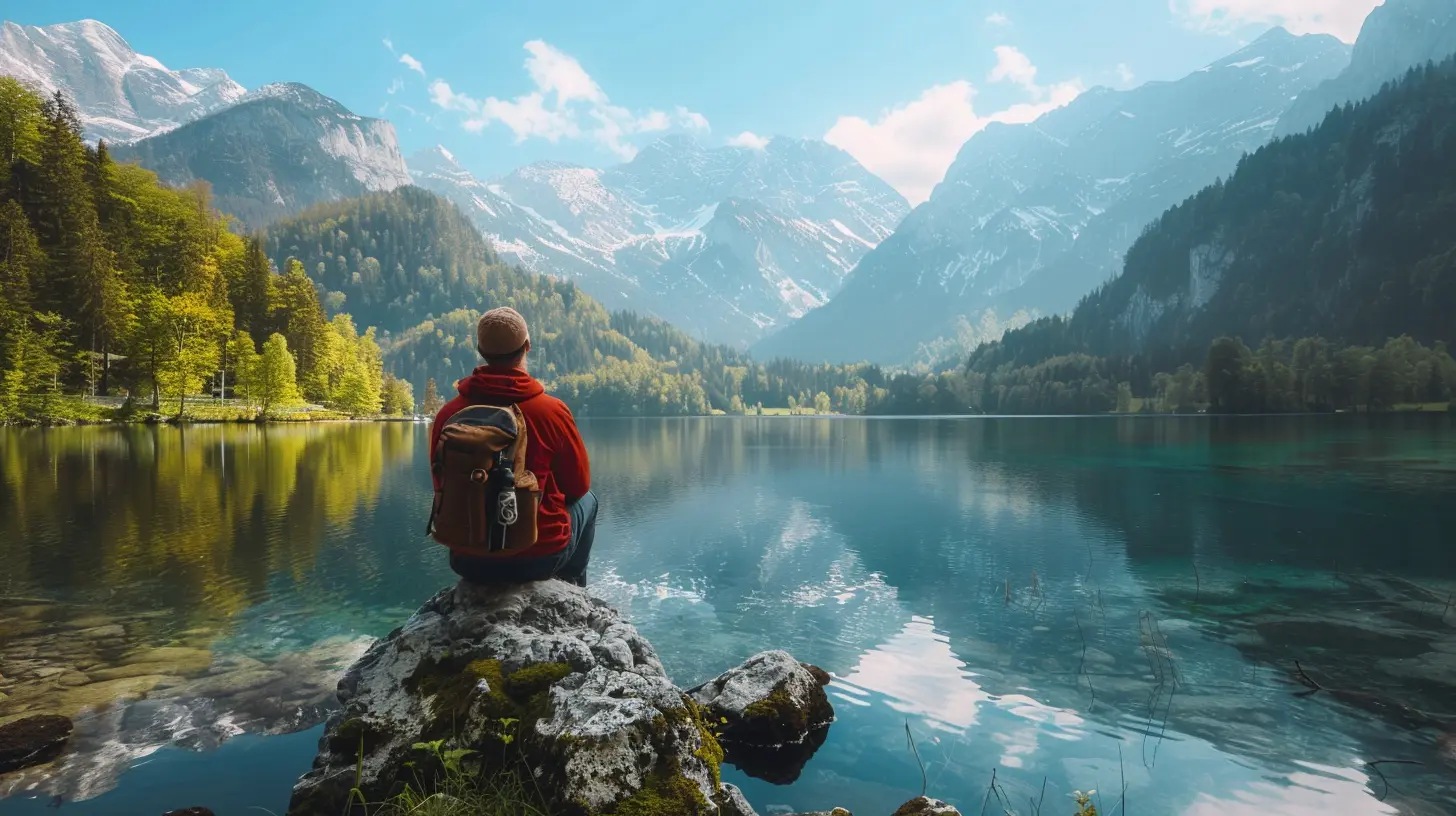
The Science Behind Nature and Mental Well-being
Science has our back on this one. Numerous studies highlight the benefits of spending time in green spaces. Researchers have found that nature exposure reduces cortisol levels (the stress hormone), improves cognitive function, and even enhances mood.1. Reduces Stress and Anxiety
Ever notice how your breathing slows down when you’re surrounded by trees or listening to the waves crashing on the shore? That’s nature’s calming effect in action. Being outdoors helps lower cortisol levels, reducing stress and promoting relaxation.Studies show that even just 10 minutes in nature can significantly decrease stress-related symptoms. Whether you're walking through a forest or sitting by a lake, nature taps into your nervous system, shifting it from fight-or-flight mode to a state of peace.
2. Boosts Mood and Happiness
Need a natural happiness boost? Step outside! Fresh air, sunlight, and natural surroundings lead to increased serotonin—the hormone responsible for happiness.Sunlight, in particular, helps regulate the production of vitamin D, which has been linked to lower depression rates. Just think about how a sunny day instantly lifts your spirits compared to a gloomy, overcast one. That’s nature working its magic!
3. Enhances Focus and Creativity
Ever hit a mental block while working indoors? Try taking a walk outside. Nature has a fascinating way of resetting our brains. Researchers have found that spending time in nature improves attention span, memory, and problem-solving skills.Even a brief outdoor escape can enhance creativity. That’s why so many famous writers, artists, and thinkers—like Albert Einstein and Henry David Thoreau—found inspiration in natural settings.
4. Encourages Mindfulness and Relaxation
In a world filled with distractions, mindfulness seems like a luxury. But nature effortlessly brings us into the present moment. The sound of rustling leaves, the chirping of birds, and the feel of the breeze against your skin all ground you in the here and now.Mindfulness in nature improves self-awareness, reduces overthinking, and fosters a sense of gratitude. Instead of worrying about the past or future, you simply exist—absorbing the beauty around you. 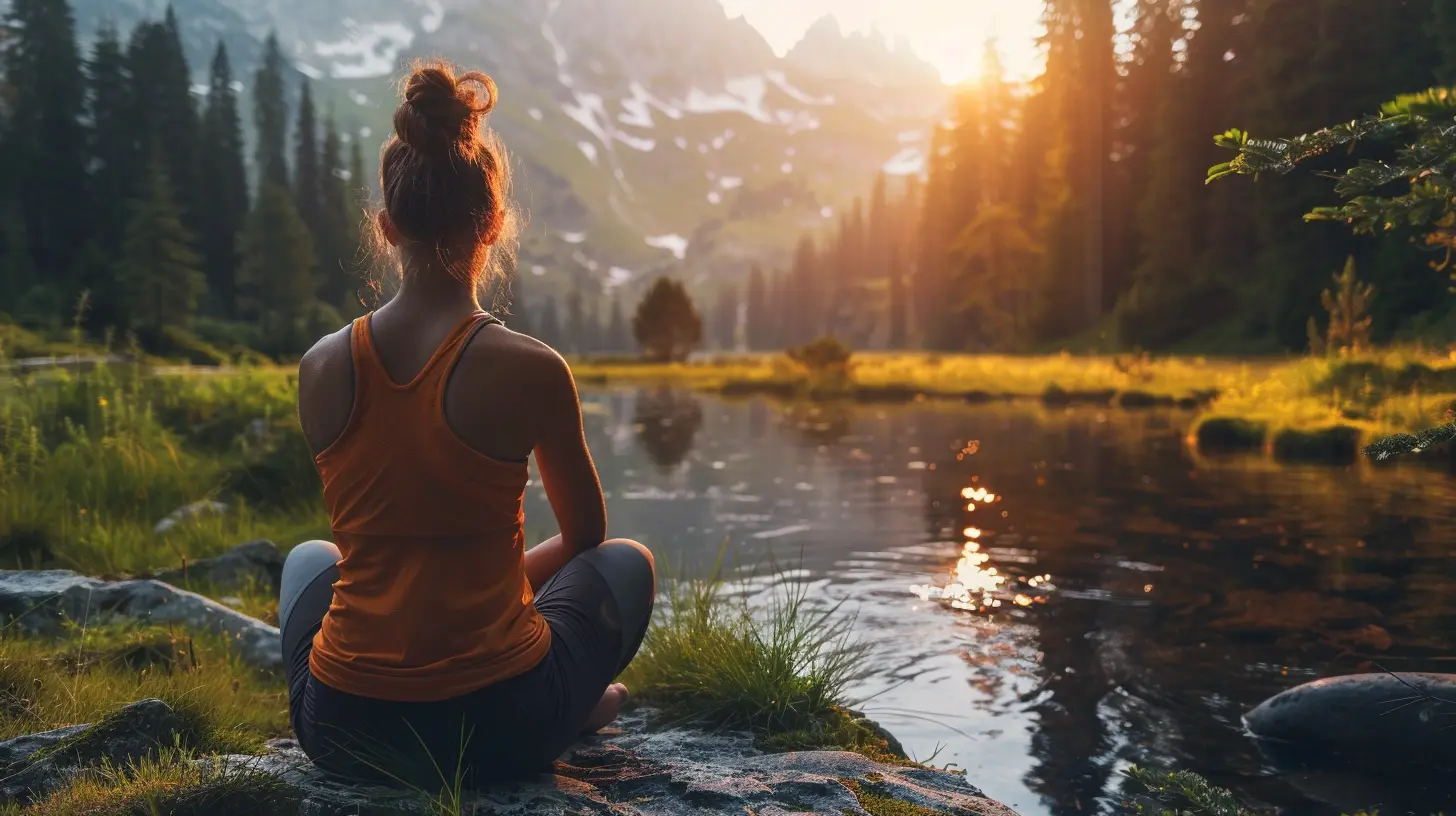
How Different Natural Environments Impact Mental Health
Not all outdoor spaces affect us in the same way. Different natural environments offer different benefits.1. Forests: The Ultimate Stress Relievers
Forest bathing, a concept from Japan known as Shinrin-yoku, involves immersing oneself in the forest and soaking in its calming energy. Trees release compounds called phytoncides, which have been shown to lower stress and boost immunity.A simple walk through a dense forest can slow your heart rate, reduce blood pressure, and instill a sense of deep relaxation.
2. Beaches: Nature’s Therapy for the Soul
There’s something undeniably soothing about the ocean. The rhythmic sound of waves, the salty air, and the vast horizon create a meditative atmosphere. The negative ions from the sea breeze are believed to balance serotonin levels, creating a natural antidepressant effect.If you’ve ever felt your troubles wash away while gazing at the ocean, now you know why!
3. Mountains: A Sense of Perspective and Freedom
Climbing a mountain or hiking along rugged trails gives you a physical challenge that translates into mental resilience. The higher you go, the more expansive your view—symbolizing a fresh perspective on life itself.Standing atop a mountain, breathing in the crisp air, and realizing how small your worries seem against the vast landscape creates an uplifting, almost spiritual experience.
4. Parks and Gardens: Everyday Nature Escape
Not everyone has access to forests or mountains, but even a city park or a backyard garden can work wonders. Greenery in urban environments provides a mini escape, improving focus, reducing stress, and offering a space for relaxation.Something as simple as walking barefoot on grass (known as earthing) can help you feel more connected to nature and balanced. 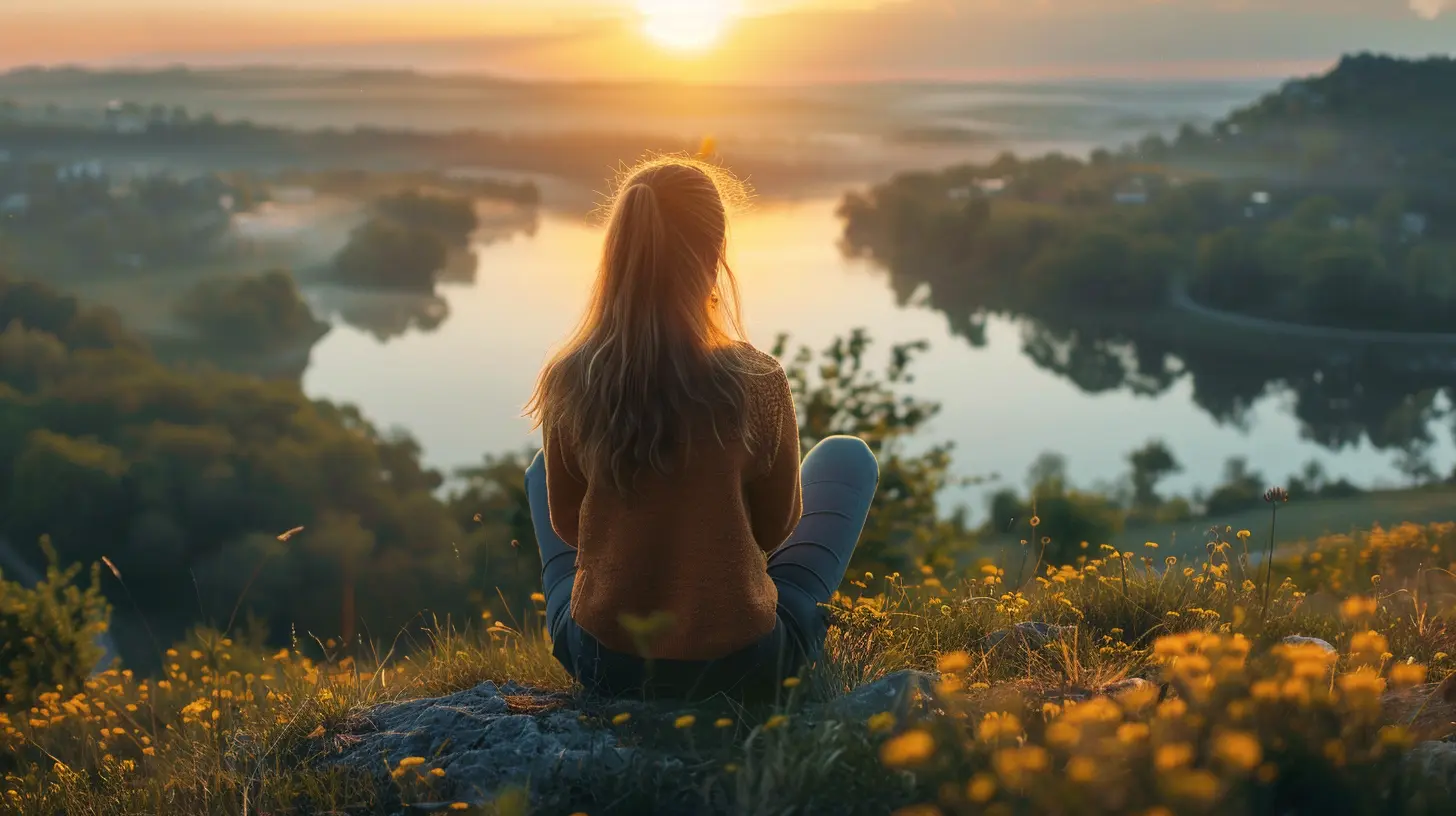
How to Incorporate More Nature Into Your Life
So, how can you make nature a bigger part of your daily routine? No, you don’t need to move to the mountains or spend hours hiking—though that would be amazing!1. Take Regular Walks Outdoors
Whether it’s a morning walk in the park or a lunch break stroll, make walking outside a habit. Even short walks can boost your mood and clear your mind.2. Spend Time in Green Spaces
Seek out parks, gardens, or any green spaces near you. Have lunch outside, read a book under a tree, or simply take deep breaths in an open field.3. Unplug and Be Fully Present
Ditch the phone, put away the earbuds, and just be in nature. Listen to the sounds, observe the details, and engage all your senses.4. Plan Nature Getaways
If possible, schedule trips to forests, mountains, or beaches. Weekend getaways to natural spots can provide a much-needed mental reset.5. Bring Nature Indoors
If going outside daily isn’t feasible, bring a bit of nature to you. Houseplants, nature sounds, or even pictures of natural landscapes can have calming effects.
The Mind-Nature Connection: It’s in Our DNA
Why does nature have such a profound impact on us? It’s simple—we’re wired for it. Humans evolved in nature, not in concrete jungles filled with artificial lighting and nonstop digital distractions.Our ancestors depended on natural surroundings for survival, and as a result, our brains find comfort in greenery, open spaces, and fresh air. When we reconnect with nature, we reconnect with our roots.
Think about how kids instinctively play outside, how we feel drawn to sunsets, or how a campfire can bring people together. It’s all part of our deep-seated bond with the natural world.
Conclusion: Step Outside and Heal
Nature isn't just a backdrop—it's a powerful healer. Whether you’re feeling stressed, mentally drained, or just need a breather, stepping outside can make all the difference.From reducing anxiety and improving focus to boosting happiness and fostering mindfulness, the great outdoors offers an endless supply of mental well-being benefits.
So, next time life feels overwhelming, take a deep breath, step outside, and let nature do what it does best—heal.
all images in this post were generated using AI tools
Category:
Healthy MindAuthor:

Tiffany Foster
Discussion
rate this article
2 comments
Brick Riley
Thank you for this insightful article! I wholeheartedly agree that spending time in nature can be incredibly healing for our mental well-being. It’s a simple yet powerful reminder of the importance of connecting with the outdoors in our busy lives. Looking forward to more discussions on this topic!
March 8, 2026 at 3:29 AM
Tiffany Foster
Thank you for your kind words! I'm glad you found the article insightful. I look forward to more discussions on the healing power of nature!
Samira McQuillan
In nature's embrace, our spirits soar, Gentle whispers heal, as worries implore. Sun-kissed days and moonlit nights, Outdoors’ magic ignites our inner lights. Breathe deep—life's beauty ignites.
January 31, 2026 at 5:53 AM
Tiffany Foster
Thanks for capturing the essence of nature's healing power. Your words beautifully reflect how being outdoors can truly uplift our spirits.