Dental Health for Kids: Establishing Good Oral Hygiene Early
15 March 2026
Good oral health is a lifelong journey, and it starts in childhood. As parents, we want the best for our kids, from a nutritious diet to proper hygiene. But how often do we think about their dental health? Cavities and tooth decay are some of the most common childhood concerns, but with the right habits in place, they’re completely preventable.
The earlier we introduce oral hygiene, the easier it becomes for kids to maintain healthy smiles into adulthood. In this guide, we'll dive into why early dental care matters, how to make oral hygiene fun, and the best habits to establish for a lifetime of healthy teeth.

Why Early Dental Care Matters
Baby teeth might be temporary, but they play a crucial role in overall health. Healthy baby teeth help children chew properly, speak clearly, and create space for their permanent teeth. If these teeth decay or fall out too soon, it can lead to misalignment or other dental issues as they grow.Starting good oral care early also prevents painful cavities, infections, and expensive dental procedures later on. More importantly, kids who learn dental hygiene at a young age are more likely to continue these habits as adults. So, the earlier we start, the better!
When to Start Brushing Your Child's Teeth
Many parents assume they don’t need to worry about dental care until their child has a full set of teeth. But the truth? Oral hygiene should begin before the first tooth even appears!Here’s a simple timeline to follow:
- Before teeth appear: Wipe your baby’s gums gently with a soft, damp cloth after feedings. This helps remove bacteria and prevents plaque buildup.
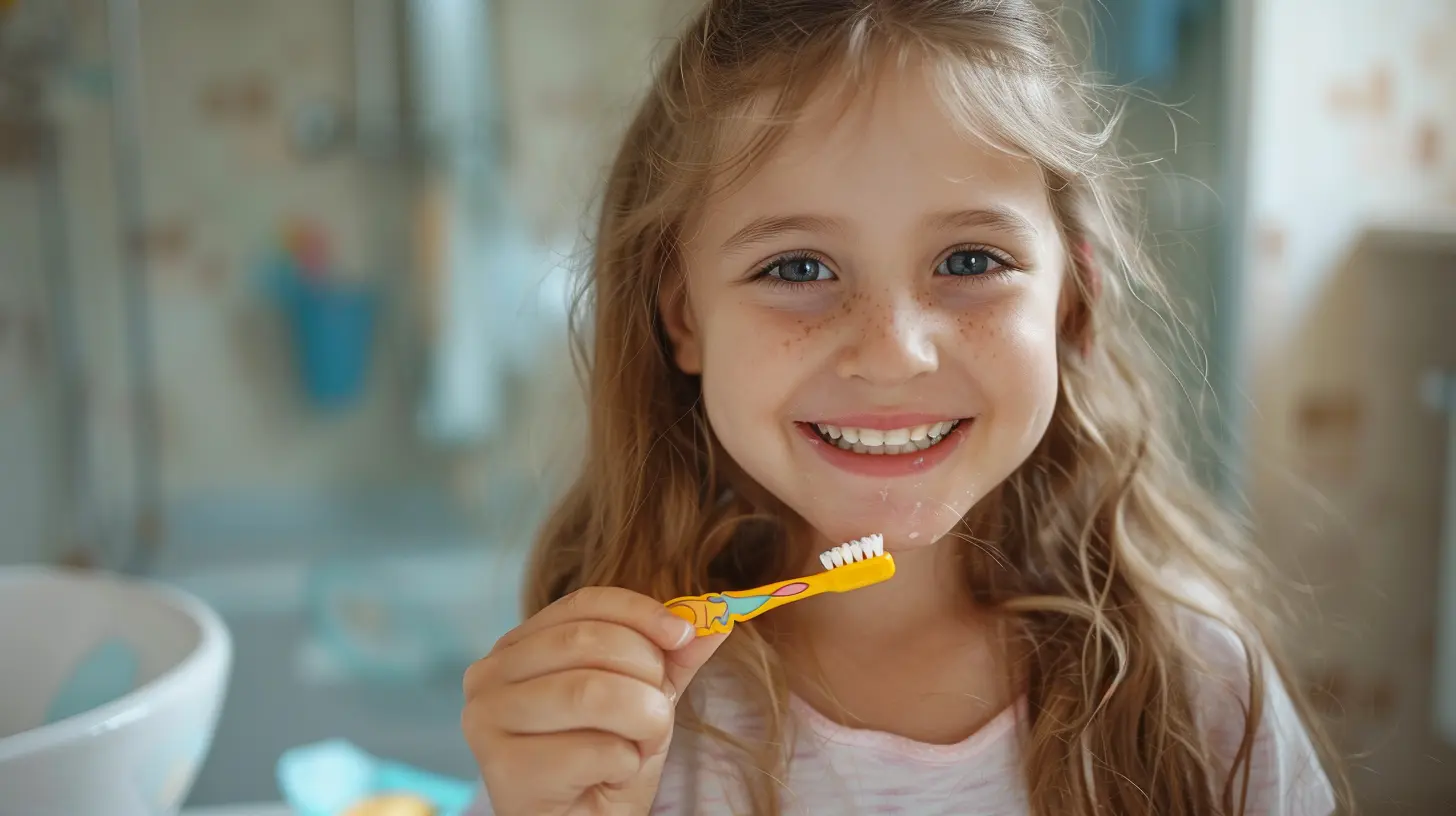
- First tooth (around 6 months): Start brushing with a soft baby toothbrush and a smear (the size of a grain of rice) of fluoride toothpaste.
- Age 3 and up: Use a pea-sized amount of fluoride toothpaste. Teach your child to spit after brushing but avoid rinsing with water to allow fluoride to protect their teeth.
By making brushing a natural part of their daily routine, kids will be more willing to adopt the habit without much resistance.

How to Make Brushing Fun
Let’s face it—kids aren’t always excited about brushing their teeth. But turning oral hygiene into a fun and engaging routine can make all the difference!1. Let Them Choose Their Toothbrush and Toothpaste
A toothbrush in their favorite color or with their favorite cartoon character can make brushing feel special. Kid-friendly, flavored toothpaste can also make the experience more enjoyable.2. Make It a Game
Set a two-minute timer and challenge your child to "defeat the sugar bugs." Some toothbrushes even play music or light up to keep kids engaged while brushing for the proper amount of time.3. Brush Together
Kids love to mimic their parents. Brushing your teeth alongside them not only sets a great example but makes the experience more fun.4. Use a Reward System
Create a sticker chart and reward consistency. After a week or month of good brushing habits, offer a small reward—a trip to the park or an extra bedtime story.When brushing time feels like playtime rather than a chore, kids are far more likely to embrace the habit.

The Importance of Flossing Early
Brushing alone isn’t enough—flossing is just as important! Food particles and plaque can hide between teeth, and if they're not removed, cavities and gum issues can develop.When should kids start flossing? As soon as they have two teeth that touch! At first, parents should do the flossing, but by age 6 or 7, kids can start learning to floss on their own with supervision.
To make flossing easier for little hands, try using fun, kid-friendly flossers instead of traditional string floss.
A Tooth-Friendly Diet for Healthy Smiles
Diet plays a huge role in dental health. Sugary snacks and drinks feed the bacteria in the mouth that cause cavities. While occasional treats are fine, it’s important to prioritize tooth-friendly foods.Best Foods for Strong Teeth:
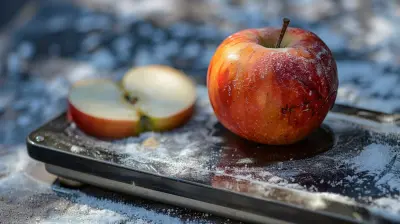
✅ Dairy products (milk, cheese, yogurt) – Provide calcium to strengthen teeth.✅ Crunchy fruits and vegetables (apples, carrots, celery) – Help clean teeth naturally.
✅ Nuts and seeds – Contain minerals that protect enamel.
✅ Water – The best drink for keeping the mouth hydrated and rinsing away bacteria.
Foods to Limit:
❌ Sugary candies and gum – Can stick to teeth and cause cavities.❌ Soda and fruit juice – High in sugar and can erode enamel.
❌ Sticky snacks like dried fruit – Can cling to teeth and cause plaque buildup.
Encouraging healthy food choices not only benefits their oral health but also contributes to overall well-being.
Regular Dental Checkups: When and Why?
Even with the best home care, professional dental visits are a must. The American Dental Association recommends that children see a dentist by their first birthday or within six months of their first tooth erupting.Routine checkups are essential because:
- Dentists can spot early signs of cavities and gum issues.
- Professional cleanings remove plaque and tartar buildup.
- They help kids become comfortable with dental visits, reducing fear or anxiety.
Aim for a dental visit every six months to keep your child’s smile in top shape.
Handling Common Dental Issues in Kids
No matter how diligent you are, dental issues can still arise. Here are some common problems and how to handle them:1. Teething Discomfort
Teething can be painful, but gentle gum massages and chilled (not frozen) teething toys can help soothe discomfort.2. Thumb-Sucking
While thumb-sucking is natural for infants, prolonged habits (beyond age 4) can shift teeth and impact jaw development. If needed, gently discourage the habit with positive reinforcement.3. Cavities
If your dentist finds a cavity, don’t panic. Early-stage cavities can sometimes be reversed with fluoride treatments, while more advanced decay may require fillings. The best approach is prevention through good oral hygiene and diet.
Leading by Example: Your Role as a Parent
Kids learn by watching, and that includes dental care. If they see you prioritizing your own oral hygiene—brushing, flossing, and visiting the dentist—they’re more likely to follow suit.Make oral hygiene a family activity rather than a personal task. When kids see you genuinely care about your teeth, they’ll naturally adopt the same mindset.
Final Thoughts
Establishing good oral hygiene early sets the foundation for a lifetime of healthy smiles. By making brushing and flossing fun, promoting a tooth-friendly diet, and keeping up with regular dental visits, you’re giving your child the best start possible.Remember, the habits we build today will stick with them for years to come. So grab those toothbrushes and make dental care a daily adventure!
all images in this post were generated using AI tools
Category:
Childrens HealthAuthor:

Tiffany Foster
Discussion
rate this article
2 comments
Marni Ortiz
Great article! It’s so important to instill good dental habits early on. Establishing a fun routine with kids can make brushing and flossing feel like an adventure. I love the idea of using songs or timers to keep them engaged. Thanks for these helpful tips!
March 24, 2026 at 3:55 PM
Tiffany Foster
Thanks for your kind words! I'm glad you found the tips helpful. Making dental hygiene fun really can make a big difference for kids.
Isaiah Pace
Start strong, smile bright—kids' teeth matter!
March 20, 2026 at 5:10 PM
Tiffany Foster
Absolutely! Healthy smiles set the foundation for a lifetime of good dental habits. Thank you for your support!