Protecting Your Child’s Eyes: Screen Time and Eye Health
24 March 2026
As parents, we want what's best for our kids, right? We make sure they eat their veggies, get enough sleep, and wear their helmets while riding bikes. But have you ever stopped to think about how all those hours in front of screens might be affecting their eyes? Yes, screens are everywhere – TVs, tablets, smartphones, laptops – and while they’re useful (and let’s be honest, sometimes lifesavers), too much screen time can take a toll on your child’s eye health.
So, how do we strike a balance between allowing our kids to enjoy technology while keeping their eyes safe? Don't worry! In this article, we'll break it all down, step by step, so you can make informed decisions to safeguard your child’s vision.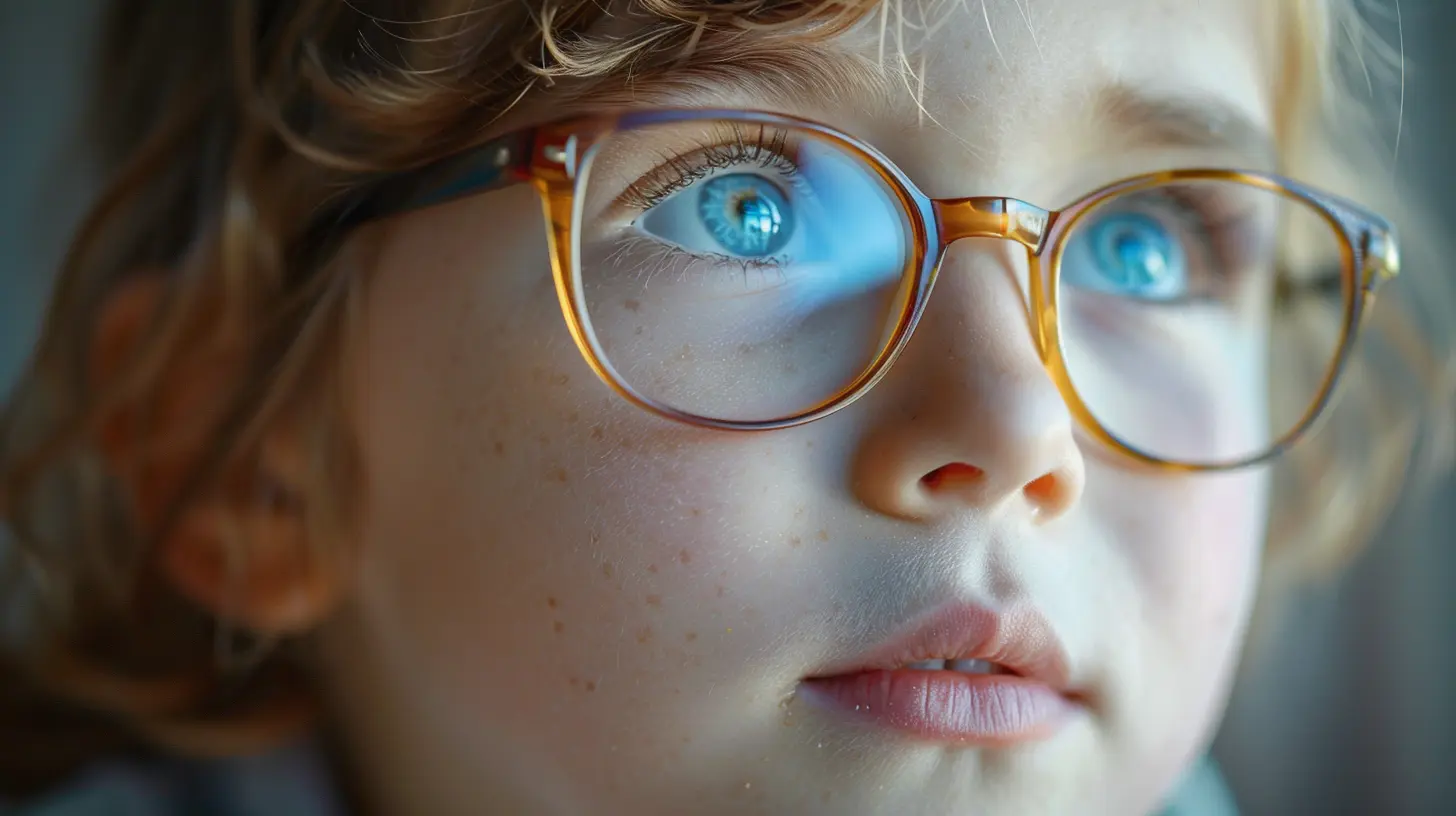
Why Is Eye Health Important for Kids?
Think of your child’s eyes as little windows to the world. Healthy eyes help them learn, explore, and engage with everything around them. But these little windows are still developing, which makes them extra vulnerable to strain and damage.Without proper care, overexposure to screens can contribute to issues like digital eye strain, nearsightedness (myopia), and even long-term complications. It’s like driving a car without regular maintenance – sooner or later, you’re going to have problems!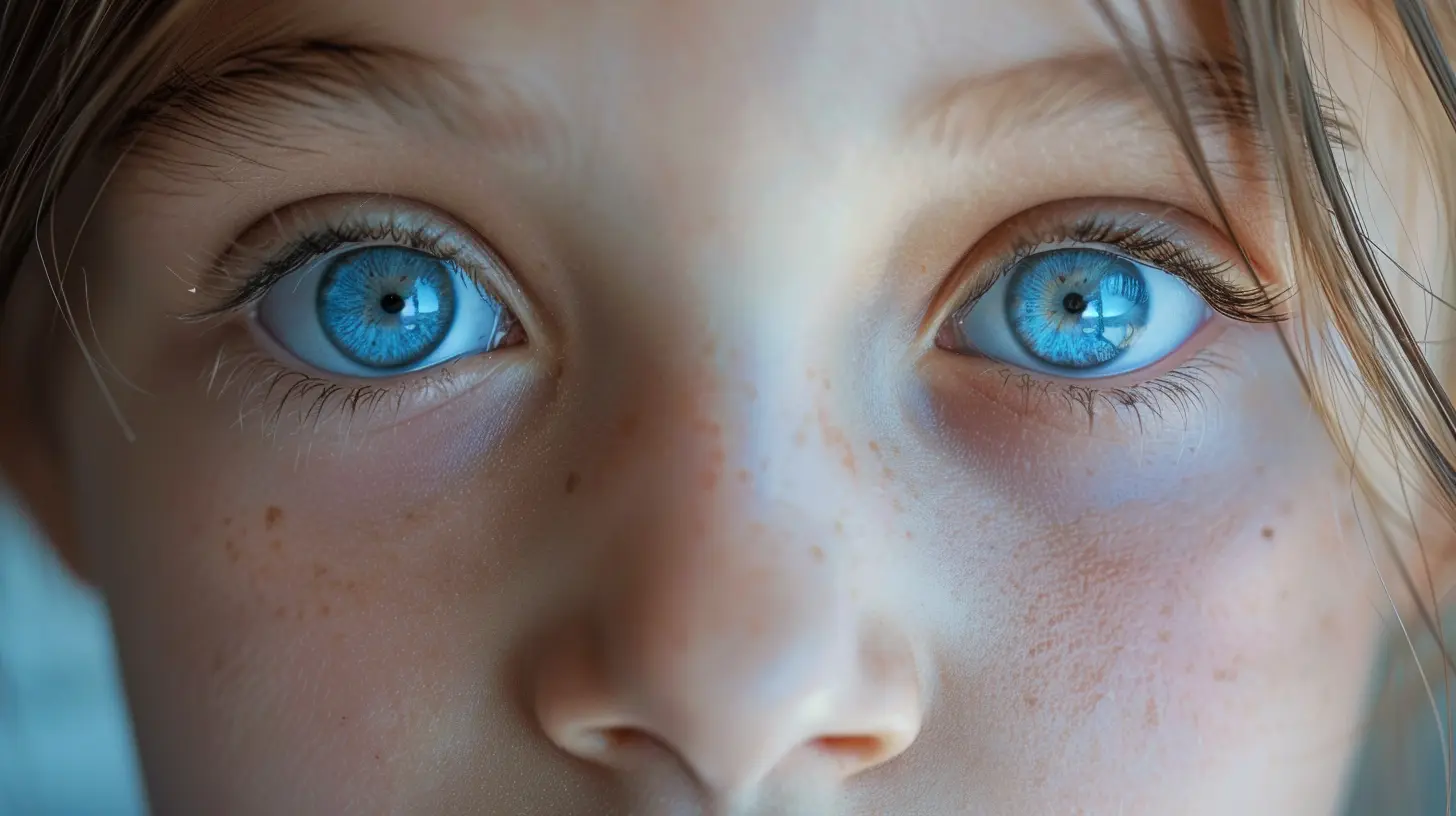
What Happens to Kids' Eyes During Screen Time?
“Why does looking at a screen hurt my eyes?” Ever heard your child say this? Well, they’re not imagining it. Here’s what's happening:1. Increased Eye Strain
- When kids stare at screens for hours, their eyes work overtime to focus. This constant focusing can tire out their eye muscles, leading to discomfort and blurred vision. Think of it like holding a squat for too long – eventually, your legs would start to ache!
2. Reduced Blinking
- When we use screens, we tend to blink less often. This can cause the eyes to dry out, making them feel itchy and irritated. Blinking is like a moisture spray – it keeps the eyes lubricated and refreshed. Less blinking? Less spray.
3. Blue Light Exposure
- Screens emit blue light, which can penetrate deeper into the eyes and disrupt their natural rhythms. It’s like when there’s too much sunlight on a hot day – it doesn’t just make you squint; it can also mess with your internal clock! 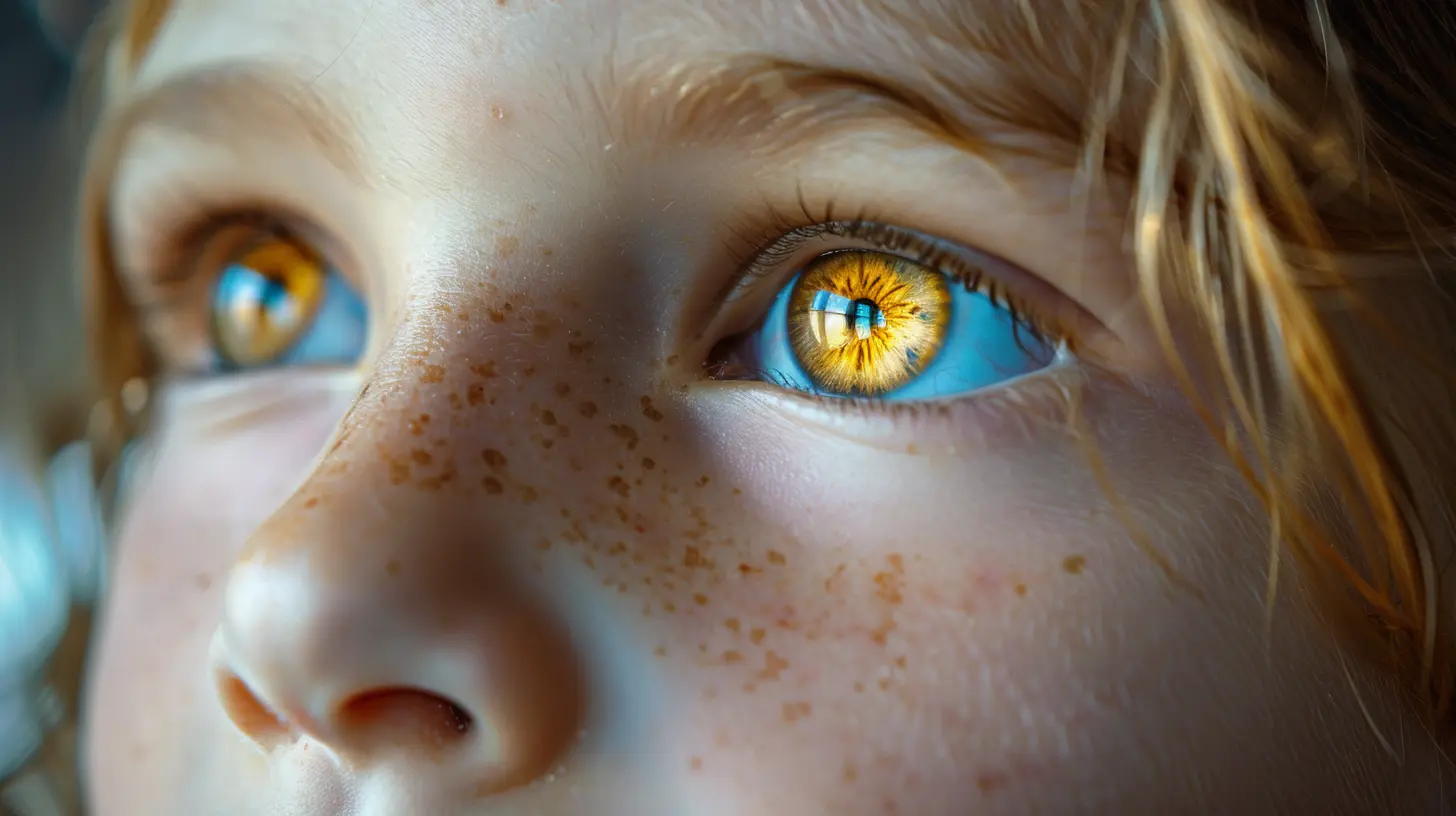
How Much Screen Time Is Too Much?
Let’s face it: it’s impossible to eliminate screens from your child’s life altogether. (Can you even imagine?) But we can definitely manage how much time they spend glued to them.The American Academy of Pediatrics (AAP) recommends the following:
- Kids under 18 months: Avoid screen time entirely (except video calls – Grandma’s got to see them, right?).
- Kids aged 2 to 5: Limit screen use to one hour per day, focusing on high-quality, educational content.
- Kids aged 6 and older: Put consistent limits on screen time to ensure it doesn’t interfere with sleep, physical activity, or social interactions.
Feel like your kid is already way over these limits? Don’t panic! Let’s talk about actionable steps you can take!
Signs Your Child's Eyes May Be Under Strain
Before diving into solutions, it helps to know what to watch for. Kids aren’t always the best at telling us something’s wrong, so look out for these red flags:- Complaints of headaches or eye discomfort after screen use.
- Squinting or frequent rubbing of their eyes.
- Sitting too close to the screen or holding devices near their faces.
- Difficulty concentrating while doing homework on a device.
If you notice these signs, it’s like your child’s eyes are waving a little white flag saying, “Hey, give us a break!”
Tips for Protecting Your Child’s Eyes From Screen Time
Now, onto the good stuff. What can you do to keep your child’s eyes healthy while still allowing them to enjoy their favorite devices? Here are some easy and effective strategies:1. Follow the 20-20-20 Rule
This one’s a lifesaver, and it’s super simple! After 20 minutes of screen time, encourage your child to look at something 20 feet away for at least 20 seconds. It’s like giving their eyes a mini-vacation!You can even make it a game – set a timer or challenge them to spot something interesting outside the window during their break.
2. Adjust the Screen Distance and Position
Keep screens at least arm’s length away from your child’s eyes. For larger screens like TVs or monitors, make sure they’re seated far enough away so they’re not squinting.And watch the angle: the screen should be at or slightly below eye level to reduce strain. No one wants a neck ache on top of tired eyes!
3. Limit Screen Use Before Bedtime
Blue light from screens can mess with your kid’s sleep cycle by suppressing the production of melatonin (the sleep hormone). Think of it like drinking a cup of coffee at bedtime – not ideal, right?Encourage a screen-free zone at least 1-2 hours before bed to help them wind down naturally.
4. Encourage Outdoor Play
Spending time outdoors isn’t just good for their physical health – it’s great for their eyes, too! Natural light and looking at distances help prevent nearsightedness. Plus, it’s an easy way to pry them away from screens without a fight.5. Create “Tech-Free” Zones
Establish areas in the house where screens are off-limits – like the dinner table or family game night. This sets boundaries and ensures your child gets a break from screen time while spending quality time with loved ones.6. Invest in Blue Light Protection
Consider adding blue light filtering glasses or applying a blue light filter to screens. These options reduce the amount of harmful blue light reaching your child’s eyes. It’s like giving them a pair of sunglasses but for their devices!7. Schedule Regular Eye Exams
Last but definitely not least: don’t skip those yearly eye checkups! An eye doctor can catch any potential problems early and ensure that your child’s vision is developing properly.Screen Time Alternatives to Keep Kids Engaged
“I can’t just take away their tablet – then what would they do?” Sound familiar? The good news is, there are tons of screen-free activities to keep kids busy and entertained. Here are a few ideas:- Outdoor adventures like biking, hiking, or simply playing tag.
- Arts and crafts projects (finger painting, anyone?).
- Reading books or listening to audiobooks.
- Building forts or towers with LEGO or blocks.
- Family board games or puzzles.
Not only do these activities give their eyes a break, but they also boost creativity and encourage quality family time.
Wrapping Up: Balance Is Everything
At the end of the day, screens aren’t the enemy – it’s all about balance. By being mindful of screen time and taking steps to protect your child’s eyes, you can ensure they reap the benefits of technology without jeopardizing their eye health.So, the next time you catch your child glued to a screen, remember these tips. Protecting your child’s vision is one of the greatest gifts you can give them – it’s like giving them a clearer, brighter window to the world!
all images in this post were generated using AI tools
Category:
Childrens HealthAuthor:

Tiffany Foster
Discussion
rate this article
2 comments
Roman Hensley
This article effectively highlights the importance of managing screen time to safeguard children's eye health. It offers practical tips for parents, emphasizing regular breaks, proper lighting, and outdoor activities to reduce eye strain and promote overall well-being.
March 29, 2026 at 5:31 AM
Tiffany Foster
Thank you for your feedback! I’m glad you found the tips helpful for promoting children’s eye health.
Abigail Mendez
Screen time: keeping kids entertained while their eyes train for future superhero roles!
March 26, 2026 at 3:29 AM
Tiffany Foster
While creativity is important, it’s crucial to balance screen time with eye health practices to ensure their vision develops healthily.