Common Pitfalls When Starting a Plant-Based Diet and How to Avoid Them
2 May 2026
Switching to a plant-based diet is an exciting journey. It comes with numerous health benefits, environmental perks, and a deeper appreciation for natural, wholesome food. But let’s be real—making the shift isn’t always a smooth ride. Many people run into common pitfalls that can make the transition frustrating or even cause them to quit altogether.
So, if you're thinking about ditching animal products or reducing them significantly, you've come to the right place. Let’s break down the most common mistakes people make when starting a plant-based diet—and how to avoid them.
1. Not Eating Enough Calories
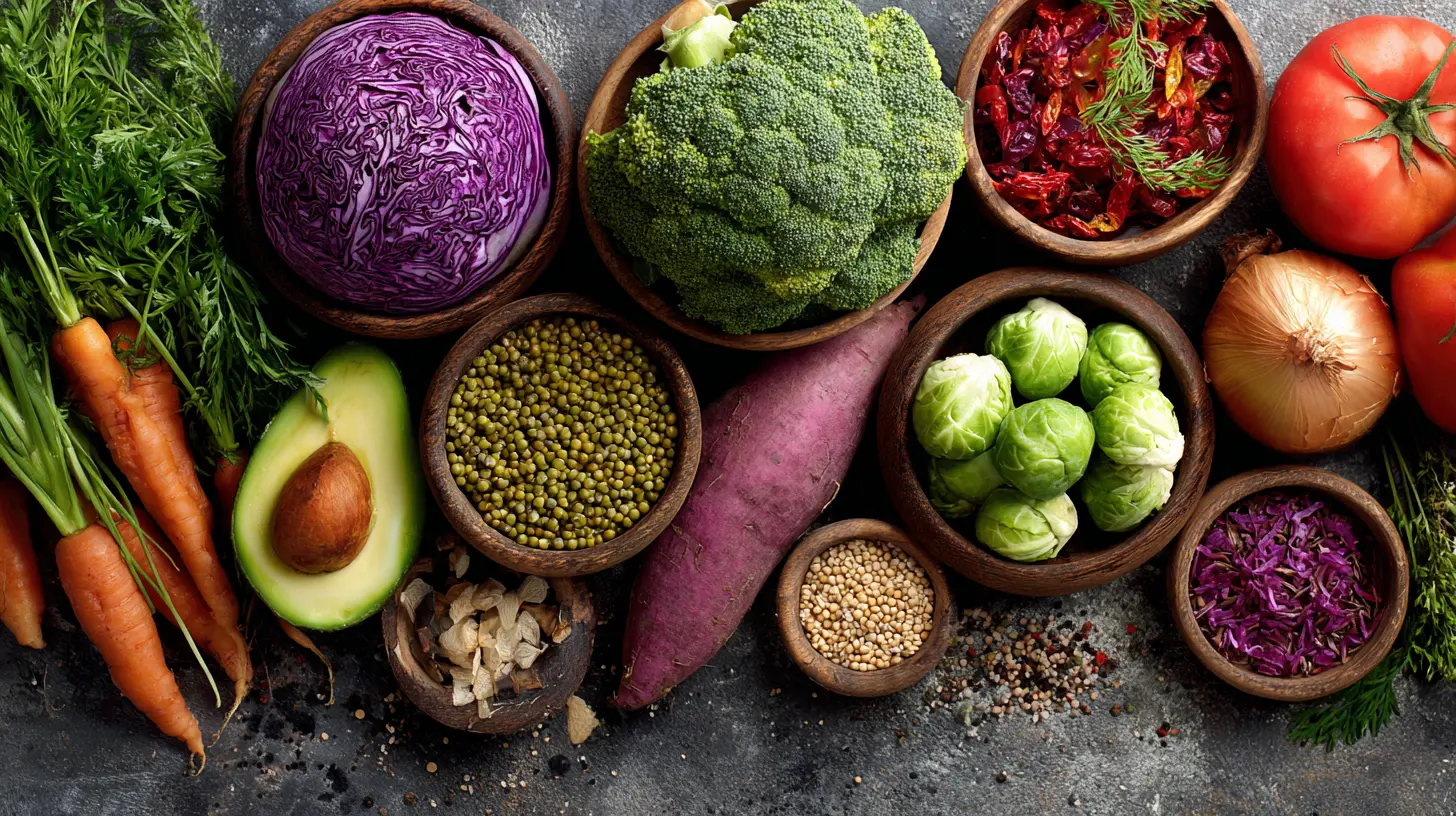
One of the biggest mistakes new plant-based eaters make is undereating. Why? Because plant-based foods tend to be lower in calories than animal-based foods. If you’re not mindful, you can suddenly find yourself feeling tired, cranky, and constantly hungry.How to Avoid This:
- Prioritize nutrient-dense foods. Load up on whole grains, legumes, nuts, seeds, and healthy fats.- Eat larger portions. Since plant-based meals are often less calorie-dense, you might need to eat more volume than you’re used to.
- Track your intake (at least at first). Use apps like MyFitnessPal or Cronometer to make sure you're eating enough.
2. Relying Too Much on Processed Foods
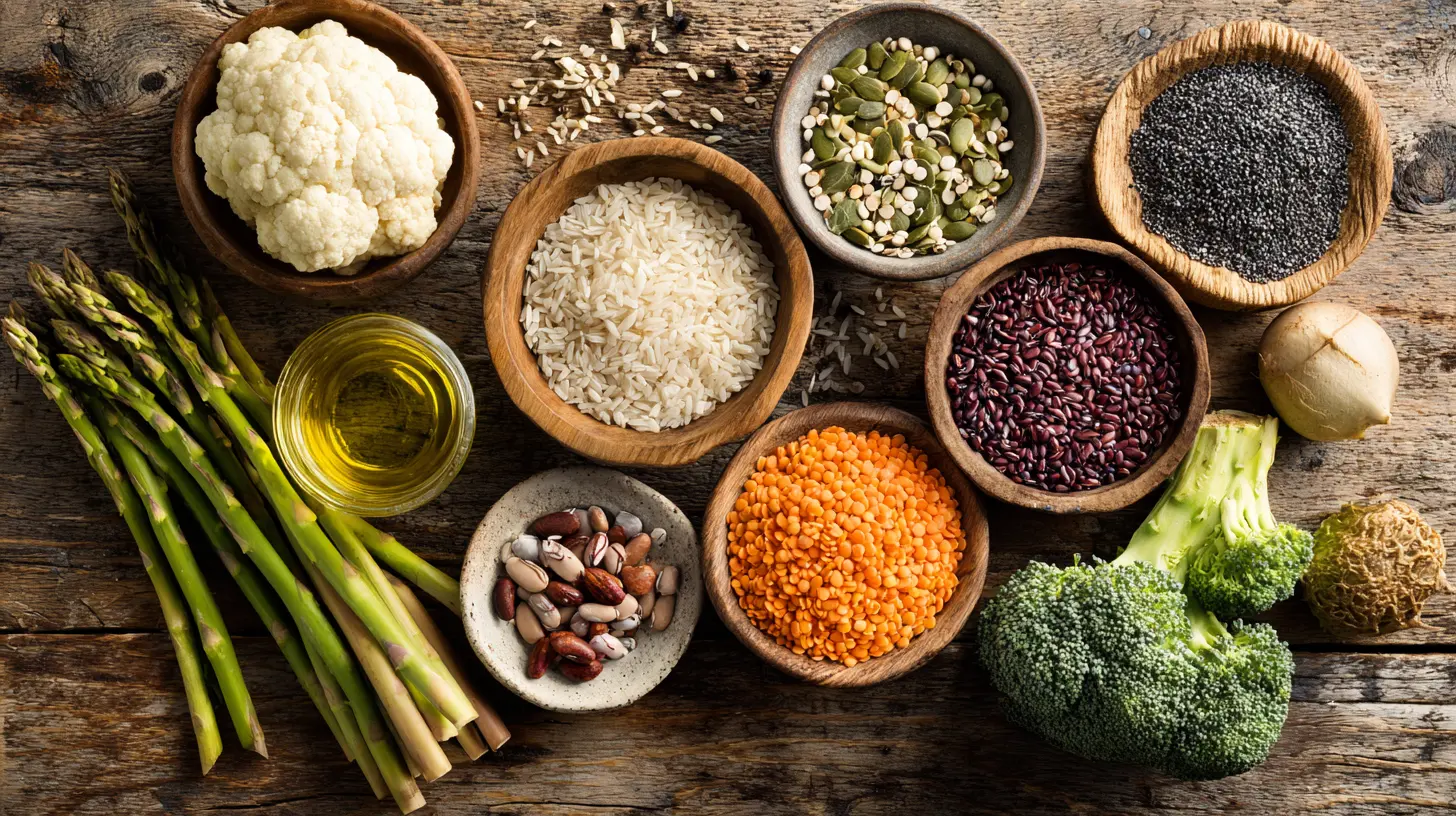
Just because something is labeled "vegan" or "plant-based" doesn’t mean it’s healthy. Many packaged plant-based foods are loaded with sodium, unhealthy fats, and artificial additives.How to Avoid This:
- Stick to whole foods. Fruits, vegetables, whole grains, legumes, nuts, and seeds should be your staples.- Read labels. If a product has a long list of ingredients you can’t pronounce, it's probably not the best choice.
- Cook at home. This way, you control what goes into your food.
3. Not Getting Enough Protein
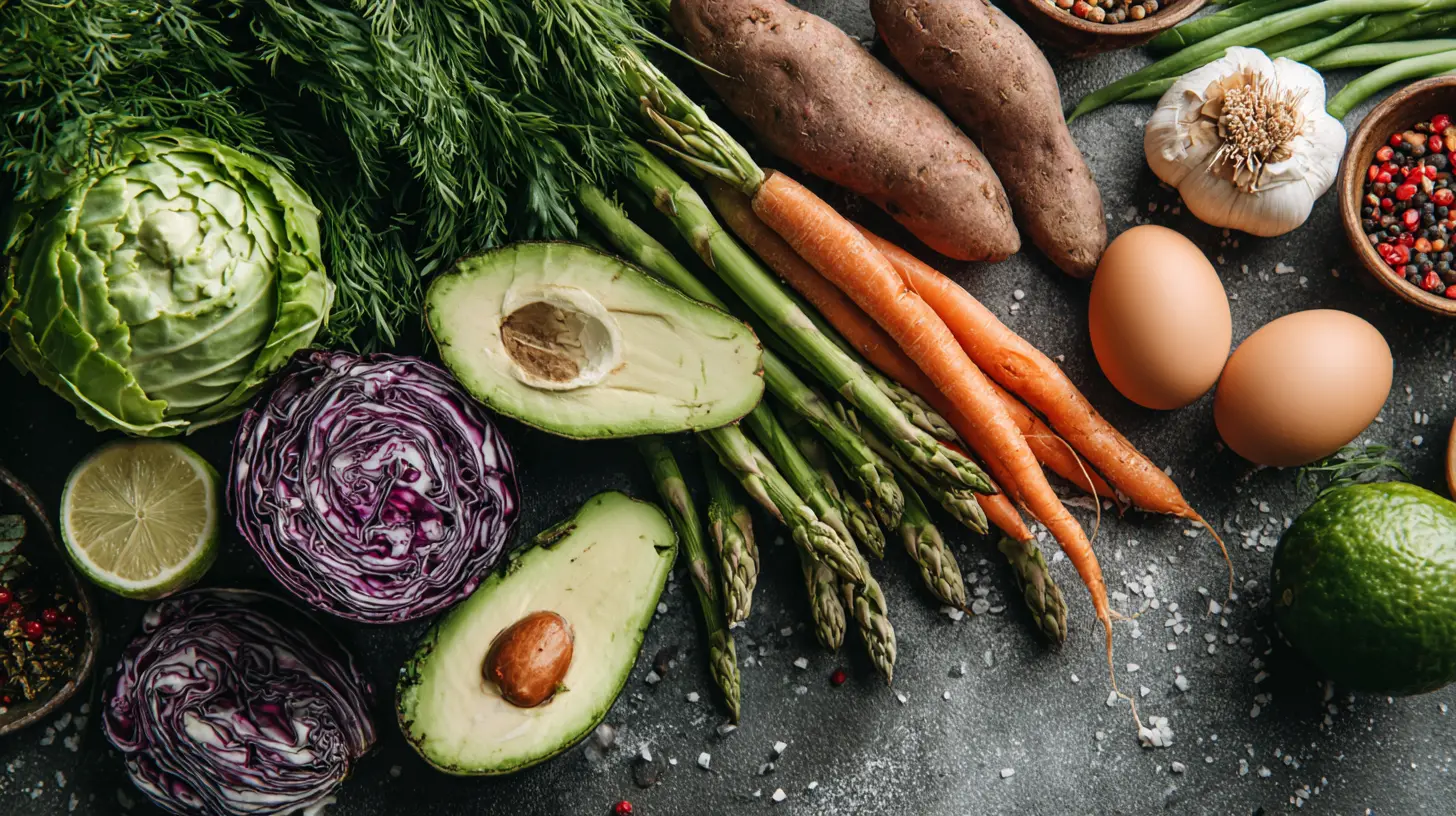
A common myth about plant-based diets is that it's hard to get enough protein. While plants do provide plenty of protein, you need to be intentional about including a variety of sources.How to Avoid This:
- Incorporate protein-rich plant foods like lentils, chickpeas, tofu, tempeh, quinoa, nuts, and seeds.- Combine different plant proteins throughout the day to get all essential amino acids.
- Don’t forget about plant-based protein powders if you need an extra boost.
4. Avoiding Healthy Fats
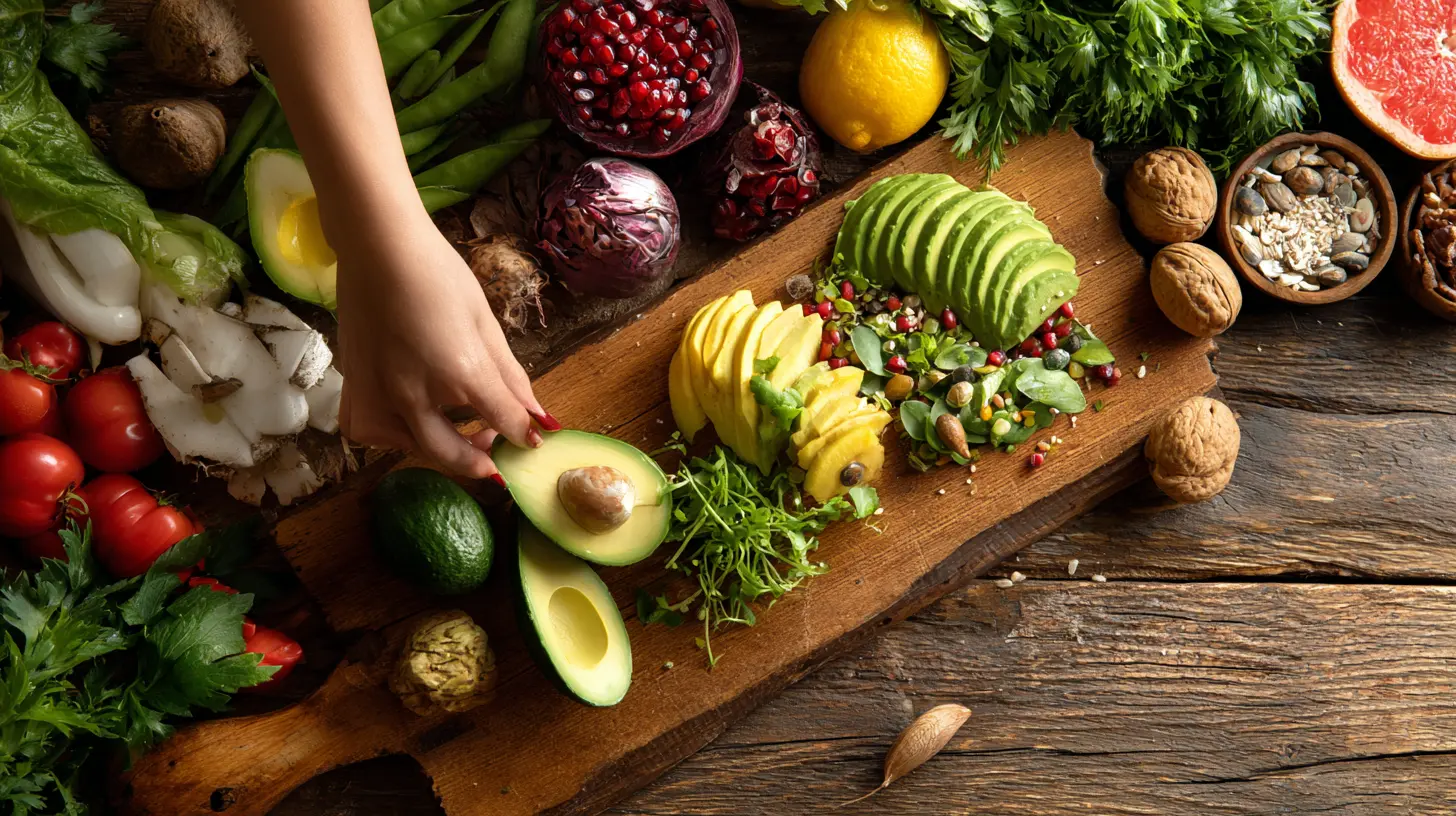
Some people associate "plant-based" diets with eating mostly fruits and vegetables, but healthy fats are essential too. Without them, you might struggle with hormone imbalances, brain fog, and even dry skin.How to Avoid This:
- Include healthy fat sources like avocados, nuts, seeds, olives, and coconut in your meals.- Use olive oil or flaxseed oil for drizzling over salads and veggies.
- Snack on nut butter or hummus to keep your energy levels stable.
5. Ignoring Vitamin B12 and Other Essential Nutrients
Vitamin B12 is crucial for brain function, nerve health, and energy, but it’s almost exclusively found in animal products. Other nutrients like iron, omega-3s, and zinc can also be harder to get on a plant-based diet.How to Avoid This:
- Take a B12 supplement or consume fortified foods like plant-based milks, nutritional yeast, and cereals.- Eat iron-rich plant foods (lentils, spinach, tofu) and pair them with vitamin C (citrus fruits, bell peppers) to improve absorption.
- Prioritize omega-3 sources like flaxseeds, chia seeds, walnuts, and algae-based supplements.
6. Eating Too Many Carbs and Not Enough Variety
Carbs are an important part of any diet, but relying too much on pasta, bread, and rice can lead to energy crashes. Plus, a diet that lacks variety may not give you all the nutrients your body needs.How to Avoid This:
- Add more plant protein and healthy fats to balance your meals.- Rotate your staples—swap rice for quinoa, try sweet potatoes instead of white potatoes, or experiment with different legumes.
- Challenge yourself to eat the rainbow—different colors in your diet mean a wider range of nutrients.
7. Not Planning Meals Properly
Without a meal plan, it’s easy to fall into the trap of grabbing whatever’s convenient—which might not always be the healthiest option.How to Avoid This:
- Meal prep for the week to ensure you always have nutritious meals on hand.- Keep quick and easy plant-based snacks (like fruit, nuts, or homemade energy bars) in your bag.
- Follow a simple meal formula: protein + fiber + healthy fat + complex carbs.
8. Expecting Overnight Results
Thinking that a plant-based diet will immediately make you feel amazing? While many people see improvements in energy and digestion, your body needs time to adjust.How to Avoid This:
- Be patient and give yourself at least a few weeks to see how your body responds.- Keep a food journal to track how different foods make you feel.
- Understand that transitioning is a process, not a race—it’s okay to take it step by step.
9. Not Being Prepared for Social Situations
Dining out or attending social events can feel tricky when you're new to plant-based eating. If you’re unprepared, you might end up feeling stuck or making less-than-ideal choices.How to Avoid This:
- Check menus in advance when eating out. Many restaurants now have plant-based options or are willing to modify dishes.- Bring a dish to gatherings so you have something delicious and plant-based to enjoy.
- Communicate with friends and family—most people are understanding and happy to accommodate.
10. Falling Into the "All or Nothing" Trap
One of the biggest reasons people give up on a plant-based diet is that they think they have to be 100% perfect. If they slip up and eat something non-vegan, they feel like they’ve failed. Spoiler alert: You don’t have to be perfect!How to Avoid This:
- Focus on progress, not perfection. Every plant-based meal you eat makes a difference.- Don’t beat yourself up over small mistakes—just get back on track with your next meal.
- Remember that flexibility is key. If a strict plant-based diet doesn’t work for you, a mostly plant-based diet is still a win!
Final Thoughts
Starting a plant-based diet is a journey, and like any journey, there will be bumps along the way. The key is to learn from those challenges instead of letting them derail you. By avoiding these common pitfalls, you'll set yourself up for success and enjoy all the amazing health benefits that come with a plant-based lifestyle.So go ahead—embrace this new way of eating with an open mind, a little patience, and a lot of delicious plant-based meals. You’ve got this!
all images in this post were generated using AI tools
Category:
Plant Based DietAuthor:

Tiffany Foster
Discussion
rate this article
2 comments
Khloe Riley
Starting a plant-based diet? Watch out for the protein myth and hidden sugars. A little planning goes a long way in making your transition smooth and delicious.
May 27, 2026 at 2:43 AM
Tiffany Foster
Thanks for the reminder! Planning really does make a difference in enjoying a plant-based diet without the pitfalls.
Catherine Valentine
Navigating a plant-based diet can be trickier than it seems. What hidden traps lie beneath the surface? Discover the secrets that could make or break your journey...
May 14, 2026 at 3:18 PM
Tiffany Foster
Absolutely, it can be challenging. Common traps include inadequate protein intake, relying too much on processed foods, and not planning meals ahead. Being aware of these will help set you up for success.