Future of healthcare: Could AI someday replace doctors?
April 4, 2026 - 21:29
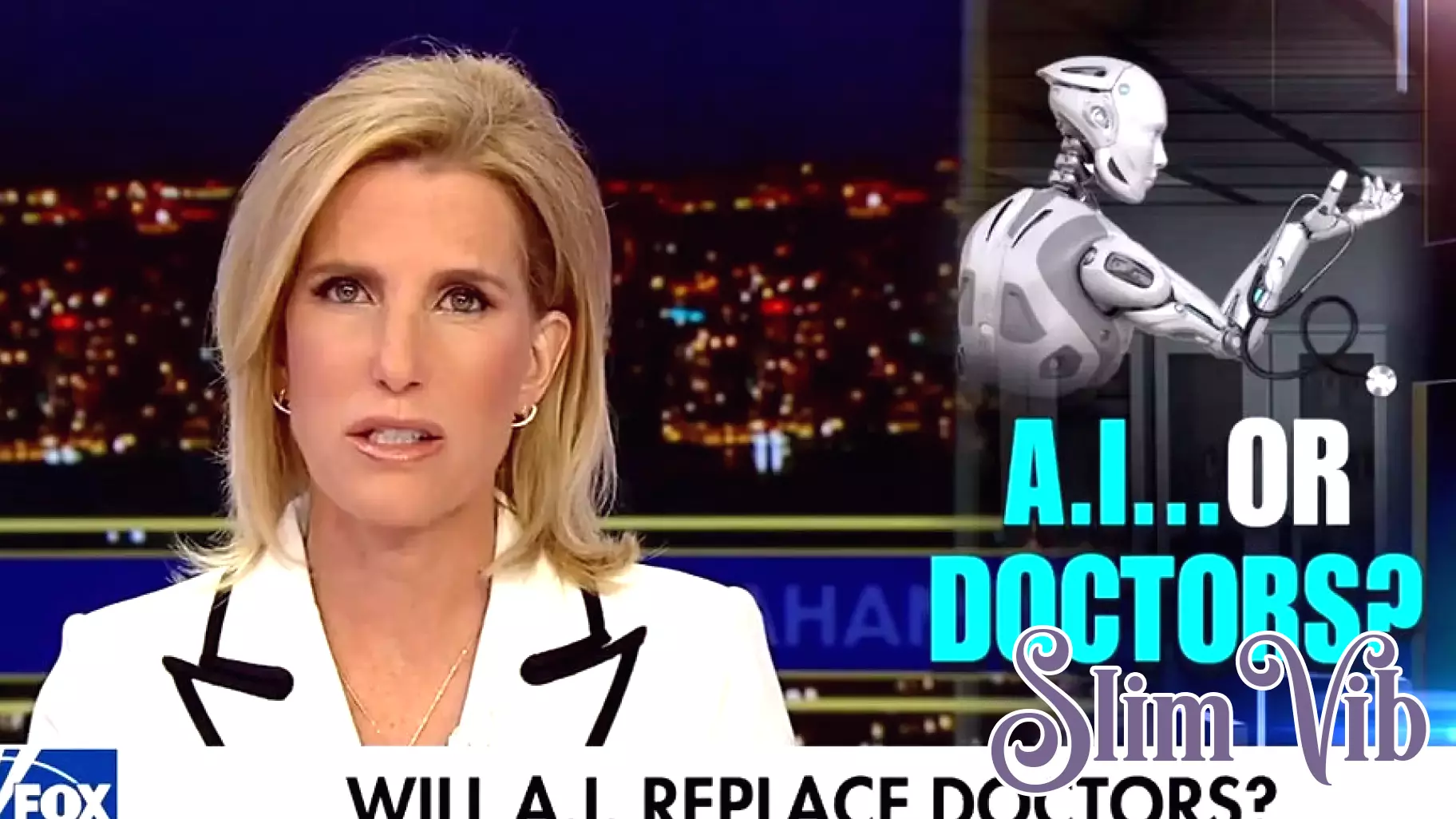
The rapid integration of artificial intelligence into medical diagnostics and treatment planning is sparking a profound debate within the healthcare industry. While AI demonstrates remarkable capabilities in analyzing complex datasets, imaging scans, and even suggesting potential diagnoses, experts are urging a perspective of collaboration over replacement.
A central argument is that AI serves best as a powerful augmentation tool, not a substitute for human physicians. These systems can process vast amounts of information far quicker than a human mind, potentially identifying patterns or risk factors that might otherwise be overlooked. This can free up valuable time for doctors, allowing them to focus more on direct patient interaction, nuanced clinical judgment, and compassionate care—areas where machines fundamentally lack ability.
The human elements of medicine, including empathy, ethical decision-making, and the understanding of a patient's personal circumstances and values, remain irreplaceable. Trust in the patient-doctor relationship is built on this human connection. Furthermore, medical professionals are essential for interpreting AI-generated insights within the full context of an individual's health, making final treatment decisions, and navigating complex, unpredictable situations.
The future of healthcare appears to be one of synergy, where AI handles data-intensive tasks with superhuman efficiency, empowering physicians to practice with greater precision and focus on the irreplaceable art of healing. The goal is not an automated system, but an enhanced partnership that improves outcomes for all patients.
MORE NEWS

August 19, 2026 - 03:50
Jamal Musiala gives health update after two on-pitch collapses in four daysBayern Munich midfielder Jamal Musiala has broken his silence following a worrying stretch that saw him collapse on the pitch twice within the span of four days. The 21-year-old first went down...

August 18, 2026 - 06:30
$500 Neko Health body scanner announces US launchSwedish health tech company Neko Health is bringing its comprehensive body scanning service to the United States, offering a deep-dive diagnostic experience for a flat fee of $500. The service,...

August 17, 2026 - 22:53
RFK Jr.: Let them eat fish cakesThe nation`s top health official is trading policy briefs for a frying pan. Robert F. Kennedy Jr., the current Secretary of Health and Human Services, has apparently decided that the best way to...

August 17, 2026 - 08:31
Health records in GOP race for Oklahoma governor could help sway voters, experts sayPolitical analysts say the sudden focus on medical fitness in the Oklahoma Republican primary for governor could shift voter sentiment in a race that remains too close to call. The dispute began...