Why Plant-Based Eating is Better for Digestive Health
1 January 2026
Digestive health is something we often take for granted—until something goes wrong. Bloating, constipation, acid reflux, and irritable bowels can make life miserable. But what if one simple change in your diet could improve your digestion dramatically?
Switching to a plant-based diet has been shown to work wonders for gut health. From fiber-rich foods to maintaining a healthy gut microbiome, plant-based eating offers numerous benefits for digestion. Let’s dive into why swapping out meat-heavy meals for plant-powered goodness might be the best decision for your digestive system. 
What Does Digestive Health Mean?
Before we get into the benefits of a plant-based diet, let’s talk about what digestive health actually means.Your digestive system is responsible for breaking down food, absorbing nutrients, and eliminating waste. When your digestion is on track, you feel energized, light, and regular. But when things go south, you might experience bloating, gas, constipation, diarrhea, or discomfort.
Poor digestion can result from low fiber intake, dehydration, stress, or an unhealthy gut microbiome—which is exactly where plant-based foods come in to save the day! 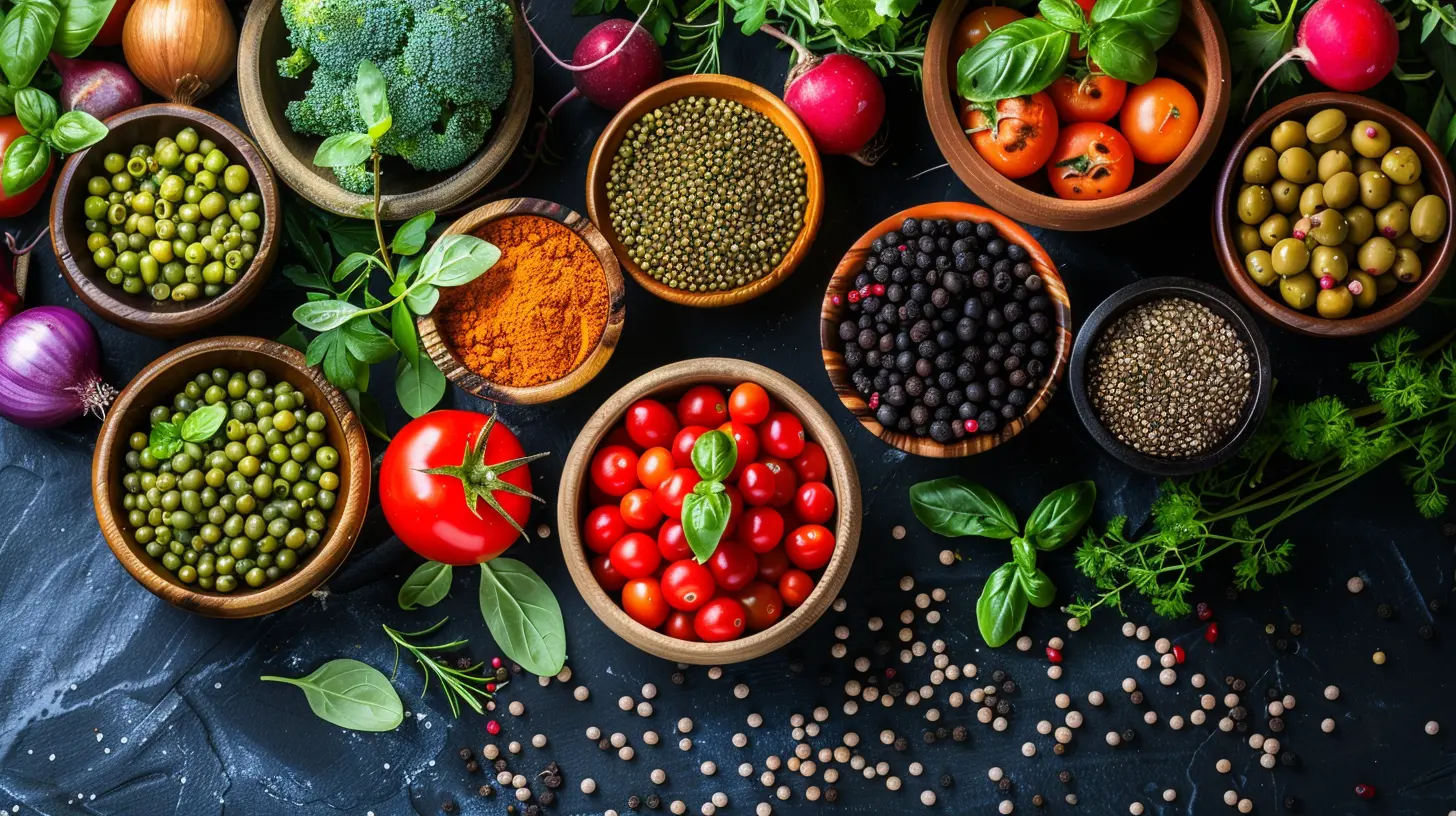
The Fiber Factor: The Key to Better Digestion
One of the biggest reasons why plant-based eating benefits digestion is fiber. Unlike animal products, plant-based foods are naturally high in dietary fiber, which is crucial for gut health.1. Keeps Things Moving (No More Constipation!)
Fiber acts like a broom for your intestines—it sweeps through your digestive tract, adding bulk to your stool and making bowel movements smoother and more regular. No one likes dealing with constipation, and a fiber-rich diet can keep that issue at bay.Foods like lentils, apples, whole grains, and leafy greens are fiber-packed and help maintain a happy digestive system. Meanwhile, heavy meat-based meals lack fiber, leading to sluggish digestion and occasional tummy troubles.
2. Supports a Happy Gut Microbiome
Your gut is home to trillions of bacteria, collectively known as your gut microbiome. A thriving microbiome is essential for digestion, immune function, and even mental health. But here’s the catch—your gut bacteria love fiber.Plant-based foods, such as legumes, fruits, and vegetables, provide prebiotic fiber that nourishes beneficial gut bacteria. In contrast, diets high in animal products can promote harmful bacteria that lead to inflammation and poor digestion.
A well-fed gut microbiome means:
✔ Better digestion
✔ Less bloating
✔ Stronger immunity
3. Prevents Acid Reflux and Heartburn
If you’ve ever dealt with acid reflux or heartburn, you know how miserable it can be. Fatty meats, dairy, and processed foods can trigger acid reflux and discomfort. On the flip side, plant-based foods—especially alkaline ones like bananas, oatmeal, and root vegetables—help neutralize stomach acid.Since plant-based diets tend to be lower in saturated fats, they don’t cause the same issues with acid production that heavy animal-based meals do. 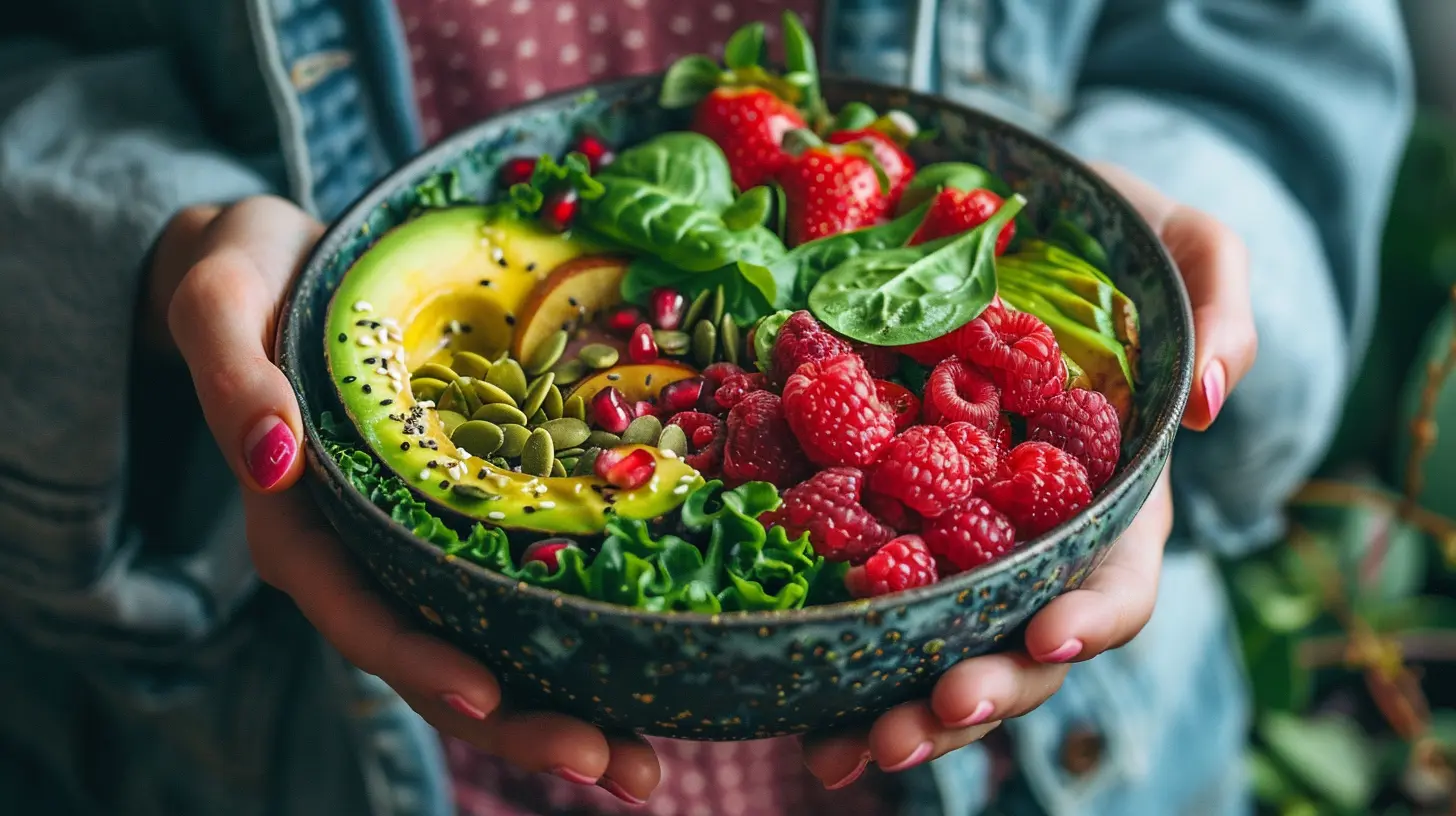
Less Inflammation, Better Digestion
Inflammation in the gut can cause digestive disorders such as Irritable Bowel Syndrome (IBS), Crohn’s disease, and ulcerative colitis. Many processed and animal-based foods—especially red meat and dairy—are linked to increased inflammation.Plant-based diets are naturally anti-inflammatory because they are rich in antioxidants, vitamins, and phytonutrients. These nutrients work like a repair crew, helping to reduce gut inflammation and improve digestion.
Some top anti-inflammatory foods include:
🥑 Avocados
🍓 Berries
🌿 Leafy greens
🍠 Sweet potatoes
By reducing inflammation, plant-based diets can significantly ease digestive problems and make meals more comfortable to digest. 
Fewer Processed Foods, Fewer Digestive Issues
One of the biggest culprits of poor digestion is processed food. Processed meats, fast food, and overly refined packaged foods often lack fiber and are loaded with chemicals, preservatives, and unhealthy fats.Plant-based eating encourages consuming whole, natural foods, reducing the intake of artificial additives that can disrupt your digestion. A clean, whole-food diet allows your digestive system to function smoothly without unnecessary toxins.
Hydration and Digestion: Why Plants Help You Stay Hydrated
Did you know that water plays a huge role in digestion? Without enough fluids, your digestive system can slow down, leading to constipation and bloating.Many plant-based foods have high water content, like cucumbers, watermelon, oranges, and zucchini, which help keep your digestive tract hydrated. Contrast that with a diet high in processed and salty foods, which may lead to dehydration and sluggish digestion.
By eating more plant-based meals, you’re naturally helping your body stay hydrated, which in turn supports smoother digestion.
How to Transition to a Plant-Based Diet for Better Digestion
If you’re excited to improve your digestion with plant-based eating but don’t know where to start, don’t worry! Here are some simple steps to make the transition easier:✅ Add More Fiber Slowly – Jumping straight into a high-fiber diet can cause bloating if your body isn’t used to it. Start with small amounts and gradually increase.
✅ Drink Plenty of Water – Since fiber absorbs water, staying hydrated is important to avoid constipation.
✅ Incorporate Fermented Foods – Foods like kimchi, sauerkraut, and plant-based yogurts provide probiotics, which promote a healthy gut.
✅ Cut Back on Processed Foods – Stick to whole, unprocessed plant-based options for the best digestive health benefits.
✅ Listen to Your Body – Pay attention to what makes you feel good or bloated, and adjust accordingly.
The Bottom Line
Switching to a plant-based diet can be a game-changer for your digestive health. From boosting fiber intake to supporting a healthy gut microbiome and reducing inflammation, plant-based eating provides everything your gut needs to function at its best.If you’ve been struggling with digestive issues, it might be time to swap that steak for a hearty bowl of quinoa and veggies. Your gut will thank you!
all images in this post were generated using AI tools
Category:
Plant Based DietAuthor:

Tiffany Foster
Discussion
rate this article
2 comments
Soleil Forbes
Embracing a plant-based diet can transform your digestive health! With an abundance of fiber and nutrients, you’ll feel lighter, energized, and more vibrant. Start your journey towards wellness today—your gut will thank you!
February 9, 2026 at 4:34 PM
Tiffany Foster
Absolutely! A plant-based diet is packed with fiber and nutrients that support digestive health and overall well-being. Embrace it for a vibrant and energized life!
Harlow Garcia
Eating plants for better digestion? It's like giving your gut a spa day! 🌿 Just remember, when it comes to beans, they might be your new best friend—or your digestion's surprise party guest! 🎉
January 6, 2026 at 3:58 PM
Tiffany Foster
Absolutely! Plants can indeed pamper your gut, but moderation with beans is key for optimal comfort. Enjoy the spa day! 🌱✨