Understanding the Impact of Stress on Children’s Health
11 July 2026
Stress isn’t just an adult problem—it affects children too, sometimes even more than we realize. Between school pressures, family dynamics, and social challenges, kids experience stress in various ways. But how does it really affect their health? And what can we do to help them cope?
In this article, we’ll break down the impact of stress on children’s well-being, the warning signs to look for, and practical ways to support them. 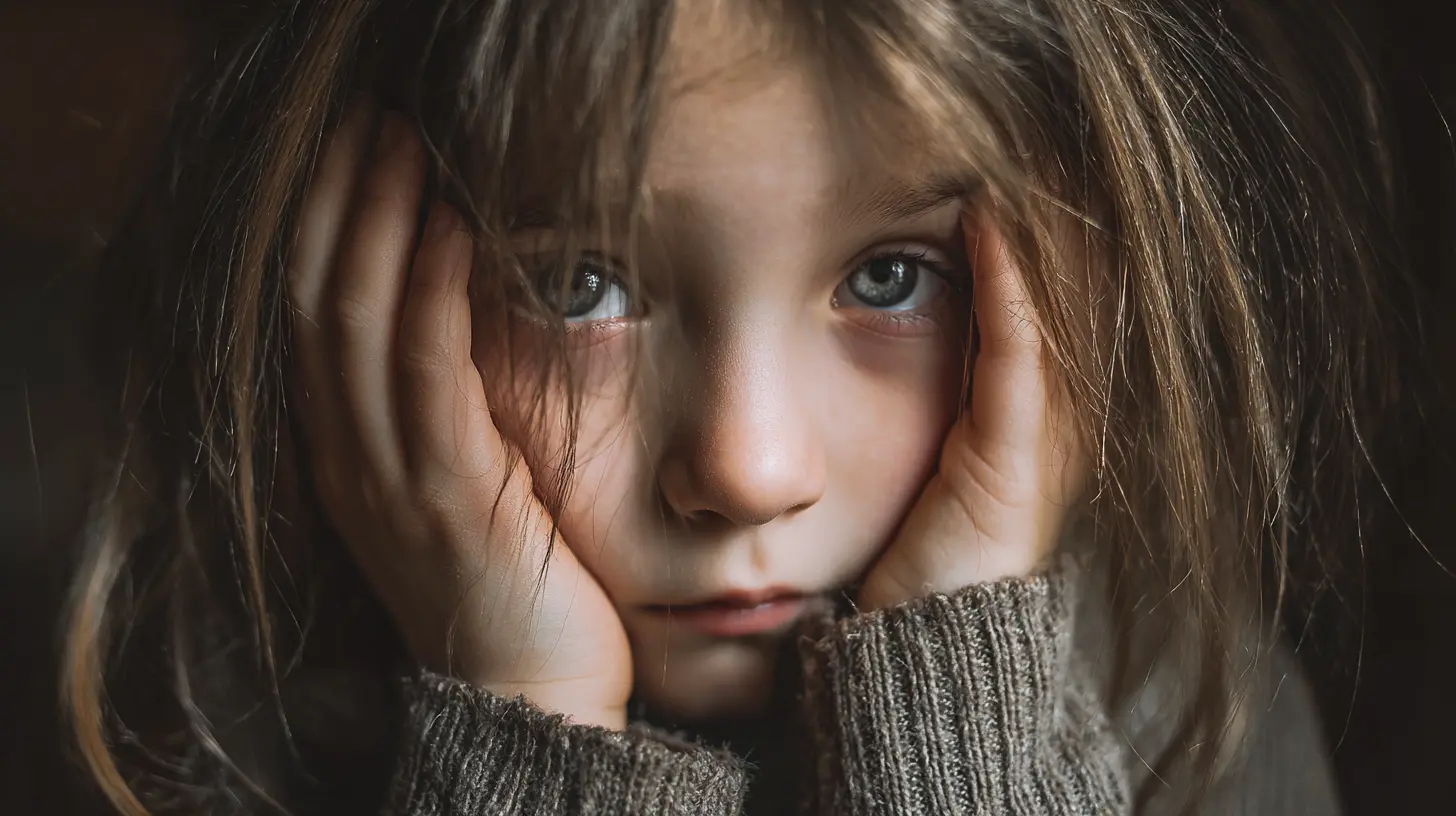
What Is Stress, and How Does It Affect Children?
Stress is our body’s natural response to challenges, whether big or small. While adults might stress over work deadlines or bills, kids encounter their own set of stressors—homework, friendships, family issues, and even the pressure to succeed in school or sports.A little stress is normal and even healthy. It motivates children to tackle challenges and develop resilience. But when stress becomes chronic, it can take a serious toll on a child’s physical and emotional health. 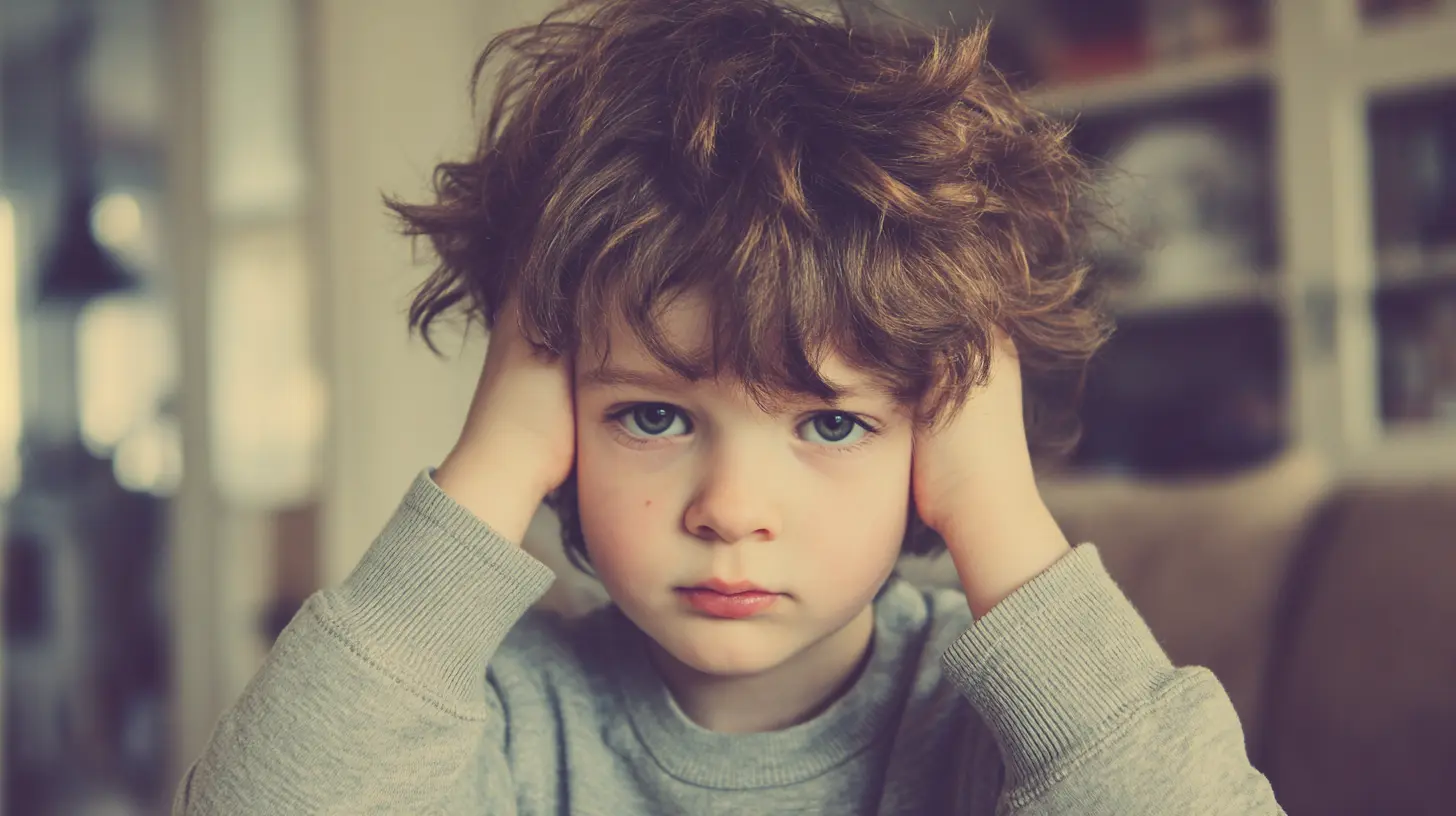
The Physical Effects of Stress in Children
Stress doesn’t just affect the mind—it impacts the body too. When children experience stress, their bodies release cortisol and adrenaline, the same hormones adults release under pressure. While short bursts of these hormones prepare the body for “fight or flight,” prolonged exposure can lead to damaging effects, such as:1. Weakened Immune System
Chronic stress can suppress the immune system, making kids more prone to frequent colds, infections, and even slower wound healing. A constantly stressed child might seem to catch every cold that goes around.2. Digestive Issues
Ever had a stomachache before an important event? Kids feel that too. Stress can cause nausea, stomach pain, constipation, or diarrhea by disrupting the normal function of the digestive system.3. Sleep Disruptions
A stressed child might have trouble falling asleep or staying asleep, leading to exhaustion and irritability. Lack of quality sleep can further impact their ability to focus in school and regulate their emotions.4. Aches and Pains
Headaches, muscle tension, or even unexplained body pain can be signs of stress. When the body remains in a heightened state of alertness, muscles stay tense, leading to discomfort and fatigue.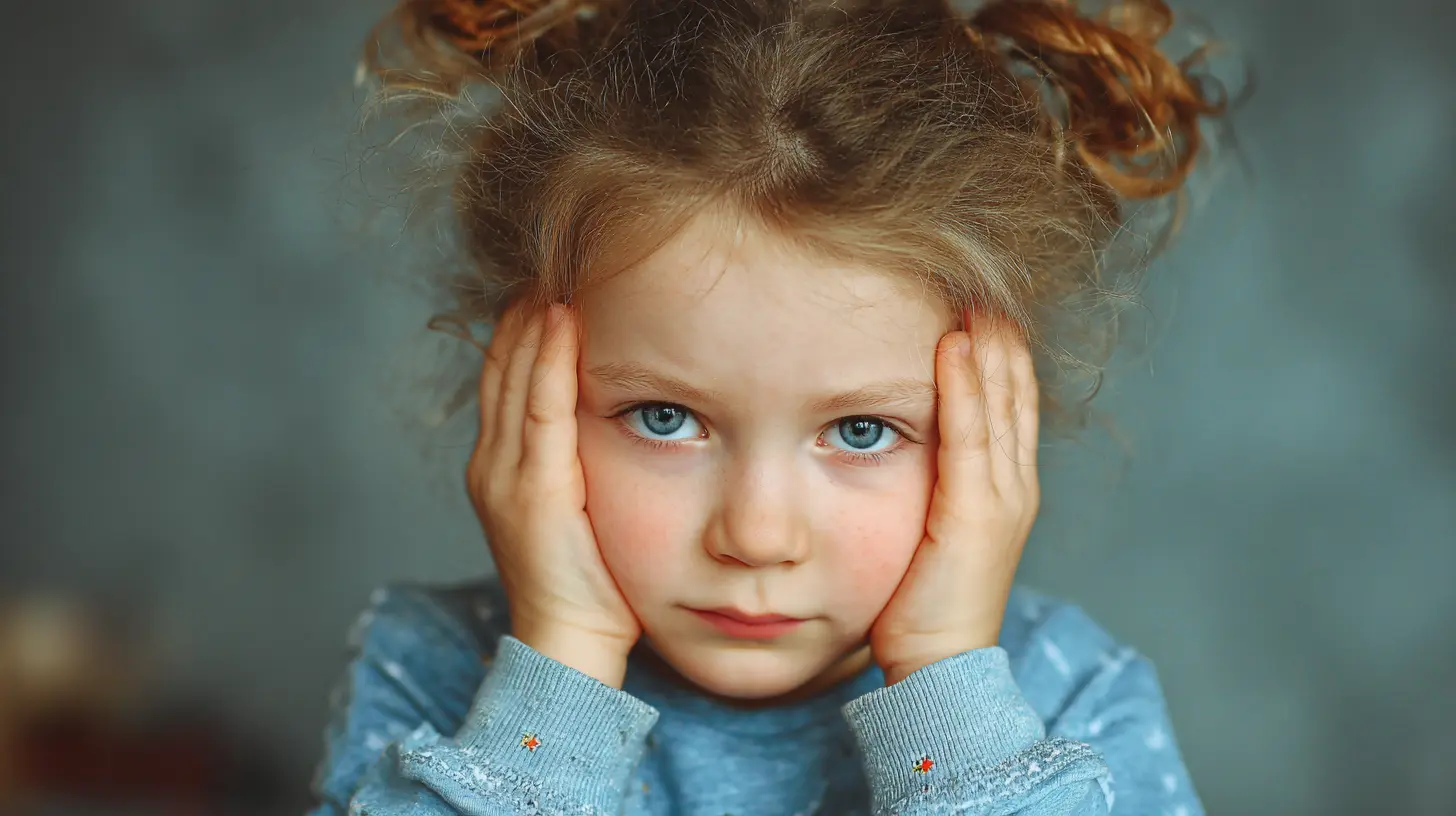
The Emotional and Behavioral Impact of Stress
Stress doesn’t just manifest physically—it deeply affects children’s emotions and behavior. Some kids may openly express their stress, while others may bottle it up, making it harder to detect.1. Increased Anxiety and Worry
A chronically stressed child might constantly worry about school, friends, or family problems. They may develop excessive fears, such as separation anxiety, or become overly concerned about things outside of their control.2. Mood Swings and Irritability
Have you noticed your child becoming unusually moody or quick to anger? Stress can make children more irritable, leading to frequent tantrums, frustration, or withdrawal from family interactions.3. Difficulty Concentrating
Stress can make it hard for kids to focus on schoolwork. Their minds are preoccupied with worries, making it difficult to retain information, complete assignments, or perform well in tests.4. Changes in Eating Habits
Some children eat more when stressed, seeking comfort food, while others lose their appetite entirely. Sudden changes in eating habits may be a sign that stress is taking a toll.5. Social Withdrawal
A stressed child might avoid social situations, withdraw from friends, or prefer to be alone. They may lose interest in activities they once enjoyed, making it harder to recognize the root cause.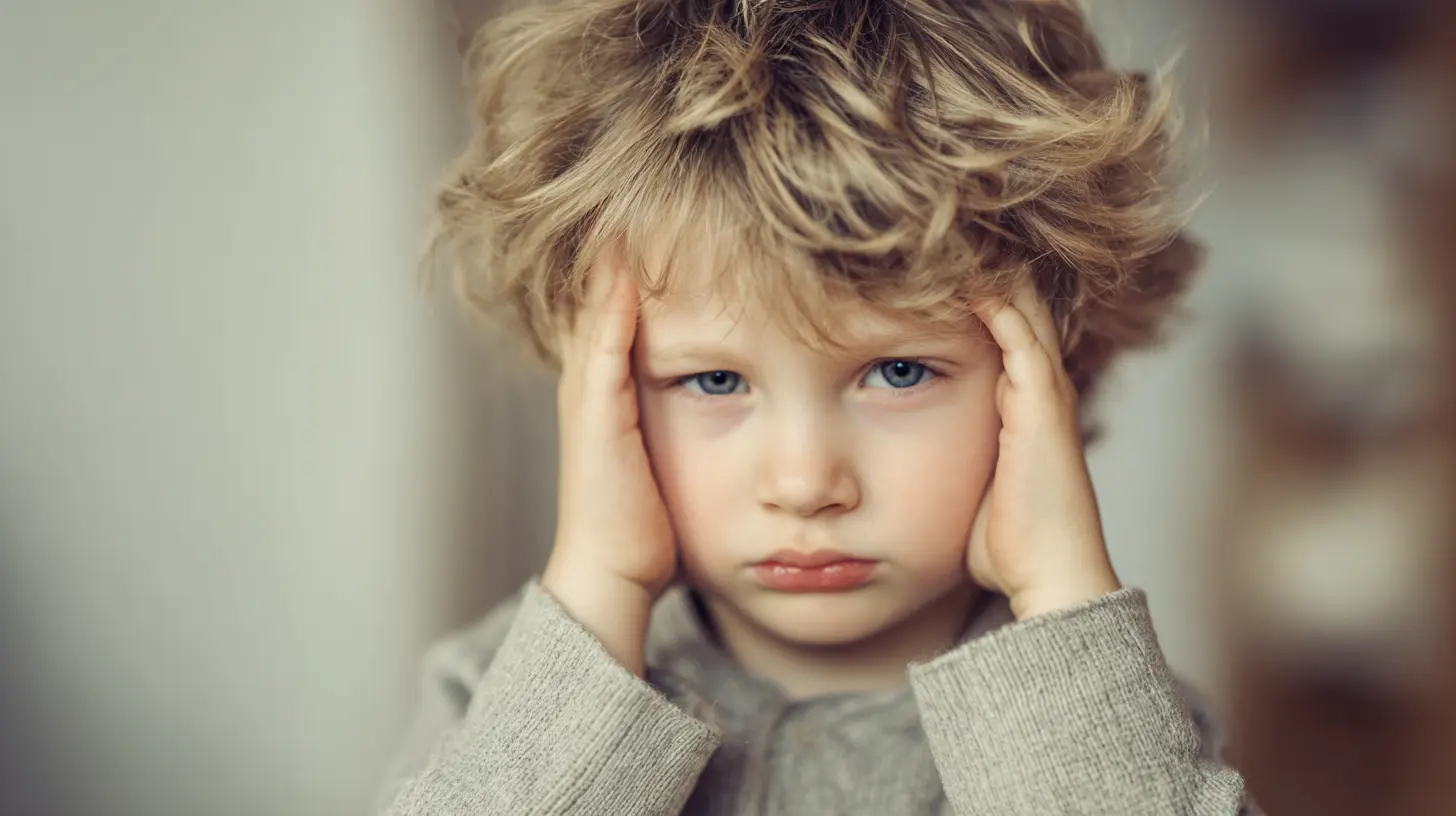
Common Causes of Stress in Children
Not all stress comes from the same source. Here are some of the most common reasons children feel overwhelmed:1. Academic Pressure
School expectations can be a significant source of stress, especially if kids feel pressured to perform well or fear disappointing their parents or teachers.2. Family Issues
Parental conflicts, divorce, financial struggles, or even the arrival of a new sibling can create anxiety in children.3. Peer Pressure and Bullying
Social dynamics are tough. Navigating friendships, experiencing peer pressure, or facing bullying can cause immense stress.4. Over-Scheduling
While extracurricular activities are great for development, an overloaded schedule can leave kids exhausted and stressed out. Balance is key.5. Exposure to Media and World Events
Even young children can become stressed by news about natural disasters, violence, or global crises. They may not fully understand these events, but they can sense tension in the adults around them.Ways to Help Children Cope with Stress
The good news? Stress doesn’t have to take over your child’s life. As parents and caregivers, we can help them navigate stress in healthy ways.1. Encourage Open Communication
Let your child know they can talk to you about anything without fear of judgment. Simply asking, “How was your day?” and listening attentively can make a world of difference.2. Create a Stable and Supportive Environment
Children thrive in a predictable environment. Providing a sense of stability—even in uncertain times—can help lower their anxiety.3. Teach Relaxation Techniques
Simple stress-management techniques, such as deep breathing, mindfulness, or gentle yoga, can help kids calm their minds and bodies.4. Promote Healthy Lifestyle Habits
- Sleep: Ensure they get enough rest each night.- Nutrition: A balanced diet supports both physical and mental health.
- Exercise: Physical activity is a great natural stress reliever!
5. Limit Screen Time and Media Exposure
Too much screen time, especially violent or stressful content, can heighten anxiety in children. Set boundaries on media consumption.6. Encourage Play and Hobbies
Children naturally release stress through play. Encourage activities they enjoy, whether it’s drawing, playing outside, or reading a favorite book.7. Seek Professional Support When Needed
If stress begins to impact your child’s daily life, don’t hesitate to seek help from a counselor or therapist. There’s no shame in getting extra support when needed.Final Thoughts
Stress in children is real, and it can have lasting effects on both their physical and emotional health. However, with the right support, kids can learn to manage stress in a healthy way. As parents, teachers, and caregivers, our role is to provide a nurturing environment where children feel safe, heard, and loved.By recognizing the signs of stress early and implementing effective coping strategies, we can help our kids grow into resilient, emotionally strong individuals. After all, childhood should be a time of joy, discovery, and carefree play—not constant worry.
all images in this post were generated using AI tools
Category:
Childrens HealthAuthor:

Tiffany Foster