Understanding Complete Proteins on a Vegan Diet
27 April 2026
When people hear the word "protein," they often think of steak, eggs, or a glass of milk. But what about those who ditch animal products altogether? Can you really get enough protein on a vegan diet?
Absolutely! And not just any protein—we’re talking about complete proteins.
If you've ever been told that plant-based eaters struggle to get "quality" protein, it's time to set the record straight. Understanding complete proteins on a vegan diet is not as complicated as some make it seem. Let’s dive into the truth about plant-based protein sources and how you can thrive as a vegan without sacrificing essential nutrients. 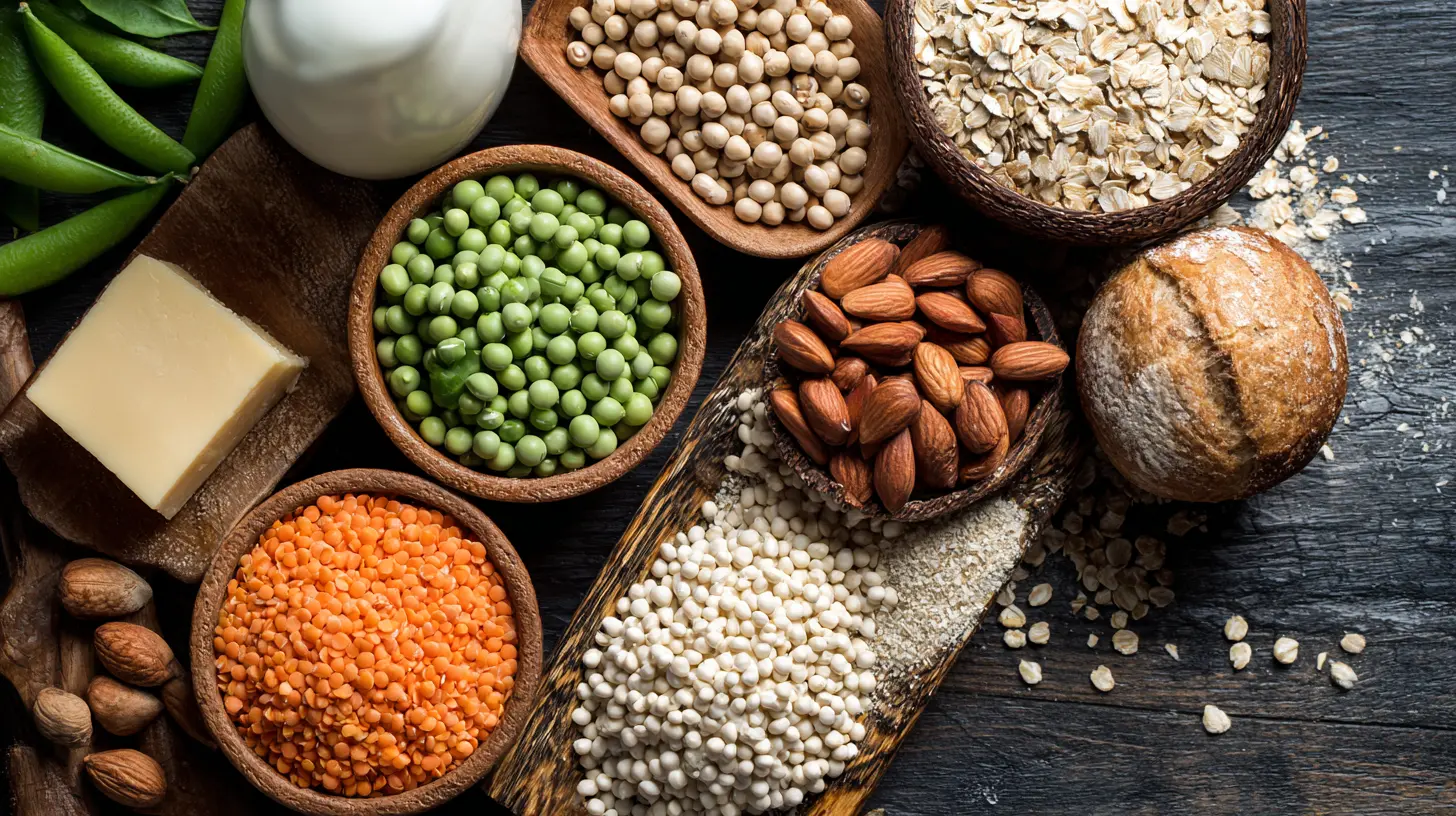
What Are Complete Proteins?
Protein is made up of amino acids, which are the building blocks of muscle, tissue repair, and overall health. There are 20 different amino acids, but your body can only make 11 of them on its own. The remaining nine—called essential amino acids—must come from food.Here’s where "complete proteins" come in. A complete protein contains all nine essential amino acids in sufficient amounts.
Animal products naturally contain all nine, which is why they’re considered "complete." But what about plant-based sources? Don’t worry—there are plenty of plant foods that fit the bill. 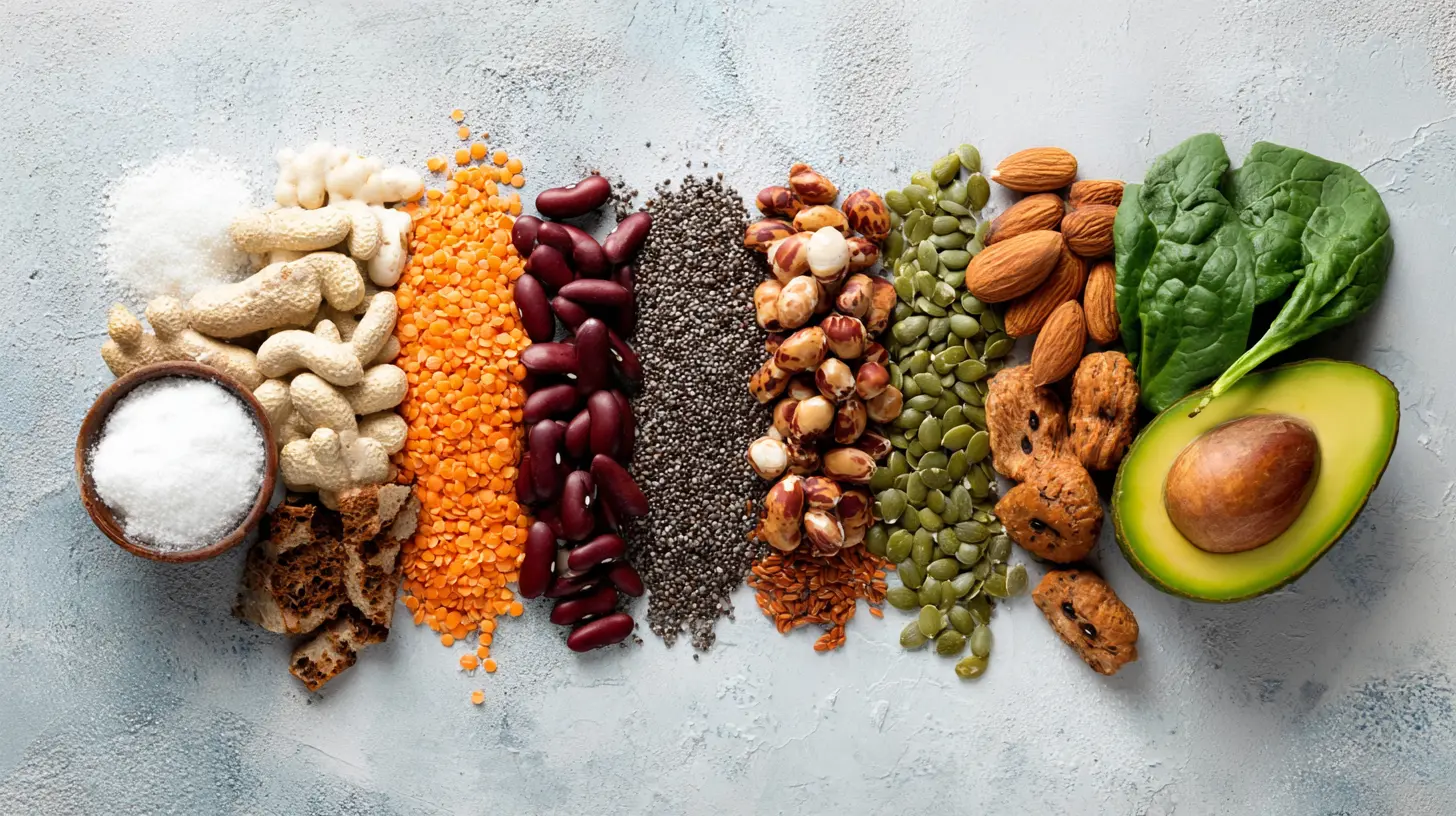
The Myth: “Vegans Can’t Get Enough Complete Protein”
Let’s put this outdated myth to rest. While it’s true that most plant-based proteins are considered incomplete (meaning they don't provide all nine essential amino acids in optimal amounts), this doesn’t mean vegans are doomed to protein deficiency.Here’s the reality:
- There are plenty of complete plant-based proteins available.
- Incomplete proteins can be combined to form complete proteins.
- As long as you eat a variety of plant foods, your body will get all the amino acids it needs.
So, if someone tells you that plant-based eaters must rely on animal products to get high-quality protein, feel free to hit them with the facts. 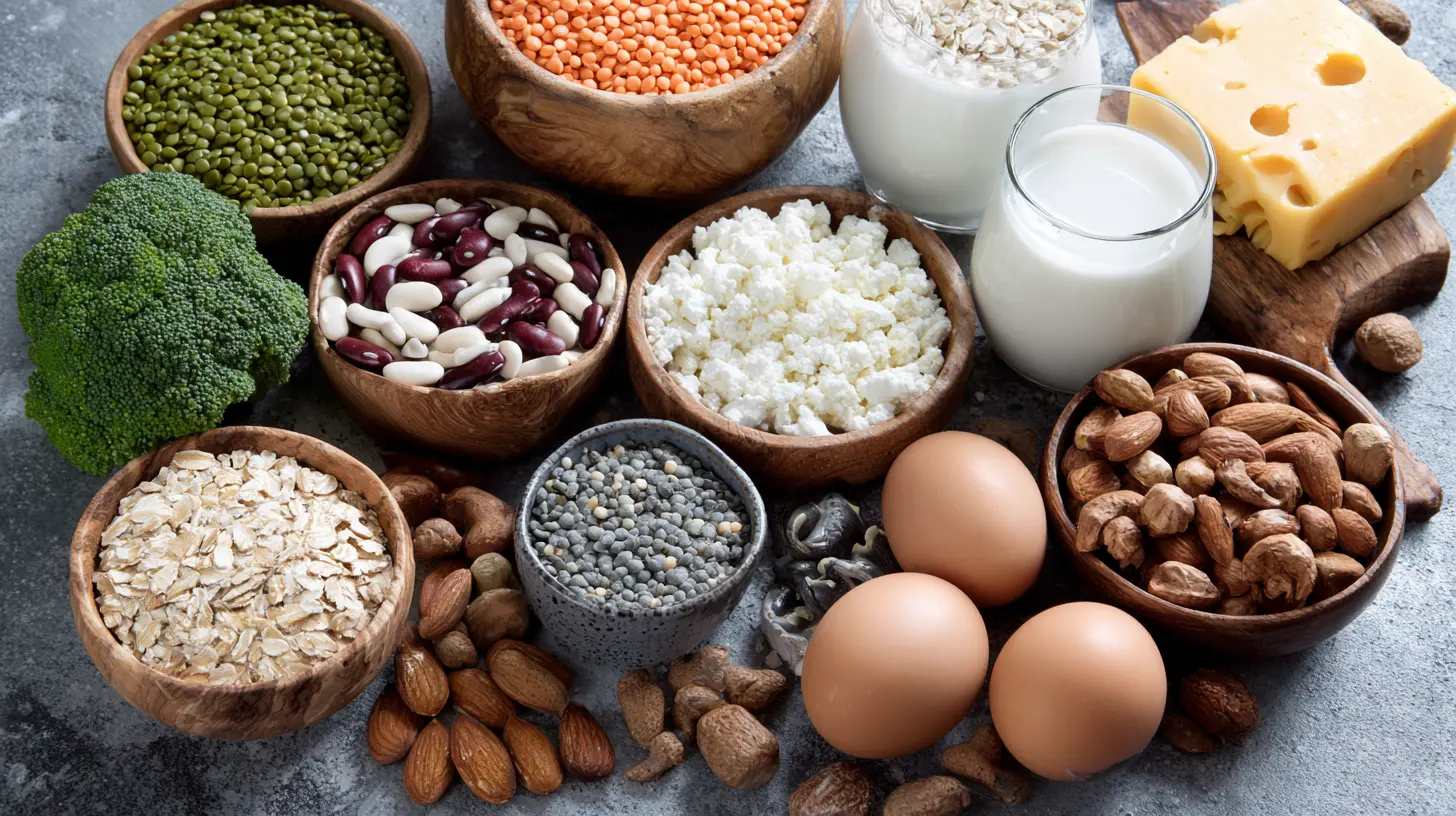
Top Plant-Based Complete Protein Sources
You don’t have to look far to find plant foods that contain all nine essential amino acids. Here are some of the best sources of complete protein for vegans:1. Quinoa
Quinoa isn’t just a trendy grain—it’s a protein powerhouse! Unlike most grains, quinoa contains all nine essential amino acids, making it an excellent protein source for vegans. Plus, it's rich in fiber, magnesium, and iron.2. Soy Products (Tofu, Tempeh, Edamame)
Soy is one of the best plant-based protein sources available. Whether it’s tofu, tempeh, or edamame, these foods deliver complete protein along with essential nutrients like calcium, iron, and magnesium.3. Chia Seeds
These tiny seeds are bursting with protein, fiber, and omega-3 fatty acids. Chia seeds provide all essential amino acids, making them a simple and nutritious protein source that you can sprinkle on smoothies, oatmeal, or yogurt.4. Hemp Seeds
With an impressive 10 grams of protein per 3 tablespoons, hemp seeds are a fantastic way to boost your protein intake. They’re also loaded with healthy fats and essential minerals.5. Buckwheat
Despite its name, buckwheat isn’t related to wheat—it’s actually a seed! It’s naturally gluten-free and supplies all nine essential amino acids, making it a great alternative to traditional grains.6. Amaranth
Much like quinoa, amaranth is another complete protein pseudo-grain that can be used in porridges, salads, and baking. Packed with protein and micronutrients, it’s a staple worth adding to your diet.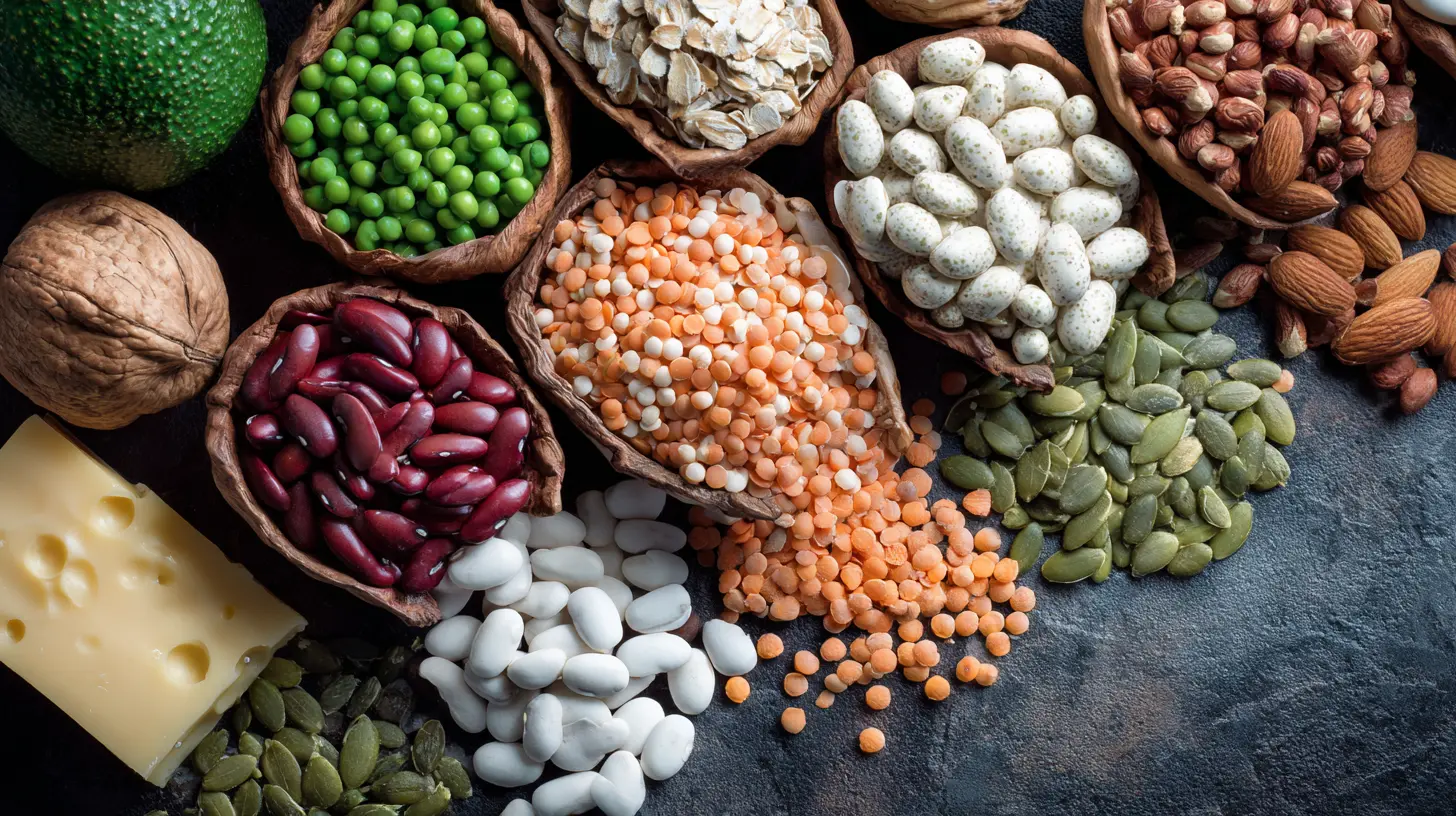
Protein Combining: How to Get Complete Proteins from Incomplete Sources
Even if you’re not eating only complete proteins, you can still meet your amino acid needs by combining different plant-based foods. This is called protein combining or complementary proteins.For years, people thought that vegans had to eat complementary proteins at the same meal (like beans and rice), but we now know that as long as you eat a variety of plant foods throughout the day, your body will balance out the amino acids.
Here are some classic protein combinations that form a complete protein:
- Rice + Beans – A classic combo found in cultures worldwide.
- Peanut Butter + Whole Wheat Bread – Your childhood PB&J? Turns out, it’s a complete protein!
- Hummus + Whole-Grain Pita – A Middle Eastern staple packed with protein.
- Lentils + Quinoa – Boosts both protein and fiber for a nutrient-dense meal.
- Corn + Black Beans – Perfect for tacos, burritos, or bowls.
Eating a variety of plant-based foods ensures that your body gets all the essential amino acids, even if you’re not consciously combining proteins in every meal.
How Much Protein Do Vegans Really Need?
The Recommended Dietary Allowance (RDA) for protein is 0.8 grams per kilogram of body weight (or about 0.36 grams per pound). This means:- A person weighing 150 lbs (68 kg) needs around 54 grams of protein per day.
- A person weighing 180 lbs (82 kg) needs about 66 grams per day.
However, athletes or active individuals may need a higher intake—anywhere from 1.2 to 2.0 grams per kilogram.
Can you hit these numbers on a vegan diet? Absolutely. Here’s an example of a high-protein vegan meal plan for the day:
Breakfast: Chia seed pudding with almond butter (~15g protein)
Lunch: Lentil and quinoa salad with veggies (~25g protein)
Snack: Hummus with whole wheat pita (~10g protein)
Dinner: Tofu stir-fry with brown rice (~30g protein)
Total? Over 80 grams of protein—and all plant-based.
Why Protein Quality Matters (Not Just Quantity)
It’s not just about how much protein you get; it’s also about protein quality. That means ensuring you get a full range of amino acids while consuming nutrient-dense, whole foods.Many animal-based proteins come with unwanted baggage—like saturated fats and cholesterol. On the flip side, plant-based proteins are packed with fiber, antioxidants, and healthy fats.
Translation? Eating plant-based protein isn’t just good enough—it’s often better for your long-term health.
Final Thoughts: Thriving on a Protein-Rich Vegan Diet
Getting complete proteins on a vegan diet isn’t nearly as complicated as it's made out to be. With a variety of whole plant foods, some smart protein combinations, and a balanced diet, you can easily meet your protein needs without ever touching animal products.So next time someone questions your protein intake, just smile and show them your quinoa bowl. You’ve got this.
all images in this post were generated using AI tools
Category:
Vegan DietAuthor:

Tiffany Foster
Discussion
rate this article
2 comments
Raven Reynolds
Great read! It's amazing how a vegan diet can offer all the essential amino acids. With a bit of creativity and knowledge, anyone can enjoy a delicious and nutritious plant-based diet. Keep exploring and trying new things... you've got this!
May 5, 2026 at 4:10 AM
Tiffany Foster
Thanks for your encouraging words! I'm glad you enjoyed the article. Exploring plant-based diets is indeed a rewarding journey. Keep experimenting with those flavors... it's a fun adventure!
Axel McBride
Great insights on vegan protein sources!
May 3, 2026 at 4:44 AM
Tiffany Foster
Thank you! I'm glad you found the insights helpful.