Understanding Cholesterol and Your Heart Health
11 March 2026
Let’s face it—when most of us hear the word “cholesterol,” we instantly think “bad.” It’s gotten a pretty bad rap over the years, often being blamed for heart attacks, clogged arteries, and everything in between. But here’s the twist—not all cholesterol is created equal. Some types are actually essential for you to stay alive and kicking. Mind blown, right?
In this article, we’re going to unpack what cholesterol really is, why it matters for your heart, how to make sense of all those numbers on your bloodwork, and what changes you can make in your everyday life to keep your ticker in tip-top shape.
What Is Cholesterol, Really?
Okay, quick bio lesson: Cholesterol is a waxy, fat-like substance that your body actually needs to build cells, make hormones like estrogen and testosterone, and help digest food. That’s right—it’s not all bad.Now here’s where it gets juicy. Your body makes its own cholesterol (mainly in the liver), and you also get some from animal-based foods like meat, cheese, and eggs. The problem? Too much of the wrong kind builds up in your bloodstream and can start causing trouble.
Different Types of Cholesterol (Spoiler: Not All Are Bad)
Let’s break it down like you're talking to a friend.1. LDL (Low-Density Lipoprotein) – The “Lousy” One
LDL is often dubbed the "bad" cholesterol because it carries cholesterol to your arteries. In excess, it can stick to your artery walls, forming plaque. Over time, this plaque can build up and block blood flow—hello, heart attack or stroke.Think of LDL as that friend who brings junk to your house and never leaves. You don’t want too much of it hanging around.
2. HDL (High-Density Lipoprotein) – The “Hero” One
HDL is the good guy. It grabs excess cholesterol in your blood and carries it back to the liver, where it gets broken down and flushed out of your body. Higher levels of HDL are linked with a lower risk of heart disease.Imagine HDL as a janitor cleaning up after a messy party—useful, right?
3. Triglycerides – The Hidden Player
Triglycerides are a type of fat in your blood, and while they aren’t technically cholesterol, they matter big time. High triglycerides combined with low HDL or high LDL can speed up the plaque buildup. That combo? A red flag for heart problems.
Why Cholesterol Matters for Your Heart Health
Your heart is like the engine of your car. It needs clean oil and smooth pipes to run. If there’s gunk (aka LDL cholesterol and triglycerides) clogging the fuel lines (aka your arteries), your engine has to work harder. Over time, that strain can cause the engine to give out.High cholesterol often has zero symptoms. That’s the sneaky part. You could feel totally fine and still be a walking time bomb for heart disease. This is why regular cholesterol screening is a must.
Risk Factors: What Puts You in the Danger Zone?
Let’s talk about what increases your chances of having high cholesterol and, in turn, heart trouble.- Poor Diet: Love fast food, red meat, butter, and processed snacks? These are packed with saturated and trans fats that raise LDL.
- Lack of Exercise: Less movement means more fat clinging to your insides.
- Smoking: Damages your blood vessels, lowers HDL, and makes LDL extra nasty.
- Obesity: Being overweight throws your entire metabolism out of whack.
- Genetics: Yep, you can thank your family tree for this one too.
- Age and Gender: Cholesterol levels tend to rise as you get older. Women generally have lower LDL before menopause, but that changes after.
How to Check Your Cholesterol Levels
You don't need a detective badge to crack this case—just a simple blood test called a lipid panel. It measures:- Total cholesterol
- LDL
- HDL
- Triglycerides
Here’s a breakdown of the optimal numbers:
| Type | Ideal Range |
|------------------|----------------------------|
| Total Cholesterol| Less than 200 mg/dL |
| LDL | Less than 100 mg/dL |
| HDL | 60 mg/dL or higher |
| Triglycerides | Less than 150 mg/dL |
Remember, these are general guidelines. Your doctor will interpret them based on your overall health and risk factors.
How to Lower Bad Cholesterol (Without Losing Your Mind)
Good news: You don’t have to give up all your favorite foods or turn into a gym rat overnight. Here are some smart, doable changes that can make a big impact:🍎 1. Eat Heart-Healthy Foods
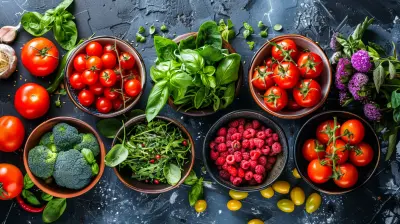
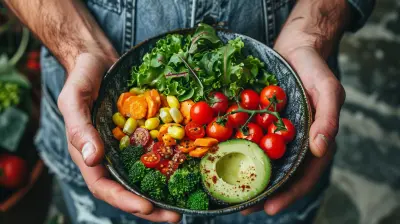
- More fiber: Oats, beans, lentils, and fruits help trap cholesterol and flush it out.- Healthy fats: Avocados, olive oil, and nuts can actually improve your HDL levels.
- Cut back on trans fats: These are found in many baked goods, margarine, and fried snacks.
- Omega-3s: Fatty fish like salmon and flaxseeds help lower triglycerides too.
🏃♀️ 2. Move More
Aim for at least 30 minutes of moderate activity (like brisk walking) most days of the week. Exercise raises HDL and helps you burn off extra fat that can spike LDL levels.🚬 3. Kick the Cigarettes
Smoking ruins everything, honestly. When you quit, your HDL goes up, and your heart thanks you in more ways than one.🧘♂️ 4. Manage Stress
Stress can mess with your hormones and drive up your cholesterol. Meditation, deep breathing, or just taking a walk can help calm your nerves and protect your heart.⚖️ 5. Maintain a Healthy Weight
Even shedding a few pounds can make a difference. Think of it as lightening the load on your heart.💊 6. Consider Medication (If Needed)
Sometimes, lifestyle changes alone may not cut it—especially if high cholesterol runs in the family. Statins and other prescription meds can help manage your numbers. Talk to your doc about what’s best for you.Cholesterol Myths – Busted
Let’s break down a few common misconceptions that trip people up.Myth #1: Thin People Don’t Get High Cholesterol
Truth: You can be slim and still have high cholesterol, especially if it’s genetic or your diet is off.Myth #2: If I Feel Fine, My Heart’s Fine
Wrong. High cholesterol is a silent killer. Get regular blood work even if you feel like a million bucks.Myth #3: Eating Eggs Raises Your Cholesterol
Old news. Dietary cholesterol doesn’t impact blood cholesterol as much as once thought. Eggs in moderation are generally okay for most people.What Happens If You Ignore High Cholesterol?
Ignoring high cholesterol is like driving with a slow leak in your tire. Eventually, it’s going to go flat—maybe even cause a blowout. When plaque builds up in your arteries, you’re at risk for:- Heart attacks
- Strokes
- Peripheral artery disease
- Chronic kidney issues
Yeah, not worth the risk.
Tips to Keep Your Heart Happy (and Pumping Strong!)
Here’s your cheat sheet for long-term heart health:- Get your cholesterol checked every 4-6 years (more often if you're at risk).
- Know your numbers and understand what they mean.
- Eat more whole foods and skip processed garbage.
- Move your body, even just a little each day.
- Ditch smoking and cut back on alcohol.
- Stay in touch with your doctor. They're your health partner, not your enemy.
Your heart works hard for you every single day. It’s time to return the favor.
Wrapping It Up
Understanding cholesterol and your heart health isn’t rocket science—but it is critical to living your best life. While you can’t change your genetics, you can control what you eat, how much you move, and the lifestyle choices you make daily.So next time someone brings up cholesterol at a dinner party (hey, it happens), you’ll have plenty to say—and maybe even help someone else turn their health around.
Remember, it’s not about perfection. It’s about progress, and your heart will thank you for every smart step you take.
all images in this post were generated using AI tools
Category:
Healthy HeartAuthor:

Tiffany Foster
Discussion
rate this article
2 comments
Samantha Baxter
Great article! Understanding cholesterol is so important for our heart health. It’s amazing how small lifestyle changes can make a big difference. I've started tracking my cholesterol levels, and it feels empowering to take charge of my health. Thanks for sharing this valuable information! Looking forward to more tips!
March 21, 2026 at 3:26 AM
Tiffany Foster
Thank you for your thoughtful comment! I'm glad to hear you're taking charge of your health. Small changes can really add up. Stay tuned for more tips!
Annabelle Cummings
Great article! Understanding cholesterol is so important for a healthy heart. Your tips inspire positivity and empower us to make better choices. Here’s to a happier, healthier life for all! ❤️🫀
March 12, 2026 at 5:13 AM
Tiffany Foster
Thank you so much! I'm glad you found the article helpful. Here's to our health and well-being! ❤️🫀