Understanding and Preventing Childhood Obesity
6 July 2026
Childhood obesity is a growing concern worldwide, impacting millions of children and setting the stage for long-term health problems. As parents, caregivers, and educators, it's our responsibility to ensure that children maintain a healthy weight and develop habits that support lifelong well-being.
But what exactly is childhood obesity? How does it happen? And most importantly, what can we do to prevent it? Let's dive in and break it all down in simple terms. 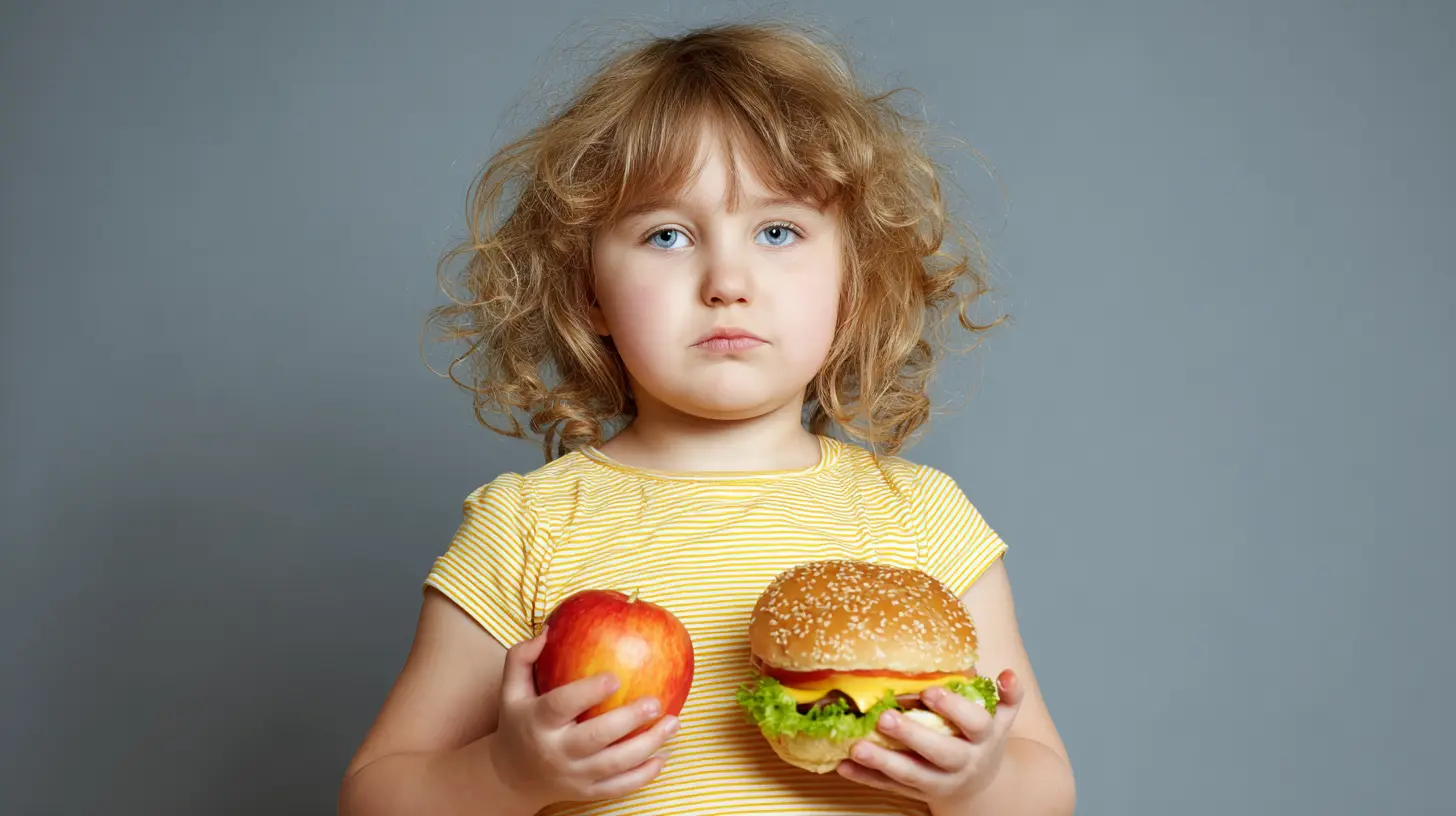
What Is Childhood Obesity?
Childhood obesity occurs when a child carries excessive body fat that negatively affects their health. Doctors usually determine this by using the Body Mass Index (BMI)—a calculation based on height and weight. While BMI isn't perfect, it's a good starting point to identify potential health concerns.Children who are overweight or obese are at risk of developing severe health problems, including diabetes, heart disease, and even emotional challenges like low self-esteem. The good news? Obesity is largely preventable with the right approach. 
What Causes Childhood Obesity?
There isn’t a single reason a child becomes overweight—it's usually the result of multiple factors working together. Here are some of the main culprits:1. Poor Diet Choices
Junk food, sugary drinks, and processed snacks are everywhere, and let’s be honest—kids love them. But these foods are packed with unhealthy fats, sugars, and empty calories that contribute to weight gain.2. Lack of Physical Activity
With the rise of video games, smartphones, and streaming services, children are spending more time sitting and less time running around. Physical activity is crucial for burning calories and maintaining ahealthy weight.3. Genetics and Family Habits
If obesity runs in the family, children are more likely to struggle with it too. But genetics alone don’t determine weight—family lifestyle plays an even bigger role. If the household encourages healthy eating and movement, kids are more likely to develop good habits.4. Psychological and Emotional Factors
Stress, anxiety, and even boredom can lead kids to turn to food for comfort. Emotional eating can quickly become a habit, leading to excessive calorie intake.5. Lack of Sleep
Believe it or not, not getting enough sleep can increase the risk of obesity. Sleep-deprived kids often have higher levels of hunger hormones, leading them to eat more throughout the day.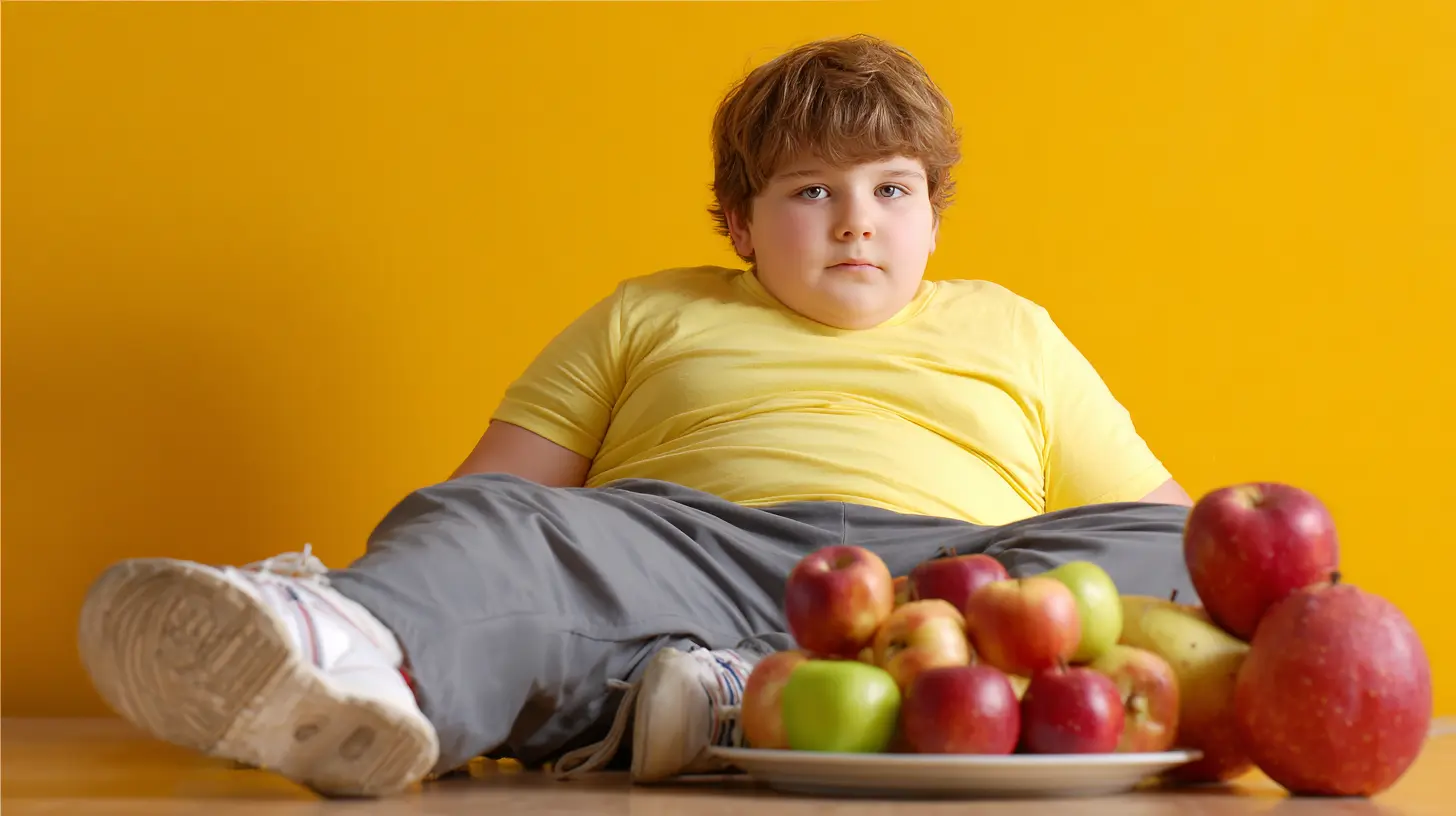
The Health Risks of Childhood Obesity
Obesity doesn’t just affect appearance—it harms overall health in ways that can last a lifetime. Here are some serious risks children may face:1. Type 2 Diabetes
This condition, once rare in children, is now becoming more common due to rising obesity rates. It happens when the body can't properly use insulin, leading to high blood sugar.2. High Blood Pressure and Heart Disease
An overweight child may already be developing risk factors for heart disease, such as high cholesterol and high blood pressure. These problems can stick around well into adulthood.3. Joint and Bone Problems
Excess weight puts extra pressure on growing bones and joints, which can lead to pain and movement difficulties.4. Mental Health Challenges
Obese children often face bullying and social isolation, leading to low self-esteem, anxiety, and even depression.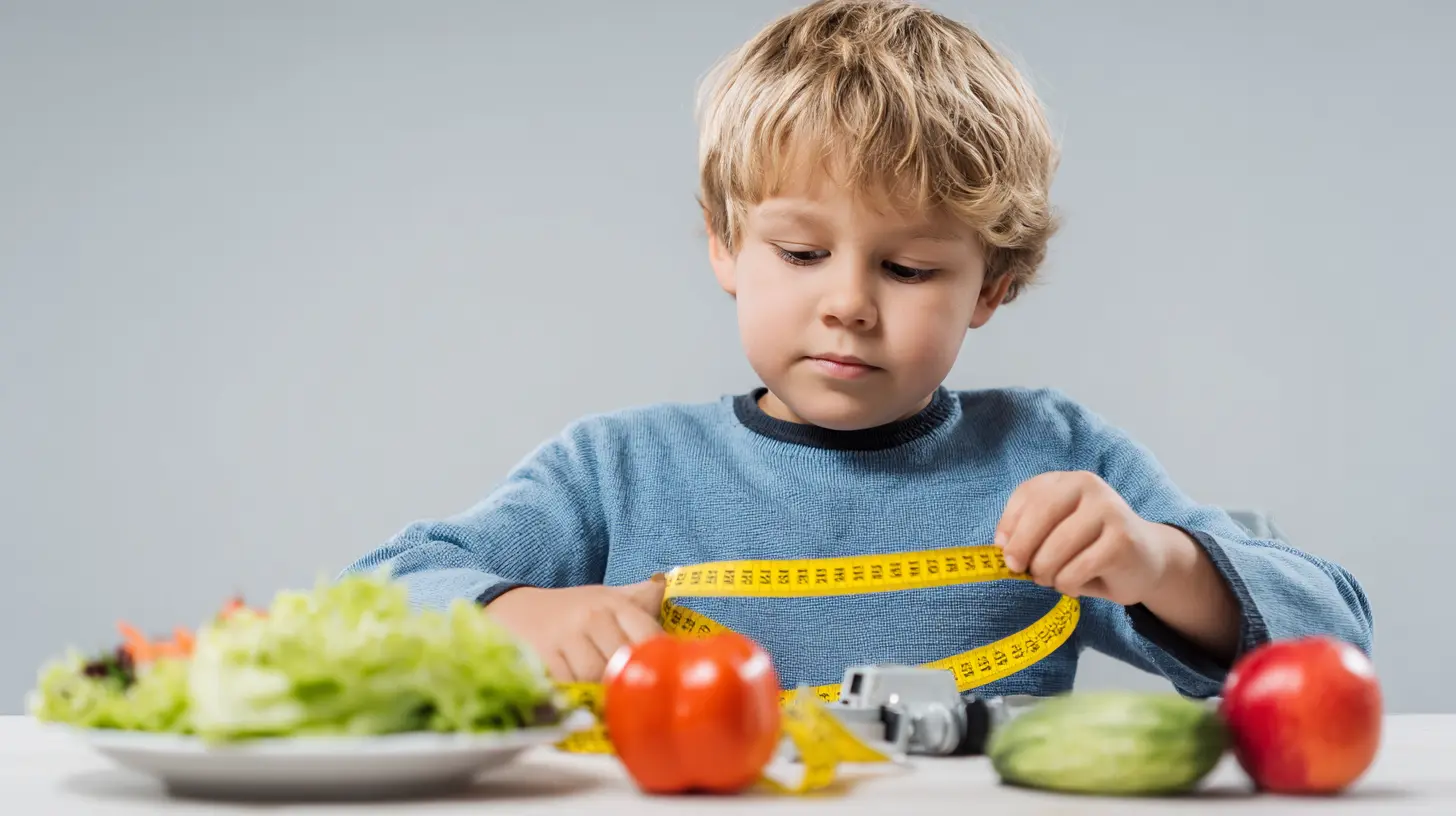
Preventing Childhood Obesity: What Can Parents Do?
Now, the big question—how can we help prevent childhood obesity? The answer isn’t about strict dieting or intense exercise routines. Instead, it’s about making small, sustainable lifestyle changes.1. Encourage Healthy Eating Habits
You don't have to force kids to eat steamed broccoli for every meal, but small changes can make a huge difference. Try these tips:- Balance meals: Make sure plates include a mix of protein, healthy fats, and fiber-rich carbs like fruits and vegetables.
- Cut back on sugary drinks: Water and milk are better choices than sodas and juices loaded with sugar.
- Make healthy snacks accessible: Keep fruits, nuts, and yogurt readily available instead of chips and candy.
- Lead by example: Kids mimic what they see. If they watch you eat healthy, they’re more likely to follow suit.
2. Get Kids Moving
Physical activity doesn’t have to mean boring gym workouts. Make exercise fun!- Go for family walks or bike rides.
- Encourage kids to join sports or dance classes.
- Limit screen time and encourage outdoor play.
- Turn everyday activities into movement—dancing while cooking, playing tag, or even helping with chores.
3. Create a Healthy Home Environment
A child’s environment plays a big role in their habits. Try these simple changes:- Eat meals together as a family: Studies show that kids who eat with their families tend to make healthier choices.
- Encourage mindful eating: Teach kids to eat slowly and listen to their hunger cues rather than mindlessly snacking.
- Avoid using food as a reward: Instead of offering sweets for good behavior, try alternative rewards like extra playtime.
4. Ensure Enough Sleep
Set a consistent bedtime routine to ensure kids get the rest they need. A well-rested child is less likely to overeat and more likely to have the energy for physical activities.5. Address Emotional Eating
Help children recognize their emotions without turning to food for comfort. Encourage open communication about feelings and provide alternative coping strategies, like drawing, reading, or playing outside.How Schools and Communities Can Help
Preventing childhood obesity isn’t just a family effort—it takes a village. Schools and communities play a huge role in promoting healthy habits.- Schools should offer healthier lunch options and limit access to vending machine junk food.
- Physical education classes need to be prioritized, ensuring kids get enough exercise.
- Communities can create safe spaces for kids to play, like parks and sports programs.
When families, schools, and communities work together, children have a much better chance of growing up healthy.
Final Thoughts
Childhood obesity is a serious issue, but it’s not one without solutions. By making small, consistent changes to diet, activity levels, and daily routines, we can help children lead healthier, happier lives.The key is balance—no extreme diets, no punishing workouts, just simple, sustainable habits that make a lasting impact. Together, we can turn the tide on childhood obesity and set the next generation up for a lifetime of wellness.
all images in this post were generated using AI tools
Category:
Childrens HealthAuthor:

Tiffany Foster
Discussion
rate this article
1 comments
Quinn Webster
Empowering children with healthy habits today builds a brighter, healthier future for tomorrow.
July 8, 2026 at 4:09 AM
Tiffany Foster
Absolutely! Instilling healthy habits early on is key to ensuring kids grow up strong and healthy.