Training Frequency: How Often Should You Hit the Weights?
30 December 2025
Let’s face it — figuring out how often to train is like walking into a buffet. There’s a ton of options, and it’s easy to feel overwhelmed. Some people say you should train every day, others stick to three times a week. So… who’s right? And more importantly, what works best for you?
If you're looking to build muscle, burn fat, or just feel stronger and healthier, the frequency of your strength training sessions can make or break your progress. It’s not just about grinding it out in the gym — it’s about being smart with your time and energy.
So grab your protein shake, because we’re about to dig into the science and real-world truth behind training frequency and how often you should be hitting the weights.
What Is Training Frequency Anyway?
Before we deep-dive, let’s clarify what we mean by “training frequency.”In simple terms, it’s how often you train a specific muscle group or do resistance training in a given timeframe — usually per week. For example, training full-body three times a week means you're hitting all major muscle groups three times.
But here’s the thing: Not all training frequencies are created equal. Your ideal routine depends on a bunch of variables — your goals, experience level, recovery, and even how crazy your workweek is.
The Big Three: Common Training Frequencies
Let’s break it down. Most gym-goers fall into one of these three categories:1. One Muscle Group per Week (Bro Split)
Sound familiar? It’s the classic:- Monday — Chest
- Tuesday — Back
- Wednesday — Legs
- Thursday — Shoulders
- Friday — Arms
This is “old-school bodybuilding” style. Hit each muscle hard once a week and let it recover.
Pros:
- Lots of volume in a single session.
- Easy to structure.
Cons:
- Not ideal for most natural lifters.
- Long gaps between training the same muscle again.
2. Full-Body Training (3x-4x per Week)
This approach involves working out your whole body each session.Pros:
- Great for beginners.
- More frequent stimulus for muscle growth.
- Time-efficient if you’re busy.
Cons:
- Can feel exhausting.
- Requires smart programming to avoid burnout.
3. Upper/Lower or Push/Pull/Legs Splits
A step up from full-body training. You split the body into logical parts and train them multiple times per week.Pros:
- Balanced volume and frequency.
- Adaptable for intermediates to advanced lifters.
Cons:
- Slightly more complex.
- Longer time commitment than full-body.
How Training Frequency Affects Muscle Growth
More isn’t always better. Think of your muscles like a sponge — they can absorb only so much stimulus before they need time to recover.Studies have shown that training each muscle group 2-3 times per week tends to be the sweet spot for most people. Why? Because protein synthesis (the process that builds muscle) peaks roughly 24–48 hours post-workout. If you train a muscle once a week, you're letting it “stay idle” for too long.
So instead of blasting your chest into submission on Monday and not touching it again until next week, it might be smarter to spread those sets across two or three sessions.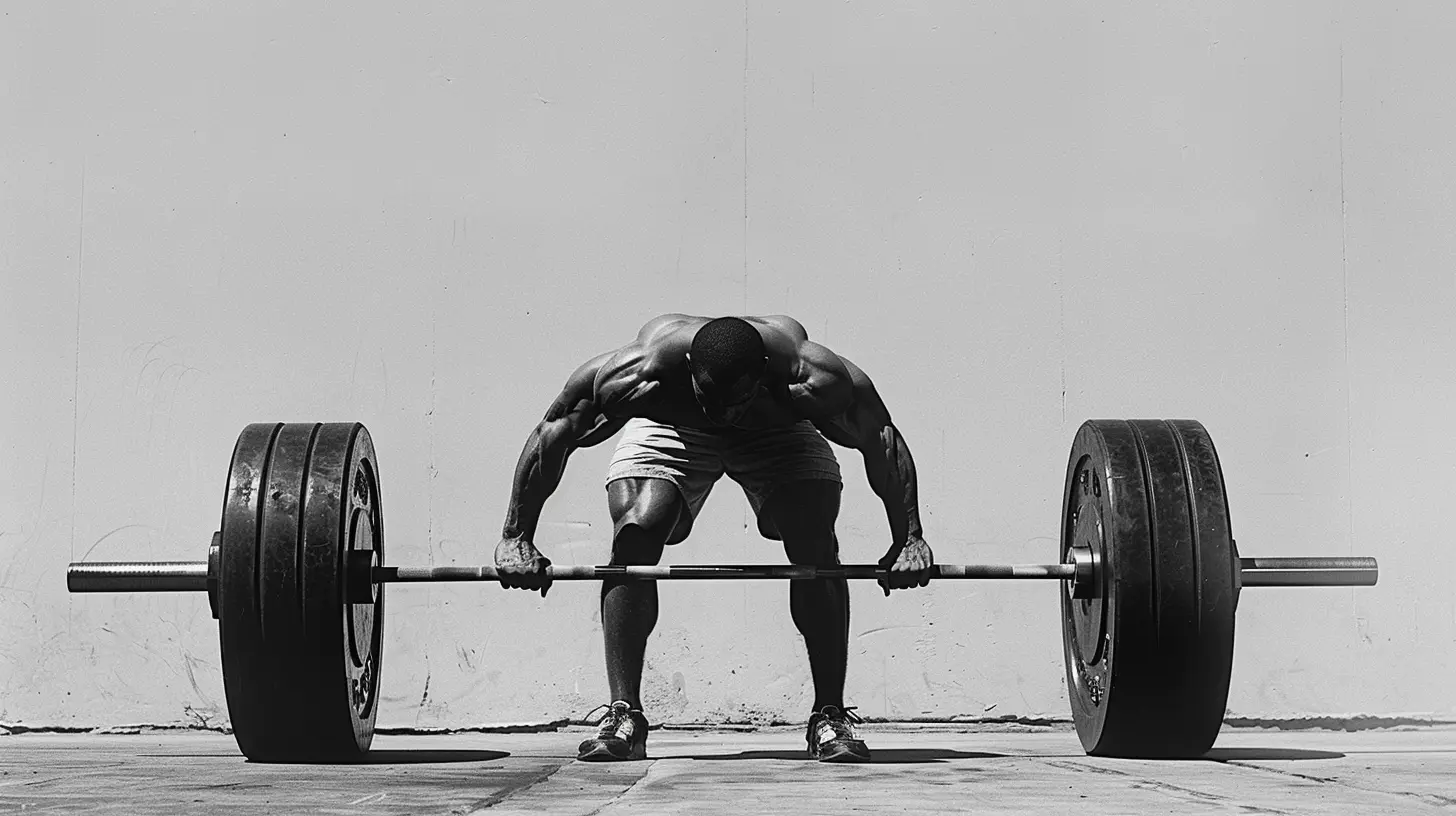
Beginners vs. Intermediates vs. Advanced Lifters
🧑🏫 Beginners (0–6 months of lifting)
You guys get the jackpot. Why? Because almost anything works at this stage!Recommended Frequency: 3 full-body sessions per week.
For newbies, full-body workouts allow frequent practice of compound lifts, better neuromuscular adaptation, and faster progress.
💪 Intermediates (6 months–2 years)
Progress slows down here. Gains don’t come so easy anymore, so frequency becomes even more vital.Recommended Frequency: 3-5 sessions per week using upper/lower or push/pull/legs.
You want to stimulate each muscle group more than once per week but also manage fatigue.
🧠 Advanced Lifters (2+ years)
This is where things get tricky. Everything matters — intensity, volume, recovery, sleep, nutrition… the whole package.Recommended Frequency: Depends, but often 5-6 days per week with each muscle hit 2-3 times.
Advanced lifters benefit from higher training frequency because they need more overall volume to progress — but they also recover faster since their bodies are more adapted to the stress.
The Role of Volume, Intensity, and Recovery
Frequency is just one piece of the puzzle. It works hand-in-hand with volume (how much work you do) and intensity (how hard you’re training).Let’s say you’re doing 15 sets for legs each week. You could:
- Do all 15 sets on one day (ouch)
- Split them across two days (better)
- Or do 5 sets over 3 days (likely optimal for recovery and consistency)
More frequent training lets you spread volume out, which usually means better performance each session — better lifts, more quality reps, less fatigue.
Plus, it helps with recovery. Smaller, more frequent doses of work are often easier to recover from than one brutal, to-the-bone leg day.
Can You Train Every Day?
Technically? Yes. Should you? That depends.Training every day is doable if you vary the intensity and muscle groups. For example, Monday could be heavy upper body, Tuesday light lower body, and so on.
But recovery is non-negotiable. If you're not sleeping well, eating enough, or managing stress, daily training can wear you down — fast. Remember, progress happens outside the gym during recovery.
Think of training like baking a cake. You don’t just turn the heat up and keep it in the oven longer — that’ll burn it. You need the right temp, the right timing, and patience.
Lifestyle Factors That Impact Training Frequency
We’re not all pro athletes with unlimited time. Life happens.Ask yourself:
- How much time can I realistically commit?
- Do I recover well or get sore for days?
- Am I sleeping at least 7 hours?
- How’s my stress level?
- What are my goals?
It’s better to train 3 times a week consistently for months than to go hard for 6 days and burn out after two weeks.
Consistency beats intensity every time.
Sample Training Frequencies Based on Lifestyle
Here’s a cheat sheet:🧑🎓 Busy Student or 9-5 Worker:
3x a week Full-Body WorkoutsEfficient. Time-friendly. Great gains with minimal schedule stress.
👨👩👧👦 Parent or Super-Busy Life:
2x a week Full-Body + Active Recovery DaysAdd walks, yoga, or stretching to maintain momentum.
🏋️♂️ Intermediate with Time to Train:
4-5x a week Upper/Lower Split or Push/Pull/LegsBuilds muscle, conditions the body, and fits well with most goals.
🧠 Chase-the-Pump Lifter/Advanced Level:
6x a week Push/Pull/Legs x 2High frequency, high volume. Requires tight nutrition and recovery.
Frequency Misconceptions (Let’s Debunk Them)
"Training more = more gains"
Nope. More isn't better. Better is better. Quality trumps quantity every time."If I don’t feel sore, I didn’t work hard enough"
Soreness isn’t a reliable indicator of success. Progress is."I have to follow what pros do"
Pros often use substances or have years of adaptation. Don’t copy — customize.Listen to Your Body — It Knows Best
Yeah, it sounds cliché, but it’s true. Some weeks you’ll feel like a beast, other weeks you’ll need to dial it back. That’s normal.Stay flexible. Adjust your frequency based on:
- How you're performing
- How you feel
- What life throws at you
Stick to a schedule that energizes you — not one that burns you out.
The Bottom Line: What’s the Optimal Training Frequency?
Drumroll please… 🥁There’s no one-size-fits-all.
But for most people aiming to build muscle, get stronger, and stay healthy, training each muscle group 2-3 times per week tends to be the sweet spot — balancing stimulation with recovery.
Whether that’s via 3 full-body sessions or an upper/lower split, it’s gotta suit your lifestyle and recovery ability.
Consistency, smart progression, and recovery? That’s the real secret sauce.
Quick Tip: Don’t Just “Do More,” Do It Better
Instead of obsessing over how many days you should lift, ask:- Am I progressing each week?
- Am I recovering well?
- Am I enjoying the process?
Nail those? You're golden.
So, how often should you hit the weights? As often as you can train smart, recover well, and stay consistent.
Now go crush it
all images in this post were generated using AI tools
Category:
Strength TrainingAuthor:

Tiffany Foster
Discussion
rate this article
2 comments
Zoey McGrady
Consistency is key—let's lift smart!
February 9, 2026 at 4:34 PM
Tiffany Foster
Absolutely! Smart training with consistent effort leads to the best results. Let's keep pushing.
Derek McKay
Lift weights like you're chasing the ice cream truck—frequently and joyfully!
January 7, 2026 at 5:38 AM
Tiffany Foster
Absolutely! Consistency and enthusiasm are key to achieving your fitness goals. Enjoy the journey!