The Science of Active Play: How Movement Fuels Healthy Growth
29 May 2026
Introduction
Ever wonder why kids can’t sit still? It’s like they have tiny motors running 24/7. But here’s the thing—those endless wiggles, sprints, and jumps aren’t just bursts of energy; they’re actually essential for healthy growth.
Active play isn’t just about having fun (though that’s a huge bonus!). It drives physical, cognitive, and emotional development in ways that structured activities or screen time simply can't. In this article, we’ll dive into the science of movement and how it shapes everything from strong bones to sharp minds.
So, if you’ve ever told a child to “calm down” — you might want to rethink that. Movement isn't the enemy; it’s the secret ingredient for building a healthier, happier kid. 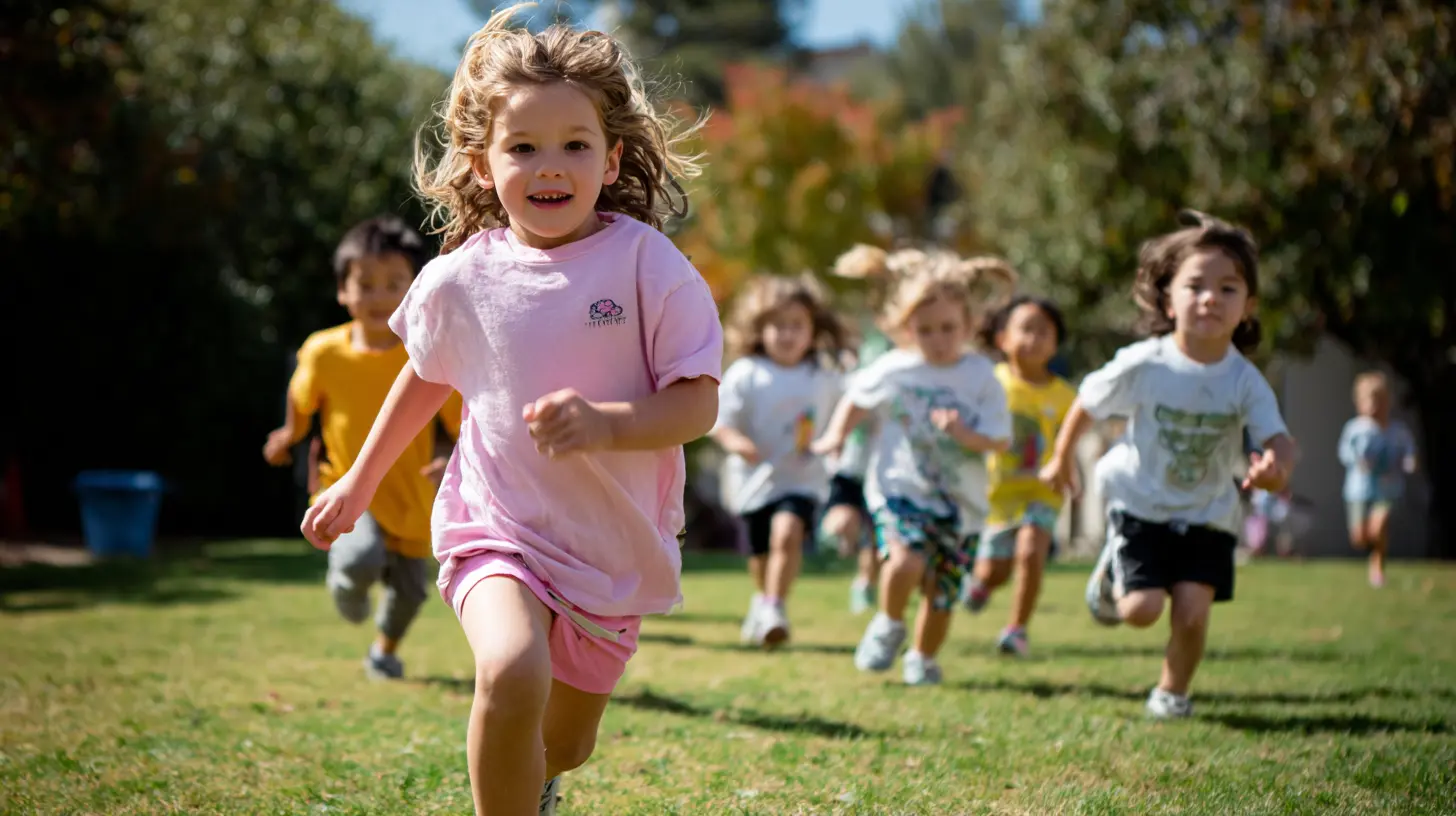
Why Active Play Matters
Picture this: a child running across a playground, climbing a jungle gym, leaping from one step to the next. It might look like simple fun, but beneath the surface, their muscles, brain, and even their emotional well-being are getting a serious workout.Many studies confirm that movement is directly linked to a child’s physical and cognitive development. Play isn't just play; it’s nature’s way of ensuring kids develop essential life skills.
Let’s break it down, step by step. 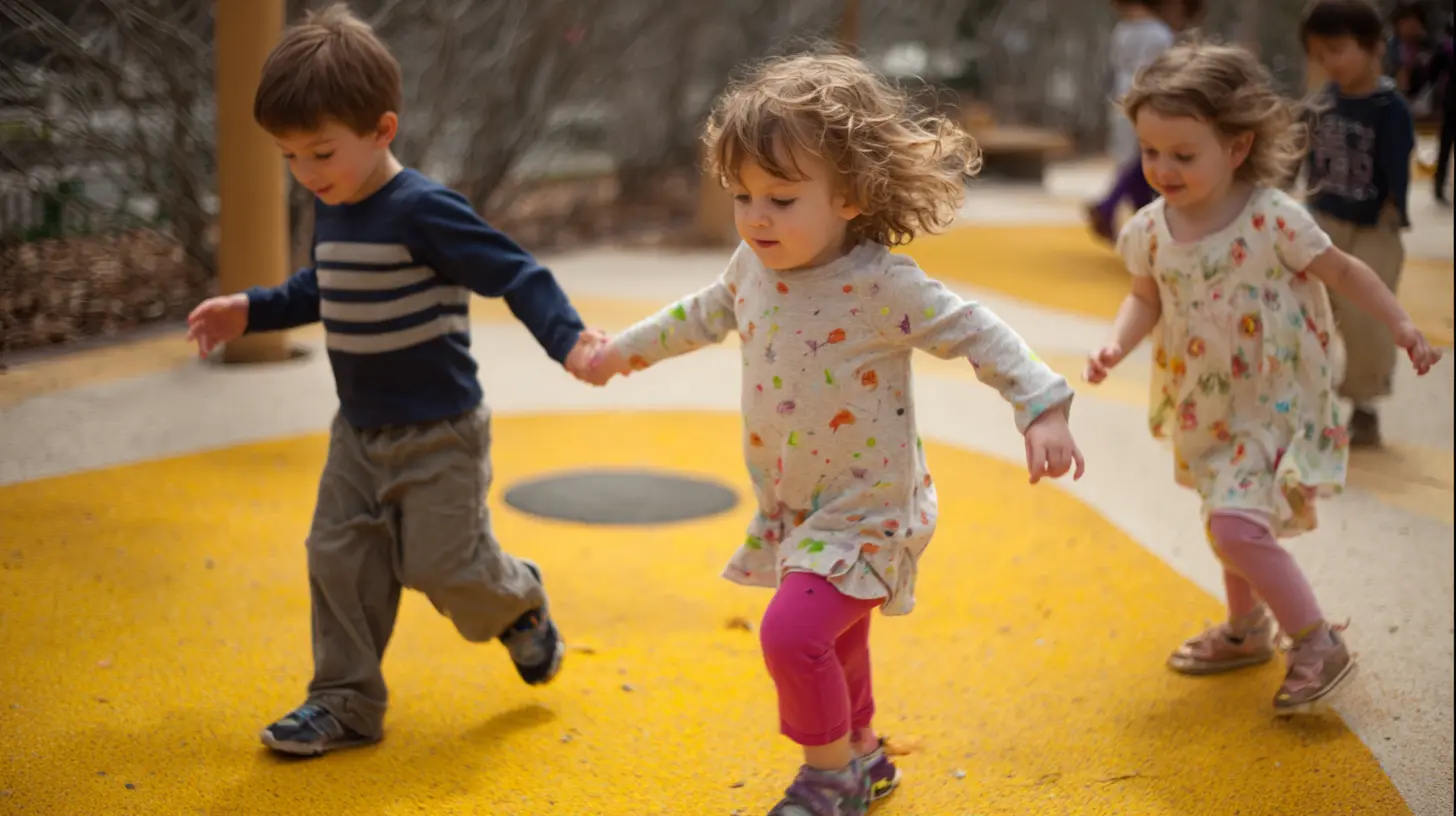
1. Physical Benefits: Stronger, Healthier Bodies
Building Strong Bones and Muscles
Every time a child jumps, climbs, or runs, they’re strengthening their muscles and bones. Weight-bearing activities (like hopping or skipping) help bones develop density, which reduces the risk of fractures or osteoporosis later in life.Think of it like this—every jump is a tiny deposit into their lifelong "bone bank." The more they move, the stronger their foundation becomes.
Better Balance and Coordination
Ever watched a toddler waddle around like a tiny penguin? That’s their body learning coordination! Active play helps fine-tune balance and motor skills, making everyday movements—like running, skipping, and even writing—easier over time.Activities like riding bikes, dribbling balls, or jumping rope train their bodies to react faster and move efficiently.
Boosting Heart Health
Just like adults need exercise for a healthy heart, kids do too! Running, dancing, and playing tag all increase cardiovascular fitness, keeping the heart and lungs strong.A strong heart means better circulation, improved endurance, and lower risks of obesity or heart disease in the future. 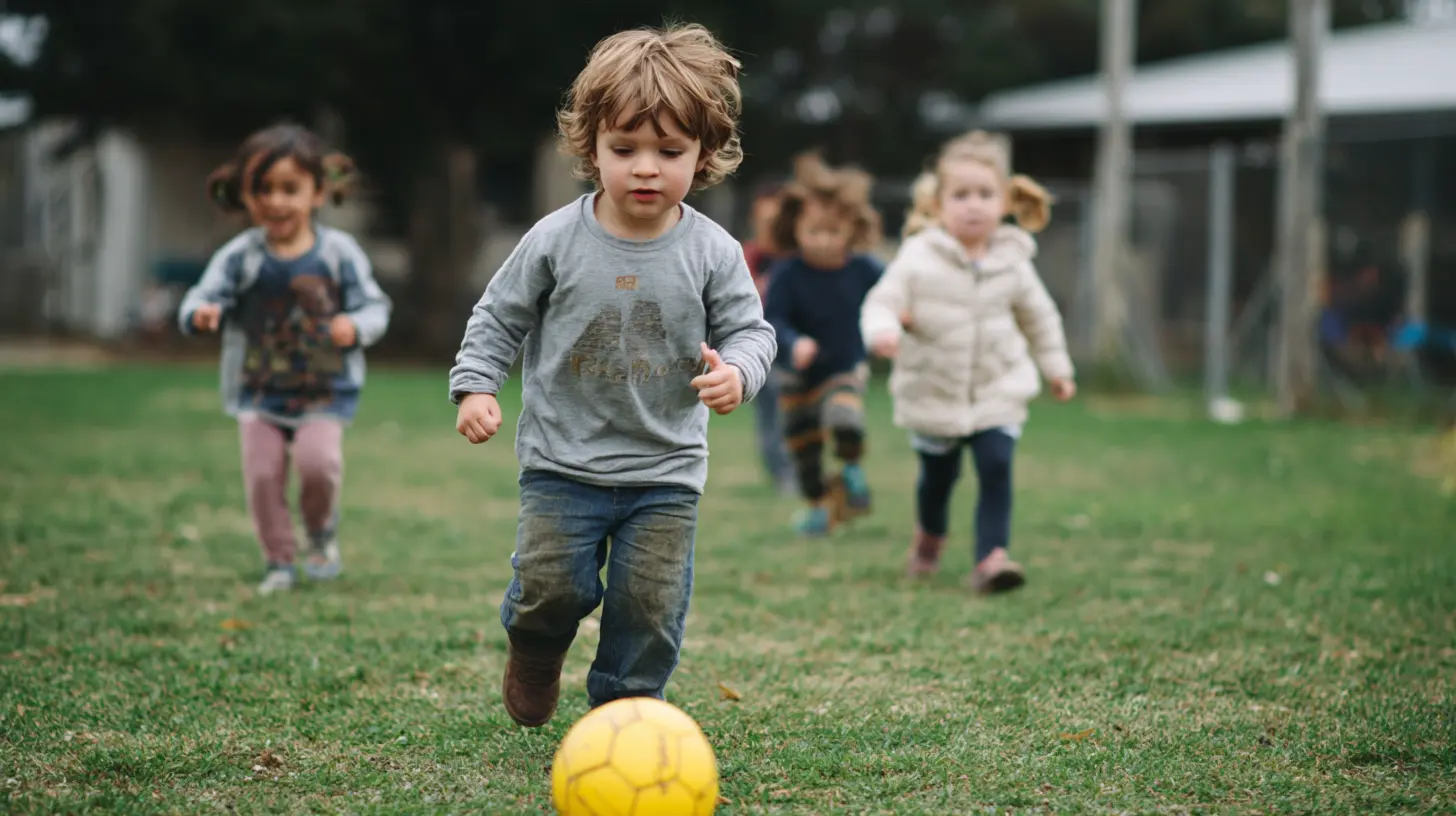
2. Cognitive Benefits: Sharper Minds at Play
Movement Strengthens Brain Connections
Here’s something cool: physical activity actually builds better brainpower. When kids engage in active play, their brains light up with neural activity, forming connections that help with memory, problem-solving, and learning.Studies show that kids who move more tend to have better concentration and perform better in school. Imagine their brains as a Wi-Fi network—active play boosts the signal strength, making everything run smoother.
Enhancing Creativity and Problem-Solving
Ever seen kids turn a cardboard box into a spaceship? That’s creativity in action! Play encourages imagination, helping kids think outside the box (literally and figuratively).Whether they’re building forts, creating obstacle courses, or inventing new games, their brains are constantly working through challenges and finding solutions.
Reducing Stress and Improving Mood
Exercise isn’t just good for the body; it’s a natural mood booster. Physical activity releases endorphins—those feel-good hormones that help reduce stress and anxiety.Think about how you feel after a good workout. Kids feel the same way after a game of tag. Movement helps them manage emotions, feel happier, and even sleep better. 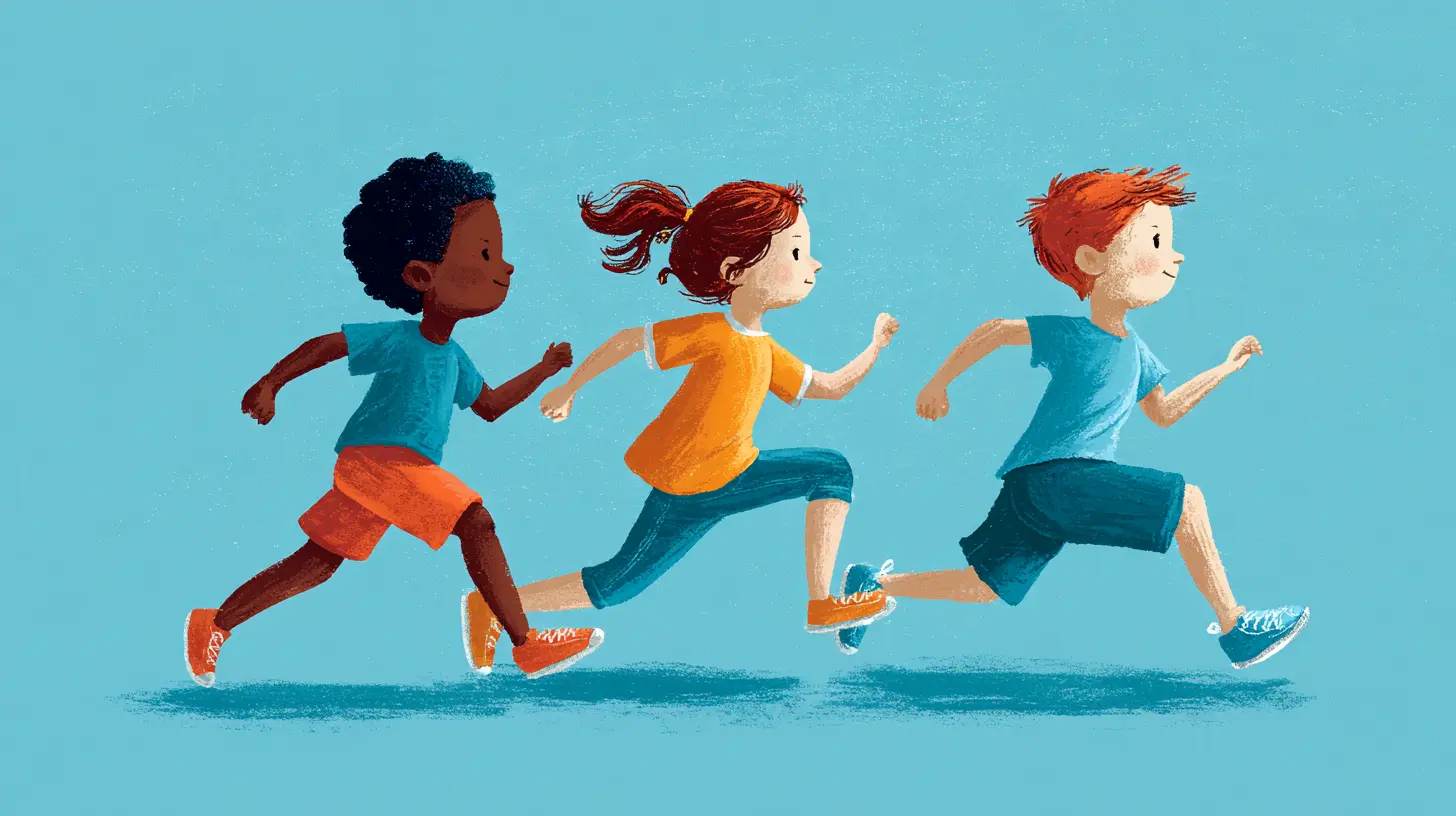
3. Social and Emotional Development
Learning Teamwork and Cooperation
Active play often involves others—whether it’s a game of soccer or a group of kids figuring out how to build the tallest block tower. This kind of play teaches teamwork, patience, and communication.Kids learn how to take turns, negotiate, and solve conflicts—all vital skills they’ll use throughout life. Plus, playing together builds friendships and a sense of belonging.
Building Confidence and Independence
Every time a child masters a new skill—whether it’s climbing a tree or scoring a goal—they gain confidence. Active play lets kids test their limits, take risks, and feel a sense of achievement.Encouraging them to explore and try new activities helps them trust their abilities and become more independent.
The Role of Rough-and-Tumble Play
A little roughhousing is actually a good thing! Wrestling, play-fighting, and chasing games teach kids boundaries, self-control, and how to read social cues.As long as it stays friendly, rough-and-tumble play is an important part of emotional development—it helps kids understand physical limits while building close connections with peers.
4. How to Encourage More Active Play
So, how do we make sure kids get enough movement in their day? Luckily, it doesn’t take fancy equipment or structured workouts. Here are a few simple ways to promote active play:Limit Screen Time
We’re not saying screens are evil, but too much sitting can replace valuable playtime. Setting clear limits on TV, video games, and tablet use frees up time for active fun.Make Outdoor Play a Priority
Nature is the best playground. Running through a field, climbing trees, or just exploring the backyard provides endless opportunities for movement.Join in on the Fun
Kids love when adults get involved! Whether it’s a family walk, a game of catch, or a dance-off in the living room, active play doesn’t have to be just for kids.Create a Movement-Friendly Environment
Encourage movement by keeping balls, jump ropes, or hula hoops handy. Even indoor activities like obstacle courses or scavenger hunts can get kids moving on rainy days.Let Kids Lead the Way
The best kind of play is unstructured. Rather than directing their activities, give kids the freedom to create their own games and adventures—this fosters independence and creativity.Conclusion
Active play is more than just a way to burn off energy—it’s a cornerstone of healthy development. From strong muscles to sharp minds and confident social skills, movement plays a vital role in shaping a child’s future.So next time you see a kid bouncing off the walls, remember: they’re not just being hyper. They’re growing, learning, and thriving with every leap and sprint.
Encourage play, embrace movement, and let kids be kids—because every cartwheel, race, and silly dance move is helping them build a healthier life.
all images in this post were generated using AI tools
Category:
Childrens HealthAuthor:

Tiffany Foster
Discussion
rate this article
1 comments
Tatianna Kelly
Movement is essential; kids thrive through play!
May 30, 2026 at 5:01 PM
Tiffany Foster
Absolutely! Play is vital for development, sparking creativity and building essential skills.