The Science Behind Heart-Healthy Fats in 2027
23 April 2026
Ah, fats. They’ve been the bad boys of the nutrition world for so long that it’s hard to believe they’re actually your heart’s best friend. But hold on to your hats, because in 2027, the conversation around fats has taken a delightful turn. We’re diving deep into the science behind heart-healthy fats, what they do for our bodies, and how you can enjoy them without feeling guilty. Are you ready? Let’s go!
What Are Heart-Healthy Fats?
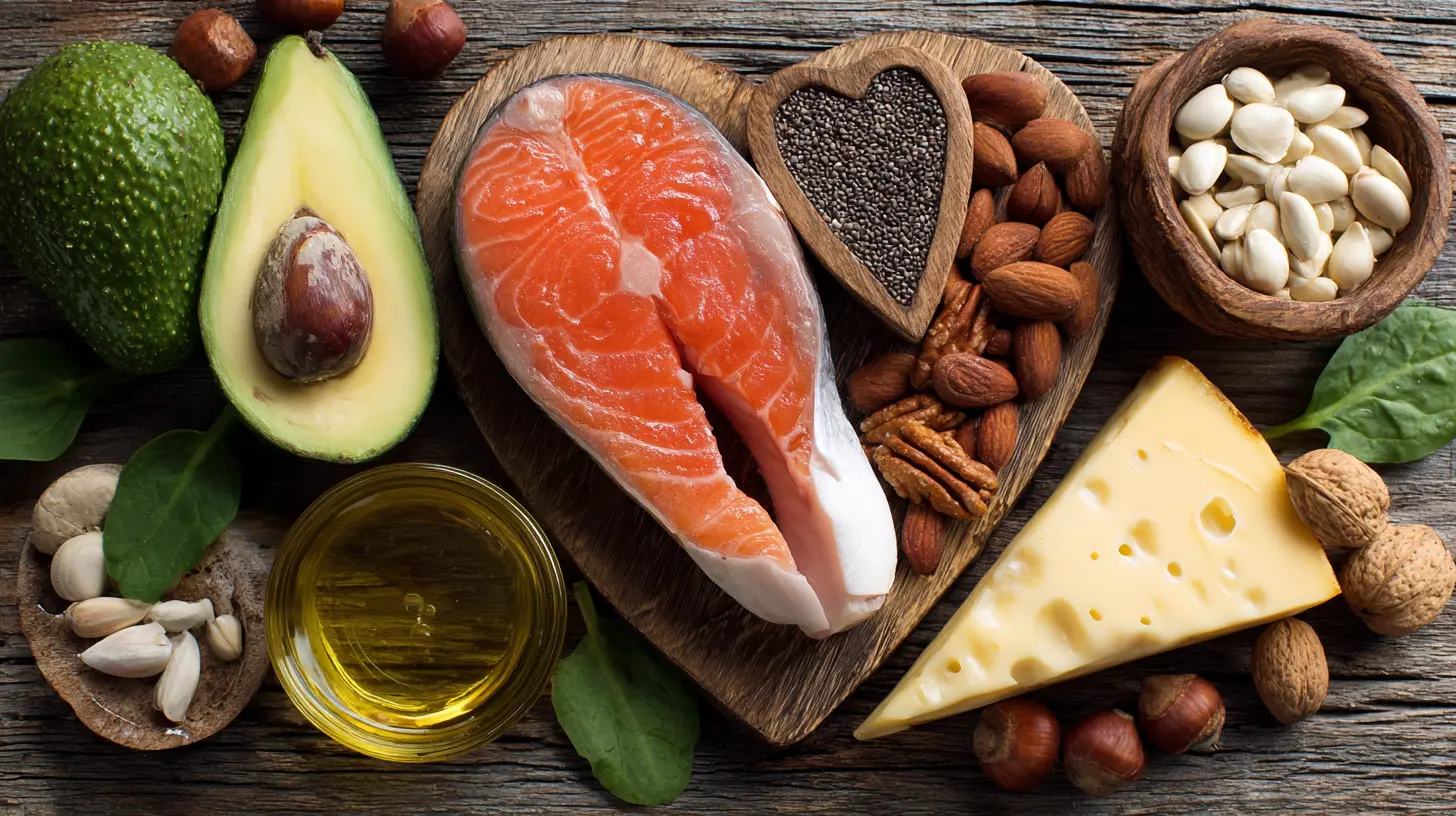
So, what exactly are these heart-healthy fats we keep hearing about? Well, not all fats are created equal. In fact, they come in all shapes and sizes, and that’s where the fun begins! Heart-healthy fats are primarily unsaturated fats, which can be further divided into two categories: monounsaturated and polyunsaturated fats. These are your allies in the fight against heart disease. Think of them as the knights in shining armor for your cardiovascular system.Monounsaturated Fats
Monounsaturated fats are like the cool kids at the fat party. They’re found in foods like avocados, olive oil, and nuts. Why are they so great? They help lower bad cholesterol (LDL) levels while boosting good cholesterol (HDL). Imagine them as your cholesterol’s personal trainers, whipping them into shape so they can work more effectively for your body.Polyunsaturated Fats
Then we have polyunsaturated fats, which include omega-3 and omega-6 fatty acids. These are the superheroes you want on your side. Omega-3s, in particular, are known for their anti-inflammatory properties and are typically found in fatty fish, flaxseeds, and walnuts. They’re like a soothing balm for your heart, reducing inflammation and keeping your arteries clear. Omega-6s can also be beneficial but should be consumed in moderation since the balance between omega-3 and omega-6 in your diet is crucial.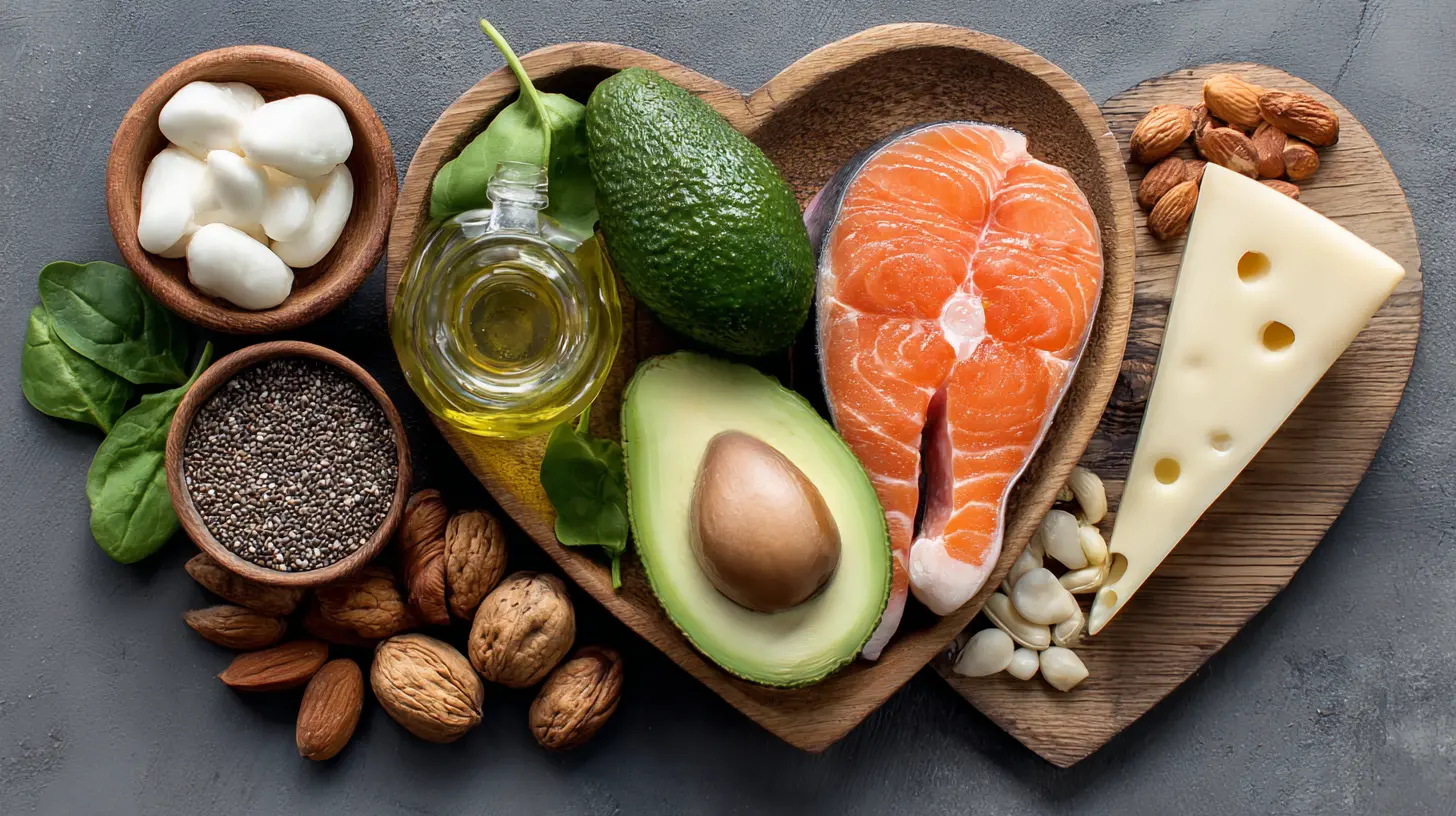
Why Are Fats Important for Heart Health?
You might be wondering, "Why should I care about fats?" Well, here’s the scoop. Fats play a vital role in various bodily functions. They help you absorb essential vitamins (A, D, E, and K), provide energy, and protect your organs. But perhaps most importantly for our discussion, they help maintain healthy cholesterol levels, which is vital for heart health.Balancing the Fat Equation
In a world obsessed with low-fat diets, it’s easy to get caught up in the idea that all fats are terrible. But just as you wouldn’t throw away your favorite shoes because they’re sometimes uncomfortable, you shouldn’t eliminate all fats from your diet. It’s all about balance! The key is to replace bad fats (like trans fats and saturated fats found in processed foods) with heart-healthy ones. It’s a simple switch but can have a monumental impact on your overall health.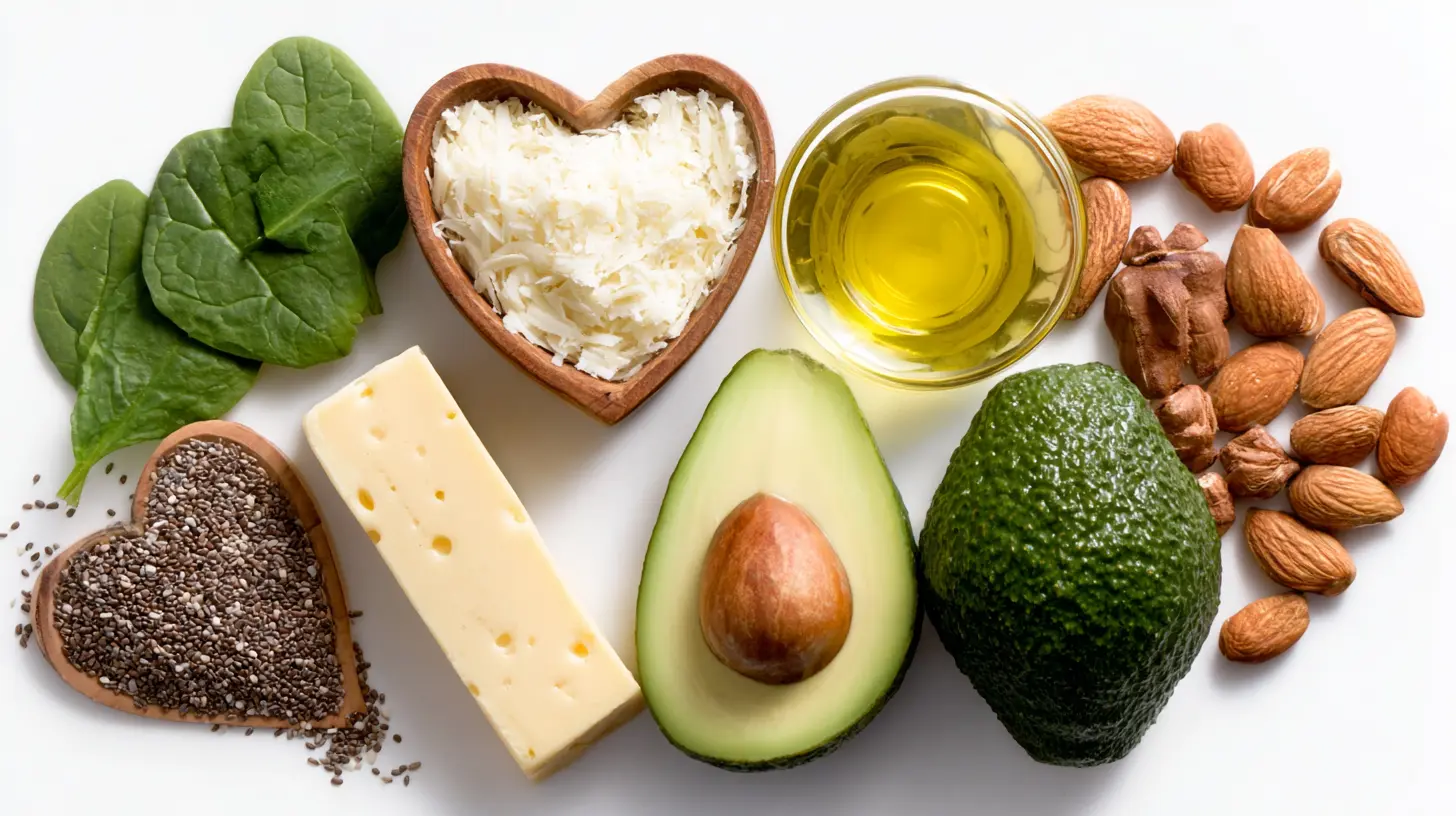
The Role of Technology in Understanding Fats
Fast forward to 2027, and technology has revolutionized how we understand fats and their role in heart health. With advancements in research tools and data analysis, scientists are uncovering the intricate relationship between fats and cardiovascular health.Personalized Nutrition
One of the most exciting developments is personalized nutrition, where technology tailors dietary recommendations based on your genetic makeup, lifestyle, and health goals. Imagine a future where your meal plan is designed specifically for you, maximizing the benefits of heart-healthy fats while minimizing the risks associated with unhealthy fats. It’s like having a nutritionist right in your pocket!Smart Food Labels
In 2027, food labels have transformed into smart labels. They not only list ingredients but also provide real-time data on the benefits of specific fats in the food. Picture scanning a cereal box with your smartphone, and it tells you how much omega-3 you’re getting. This kind of transparency empowers consumers to make better decisions.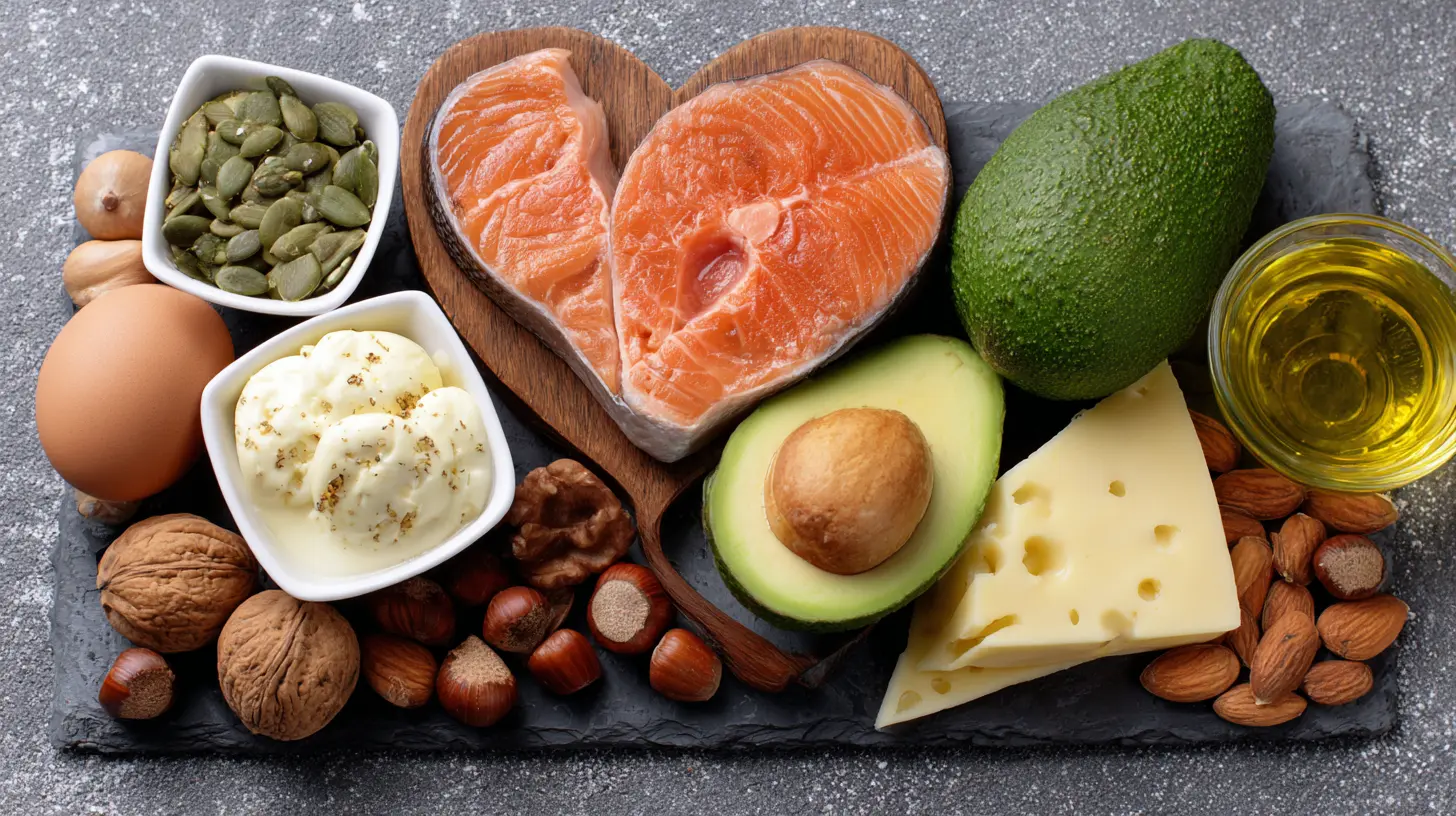
How to Incorporate Heart-Healthy Fats into Your Diet
Alright, so we know fats are friends, but how do we introduce them into our daily lives without feeling overwhelmed? Here’s a practical guide to incorporating heart-healthy fats into your diet seamlessly.Start Your Day Right
Kick off your morning with a breakfast that includes heart-healthy fats. How about some oatmeal topped with almond butter and sliced bananas? Or avocado toast sprinkled with chia seeds? It’s like a party for your taste buds and your heart!Snack Smart
When those mid-afternoon cravings hit, reach for a handful of nuts or seeds instead of chips. You’ll get that satisfying crunch, plus a hit of beneficial fats. Let’s be real—who doesn’t love munching on something that’s good for them?Dress It Up
Ditch the heavy, creamy dressings and opt for olive oil-based vinaigrettes. Not only do they taste fantastic, but they also pack a heart-healthy punch. It’s like giving your salads a luxurious upgrade!Cook with Care
When you’re cooking, choose oils rich in monounsaturated and polyunsaturated fats. Olive oil, avocado oil, and canola oil are excellent choices. Think of them as the gentle glide of a well-oiled machine—smooth and effective.Don’t Forget Fish
Aim to include fatty fish in your diet at least twice a week. Salmon, mackerel, and sardines are delicious and rich in omega-3s. They’re like a little treasure chest of heart health tucked away in your freezer.Debunking Myths About Fats
As we embrace the science of heart-healthy fats, it’s essential to debunk some common myths that have lingered over the years. Let’s set the record straight!Myth 1: All Fats Are Bad
This is one of the oldest myths in the book. Not all fats are created equal, and while trans fats and excessive saturated fats can pose risks, unsaturated fats are your allies. They can help lower cholesterol and reduce the risk of heart disease.Myth 2: Eating Fat Makes You Fat
Here’s the kicker—eating healthy fats doesn’t automatically lead to weight gain. In fact, they can help you feel fuller longer, potentially curbing overeating. It’s all about moderation and smart choices.Myth 3: Low-Fat Diets Are the Best
Many people still cling to the notion that low-fat diets are the key to health. However, research suggests that a diet rich in healthy fats can be more beneficial, particularly for heart health. It’s time to embrace the fats that love your heart!
The Future of Fats in Our Diets
As we continue to advance in nutritional science, the future looks bright for heart-healthy fats. With ongoing research, we’ll likely uncover even more benefits and innovative ways to incorporate these fats into our diets. There’s a growing trend toward functional foods—food designed to provide health benefits beyond basic nutrition.Innovations on the Horizon
Imagine a world where food companies create products enriched with heart-healthy fats, making it easier for you to consume them in delicious ways. From nut-based dairy alternatives to omega-3-infused snacks, the possibilities are endless!Closing Thoughts
In a world where health trends come and go, one thing remains steadfast: the importance of heart-healthy fats. They’re not the enemy; they’re your trusty companions on the journey to better health. So let’s raise a toast (with a glass of olive oil, why not?) to these amazing nutrients that support our hearts and overall well-being.Whether you’re a die-hard fan of avocados, a nut enthusiast, or a seafood lover, there’s a place for heart-healthy fats in your diet. Embrace them, enjoy them, and let them work their magic for your heart. Here’s to a delicious and healthy future—one fat at a time!
all images in this post were generated using AI tools
Category:
Heart Friendly FoodsAuthor:

Tiffany Foster
Discussion
rate this article
2 comments
Esme McGhee
Great article! It's refreshing to see the focus on heart-healthy fats. I appreciate the clarity in explaining the science behind them.
May 26, 2026 at 4:38 AM
Tiffany Foster
Thank you for your kind words! I'm glad you found the explanation clear and the focus on heart-healthy fats helpful.
Olympia Ortiz
In 2027, the conversation around heart-healthy fats takes a surprising turn. New research reveals unexpected sources that challenge our long-held beliefs. As we delve deeper into these findings, we may uncover secrets that not only redefine our diets but also transform our understanding of heart health forever...
May 4, 2026 at 2:43 AM
Tiffany Foster
It's fascinating how evolving research continues to reshape our understanding of heart-healthy fats. I can't wait to see what new insights emerge and how they impact our diets.