The Role of Nutrition in Maintaining a Healthy Mind
29 June 2026
When we think about nutrition, our minds often jump to physical health—weight control, heart health, or building strong muscles. But what if I told you that the food on your plate is also feeding something far more powerful: your brain?
That’s right. Your mental health is deeply connected to what you eat. In fact, the role of nutrition in maintaining a healthy mind is a growing area of research that’s turning heads in the world of health and wellness.
Let’s take a deep dive into how your diet affects your brain function, mood, and overall mental well-being—and what you can do to give your mind the nourishment it needs.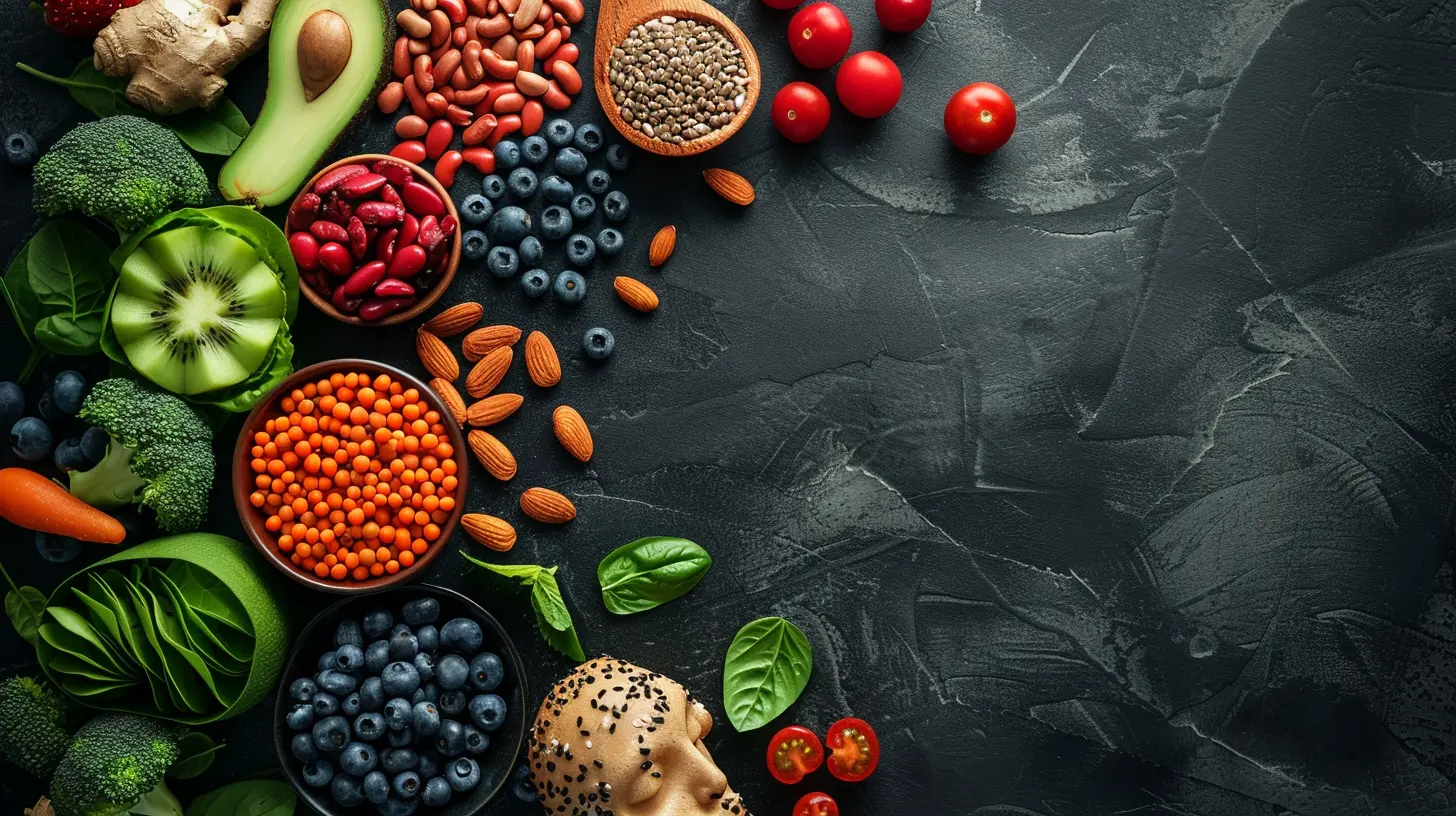
Why Does Nutrition Matter for Your Mind?
The brain is a powerhouse. It controls thoughts, emotions, memory, stress responses, and just about every process in your body. And just like a car needs quality fuel to run smoothly, your brain needs the right nutrients to function at its best.Poor nutrition can lead to fatigue, impaired decision-making, and slower reaction times. Over time, it may even increase the risk of mental health disorders like depression or anxiety.
So how does it all tie in? Let’s break it down.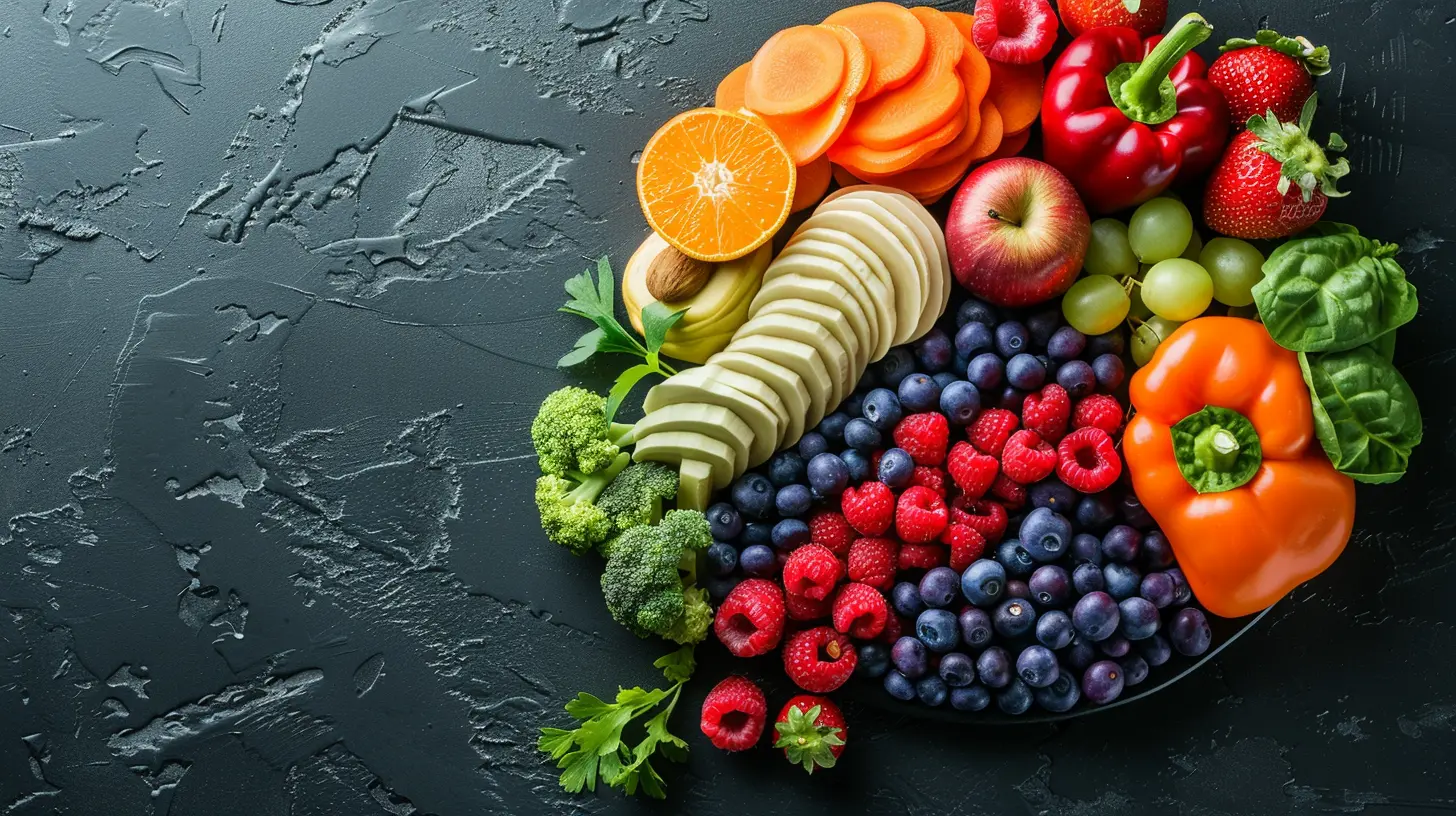
Your Brain's Best Friends: Key Nutrients for Mental Health
1. Omega-3 Fatty Acids: The Brain’s Building Blocks
Ever hear people say, “Eat fish, it's brain food”? That’s all thanks to Omega-3 fatty acids, especially DHA and EPA. These healthy fats build brain cell membranes, reduce inflammation, and help regulate neurotransmitters (those are the chemicals that carry signals in your brain).Where to get them: Fatty fish like salmon, sardines, flaxseeds, chia seeds, and walnuts.
2. Complex Carbohydrates: Mood Stabilizers
Carbs get a bad rap, but complex carbohydrates are essential for your brain. They help maintain stable blood sugar levels, which means you won’t experience mood swings or that afternoon crash. Plus, they boost serotonin—a chemical that helps you feel calm and happy.Where to get them: Whole grains, beans, lentils, fruits, and vegetables.
3. B Vitamins: The Mental Energy Team
B vitamins, especially B6, B12, and folate, play a big role in producing brain chemicals that affect mood and sleep. Low levels have been linked to depression and cognitive decline.Where to get them: Leafy greens, eggs, lean meats, whole grains, and fortified cereals.
4. Antioxidants: Brain Defenders
Your brain is super active, which means it’s exposed to a lot of oxidative stress—basically, wear and tear on your brain cells. Antioxidants act like a clean-up crew, protecting your brain from damage and helping it age more gracefully.Where to get them: Berries, dark chocolate (yep!), nuts, seeds, and colorful veggies.
5. Protein: Neurotransmitter Builders
Proteins are broken down into amino acids, which are used to make neurotransmitters like dopamine and serotonin. These affect everything from your mood to your motivation.Where to get them: Eggs, chicken, fish, tofu, legumes, and dairy.
Can Diet Really Affect Mental Health?
You bet. Several studies have shown that people who eat a healthy, balanced diet are less likely to experience depression, anxiety, and other mental health conditions.On the flip side, diets high in processed foods, sugar, and saturated fat are often linked to poor mental health. It's like trying to run a high-performance sports car on low-quality gas.
A famous dietary pattern called the Mediterranean diet is frequently associated with better brain health. It’s rich in fruits, vegetables, olive oil, fish, whole grains, and nuts. Think of it as a feast designed for both your body and your mind.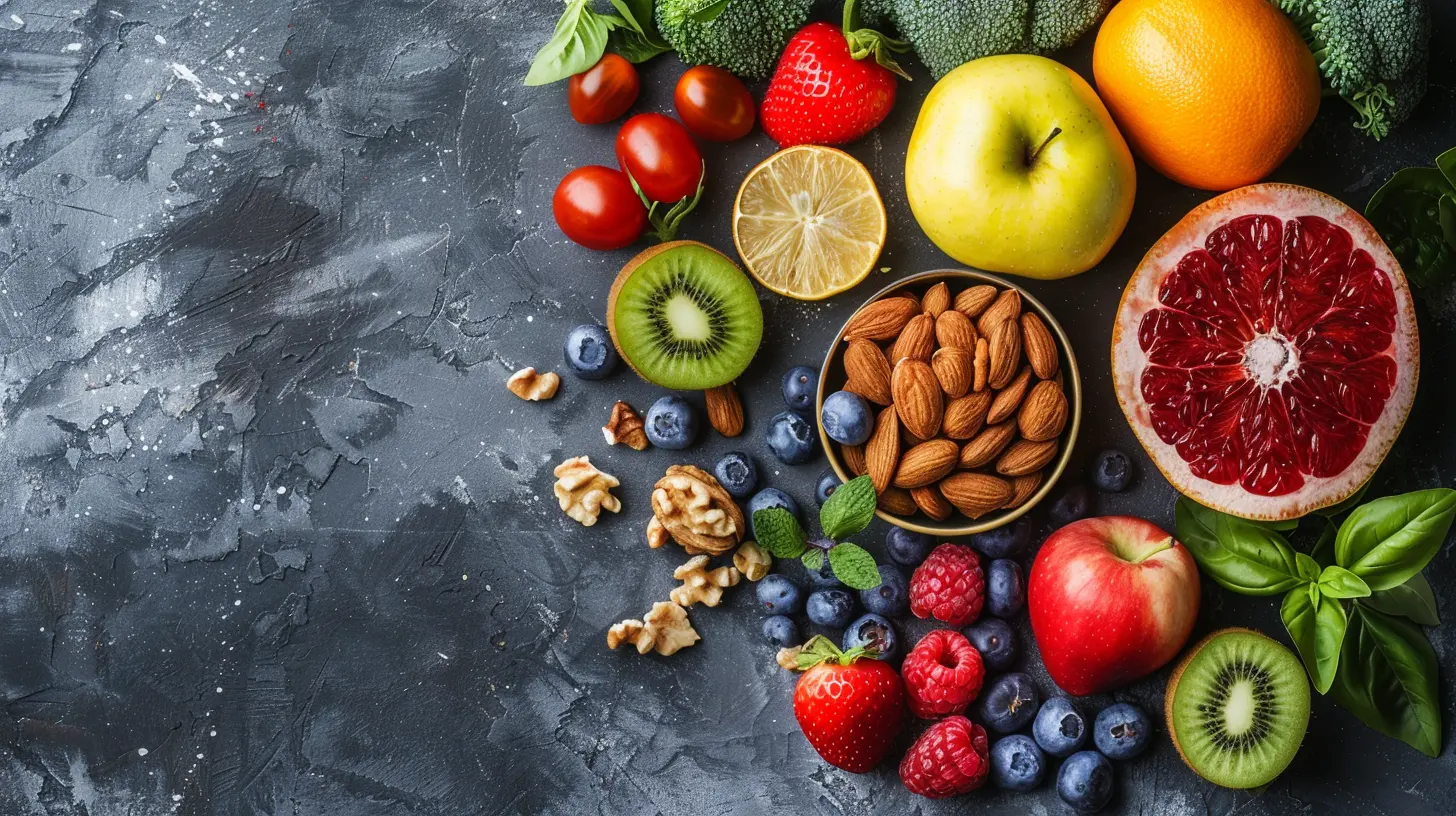
The Gut-Brain Connection: More Than Just a Feeling
Ever felt butterflies in your stomach before a big presentation? That’s the gut-brain connection at work. Your gut and brain are in constant communication via something called the gut-brain axis.Here’s the cool part: Your gut is home to trillions of bacteria (the gut microbiome), and they significantly influence your mood and cognition. An unhealthy gut can mess with your brain, leading to anxiety, stress, or even depression.
So, what feeds a happy gut?
Fiber & Fermented Foods
Fiber-rich foods feed good bacteria, while fermented foods like yogurt, kefir, sauerkraut, and kimchi pack those good bugs directly into your system. These help produce more mood-regulating hormones and reduce inflammation.Mood Swings and Sugar Spikes: The Danger of Processed Foods
We’ve all been there—a chocolate bar or soda perks us up for a hot second, only to leave us crashing and cranky later. Sugar gives you a quick energy boost, but it's a mental health mirage.Excess processed sugar can lead to inflammation, disrupt your blood sugar levels, and mess with neurotransmitters like dopamine. Over time, this rollercoaster can contribute to anxiety and depression.
A steady, whole-food diet is your best bet for stable energy—and a stable mood.
Hydration: Don’t Underestimate the Power of Water
Water might seem like a no-brainer, but dehydration can sneak up on you. Your brain is about 75% water, and staying hydrated is critical for concentration, memory, and mood regulation.Even mild dehydration can lead to headaches, fatigue, and mental fog. Aim for at least 8 glasses a day—but listen to your body. If you’re thirsty, drink up.
Meal Timing and Mental Sharpness
It’s not just what you eat—when you eat also matters. Skipping meals or eating at irregular times can wreak havoc on your blood sugar and energy levels. That means mood swings, difficulty focusing, and irritability.Try sticking to regular meals and snacks throughout the day. Think of it like putting logs on the fire—you’ve got to feed the flames to keep the light burning strong.
Personalized Nutrition: One Size Doesn’t Fit All
Just like no two minds are the same, no two diets should be either. Some people feel amazing on a high-protein diet. Others thrive on plant-based foods. The key is to listen to your body and make adjustments based on how you feel mentally as well as physically.You might also have sensitivities or intolerances that affect your mood. Ever heard of gluten or dairy making people feel foggy or anxious? It’s real for some individuals. Don’t ignore the signs—your body (and mind) are talking to you.
When in doubt, consult with a registered dietitian or your doctor to tailor your nutrition for your unique needs.
Simple Dietary Tips for a Healthier Mind
Want to start feeding your mind the right way? Here are a few easy tips:- Eat the rainbow: The more colorful your plate, the more nutrients you’re feeding your brain.
- Swap processed for whole: Trade in chips and soda for nuts and herbal tea.
- Pack in protein: Helps keep your mind alert and emotions balanced.
- Stay hydrated: Keep a water bottle with you—your brain will thank you.
- Limit sugar and caffeine: They’re like emotional band-aids—not long-term solutions.
- Snack smart: Reach for fruit, nuts, or hummus instead of junk food.
- Don’t skip meals: Fuel your brain consistently throughout the day.
Quick Brain-Boosting Meal Ideas
Not sure where to start? Here are some brain-friendly meals that are as tasty as they are nourishing:- Breakfast: Oatmeal topped with berries, flaxseeds, and a dollop of Greek yogurt.
- Lunch: Grilled salmon salad with leafy greens, avocado, and olive oil vinaigrette.
- Snack: Handful of walnuts and a banana.
- Dinner: Quinoa bowl with roasted veggies, chickpeas, and a tahini dressing.
Simple, right? You don’t need a culinary degree—just real food, real nutrients.
Final Thoughts: It’s All Connected
Your brain isn’t living in isolation—it’s deeply connected to your gut, your hormones, your environment, and definitely your diet. So the next time you’re planning your meals, think beyond calories and carbs. Think about how those meals will make you feel mentally—calm, focused, energized, and emotionally balanced.Nutrition isn’t a magic bullet for mental health, but it’s a powerful part of the puzzle. Combine wholesome eating with sleep, exercise, and stress management, and you’ve got a solid foundation for mental wellness.
So eat with your mind in mind—because a healthy brain starts on your plate.
all images in this post were generated using AI tools
Category:
Healthy MindAuthor:

Tiffany Foster
Discussion
rate this article
1 comments
Callie Diaz
So, apparently, munching on kale and quinoa will magically turn your brain into a genius machine. Who knew that tossing a salad could unlock the secrets of the universe? Next, I'll be expecting my deep thoughts to arrive with a side of avocado toast...
July 2, 2026 at 2:35 AM