The Role of Fiber in Cardiovascular Health
8 January 2026
Let’s talk about something that doesn’t typically get the spotlight it deserves: fiber. Yep, that stuff your mom told you to eat more of. You’ve probably heard that fiber keeps things moving in your digestive tract, but did you know it plays a significant role in taking care of your heart too?
Cardiovascular diseases (CVDs) are the leading cause of death globally. So, it's no surprise that people are scrambling for ways to keep their heart health in check. We usually think of cutting out fats, hitting the gym, and managing stress. But there’s one unsung hero in the mix—fiber.
In this article, we’re going to dive into how this humble nutrient helps keep your ticker ticking just right. Stick around—you might just be surprised how powerful fiber really is.
What Exactly Is Fiber?
Before we go any further, let’s clear something up. Fiber isn’t just one single thing. It’s a category of carbs (yes, carbs!) that your body simply can’t digest. While that might sound useless at first, it’s actually part of what makes fiber so magical.There are two main types:
- Soluble fiber: Dissolves in water and forms a gel-like consistency. You’ll find it in foods like oats, apples, citrus fruits, peas, and beans.
- Insoluble fiber: Doesn’t dissolve—bulks up your stool and helps with regularity. It’s found in whole grains, nuts, and vegetables.
Both types are important, and both contribute in amazing ways to your heart health. Let’s unpack that.
How Fiber Supports Cardiovascular Health
1. Helps Lower LDL ("Bad") Cholesterol
Ever heard of LDL cholesterol? It’s the type that builds up in your arteries and increases your risk of heart disease. Think of it as sticky plaque clogging your pipes.Soluble fiber helps reduce LDL levels in your blood. It binds to cholesterol particles in your digestive system and drags them out of your body before they can do any damage.
Here's a fun fact: Studies show that adding just 5–10 grams of soluble fiber per day can drop LDL cholesterol by about 5%. That’s like choosing oatmeal over sugary cereal and making a real impact on your heart.
2. Regulates Blood Pressure
High blood pressure doesn’t just make you feel stressed—it can wear out your heart and arteries over time. One of the lesser-known benefits of fiber is its ability to help keep blood pressure in that sweet, healthy range.How? A high-fiber diet, especially one rich in fruits, veggies, and whole grains, is loaded with potassium and magnesium—two key minerals that help relax blood vessels and ease pressure.
Bonus: Fiber also tends to replace salty, processed foods in your diet. So it's a win-win.
3. Improves Blood Sugar Control
You might be wondering, what does blood sugar have to do with heart health?A lot, actually.
High blood sugar can damage blood vessels and nerves that control the heart. Not to mention, it's closely tied to conditions like Type 2 diabetes—which significantly ups your risk for heart disease.
Fiber, especially soluble fiber, slows the absorption of sugar into your bloodstream. That means no crazy blood sugar spikes and crashes—your body stays in a more balanced state.
4. Aids in Weight Management
Let’s face it—maintaining a healthy weight is one of the most effective ways to keep your heart happy. And here's where fiber shines again.High-fiber foods are super filling. They take longer to chew, slow digestion, and make you feel fuller for longer. That means you’re less likely to overeat or reach for snacky junk. More satiety equals fewer calories consumed, which translates to better weight control.
Plus, fiber-rich foods typically have fewer calories per bite. Think vegetables, fruits, whole grains—all delicious, all heart-smart.
The Science Backs It Up
Still not convinced? The evidence speaks for itself.- Meta-analyses show that people who eat the most fiber have up to a 30% lower risk of developing cardiovascular disease.
- The Nurses' Health Study, one of the largest and longest studies ever, found that women who ate a high-fiber diet had a significantly lower risk of heart attacks.
- A 2017 review in the journal Nutrients highlighted that increasing daily fiber intake can improve lipid profiles, lower blood pressure, reduce inflammation, and even decrease mortality from cardiovascular issues.
Yep. Fiber isn’t just filling. It’s life-saving.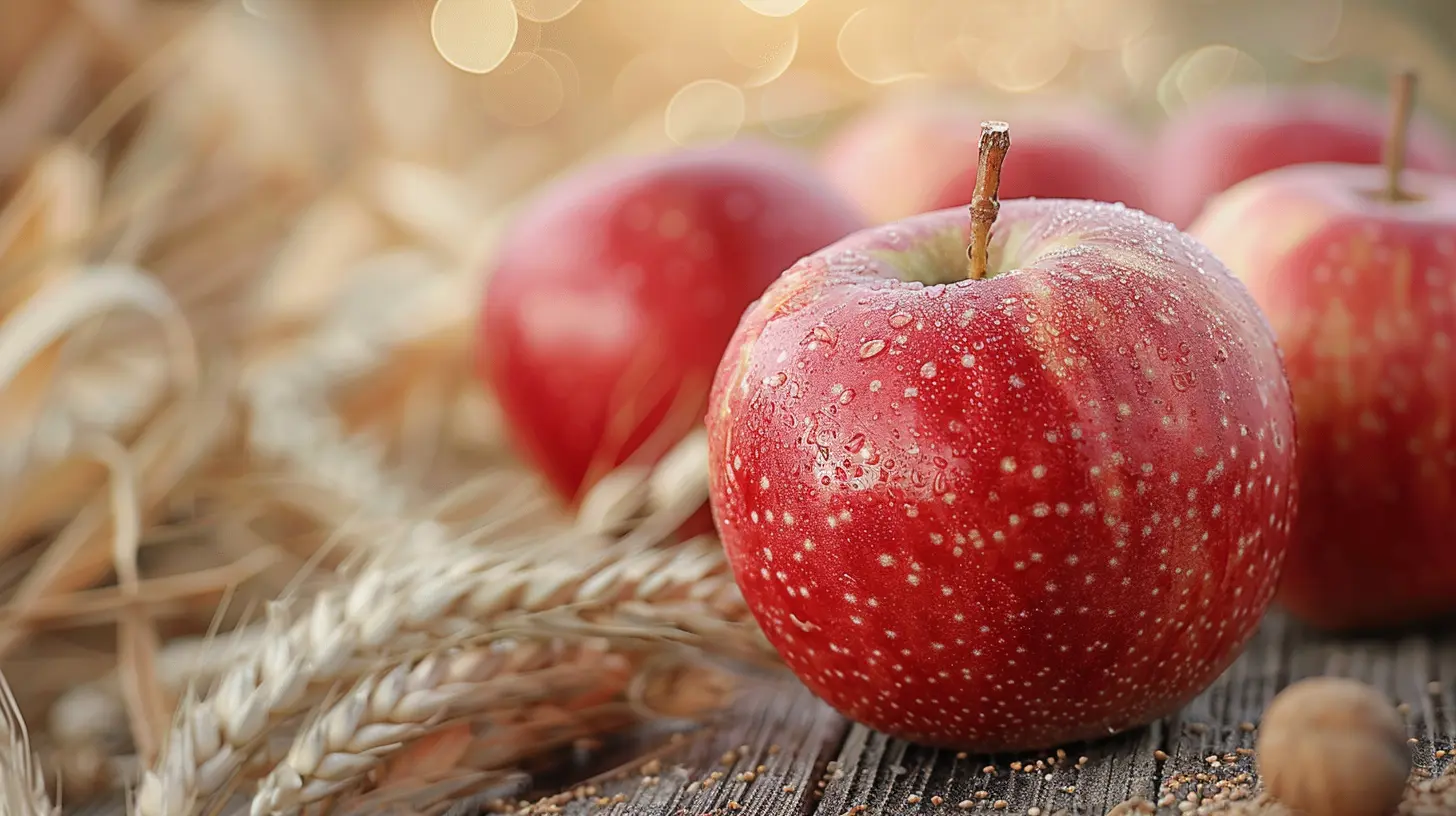
How Much Fiber Do You Actually Need?
Here’s the thing. Most people aren't getting anywhere near enough.- Women should aim for at least 25 grams of fiber per day.
- Men need about 38 grams a day.
But the average intake in most Western countries? Around 15 grams. That’s not even half for some of us!
So where do you get those extra grams from? Let’s break it down.
Top Fiber-Rich Foods for Heart Health
Ready to add more fiber to your meals without turning your world upside down? Here's a simple cheat sheet with foods that pack a powerful fiber punch:Soluble Fiber Heroes:
- Oats- Barley
- Beans (black beans, lentils, chickpeas)
- Apples
- Oranges
- Psyllium husk
Insoluble Fiber Champions:
- Whole wheat bread and pasta- Brown rice
- Carrots
- Cucumbers
- Nuts and seeds
- Broccoli
Tip: Mix both types of fiber for the best heart benefits. A bowl of oatmeal with sliced apples and a sprinkle of flaxseed? A+ for your arteries.
Easy Ways to Sneak More Fiber Into Your Day
Don’t worry—we’re not asking you to overhaul your entire diet. Small tweaks can make a big difference.- Start your day with oats instead of sugary cereals.
- Snack on fruit like apples, pears, or berries instead of chips.
- Use whole grain everything—bread, pasta, tortillas.
- Toss beans into soups, salads, or pasta. They’re cheap, filling, and versatile.
- Add chia or flaxseeds to smoothies, yogurt, or even on avocado toast.
- Eat your veggies first at meals for a natural fiber boost.
You don’t have to be perfect. Just aim to eat a little better today than yesterday.
Can You Have Too Much Fiber?
Great question! While fiber is amazing, yes, it’s possible to go overboard—especially if you increase your intake too quickly.Suddenly eating loads of fiber can lead to gas, bloating, and cramping. Nobody wants that.
The key? Gradually increase your fiber intake and drink plenty of water to help keep things moving. Your gut will thank you.
The Gut-Heart Connection
You might not expect your digestive system to have anything to do with heart health, but they’re actually besties.Fiber acts like food for your gut bacteria. When these microbes digest fiber, they produce substances like short-chain fatty acids that help reduce inflammation and maintain healthy cholesterol levels.
In other words, a happy gut makes for a happy heart.
Final Thoughts
So, what’s the takeaway here?Fiber isn't just about keeping you regular. It's a powerhouse nutrient that plays a vital role in your cardiovascular health. From lowering cholesterol and blood pressure to managing weight and blood sugar, fiber has its hands in all the right places when it comes to your heart.
If you’re serious about protecting your heart—and who isn’t?—then adding more fiber to your plate is a no-brainer. It doesn’t require fancy supplements or expensive meal plans. Just real, whole foods doing what they were meant to do.
So, go ahead—load up on fruits, veggies, whole grains, and legumes. Your heart will thank you for it.
all images in this post were generated using AI tools
Category:
Healthy HeartAuthor:

Tiffany Foster
Discussion
rate this article
2 comments
Korian Adkins
Fiber: the unsung hero of heart health! Ditch the excuses and load up on those leafy greens—your arteries will thank you!
February 27, 2026 at 5:20 PM
Tiffany Foster
Absolutely! Fiber is crucial for heart health; it lowers cholesterol and supports overall cardiovascular function. Leafy greens are a fantastic source! Thank you for highlighting this!
Heather McMichael
In nature's weave, fiber flows, A guardian where heartbeats grow. With every grain, a rhythm fine, In cardiovascular dance, we twine. Nourish your heart, let wellness vine.
January 17, 2026 at 3:19 AM
Tiffany Foster
Thank you for your beautiful poetic contribution! It perfectly captures the essence of fiber's vital role in supporting cardiovascular health.