The Link Between Plant-Based Diets and Lower Risk of Cancer
30 April 2026
Cancer is one of the leading causes of death worldwide, and the search for ways to prevent it is more important than ever. While genetics and environmental factors play a role, what you eat can significantly impact your cancer risk. Over the years, studies have shown a strong link between diet and cancer, with plant-based diets emerging as a powerful way to reduce the risk.
But how exactly does a diet rich in fruits, vegetables, and whole grains help protect against cancer? Let's dive into the science behind plant-based diets and their connection to lowering cancer risks. 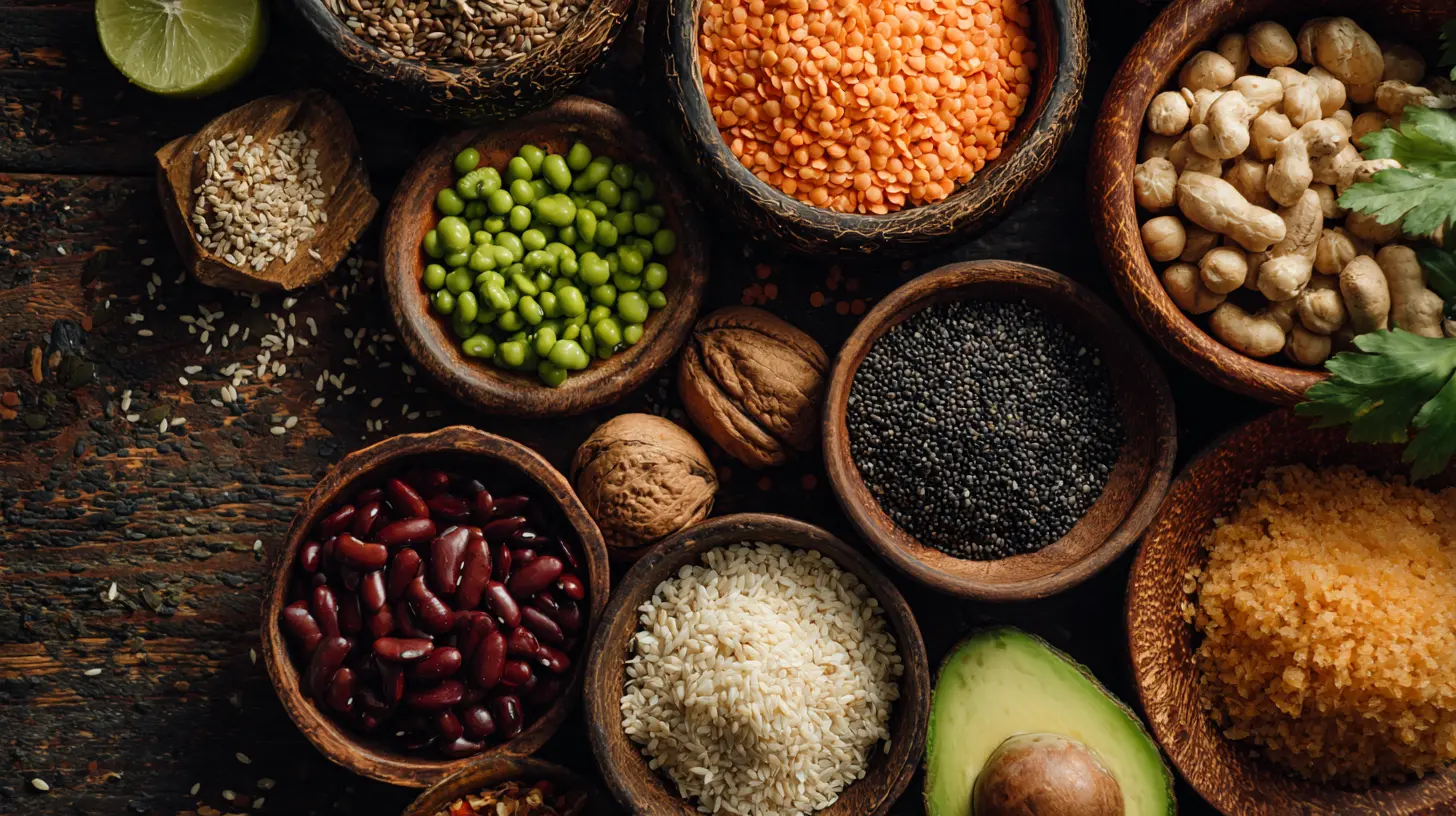
What Is a Plant-Based Diet?
A plant-based diet focuses on consuming foods primarily derived from plants, including:- Fruits
- Vegetables
- Whole grains
- Nuts and seeds
- Legumes (beans, lentils, chickpeas)
This diet limits or completely avoids animal products such as meat, dairy, and eggs. Some plant-based eaters choose to eliminate all animal products (vegans), while others may consume small amounts occasionally (vegetarians or flexitarians).
Regardless of the approach, replacing processed and animal-based foods with plant-based options provides numerous health benefits—including a lower risk of cancer. 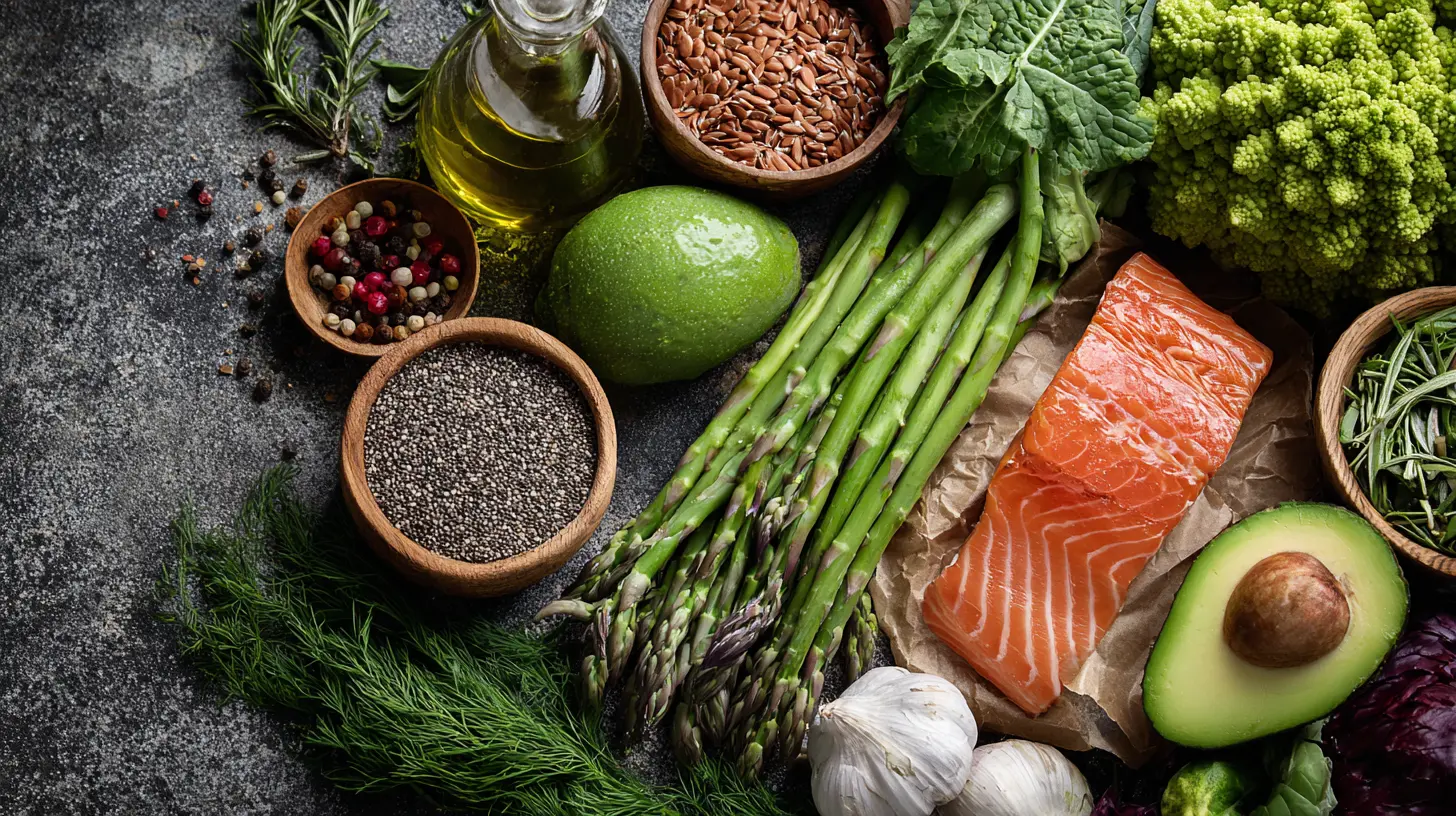
How Plant-Based Diets Reduce Cancer Risk
So, what makes plant-based diets so powerful in cancer prevention? There are several key factors:1. Rich in Antioxidants and Phytochemicals
Plant foods are packed with antioxidants—natural compounds that help combat oxidative stress and inflammation, both of which are linked to cancer.Fruits and vegetables contain phytochemicals (bioactive compounds found in plants) that help protect cells from damage. Some of the most powerful cancer-fighting phytochemicals include:
- Flavonoids (found in berries, apples, onions)
- Carotenoids (found in carrots, sweet potatoes, spinach)
- Sulforaphane (found in cruciferous vegetables like broccoli and Brussels sprouts)
These compounds help neutralize harmful free radicals in the body, reducing the risk of mutations that can lead to cancer.
2. High in Fiber, Low in Processed Foods
A plant-based diet is naturally high in fiber, which does wonders for gut health. Fiber helps keep digestion smooth, supports a healthy gut microbiome, and prevents constipation—all of which can lower the risk of colorectal cancer.Moreover, fiber binds to excess estrogen in the body and helps flush it out. Since high estrogen levels have been linked to breast cancer, a fiber-rich diet may help lower the risk.
On the other hand, processed foods, especially processed meats, have been classified as carcinogenic (cancer-causing) by organizations like the WHO (World Health Organization). By ditching processed meats and opting for whole plant foods, you’re already reducing your risk.
3. Lower in Saturated Fats and Hormones
Animal products, especially red and processed meats, contain saturated fats and hormones that may contribute to cancer development. For example:- Red meat and processed meat have been linked to an increased risk of colorectal cancer.
- Hormones in dairy may fuel the growth of hormone-sensitive cancers, such as breast and prostate cancer.
By cutting down on animal products, you decrease exposure to these potentially harmful substances, giving your body a better chance at staying healthy.
4. Supports a Healthy Immune System
A strong immune system is your body’s best defense against cancer. Plant-based diets provide essential nutrients like vitamin C, zinc, and selenium, which help strengthen immunity.Furthermore, a diet rich in plants promotes a balanced gut microbiome. Since 70% of the immune system resides in the gut, maintaining a healthy microbiome can enhance the body’s ability to fight cancer cells.
5. Helps Maintain a Healthy Weight
Obesity is a known risk factor for several types of cancer, including breast, colon, and pancreatic cancer. Eating a plant-based diet can help with weight management because:- It’s naturally lower in calories compared to diets high in animal products and processed foods.
- It’s rich in fiber, which keeps you full longer, reducing overeating.
- It promotes a healthy metabolism, reducing inflammation associated with obesity-related cancers.
By maintaining a healthy weight through a plant-based diet, you lower your overall risk of cancer. 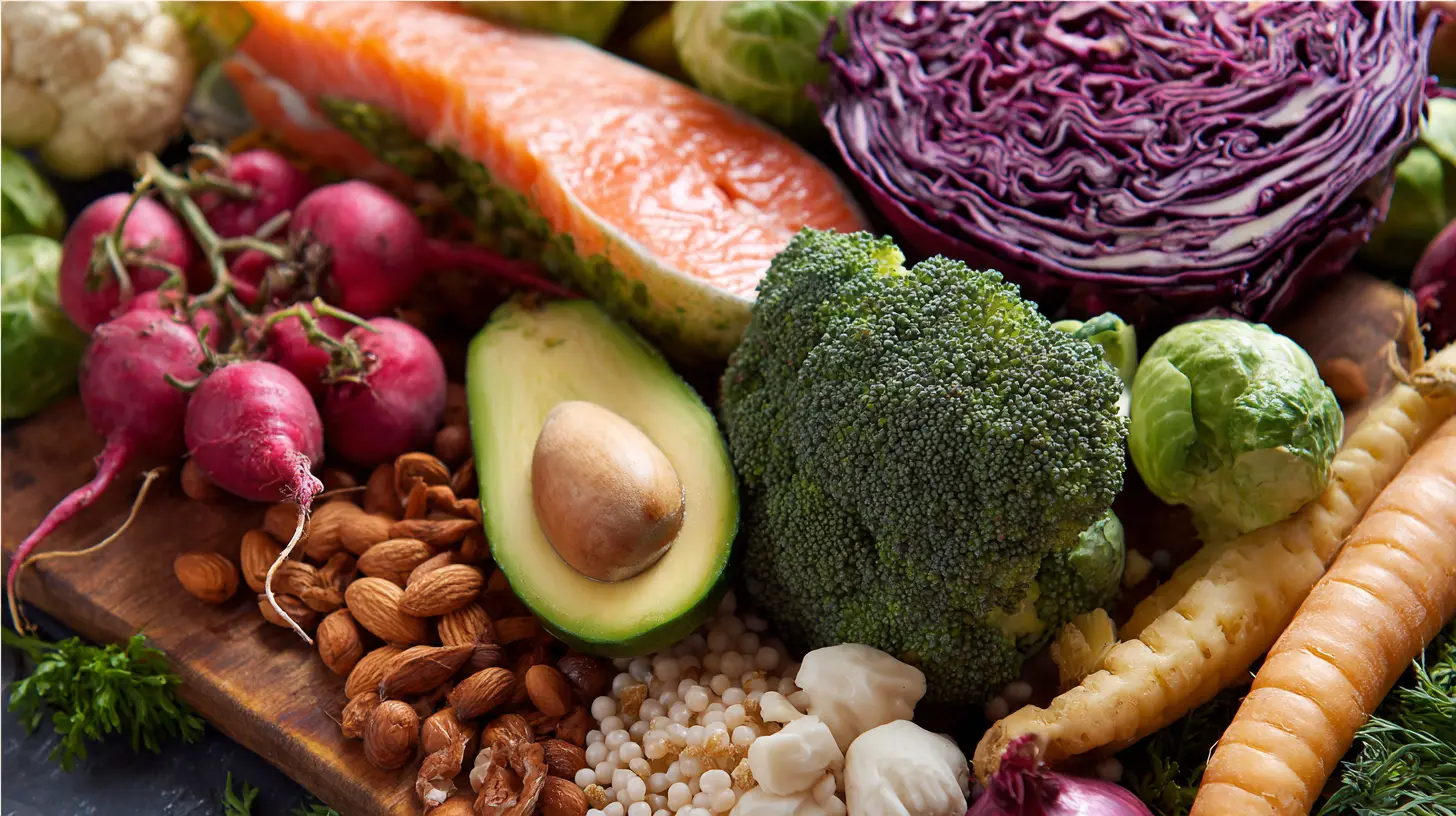
Scientific Studies Supporting Plant-Based Diets for Cancer Prevention
Research consistently supports the benefits of plant-based diets in reducing cancer risk. Here are some key findings:- A study published in JAMA Internal Medicine found that vegetarians had a 22% lower risk of colorectal cancer compared to meat eaters.
- The American Institute for Cancer Research (AICR) states that diets rich in whole, plant-based foods can prevent around one-third of all cancer cases.
- The Adventist Health Study found that vegan and vegetarian diets were linked to a lower risk of overall cancer incidence, particularly for gastrointestinal and hormone-related cancers.
These studies reinforce that what we eat plays a crucial role in cancer prevention. 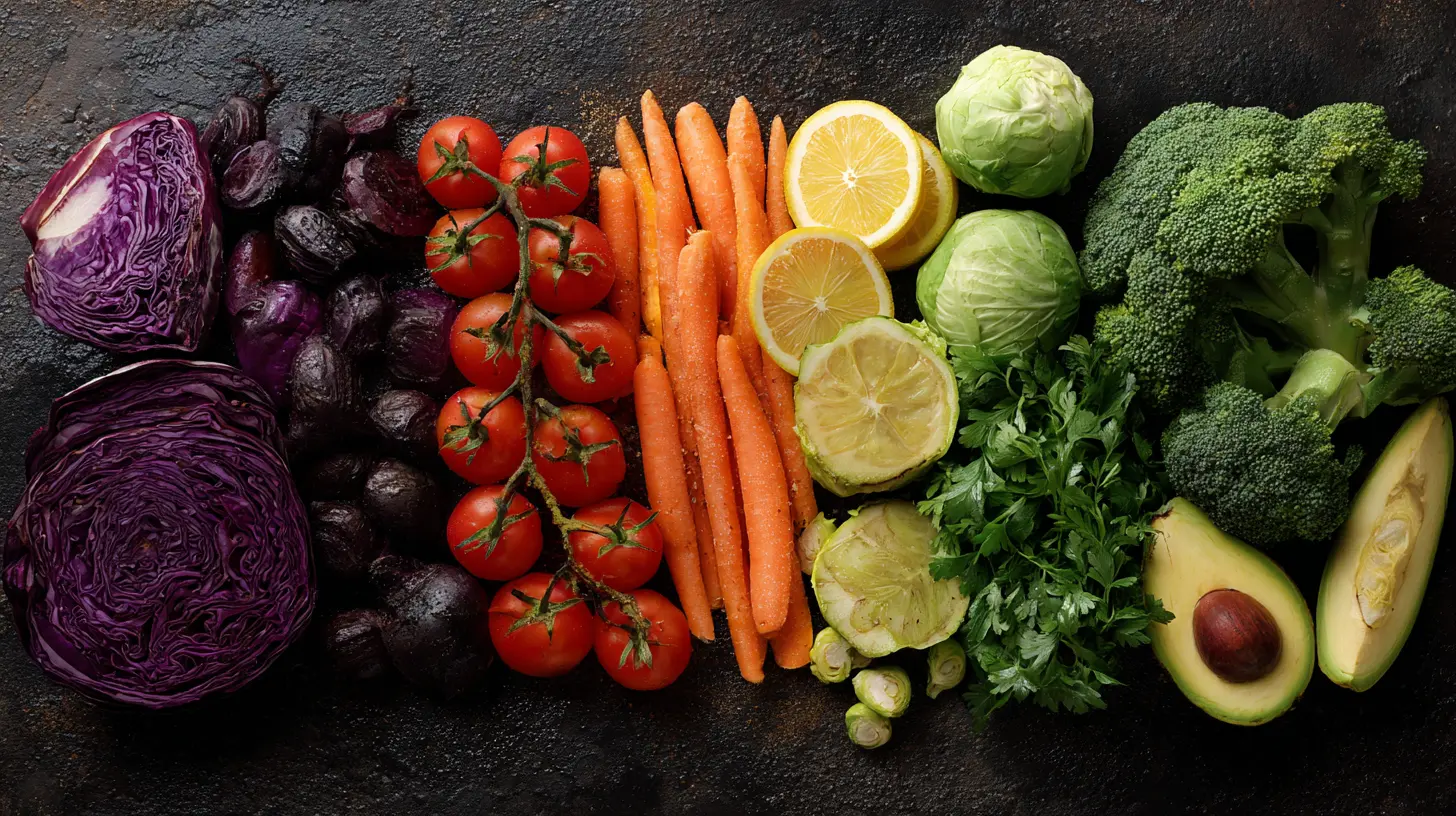
Practical Tips for Transitioning to a Plant-Based Diet
Switching to a plant-based diet doesn’t have to be overwhelming. Here are some simple steps to make the transition easier:1. Start Small
You don’t have to go fully plant-based overnight. Begin by incorporating more plant-based meals into your week, like “Meatless Mondays.”2. Focus on Whole Foods
Choose whole, unprocessed plant foods over processed vegan substitutes. Fresh fruits, vegetables, legumes, and whole grains should be the core of your diet.3. Experiment with Plant-Based Proteins
Swap animal proteins for plant-based alternatives like:- Lentils and beans
- Tofu and tempeh
- Quinoa and chickpeas
4. Stock Up on Healthy Snacks
Keep healthy plant-based snacks on hand to curb cravings, such as nuts, seeds, and fresh fruit.5. Plan Your Meals
Planning ahead ensures you have healthy plant-based options readily available, making it easier to stick to the lifestyle.Common Myths About Plant-Based Diets and Cancer
"You Won’t Get Enough Protein"
Many people worry that cutting out meat means missing out on protein, but plant-based sources like beans, lentils, tofu, and quinoa provide plenty of protein. In fact, most people already get more than the daily recommended protein intake!"Plant-Based Diets Are Too Expensive"
While specialty vegan products can be pricey, whole plant foods like rice, beans, and vegetables are often much cheaper than meat and processed foods."You Need Dairy for Calcium"
Leafy greens, almonds, tofu, and fortified plant milks offer plenty of calcium without the added hormones found in dairy.Final Thoughts
The link between a plant-based diet and a lower risk of cancer is backed by both science and real-world evidence. By focusing on nutrient-rich, plant-based foods, you can strengthen your immune system, maintain a healthy weight, and reduce exposure to harmful substances—all while enjoying delicious and satisfying meals.If preventing cancer is a priority, making small, gradual changes toward a plant-based diet could be one of the best health decisions you’ll ever make. So why not start today? Your body (and future self) will thank you for it!
all images in this post were generated using AI tools
Category:
Plant Based DietAuthor:

Tiffany Foster
Discussion
rate this article
2 comments
Anastasia Riggs
Who knew broccoli and kale could be superheroes in disguise? Swapping burgers for beans might just be the tastiest way to level up your health game. Let's cheer for those plant-powered cancer-fighting greens!
June 22, 2026 at 4:54 AM
Tiffany Foster
Absolutely! Broccoli and kale are packed with nutrients that can really boost health. Swapping in more plant-based foods is a fun and delicious way to support wellness. Cheers to those greens!
Theo Brown
Sure, ditch the meat if you want to dance with longevity. Plant power isn't just trendy; it's a tasty armor against cancer. So grab those greens and let your health rebel against the old food rules... Enjoy!
May 8, 2026 at 2:40 PM
Tiffany Foster
Thanks for your thoughts! Embracing plant-based foods truly can be a delicious step toward better health. Enjoy those greens!