The Importance of Play for Healthy Child Development
20 August 2026
Play isn’t just fun and games—it’s the foundation of a child’s growth and development. From running around on the playground to engaging in imaginative role-playing, play shapes a child's physical, cognitive, social, and emotional well-being. But with the rise of screen time and increasingly structured schedules, are kids getting enough time to simply play?
In this article, we’ll dive deep into why play is crucial for healthy child development and how it impacts various aspects of a child’s life.

Why Is Play So Important for Kids?
Think of play as a child's full-time job. It’s during these moments of unstructured exploration that they learn about the world, test boundaries, and develop essential life skills. Without play, kids miss out on crucial opportunities to grow physically, mentally, and emotionally.Here’s why play should never be overlooked in a child’s daily routine.
Physical Benefits of Play
Kids aren’t meant to sit still for too long. Play, especially outdoor and active play, plays a huge role in their physical health.1. Strengthens Motor Skills
Whether it’s climbing a jungle gym or kicking a soccer ball, play helps develop gross and fine motor skills. Running, jumping, and balancing enhance coordination, while activities like drawing or playing with small objects improve dexterity.2. Encourages a Healthy Lifestyle
An active child is more likely to grow into an active adult. Physical play contributes to healthy weight management, cardiovascular fitness, and strong bones and muscles. Given the rising concerns about childhood obesity, play is an easy and natural way to keep kids moving.3. Supports Brain Development
It’s not just the body that benefits—physical activity boosts brain function too! Activities like dancing, playing tag, or riding a bike improve cognitive development by increasing blood flow to the brain, helping with focus, memory, and problem-solving skills.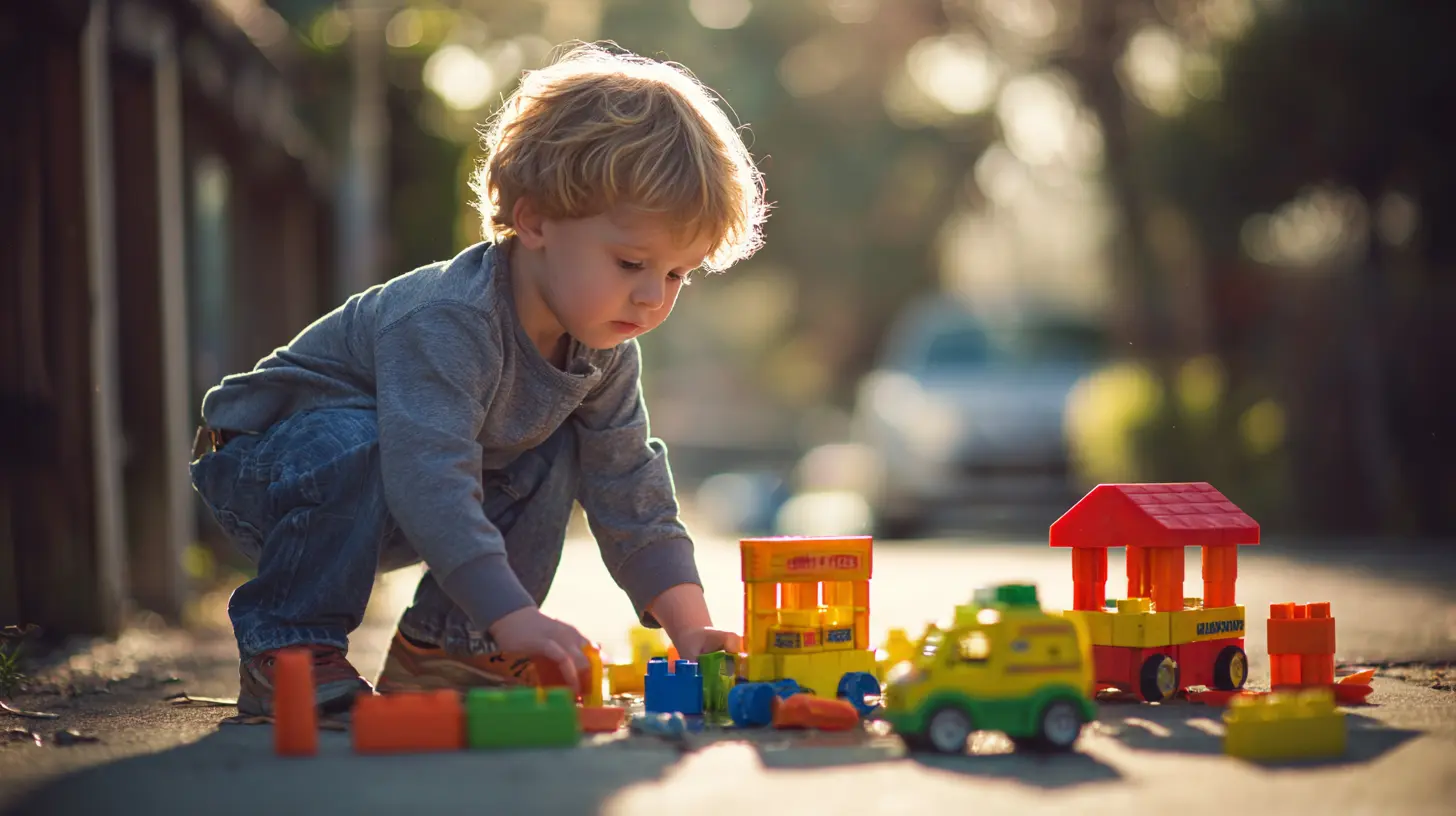
Cognitive Development Through Play
Play is a natural way for children to explore ideas, practice problem-solving, and develop intelligence.1. Enhances Creativity and Imagination
Ever watched a child turn a cardboard box into a spaceship? That’s creativity at work! Pretend play helps children develop innovative thinking, which is essential for problem-solving and decision-making later in life.2. Improves Problem-Solving Skills
Board games, puzzles, and building blocks challenge kids to think critically and come up with solutions. These activities help them learn patience, adaptability, and perseverance—key skills they’ll use throughout life.3. Boosts Language and Communication
From chatting with friends during a pretend tea party to explaining rules in a game, play strengthens a child’s vocabulary and communication skills. Engaging in play with peers or adults helps them learn how to express their thoughts effectively.
Social and Emotional Development
Playing with others teaches kids vital social skills that they’ll carry into adulthood.1. Develops Emotional Regulation
Children experience a range of emotions during play—excitement, frustration, joy, and disappointment. Play teaches them how to manage these emotions, whether it’s coping with losing a game or dealing with a friend who won’t share.2. Encourages Cooperation and Teamwork
Group play, like team sports or board games, teaches kids about collaboration and fair play. They learn to negotiate, take turns, and work together—skills that are fundamental for forming healthy relationships later in life.3. Builds Confidence and Independence
Play allows children to take risks in a safe environment. Whether they’re attempting a tricky puzzle or learning to ride a bike, overcoming small challenges boosts their confidence and fosters a sense of independence.The Different Types of Play and Their Benefits
Not all play is the same. Each type serves a different purpose in child development.1. Free Play
Unstructured, child-led play is crucial. This could be anything from making up stories with dolls to running around in the backyard. Free play fosters creativity, decision-making, and emotional resilience.2. Physical Play
Activities like running, jumping, and climbing develop physical strength and coordination. It also burns off energy, helping kids sleep better and stay focused during school.3. Social Play
Group play, like role-playing games or team sports, helps develop communication, cooperation, and conflict resolution skills. This form of play lays the groundwork for healthy social interactions.4. Constructive Play
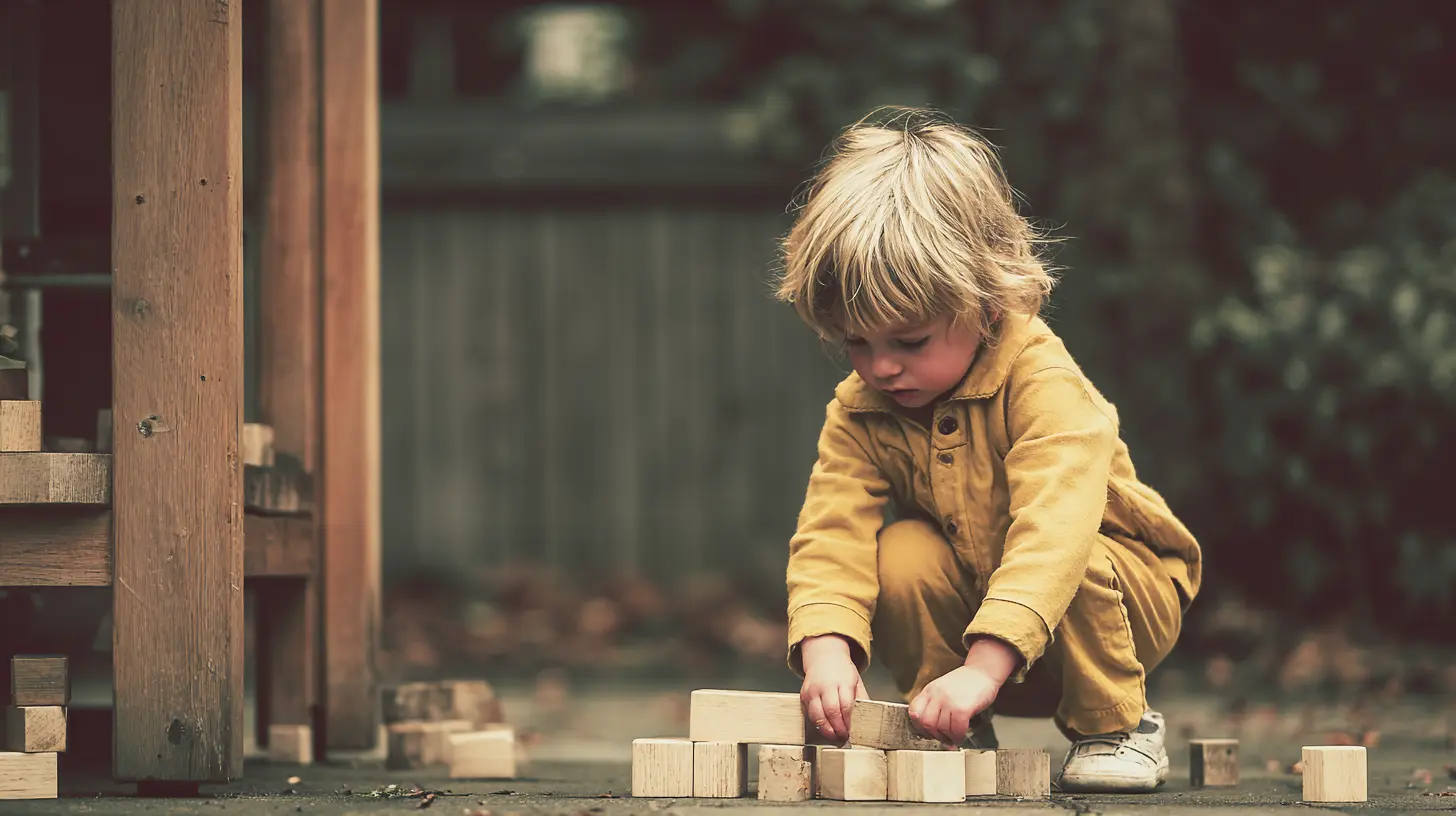
Building with blocks, assembling puzzles, or creating crafts helps children improve fine motor skills, problem-solving abilities, and cognitive flexibility.5. Imaginative Play
Dress-up games, pretend kitchens, and fantasy scenarios strengthen creativity while helping children explore emotions and social roles in a safe environment.
How Modern Lifestyles Affect Playtime
With screens becoming a dominant part of everyday life, children are spending less time playing outdoors and more time glued to devices. While technology has its benefits, excessive screen time can limit opportunities for meaningful play.1. Overscheduled Lives
Many children have packed schedules filled with school, homework, and extracurricular activities, leaving little room for unstructured play. Parents should strive to balance structured learning with free playtime.2. Increased Screen Time
TVs, tablets, and smartphones have replaced much of the free play that previous generations enjoyed. While educational apps can be beneficial, they shouldn’t take the place of hands-on, active play.3. Safety Concerns
With growing concerns about safety, many parents limit outdoor play. While these concerns are valid, supervised outdoor play or creating safe play spaces can allow children to reap the benefits of active play.Encouraging More Play in Your Child’s Daily Life
If play has taken a backseat in your child’s life, it’s time to make it a priority. Here’s how you can encourage more playtime:1. Create a Play-Friendly Environment
Stock your home with toys, art supplies, and games that promote active and imaginative play. A simple basket of building blocks or a coloring book can go a long way.2. Limit Screen Time
Set boundaries for screen use. Encourage alternative activities like outdoor adventures, board games, or reading.3. Schedule Unstructured Playtime
Give kids time for free play daily. While extracurricular activities are great, children also need downtime to explore and create on their own terms.4. Get Involved
Engage in play with your child. Whether it’s a puzzle, a game of catch, or pretend play, your participation makes the experience even richer for them.5. Encourage Outdoor Play
Fresh air and movement are essential. Trips to the park, nature walks, or simply playing in the backyard can do wonders for a child’s physical and mental health.
Conclusion
Play isn’t just an activity—it’s a necessity. It fuels creativity, strengthens the body, sharpens the mind, and nurtures emotional well-being. In a world that often prioritizes academics and structured activities, it’s essential to remember that play is just as important as any lesson learned in school.By ensuring that children have plenty of opportunities for play, we’re not just letting them have fun—we’re shaping a generation of healthier, happier, and more well-rounded individuals.
all images in this post were generated using AI tools
Category:
Childrens HealthAuthor:

Tiffany Foster