The Importance of Iron-Rich Foods in Your Child’s Diet
14 June 2026
Iron might not seem like the flashiest nutrient out there, but when it comes to your child’s health, it’s kind of a superhero. Seriously—this tiny mineral plays a massive role in keeping your kid energized, focused, and growing like a champ.
Yet, many parents aren’t fully aware of how much iron their child really needs—or how to make sure they’re getting enough of it. If your kiddo is constantly tired, moody, or even struggling in school, low iron could be the sneaky culprit.
Don’t worry, though. We’re going to break this all down in plain English, one bite at a time. So grab a snack (maybe something iron-rich?) and let's dive into why this mineral matters so much—especially for your growing little human.
What Exactly Does Iron Do in the Body?
Think of iron as the delivery truck for oxygen. It's a critical part of hemoglobin—the stuff in red blood cells that carries oxygen from the lungs to every nook and cranny of the body.No iron? No oxygen delivery. And that means no energy, sluggish brain function, and a body that just can’t run the way it's supposed to.
But iron isn’t just a one-trick pony. It also:
- Supports brain development, especially in young children
- Helps muscles store and use oxygen
- Boosts the immune system
- Reduces the risk of infections
Pretty impressive for one little mineral, right?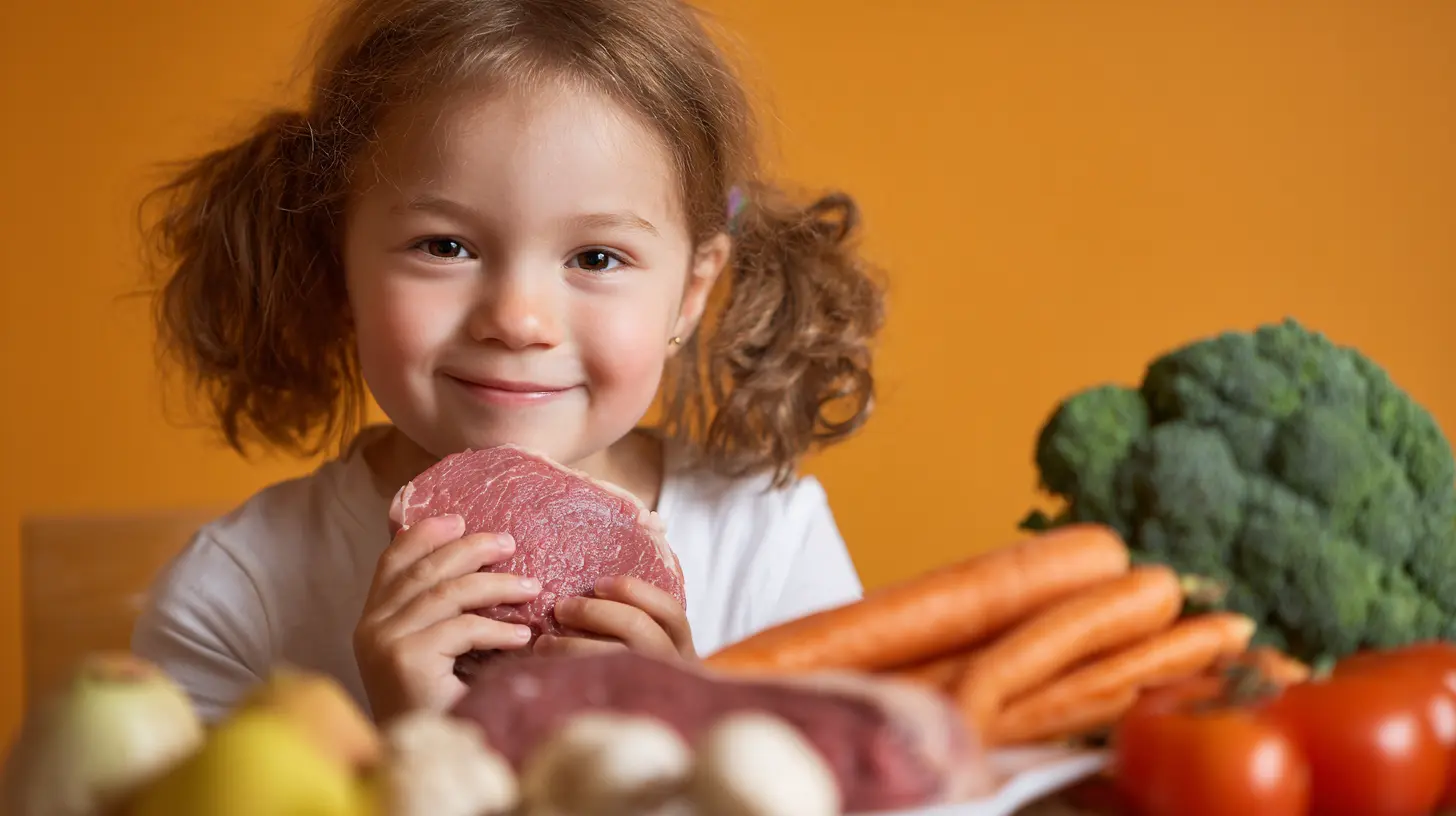
Why Kids Need More Iron Than You’d Think
Here’s the thing: kids are constantly growing—and fast. Their bodies are building new blood, muscle, and brain connections all the time. That kind of development is like a construction site that never closes, and iron is one of the key materials needed to keep it all running.From ages 6 months to adolescence, children go through rapid growth spurts. Their need for iron spikes during these periods more than at any other time in life (except maybe pregnancy).
Unfortunately, a lot of kids aren’t getting enough iron—especially picky eaters or those on vegetarian or dairy-heavy diets. Iron deficiency is one of the most common nutrition issues in children, and it can lead to iron-deficiency anemia, which is basically your body waving a red flag saying, “Hey! We’re running on empty over here!”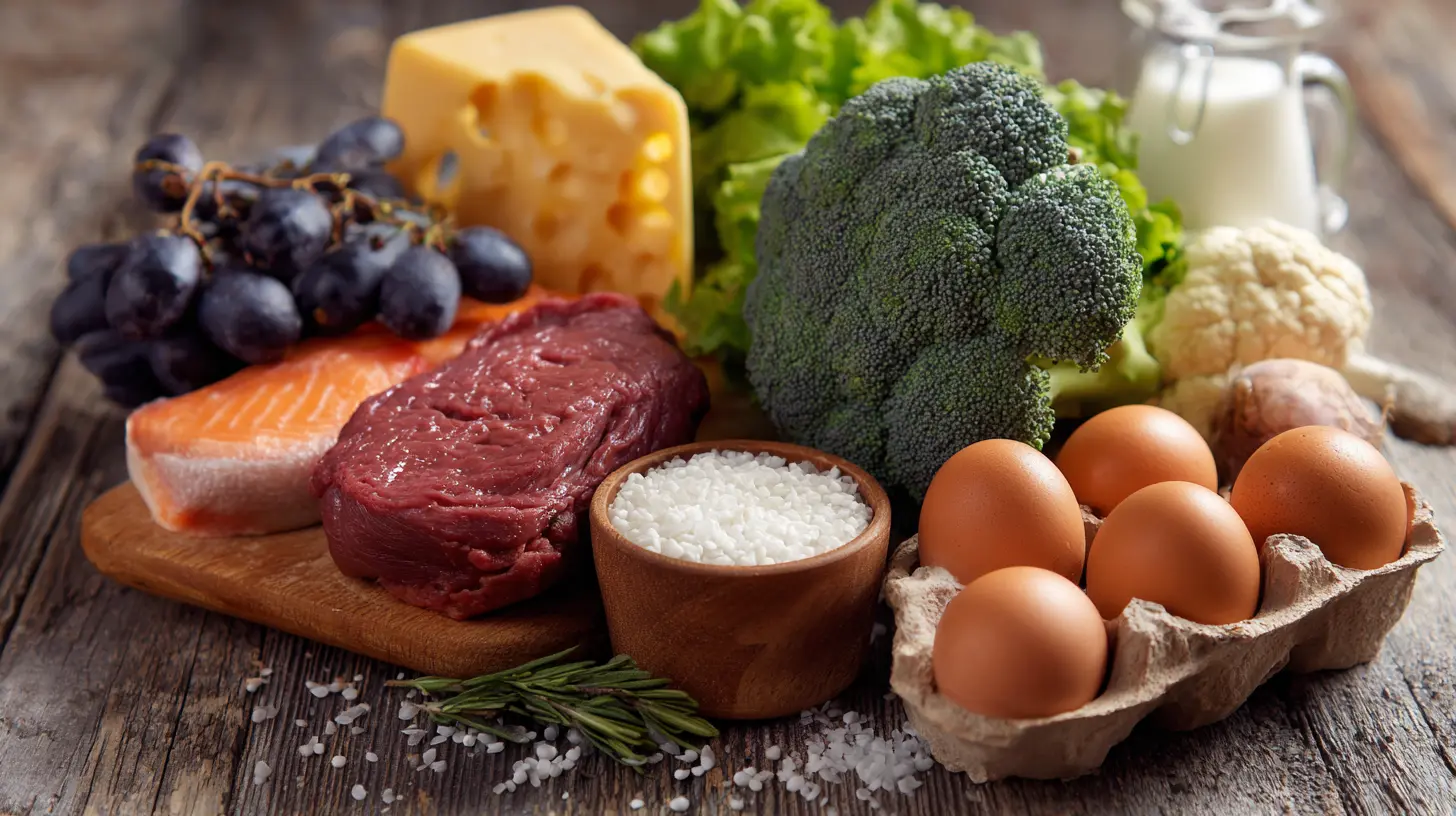
Signs Your Child Might Be Low on Iron
Sometimes, iron deficiency creeps in quietly. You might not even notice at first. But if you’re seeing any of these signs, it could be time for a closer look:- Fatigue or low energy, even after a good night’s sleep
- Pale skin, especially around the face or inside of eyelids
- Poor concentration or trouble in school
- Shortness of breath during play
- Crankiness or mood swings
- Cold hands and feet
- Slow weight gain or growth
If you're nodding right now thinking, "Yep, that sounds familiar," it might be worth a trip to the pediatrician. Simple blood tests can usually detect low iron levels.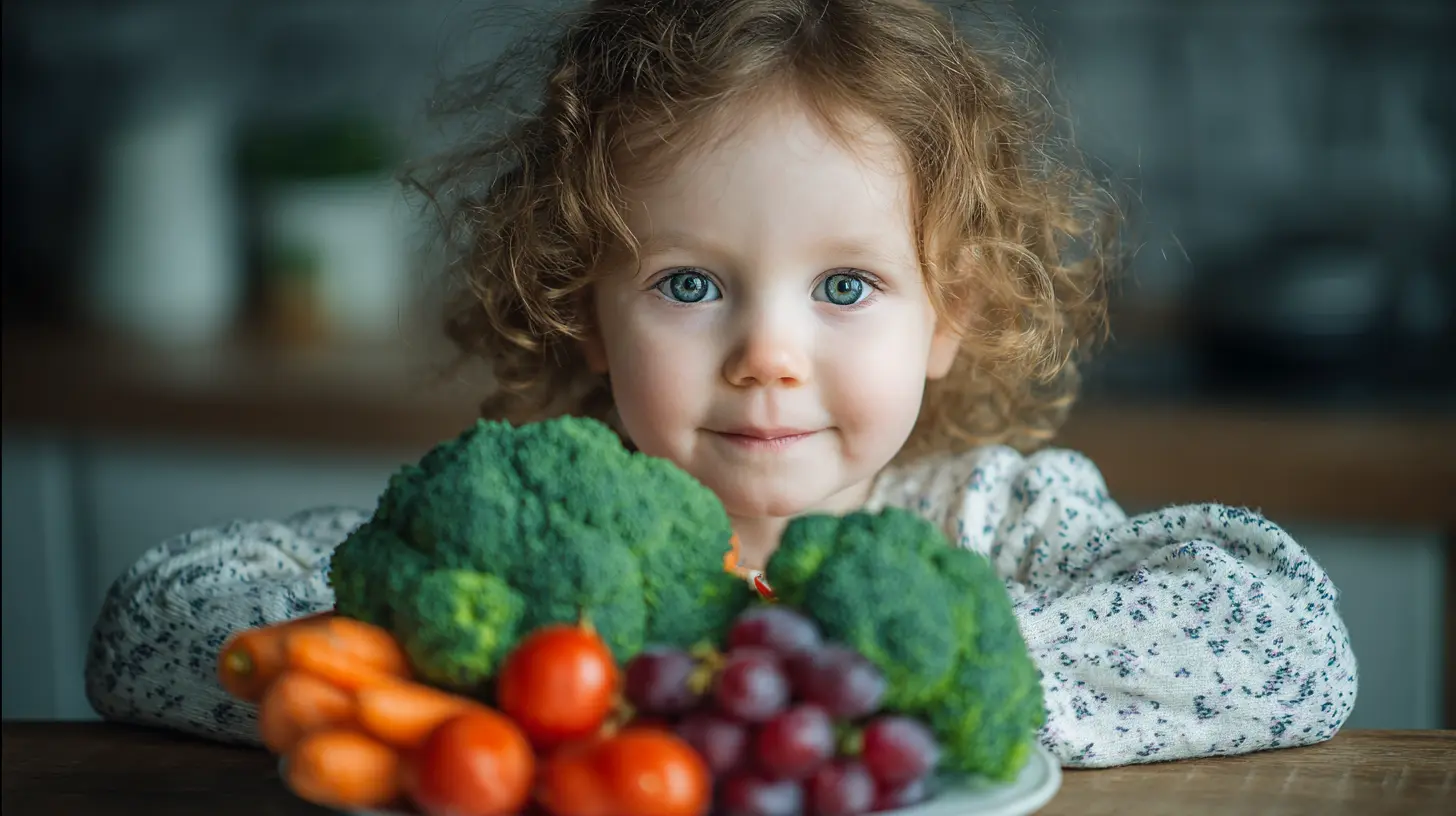
The Two Types of Iron (And Why That Matters)
Here’s where it gets a little sciencey—but hang with me, because it’s important.There are two types of iron you’ll find in foods:
1. Heme Iron: Comes from animal sources like meat, poultry, and fish. It’s more easily absorbed by the body (think: VIP access).
2. Non-Heme Iron: Found in plant-based foods like beans, leafy greens, and fortified cereals. Still good, but not absorbed as efficiently (like waiting in line at the DMV).
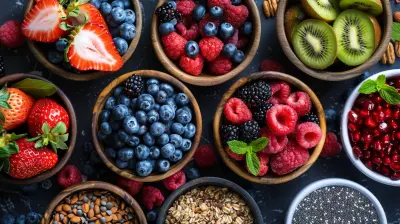
If your child doesn’t eat meat, don’t panic. You can still totally meet their iron needs with plant-based foods—you just have to be a bit more strategic. Pairing non-heme iron with vitamin C-rich foods (like oranges, strawberries, or bell peppers) helps your kiddo’s body absorb it better. It’s like giving that DMV line a fast-pass.
Top Iron-Rich Foods for Kids
Alright, let’s get to the practical stuff. What should you actually be feeding your child to boost their iron intake?Animal Sources (Heme Iron):
- Beef: Ground beef, steak, or meatballs = iron goldmine.- Chicken and Turkey: Especially dark meat (legs and thighs).
- Liver: A hard sell for kids, but super rich in iron if you can sneak it in.
- Fish (like tuna, salmon, and sardines): Bonus points for omega-3s, too!
- Egg yolks: Scramble them, fry them—just don’t skip the yellow part.
Plant-Based Sources (Non-Heme Iron):
- Lentils and beans: Kidney, black, chickpeas—you name it.- Tofu and tempeh: Great for vegetarians and super versatile.
- Spinach and kale: Toss into smoothies or bake into chips.
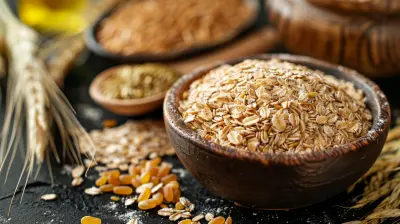
- Fortified cereals: Look for ones with 90-100% of daily value for iron.
- Pumpkin seeds and sunflower seeds: Great as a lunchbox snack.
- Quinoa and oatmeal: Add fruit for a perfect iron-C combo.
- Molasses: Just a spoonful in oatmeal can add a nice iron kick.
Don't forget to mix and match! A bowl of fortified cereal with strawberries, or beans with some tomato salsa, can go a long way.
How Much Iron Does Your Child Need?
This depends on their age. Here’s a quick cheat sheet:- 7–12 months: 11 mg/day
- 1–3 years: 7 mg/day
- 4–8 years: 10 mg/day
- 9–13 years: 8 mg/day
- 14–18 years (girls): 15 mg/day
- 14–18 years (boys): 11 mg/day
Teen girls need more because of menstruation—yep, Mother Nature kicks in that early.
Tips to Boost Iron Absorption Naturally
Okay, you’re feeding your child iron-rich foods—awesome! But are they actually absorbing it? Try these tips to make the most of every bite:- Pair iron with vitamin C. Like we said earlier, it’s a game-changer for absorption. Add strawberries, oranges, bell peppers, or tomatoes to meals.
- Avoid calcium-rich foods right before or after iron-heavy meals. Dairy is great, but it can block iron absorption. Maybe don’t pair a tall glass of milk with an iron-packed dinner.
- Use cast-iron cookware. Believe it or not, cooking in a cast-iron skillet can actually increase the iron content of the food. Pretty cool, right?
- Go slow on caffeine. Teenage kids who sip on tea or soda? Those drinks can interfere with iron absorption too.
What About Iron Supplements?
Sometimes, food alone isn’t enough—especially if your child is already low on iron. In those cases, your pediatrician might recommend a supplement.But here’s the deal: Don’t start one unless a doctor tells you to. Too much iron can be harmful, and the dosages for kids are super specific. Always check with a healthcare provider first.
Making Iron Fun (Yes, It’s Possible!)
We get it—telling a toddler that spinach is good for their blood isn’t exactly going to win you dinnertime points. But there are creative ways to make iron-rich foods more appealing:- Iron Smoothies: Blend spinach with berries and a banana. Call it a “superhero shake.”
- Meatball Muffins: Bake mini meatballs in muffin tins and serve with fun toothpicks.
- Iron Snack Boards: Make a fun little bento box with dried apricots, pumpkin seeds, turkey slices, and baby carrots.
- Cookie Cutter Sandwiches: Use whole grain bread with egg salad or turkey and cut into shapes.
Food is more fun when it doesn’t look like work!
Wrapping It All Up
Iron might not get the same love as protein or calcium, but trust me—it’s just as essential, if not more so during your child’s growing years. Without enough of it, your kid’s energy, focus, and even immune system can take a major hit.The good news? With a little planning (and maybe a cast-iron skillet), it’s totally doable to pack your child’s meals with the iron they need. Whether your kid is a meat lover, a veggie enthusiast, or a picky eater who survives on peanut butter and cereal, there’s a path to healthy iron levels that fits your family.
So next time you're prepping a snack or dinner, ask yourself: Is there a little iron in here? Your child’s body (and brain!) will totally thank you.
all images in this post were generated using AI tools
Category:
Childrens HealthAuthor:

Tiffany Foster
Discussion
rate this article
1 comments
Mia McGrady
While iron is crucial for development, parents should prioritize balanced meals. Relying solely on iron-rich foods may overlook other essential nutrients that support overall health.
June 14, 2026 at 4:12 AM