The Impact of Social Media on Mental Health: What You Need to Know
19 July 2026
Let’s be real for a sec — social media is like that friend we love and hate at the same time. It’s there when we want to laugh at memes, catch up with friends, or binge scroll through those oddly satisfying videos. But it’s also the very thing that can make us feel down, anxious, and, let’s be honest, sometimes not good enough.
Yep, we're talking about the love-hate relationship between social media and mental health. Whether it's Instagram, TikTok, Twitter, or Facebook, what starts as casual scrolling often spirals into a self-comparison trap or an overwhelming sense of FOMO (fear of missing out).
So what is the real impact of social media on our mental health? Let’s break it down — no jargon, no sugar-coating — just honest talk about what’s going on behind the screen.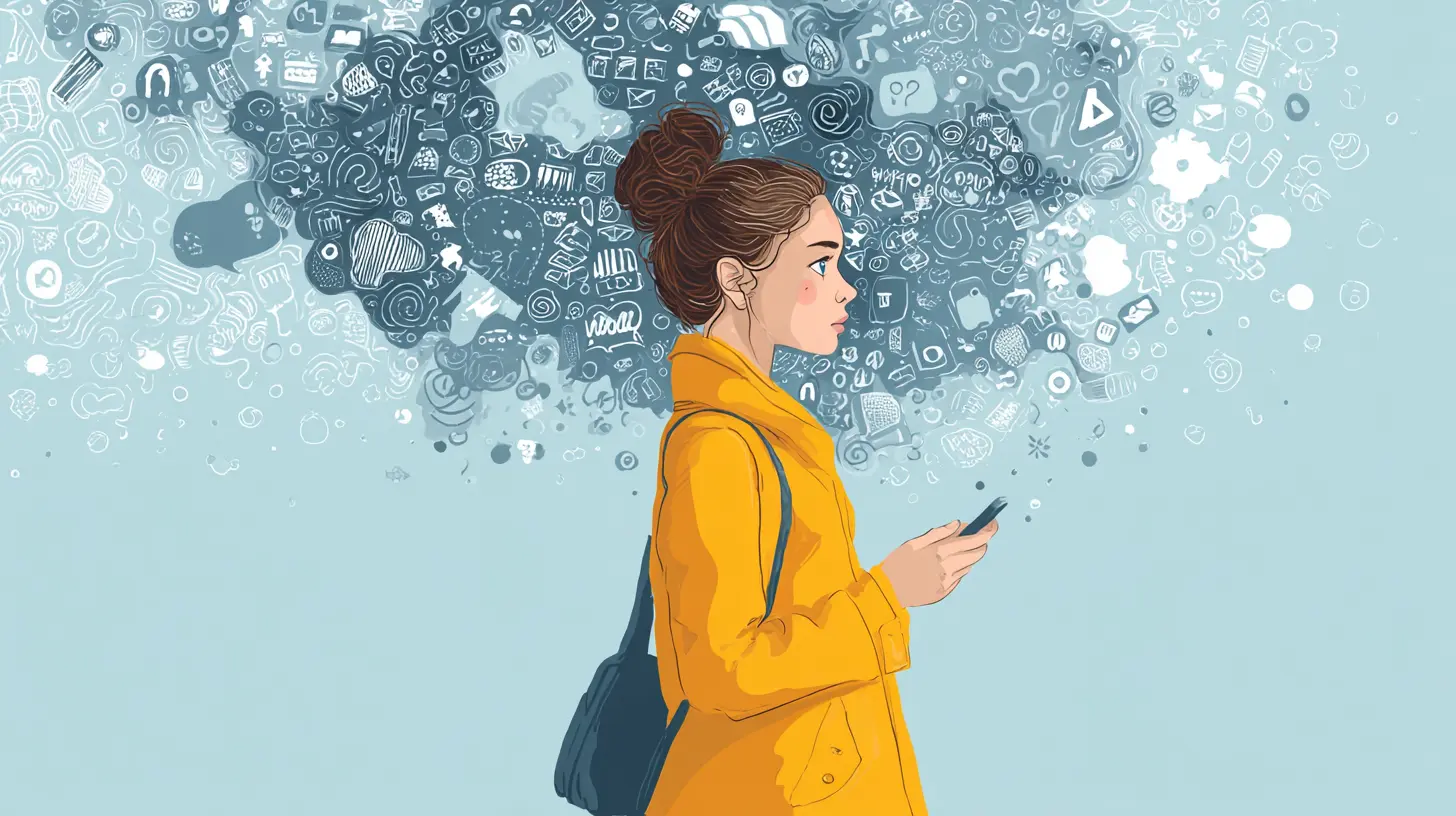
How Does Social Media Really Affect Us?
Let’s face it: most of us scroll through social media like it's second nature. Wake up, check your phone. Waiting for the bus? Scroll. At lunch? Scroll. Before bed? Scroll again.And while there’s nothing inherently wrong with using social media, it’s not just about the cute puppy videos or the TikTok dances. Behind that screen time, real psychological effects are taking place.
1. The Comparison Game
Ever catch yourself looking at someone’s perfectly curated profile and thinking, “Why isn’t my life like that?” Yeah, you’re not alone.Social media platforms are highlight reels. People share their best moments — the filtered vacations, the perfect selfies, the career wins. What you don’t see? The mess behind the scenes. The bad days. The tears. The failures.
This constant exposure can seriously mess with your self-esteem. It creates unrealistic standards and sets you up for a never-ending cycle of comparison that leaves you feeling... not enough.
2. Anxiety and Depression on the Rise
Multiple studies have found a strong link between high social media usage and symptoms of anxiety and depression — especially in teens and young adults. It’s not just about being online; it’s about how we feel while we're there.Think about it: doomscrolling through bad news, feeling left out of events, or stressing over likes and comments... it's like inviting anxiety to pull up a chair and stay awhile.
And when those feelings of loneliness or isolation hit, it’s easy to fall deeper into the feed, thinking it’ll help — but really, it just creates a vicious loop.
3. The Fear of Missing Out (FOMO)
Let’s talk about FOMO — that nagging feeling that everyone else is living their best life while you’re stuck in bed with leftovers. Social media magnifies this big time.Seeing constant updates of parties, vacations, or major life milestones can make you feel like you're falling behind. And guess what — that can lead to increased stress, jealousy, and even burnout from trying to "catch up."
4. Sleep? What Sleep?
Raise your hand if you’ve ever stayed up late scrolling through Instagram reels saying “just one more”… and suddenly it's 2 a.m. Yep, guilty as charged.Blue light from screens messes with your circadian rhythm — that natural body clock that tells you when to sleep. Less sleep = mood swings, irritability, and poor mental focus. Not exactly a recipe for mental wellness.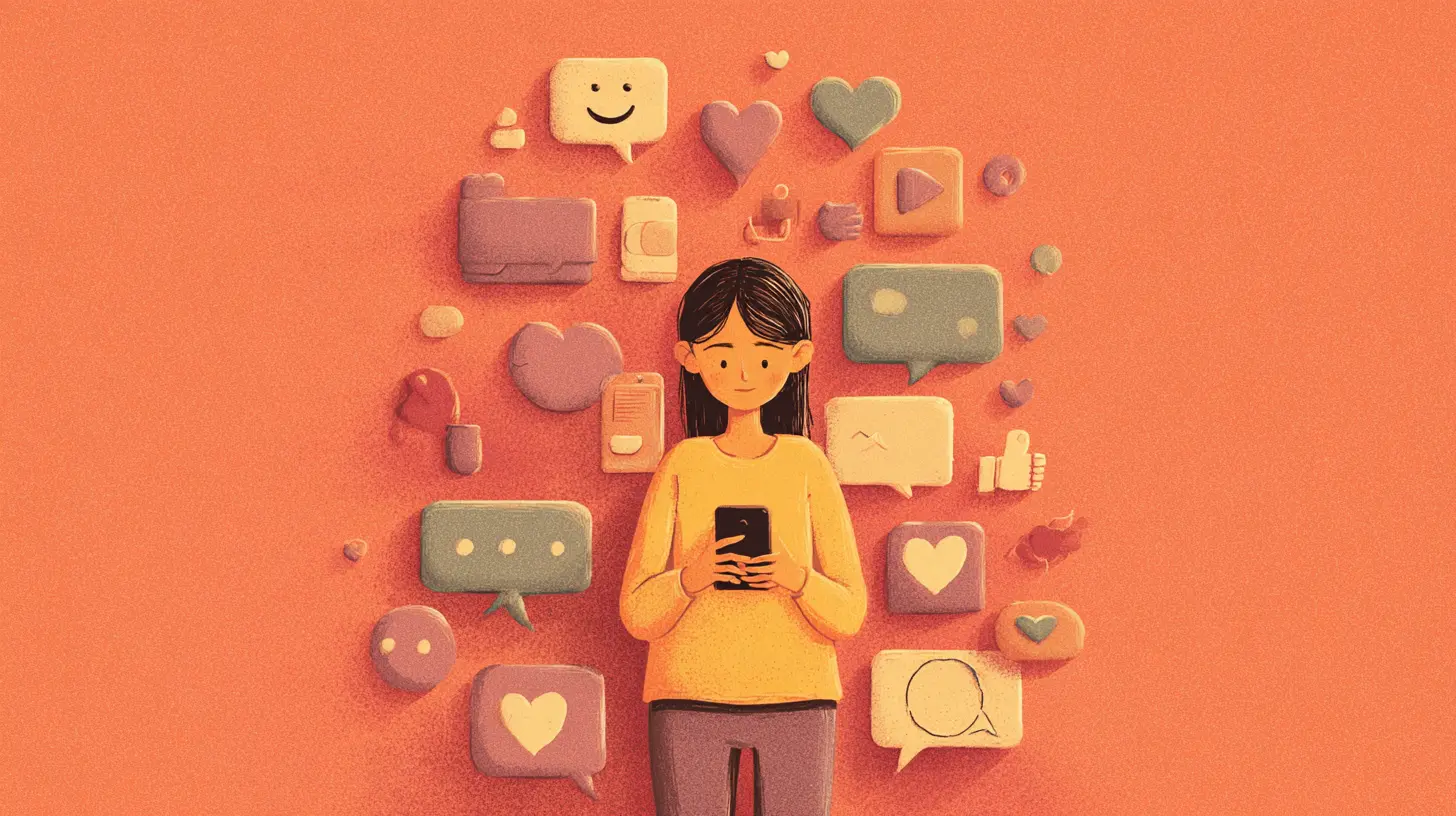
The Positive Side of Social Media (Yes, There Is One!)
Okay, let’s not pretend social media is all bad. It’s not the villain here — it's more like a double-edged sword. If used mindfully, it can actually help your mental health in a few surprising ways.1. Building Real Connections
For many, especially those with social anxiety or who live far from loved ones, social media can be a lifeline. It makes it easier to stay in touch, find support groups, or connect with people who share your interests.Communities built around wellness, hobbies, or even mental health awareness can offer a sense of belonging and comfort — and that’s huge.
2. Finding Your Voice
Social media has given people a space to speak up, share their stories, and break down stigma — especially around difficult topics like depression, anxiety, or trauma. That kind of visibility and authenticity can create powerful shifts in how people see themselves and others.Knowing you're not alone? That can be a game-changer.
3. Access to Resources and Support
From mental health tips to full-blown therapy apps promoted on platforms, there’s a wealth of information out there. Social media has made mental health conversations more mainstream, and that’s a step in the right direction.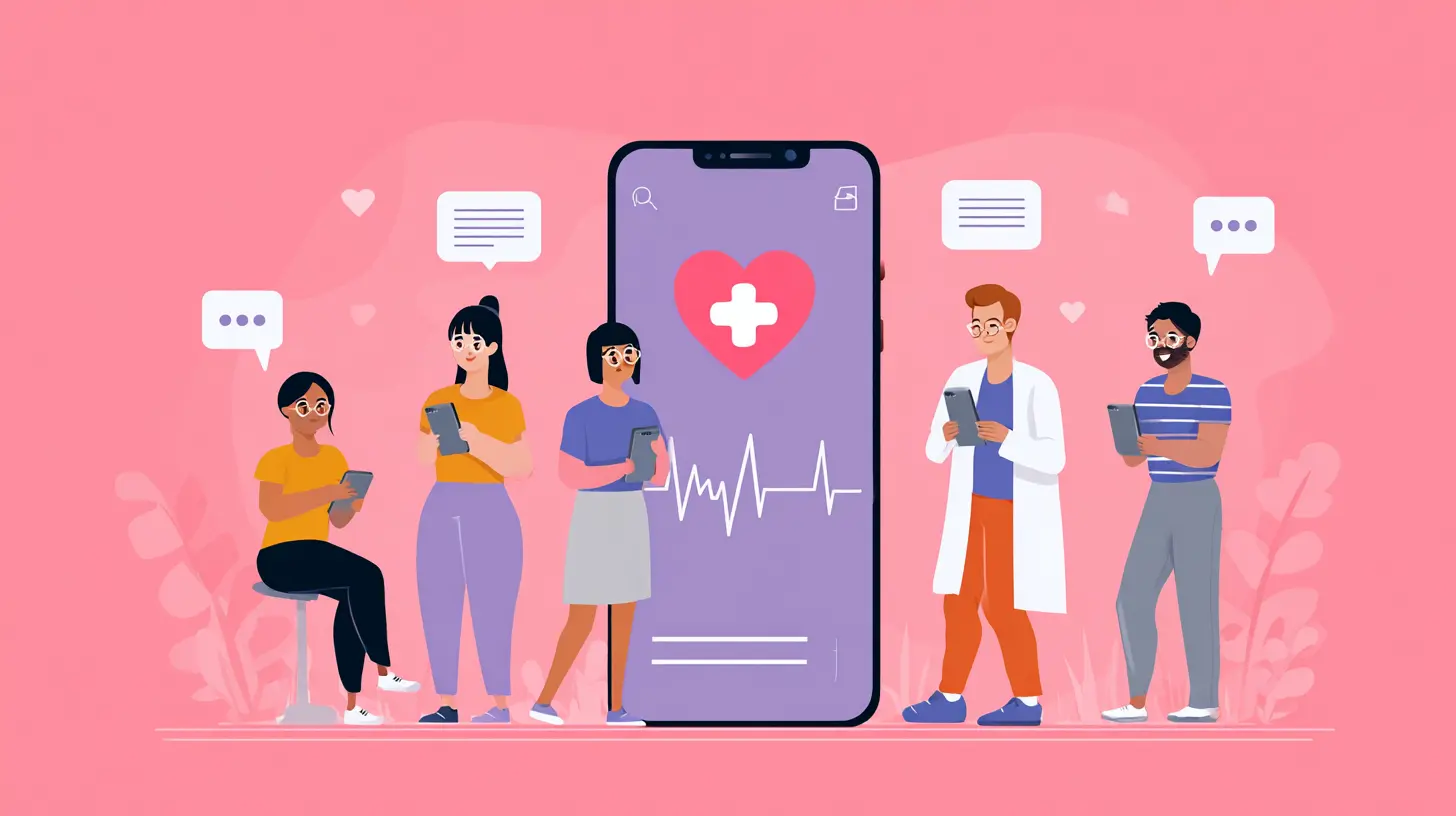
Signs Social Media Might Be Hurting Your Mental Health
So how do you know if it’s time to take a step back? Pay attention to these red flags:- You feel more anxious or down after using it
- You’re constantly comparing yourself to others
- You can’t stop checking for likes or comments
- You’re spending hours scrolling without realizing
- You’re losing sleep to screen time
- You feel disconnected from real life
If any of those hit close to home, don’t panic. The first step is just acknowledging it. Because once you know what’s affecting your mental health, you can actually do something about it.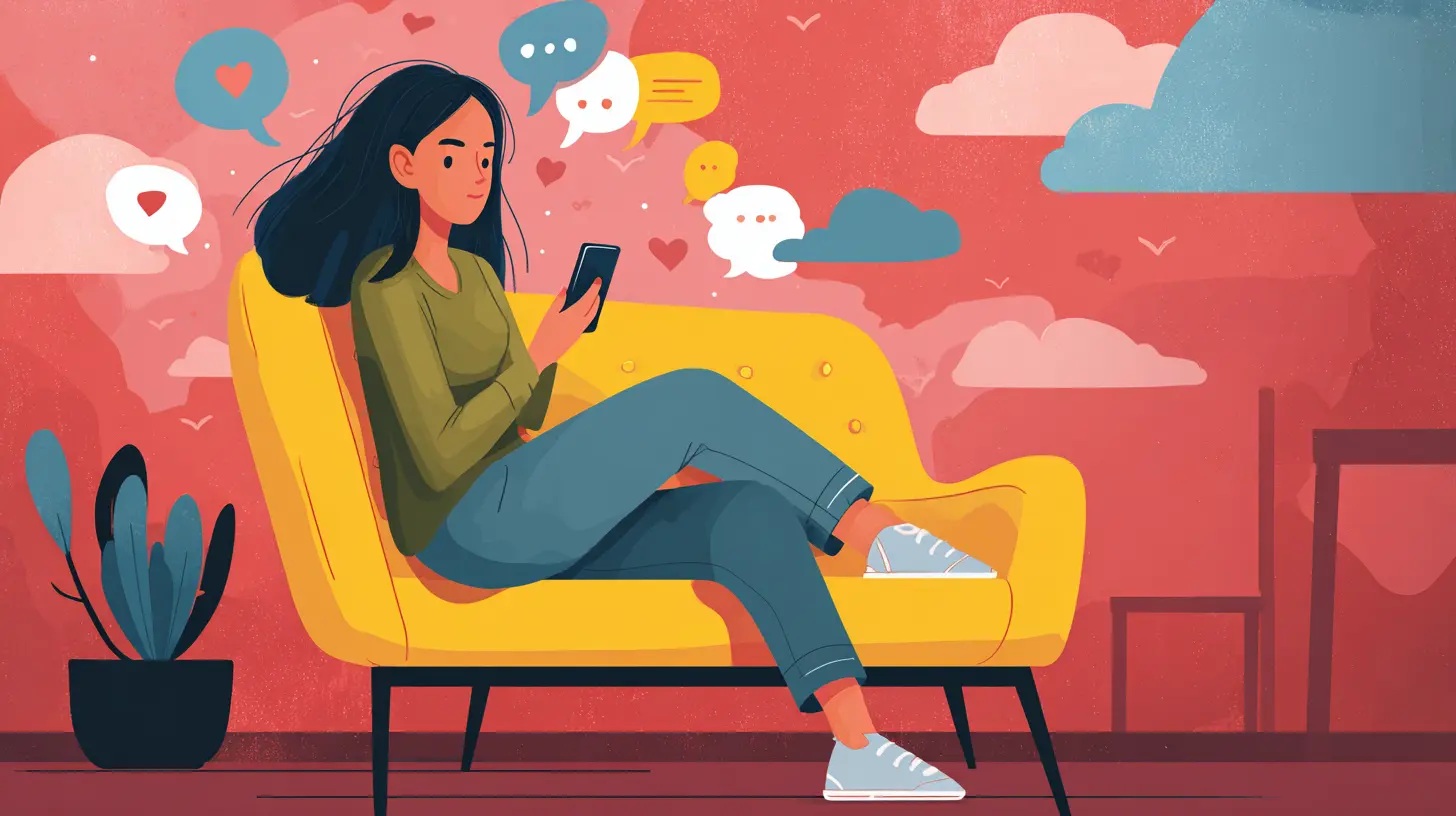
Practical Tips to Create a Healthier Relationship with Social Media
Alright, let’s talk solutions. Social media doesn’t have to rule your life. Here are some actionable steps to help you keep your head above digital water:1. Set Time Limits
Try using the Screen Time feature on your phone. Limit yourself to 30–60 minutes a day and use that time intentionally — no mindless scrolling. You’d be amazed at how much better you feel.2. Curate Your Feed
You're in control of what you see. Unfollow accounts that make you feel bad about yourself or promote unrealistic lifestyles. Instead, follow creators who offer support, positivity, and realness.Think of it like building your own mental-health-friendly “bubble.”
3. Go on Regular Digital Detoxes
Even just a weekend off social media can do wonders for your clarity and mood. Try replacing that time with something offline — journaling, walking, reading, painting, or even just binge-watching a show (without checking your phone every 2 minutes).4. Be Intentional With Your Posts
Before posting, ask yourself: Am I doing this for validation, or because I genuinely want to share something meaningful? Seeking likes and approval can become addictive, so keeping your motives in check helps maintain a healthier mindset.5. Connect More in Real Life
Nothing replaces face-to-face (or at least voice-to-voice) interaction. Texting is fine, but make time for actual conversations, too. Invite a friend for coffee. Call your grandma. Host a game night. Real connections are the antidote to online loneliness.Social Media and Mental Health in Teens
Alright, let’s talk teens for a sec. If you're a parent, caregiver, or just someone who loves a teen — listen up.Teen brains are still developing, especially in the areas that control emotions, impulse, and decision-making. That means they’re especially vulnerable to the pressures of social media.
Warning Signs in Teens:
- Mood swings after screen time- Obsession with likes/followers
- Avoiding real-life interactions
- Anxiety about posting or not posting
- Drop in academic performance or sleep
Talk to them. Not in a judgmental “back in my day…” kind of way. Just listen. Be curious. Ask how social media makes them feel. Sometimes, they need permission to admit it’s not helping them.
Encourage balance, not bans. Social media is part of their world — the goal is to teach healthy habits, not cut them off completely.
When to Seek Professional Help
Look, social media struggles are common — but if you or someone you know is starting to feel overwhelmed, withdrawn, or hopeless, it might be time to talk to a professional.Therapists can help unpack the root causes and offer real strategies for coping. And the best part? More therapists are going digital too — offering text, video, or even app-based therapy that fits into modern lives.
Getting help isn’t a sign of weakness. It’s a sign of strength — of taking control and choosing wellness.
Final Thoughts
At the end of the day, social media is a tool. Just like fire — it can warm you or burn you, depending on how you use it.The key is awareness. Be mindful of how it’s affecting your mood, your energy, and your self-worth. Keep what serves you. Cut what doesn’t.
Use social media — don’t let it use you.
Your mental health is worth protecting, even in a world that’s constantly online.
all images in this post were generated using AI tools
Category:
Healthy MindAuthor:

Tiffany Foster